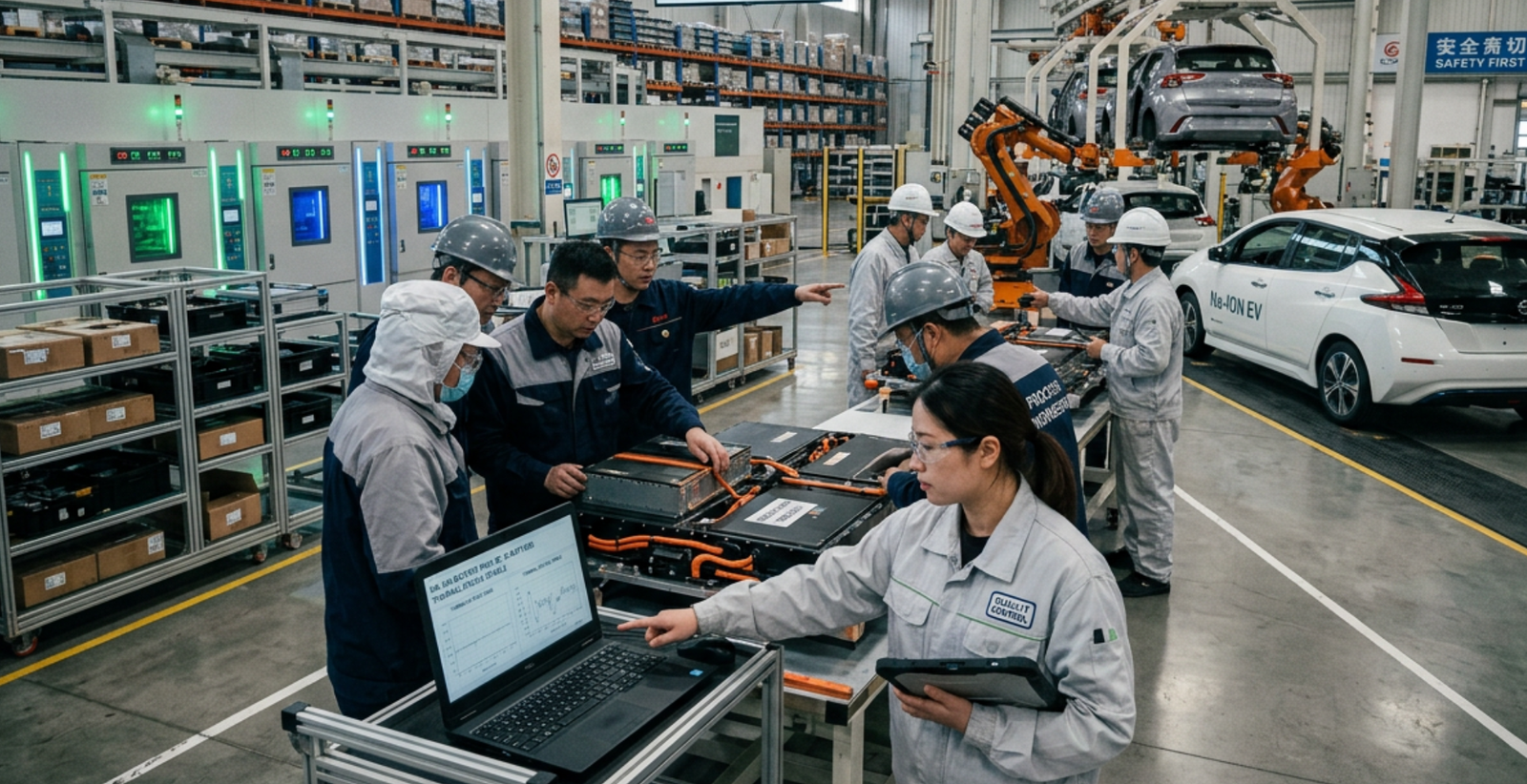
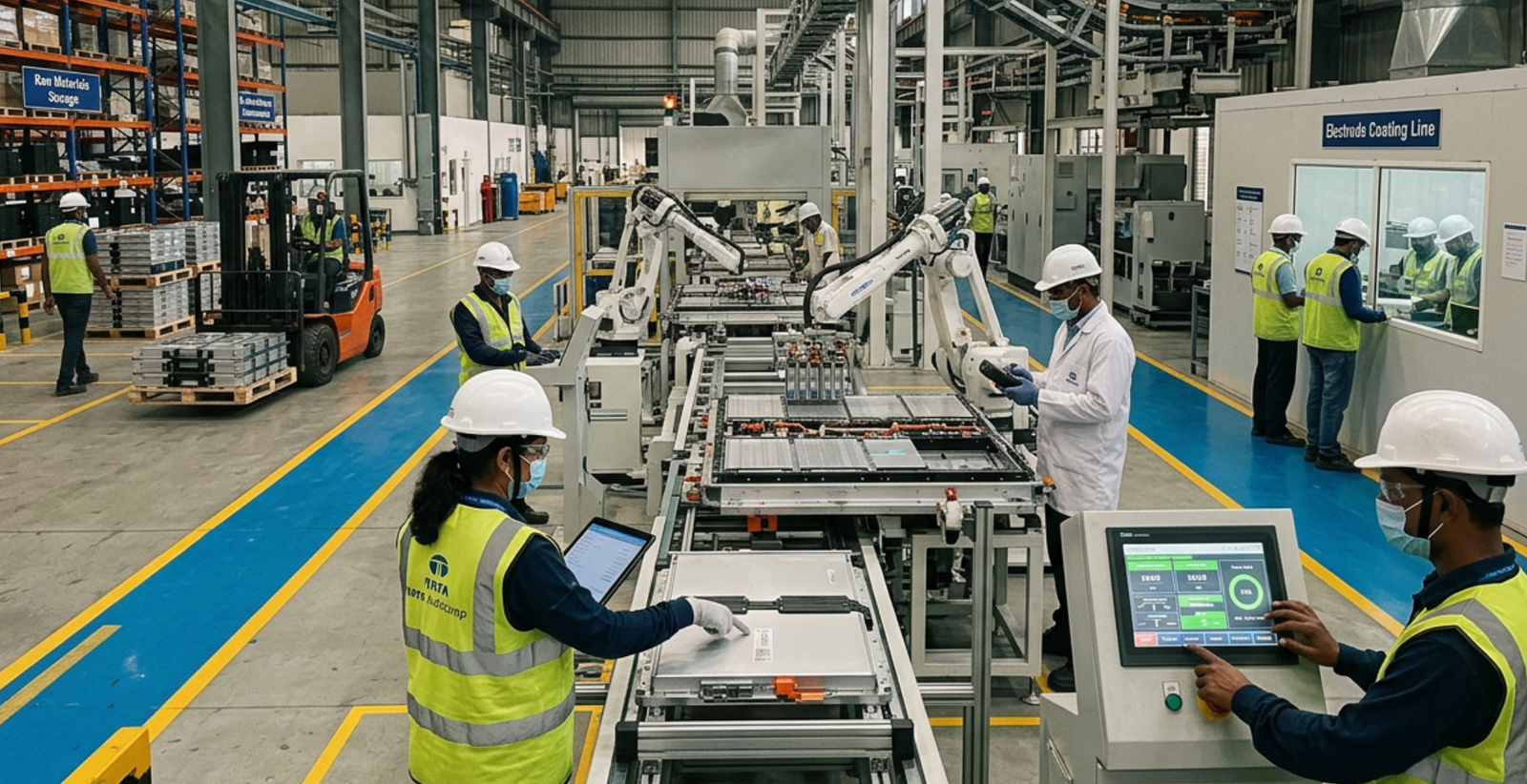
The global electric vehicle transition is entering a decisive phase in 2026-one defined not by adoption alone, but by industrial-scale execution in battery manufacturing. As EV penetration accelerates worldwide, EV battery manufacturing is becoming the core pillar of energy transition strategies across major economies.
What was once a demand-driven growth story is now shifting toward…
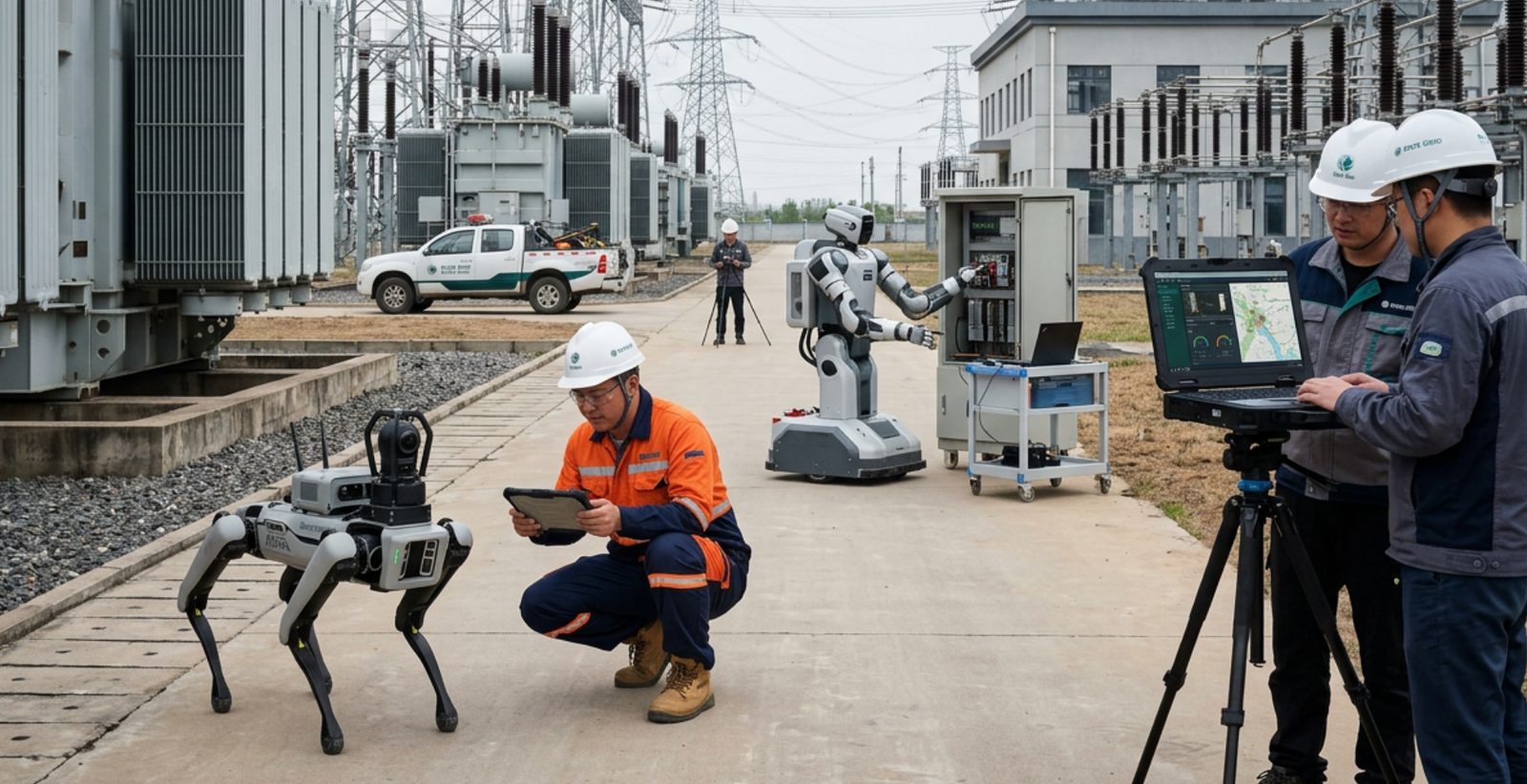
China is accelerating its energy infrastructure transformation with a $1 billion investment in robotics aimed at modernizing power grid inspection and maintenance operations. The initiative underscores a strategic shift toward automation, artificial intelligence, and intelligent infrastructure management at national scale.
The investment, led by the State Grid Corporation of China, will deploy approximately 8,500 AI-enabled…
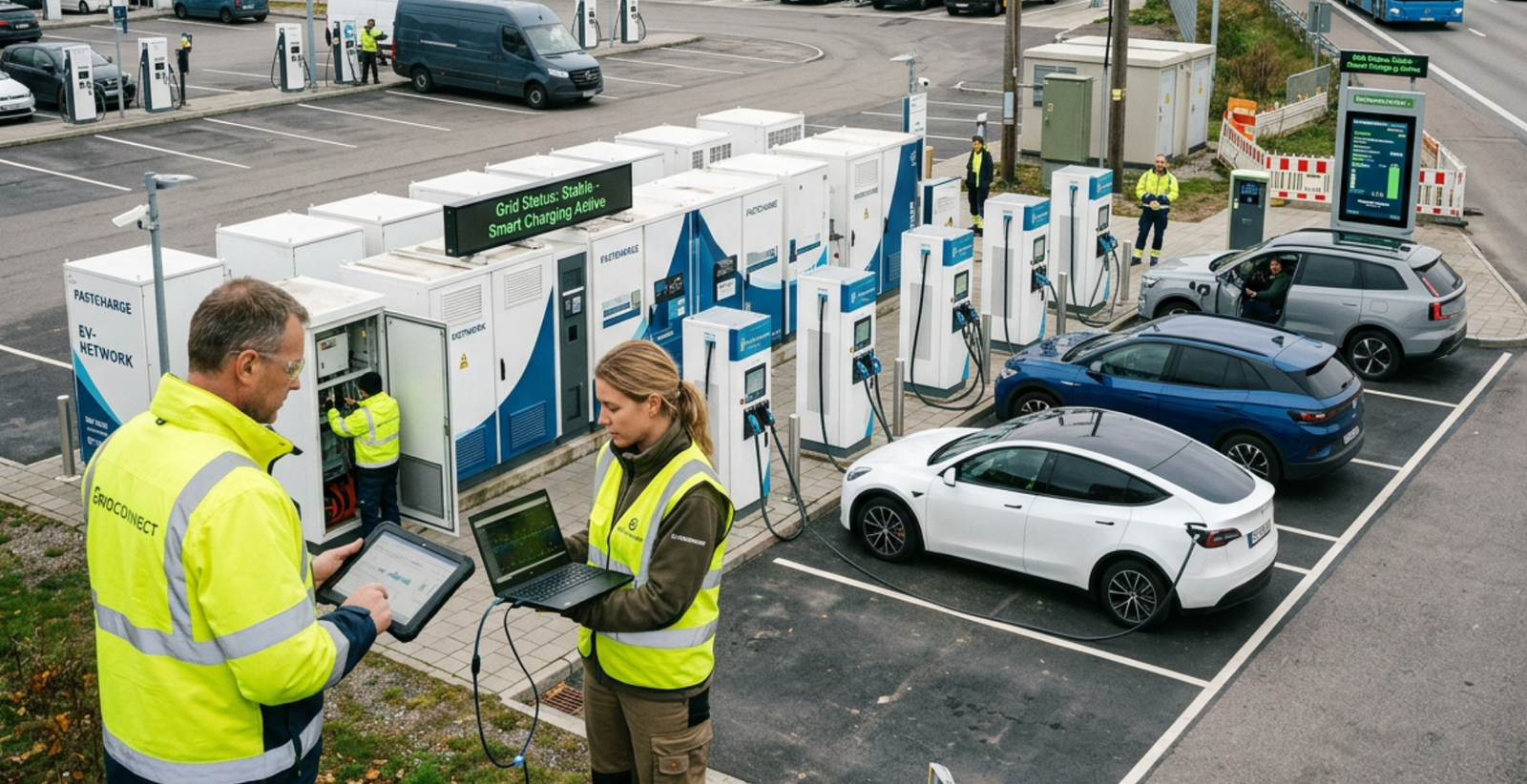
EV adoption in 2026 has moved beyond early-stage growth and is now entering a phase of mass-scale deployment. Across global markets, electric vehicles are becoming a mainstream mobility choice driven by policy support, cost efficiency, and infrastructure expansion.
However, charging infrastructure development is still struggling to keep pace with demand.
1. EV Adoption Is Expanding…
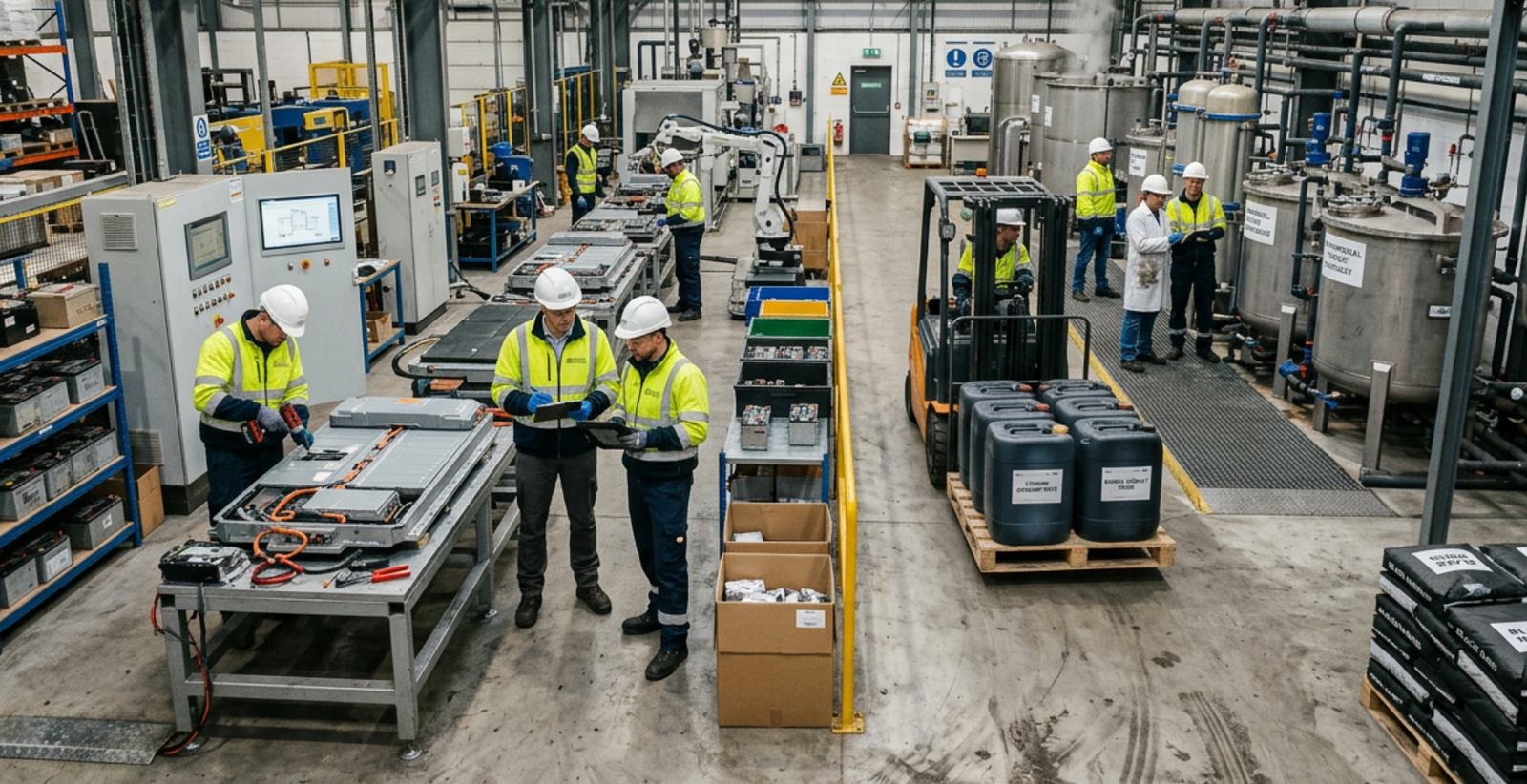
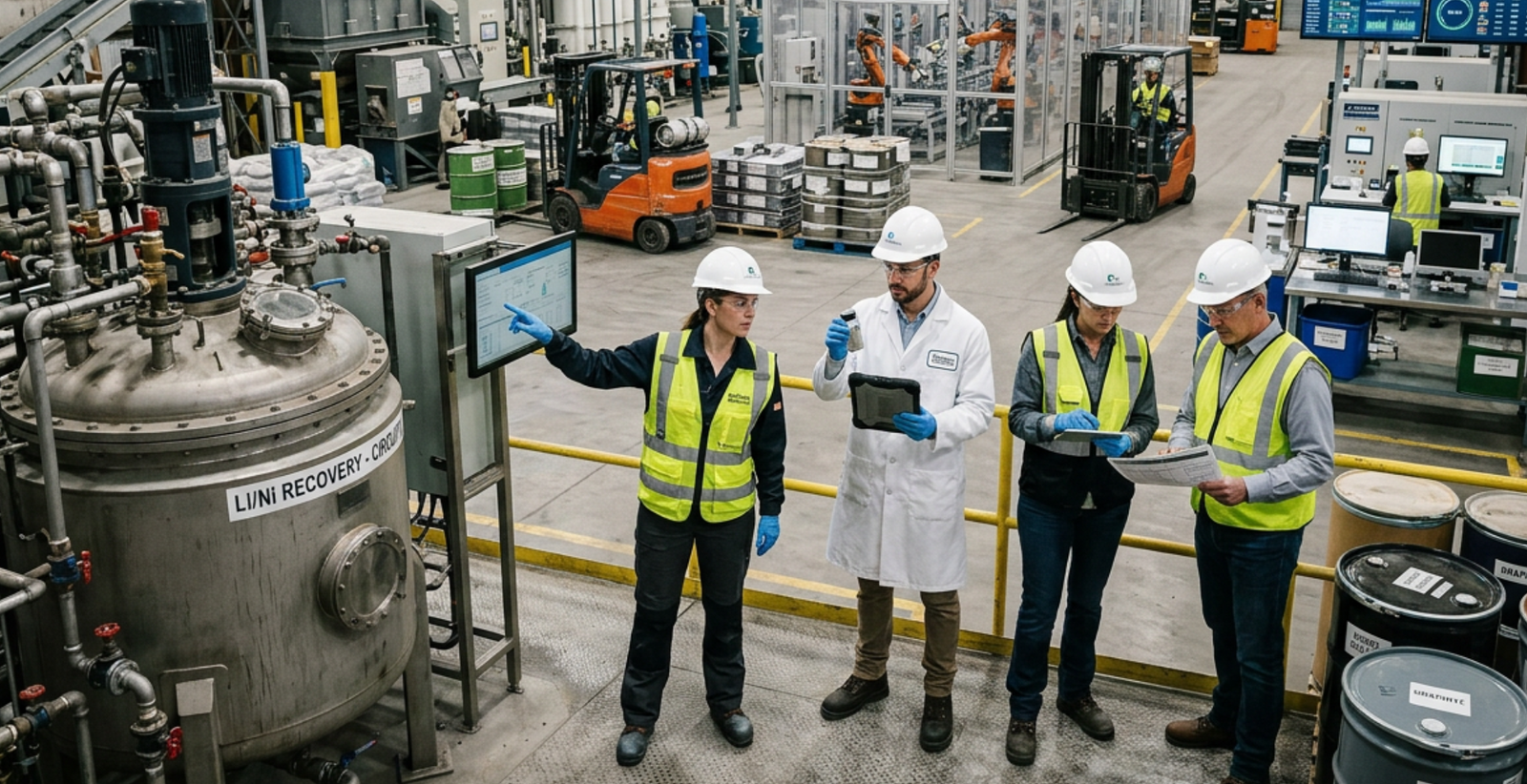
The EV battery recycling market in 2026 is evolving from a niche sustainability segment into a core industrial pillar of the global electric vehicle ecosystem. With EV adoption accelerating worldwide, recycling is becoming essential for securing critical materials and stabilizing supply chains.
EV Growth Is Driving Recycling Demand
Rising EV penetration is directly increasing future…
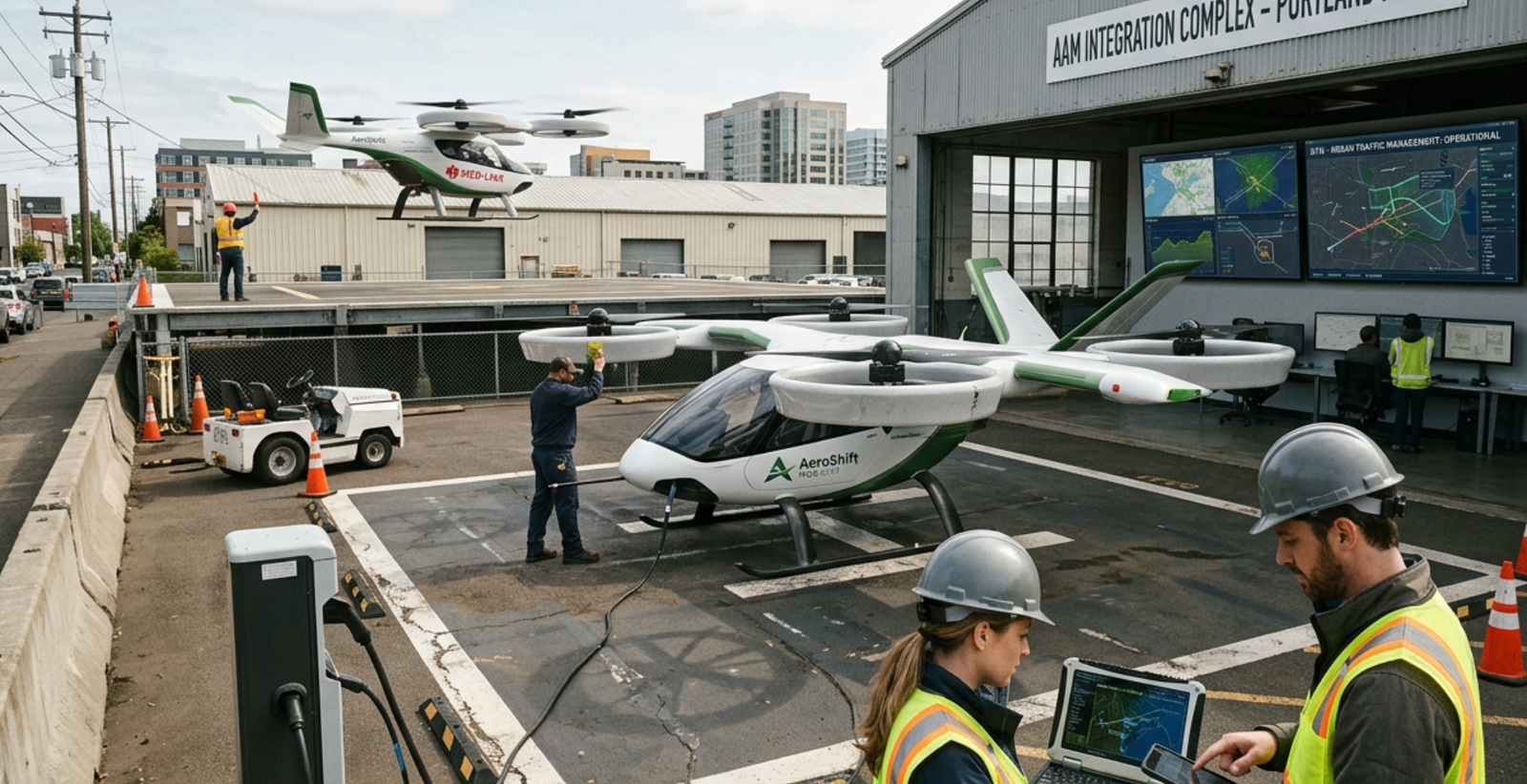
April 2026 marks a defining transition point for the Advanced Air Mobility (AAM) industry. What was once viewed as experimental is now entering early-stage deployment, with tangible progress across airspace integration, certification, sustainability, and real-world applications.
The strategic focus has shifted. The question is no longer “Can AAM work?” – it is now “How fast…
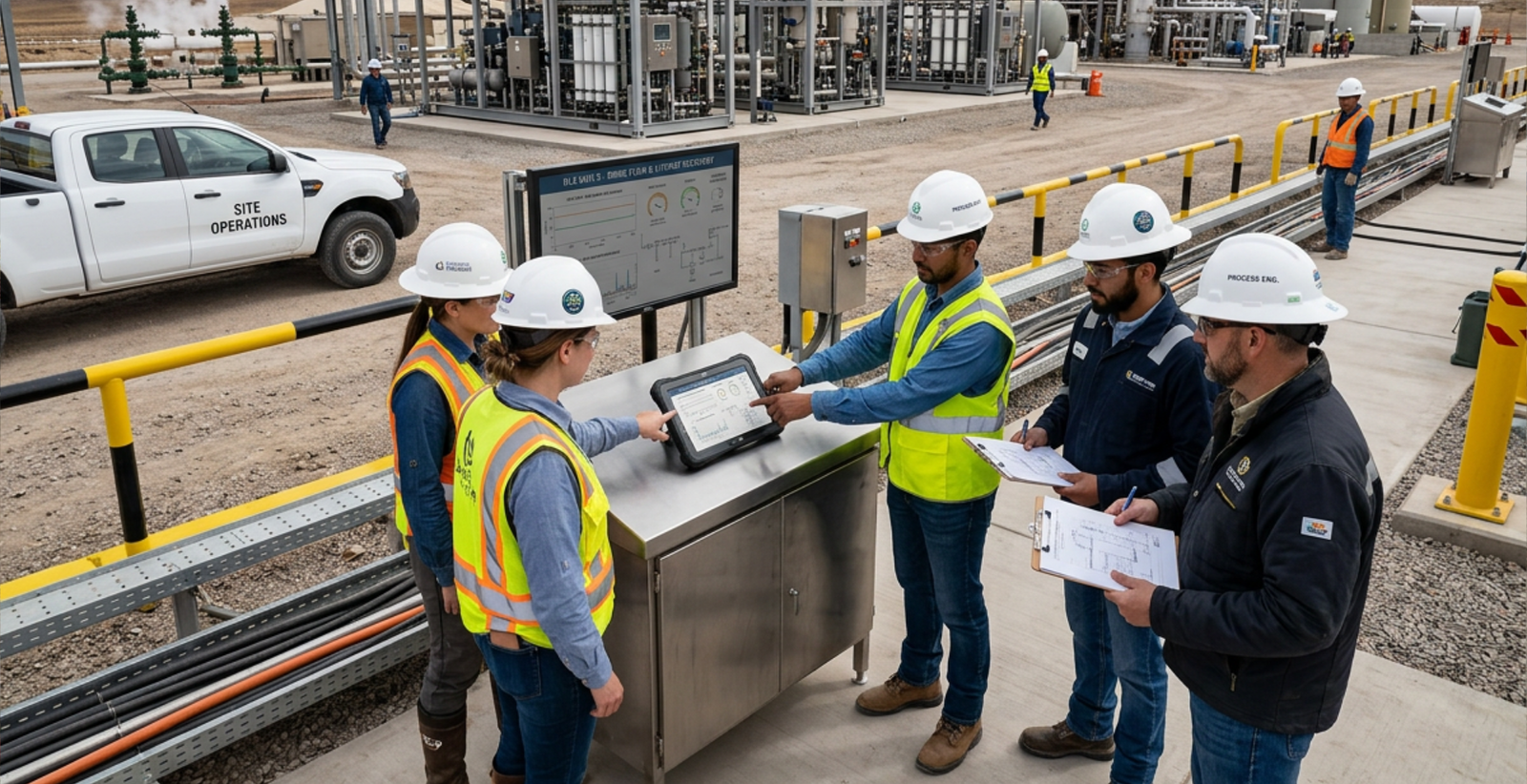
KBR has announced a strategic investment in Geolith, signaling a decisive move to accelerate the global deployment of direct lithium extraction (DLE) technologies. The partnership positions both companies at the forefront of next-generation lithium production, addressing rising demand from battery and energy storage markets.
This development reinforces a broader industry shift toward scalable, low-impact extraction…
The U.S. Department of Energy (DOE) has announced a $500 million funding initiative aimed at strengthening domestic critical materials processing, battery manufacturing, and recycling capabilities. The move represents a strategic push to secure supply chains, reduce geopolitical dependencies, and accelerate industrial resilience.
Led by the DOE’s Office of Critical Minerals and Energy Innovation, the funding…
China has unveiled the world’s first mass-produced electric vehicle powered by sodium-ion batteries, marking a significant breakthrough in battery innovation and supply chain strategy.
The vehicle, developed by Changan Automobile in collaboration with CATL, introduces a viable alternative to conventional lithium-ion batteries at commercial scale.
A Strategic Shift Beyond Lithium
The China sodium ion EV…
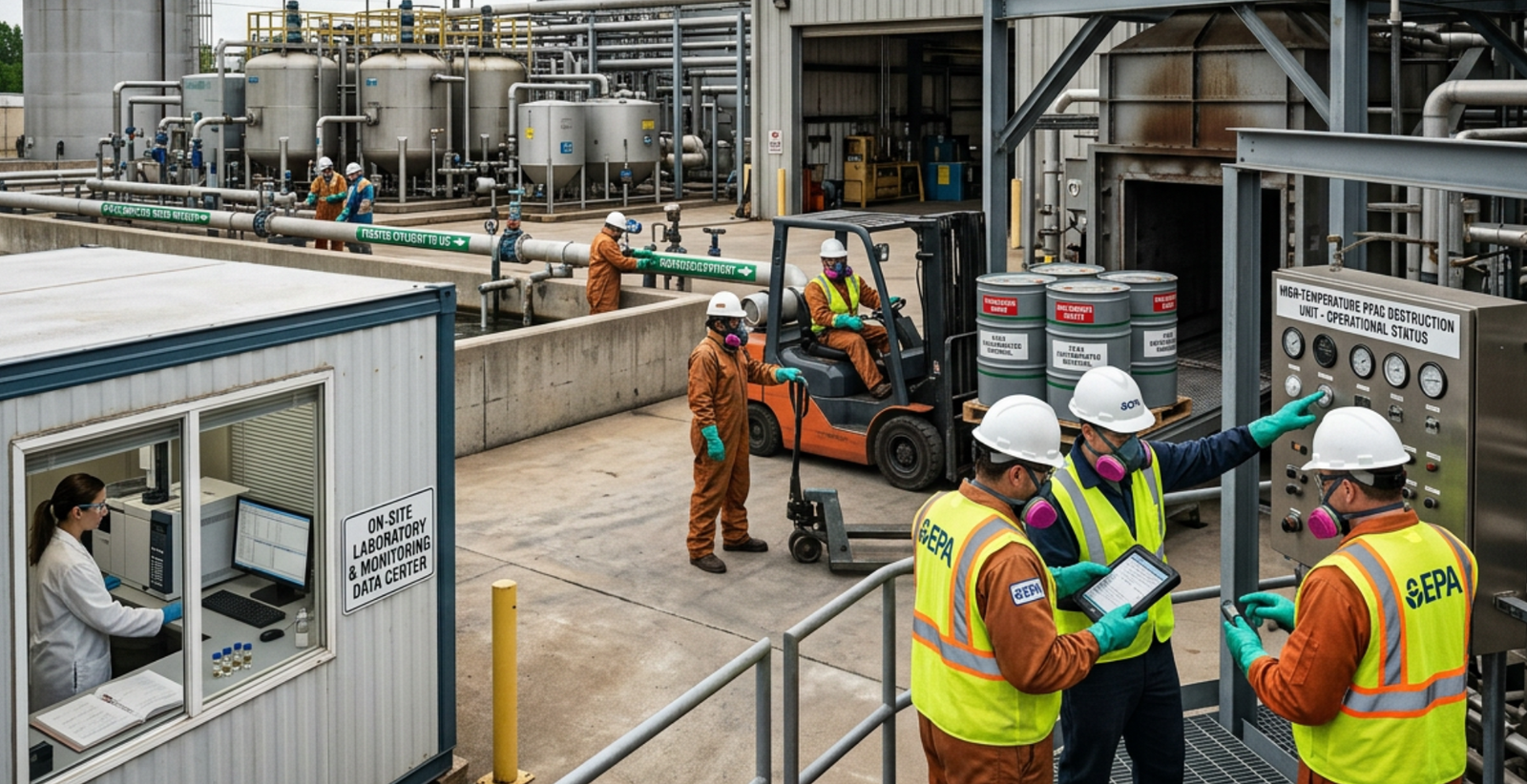
In 2026, the U.S. Environmental Protection Agency (EPA) released updated interim guidance on the destruction and disposal of PFAS (per- and polyfluoroalkyl substances), commonly known as “forever chemicals.”
The updated framework is designed to help states, utilities, and waste management operators adopt safer, science-based methods for handling PFAS waste and reducing environmental exposure risks.
Stronger…
Introduction: Water Is No Longer Just a Resource – It’s Infrastructure
The Asian Infrastructure Investment Bank (AIIB) has repositioned the global water cycle as critical infrastructure in its flagship Asian Infrastructure Finance 2026 report titled Where the Water Flows.
This marks a structural shift in how water is viewed – moving beyond extraction, utility management,…
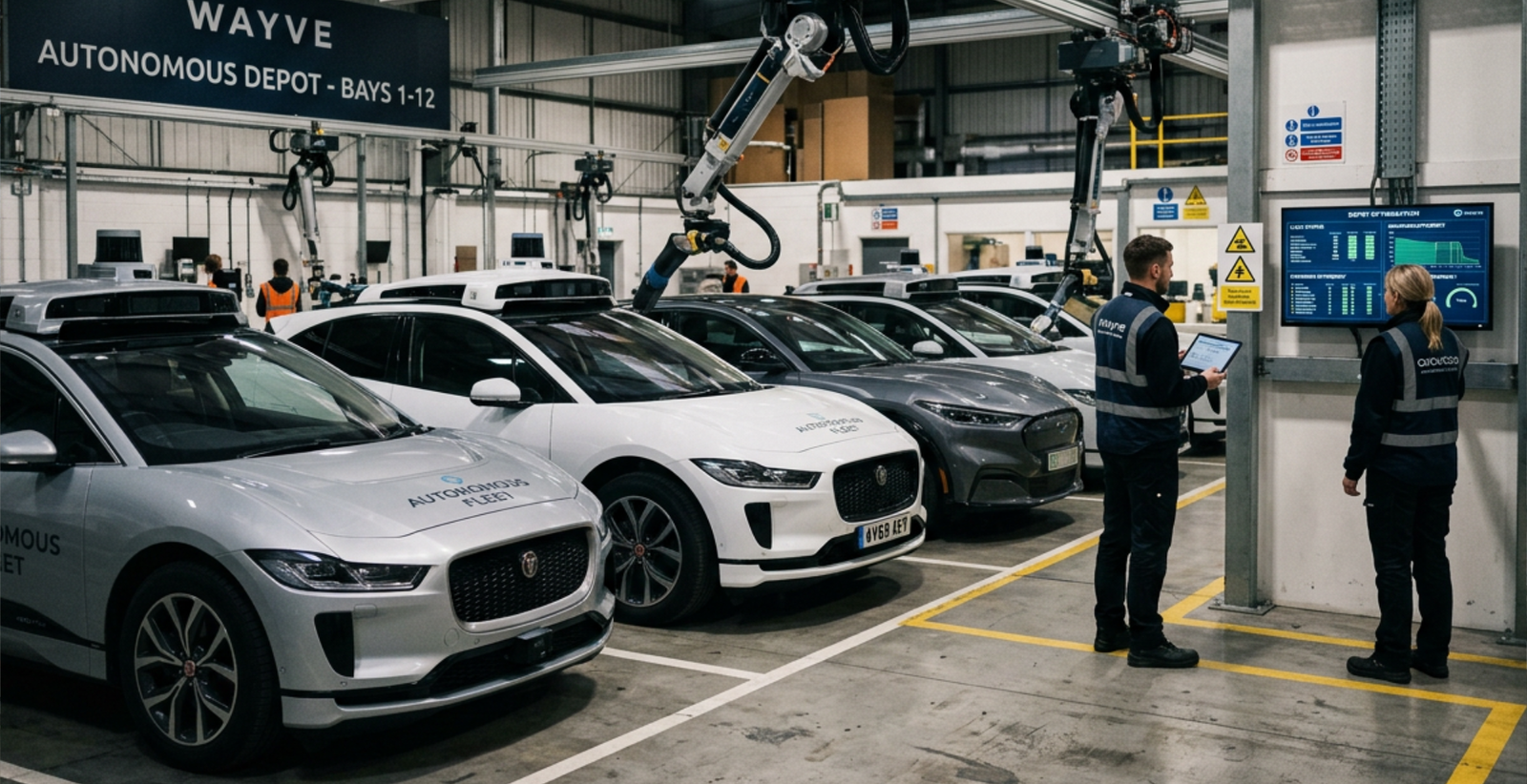
A UK-focused robotics company has introduced a next-generation hands-free charging system designed to support the rapid scaling of autonomous electric vehicle fleets. The solution addresses a critical operational bottleneck in robotaxi and autonomous mobility ecosystems-manual charging at fleet depots.
As autonomous vehicle deployment expands globally, depot efficiency is emerging as a key determinant of commercial…
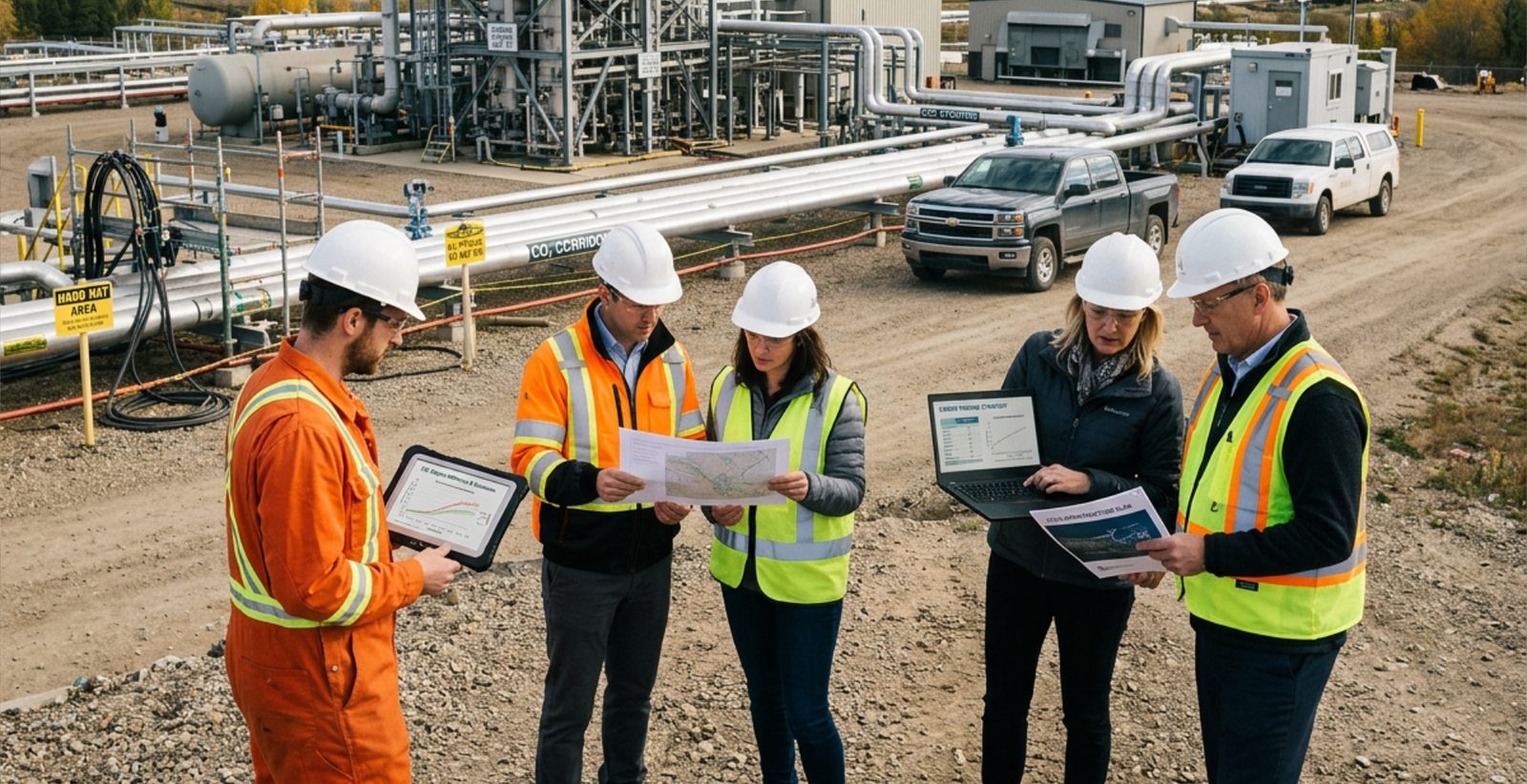
Canada Carbon Pricing Deal Nears as CCUS Investment Hinges on Policy Alignment
Canada and Alberta are approaching a critical carbon pricing agreement that could redefine the economics of carbon capture, utilization, and storage (CCUS) investment across the oil sands sector. For executive decision-makers, this development underscores the growing interdependence between policy frameworks and large-scale decarbonization…