From Expansion to Optimization
The global EV ecosystem is entering a new phase.
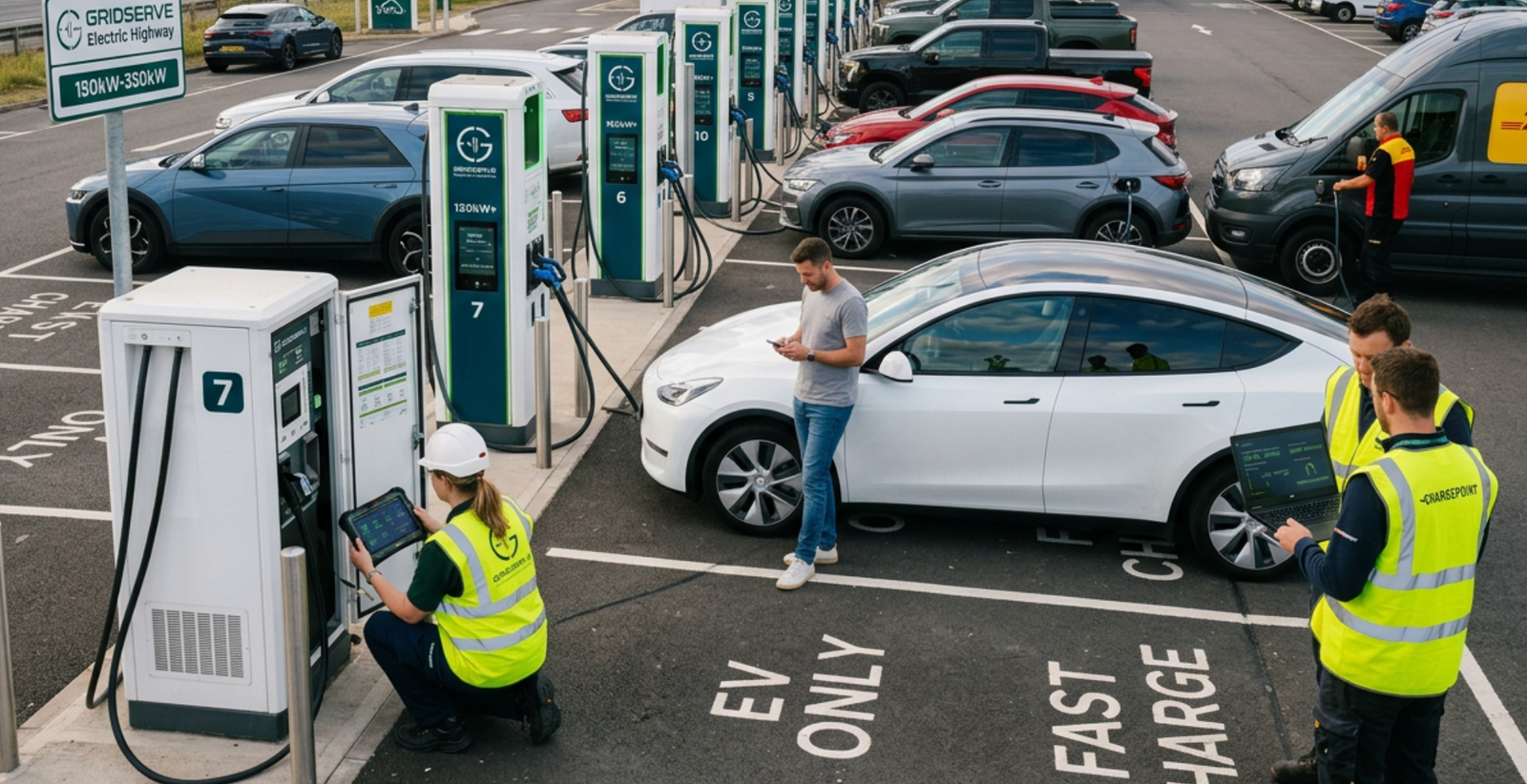
The early challenge-building enough charging stations-is rapidly being replaced by a more complex mandate: delivering fast, reliable, and universally accessible charging infrastructure at scale.
In 2026, EV charging is no longer just about adding capacity. It is about optimizing the entire user…
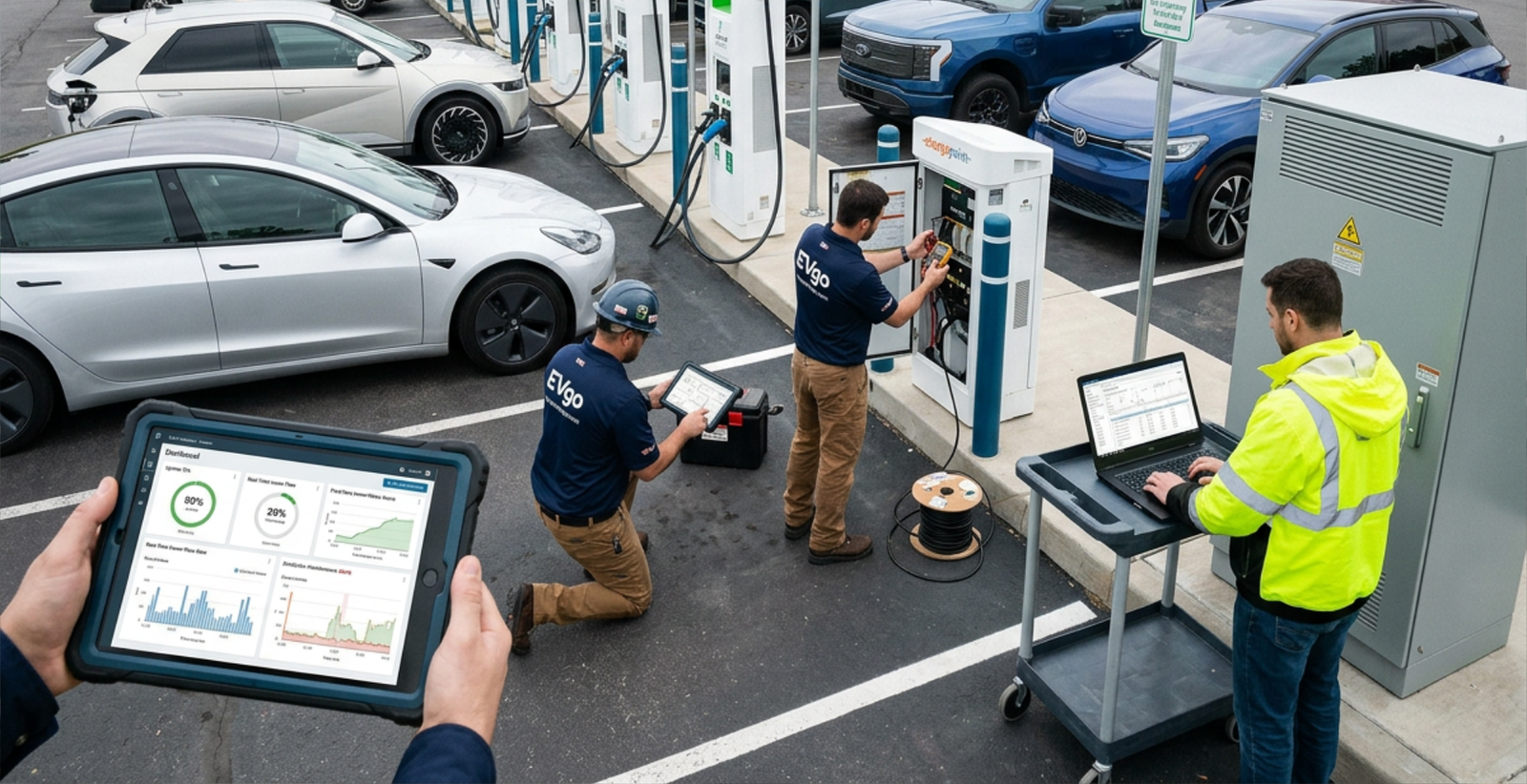
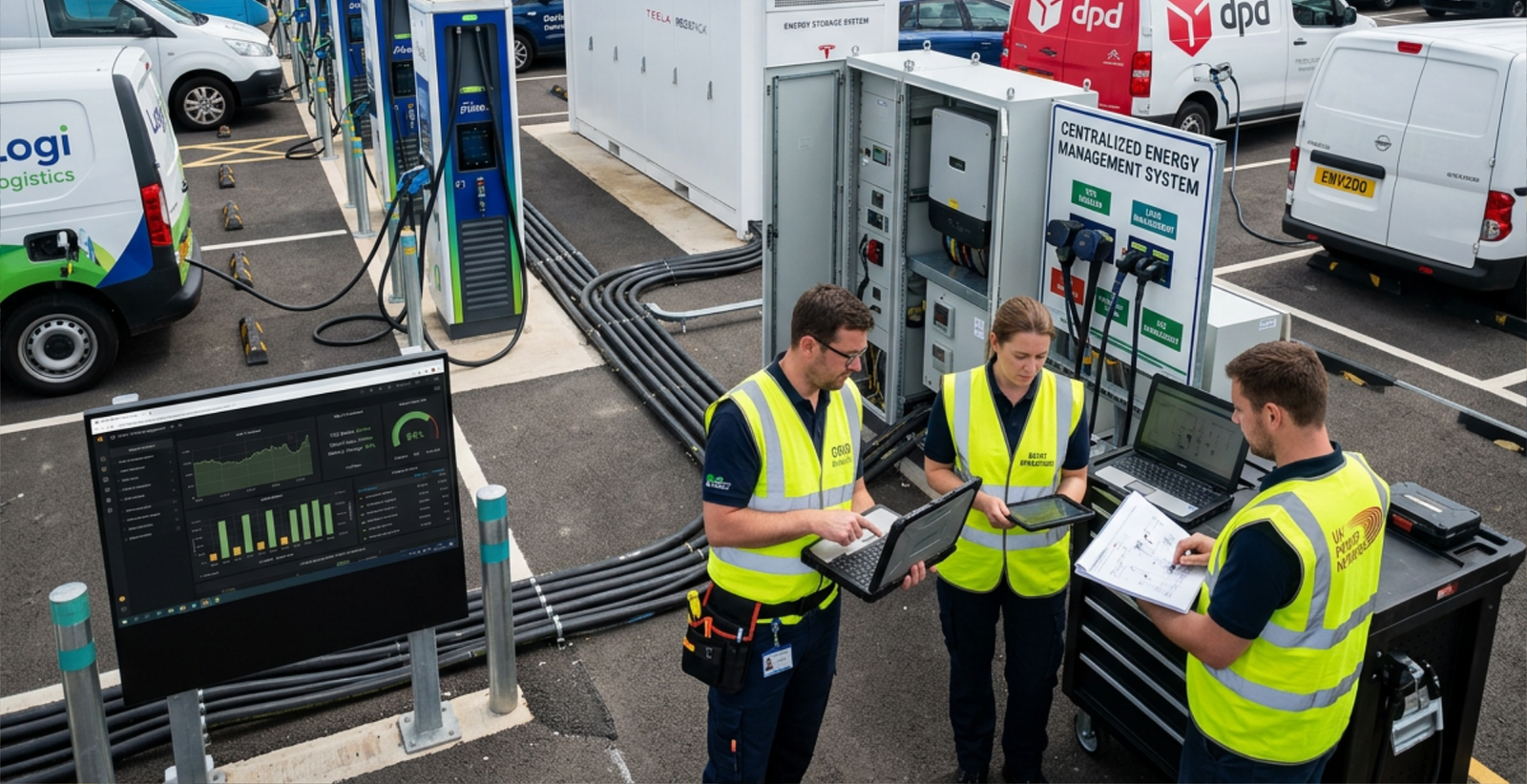
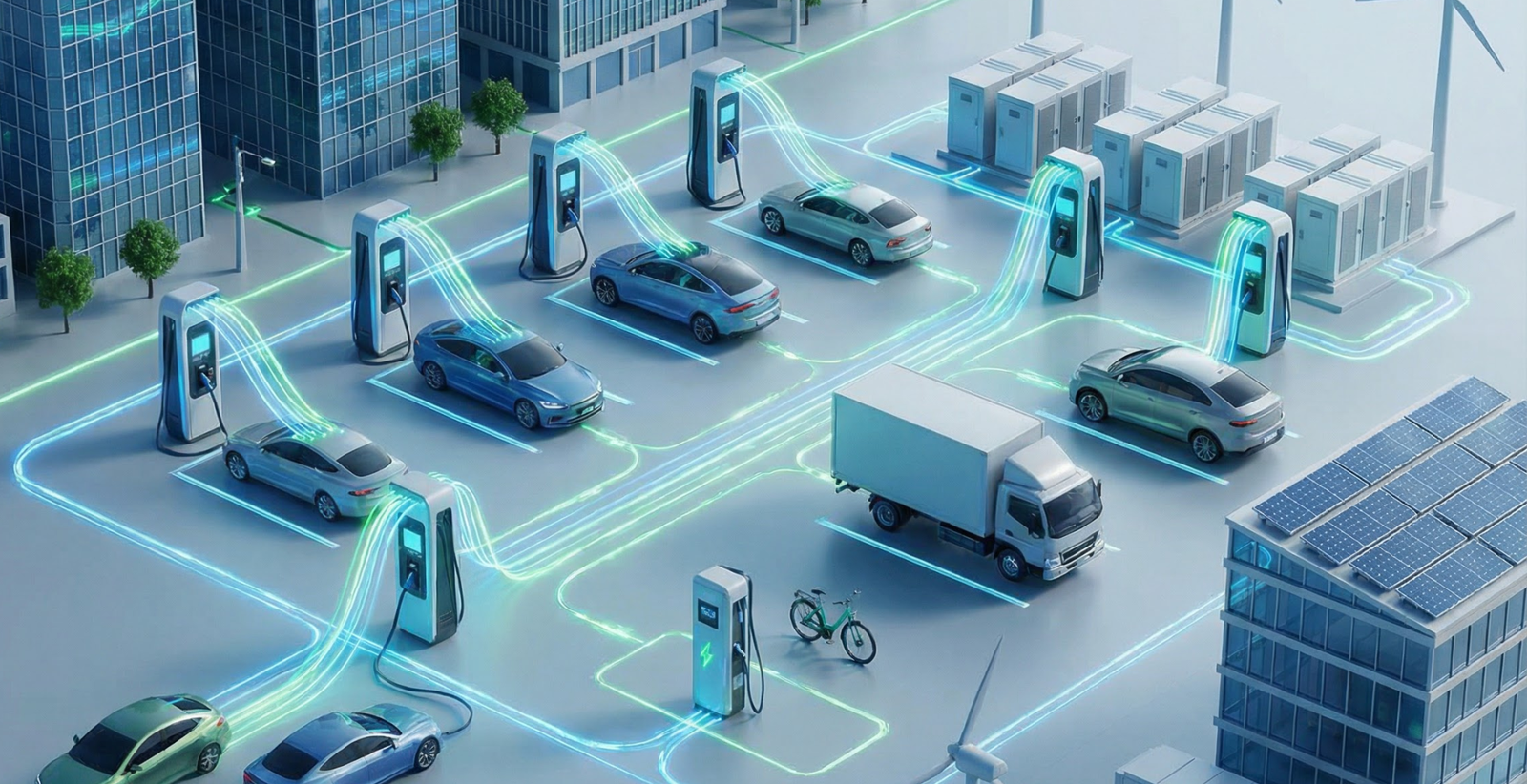
The second week of March 2026 has confirmed that the primary challenge for EV infrastructure is no longer the physical installation of chargers, but the intelligent orchestration of the energy they draw. For the C-suite, the focus has moved toward managing the “megawatt wall” and leveraging vehicles as high-value assets within the broader energy market.…
The expansion of EV charging infrastructure has transitioned into a phase defined by operational excellence and legal accountability. In the first week of March 2026, the focus for the C-suite has shifted from simple footprint expansion to ensuring high-uptime performance and maximizing the grid-integration value of existing assets.
1. Market Consolidation and Tier-1 Infrastructure
Industry…
As governments worldwide race to accelerate electric vehicle adoption, infrastructure-not vehicle availability-is emerging as the decisive battleground. Malaysia’s latest update on its EV charging rollout marks more than a national progress report; it represents a strategic inflection point with global implications for how EV ecosystems must be built, funded, and scaled.
By the end of…
Executive Summary
Electric vehicles (EVs) are no longer a future consideration-they are an accelerating reality reshaping mobility, consumer behaviour, and retail economics. By 2026, EV adoption will reach a scale that fundamentally alters where drivers stop, how long they stay, and what they expect from convenience retail.
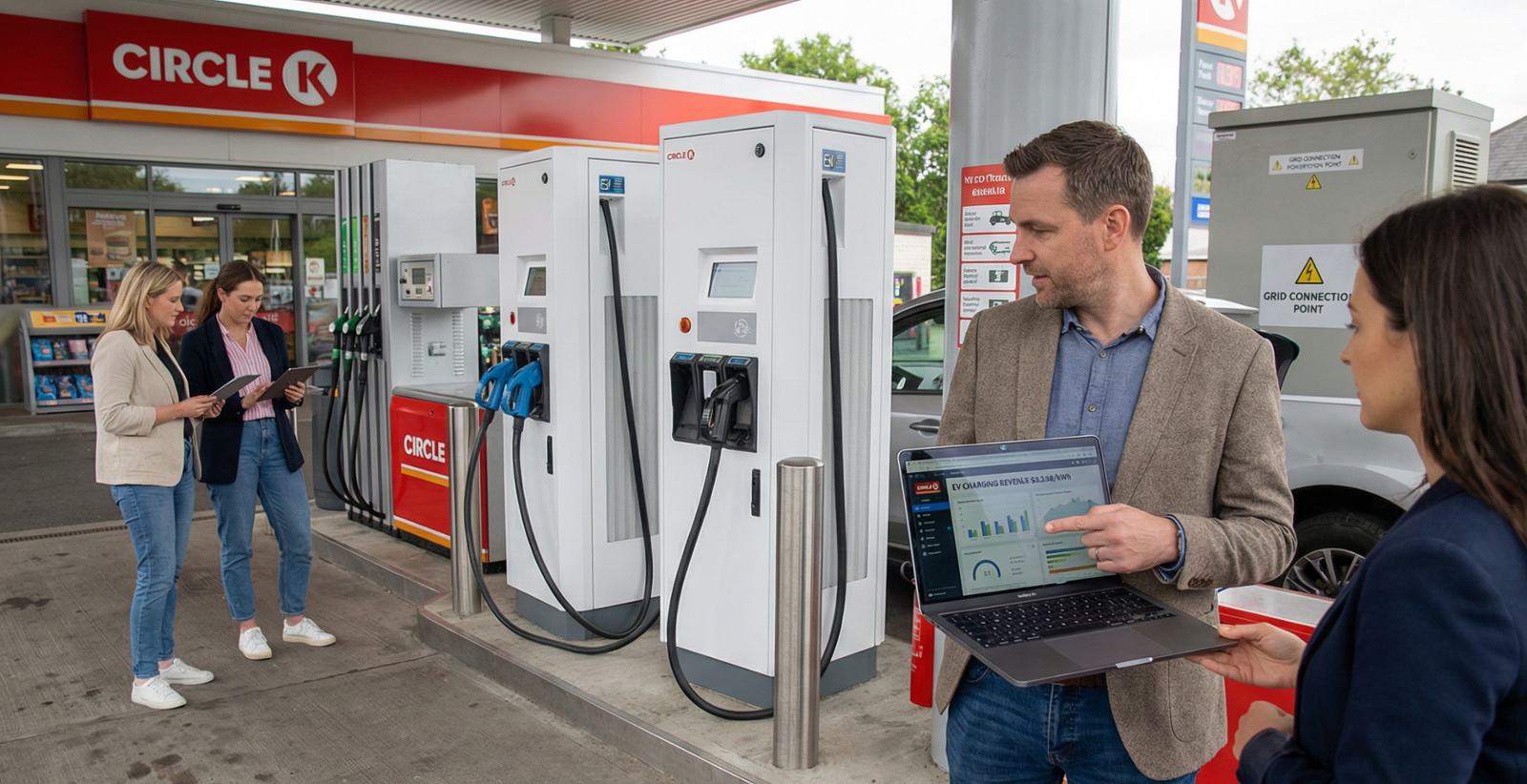
For C-suite leaders in the convenience store (c-store)…
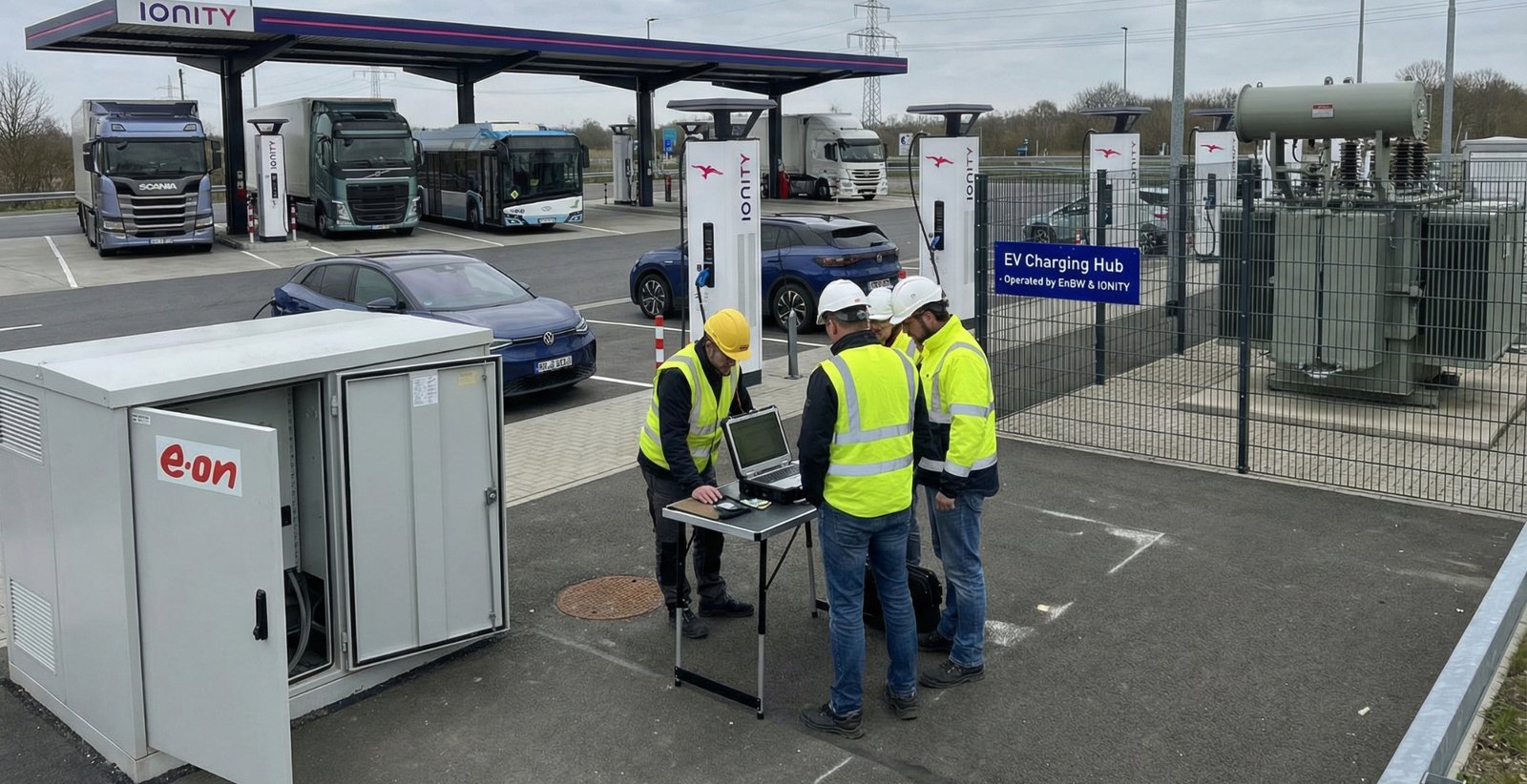
The European EV charging sector crossed a strategic threshold in 2025. What was once a fragmented deployment race has matured into a continent-wide infrastructure buildout, shaped by regulation, capital markets, grid realities, and rapidly evolving user expectations. With 2.5 million new battery-electric vehicles added in a single year and over 18% of new car sales…
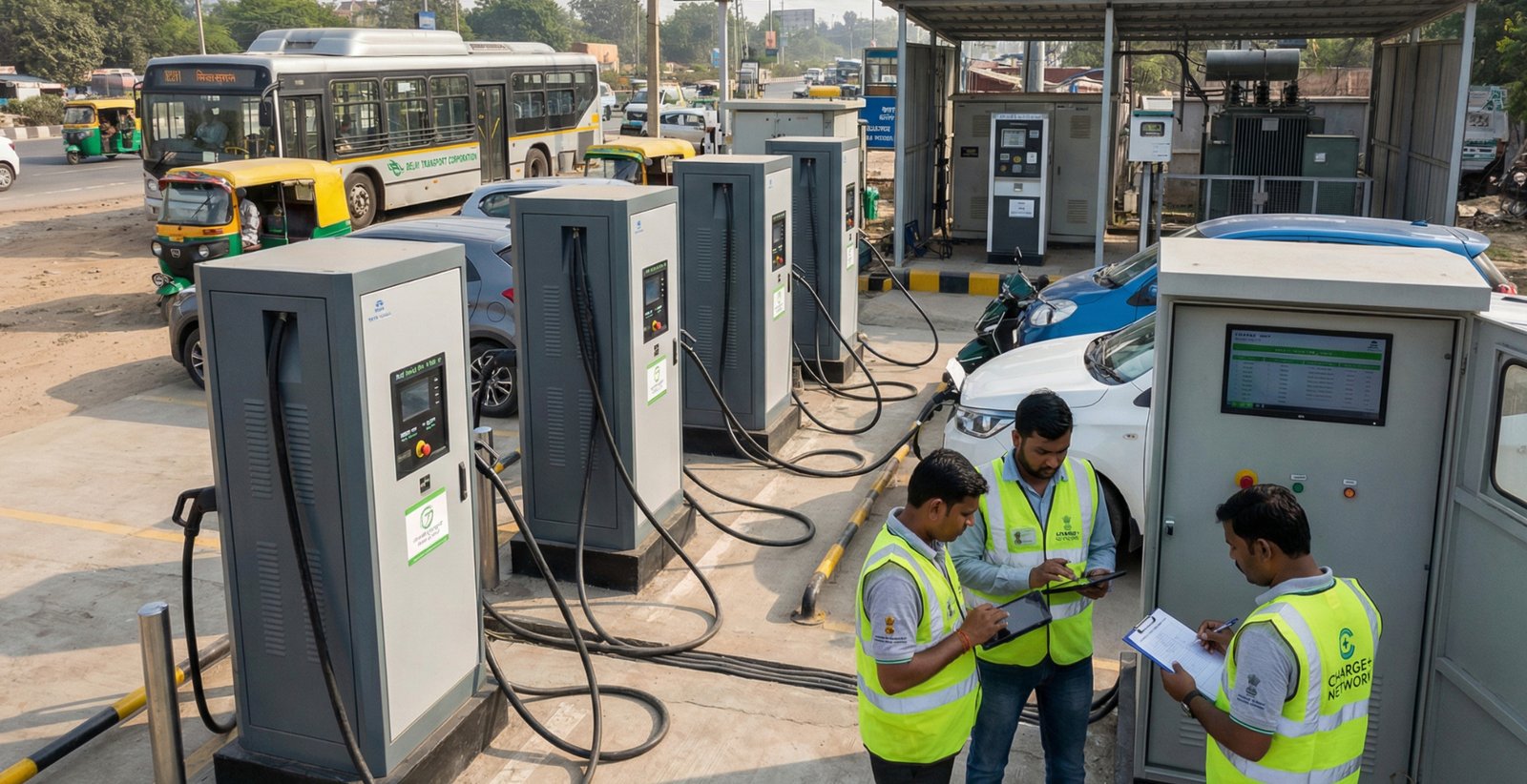
India is moving rapidly from early EV adoption to infrastructure-led electric mobility at scale. By 2026, the country’s EV charging ecosystem is expected to shift from fragmented rollout to structured, policy-backed maturity, with implications far beyond its borders.
Electric two-wheelers, buses, and commercial fleets are already mainstreaming EV adoption. The next phase-charging accessibility, grid integration,…
Executive Overview
India’s electric vehicle (EV) transition has entered a decisive phase. Between early 2023 and mid-2025, the country’s public EV charging infrastructure expanded nearly fourfold, driven by policy alignment, private capital inflows, and increasing technology standardisation.
However, headline growth masks structural inefficiencies. Charger concentration in select urban clusters, low utilization rates, and persistent grid…
German battery recycling company cylib has secured a €63.4 million grant from the German Federal Ministry for Economic Affairs and Energy to finance the second build-out stage of its Dormagen facility. This funding will enable the construction of Europe’s first dedicated industrial-scale LFP (Lithium Iron Phosphate) recycling line, doubling the facility’s total planned capacity to 60,000 tonnes…
China’s electric vehicle (EV) charging network has expanded at a remarkable pace, reinforcing the country’s position as the global leader in electric mobility. As of the end of November 2025, the number of EV charging points in China exceeded 19.32 million, a year-on-year increase of 52%, according to official data from the National Energy Administration.
This…
EV Charging Infrastructure Has Reached Scale Public Perception Has Not
Despite significant progress in U.S. electric vehicle charging infrastructure, consumer perception continues to lag behind measurable reality. New national survey data indicates that concerns about charging time and driving range remain among the top barriers to EV adoption, even as infrastructure deployment accelerates at scale.…
Wisconsin Accelerates EV Charging Deployment With 14 Million Dollar Statewide Grant Round
Wisconsin has announced a new 14 million dollar funding round to expand electric vehicle fast-charging infrastructure across the state, supporting 26 projects at key travel and commercial locations. The grants are funded through federal allocations tied to the National Electric Vehicle Infrastructure program.…