
The U.S. Department of Energy (DOE) has announced a $500 million funding initiative aimed at strengthening domestic critical materials processing, battery manufacturing, and recycling capabilities. The move represents a strategic push to secure supply chains, reduce geopolitical dependencies, and accelerate industrial resilience.
Led by the DOE’s Office of Critical Minerals and Energy Innovation, the funding will support the development of demonstration and commercial-scale facilities across key segments of the battery value chain.
A Strategic Shift Toward Supply Chain Independence
The US DOE critical materials funding battery supply chain initiative reflects a broader policy shift toward domestic capability building. Historically reliant on external sources for critical minerals, the United States is now prioritizing localized processing and manufacturing to mitigate supply risks.
Chris Wright emphasized that strengthening domestic industries is essential to meeting rising energy demand, supporting advanced technologies such as AI, and achieving long-term energy security.
For C-level executives, this signals a clear direction: supply chain localization is rapidly becoming a competitive and strategic necessity.
Targeting the Full Battery Value Chain
The funding will be deployed across three key areas:
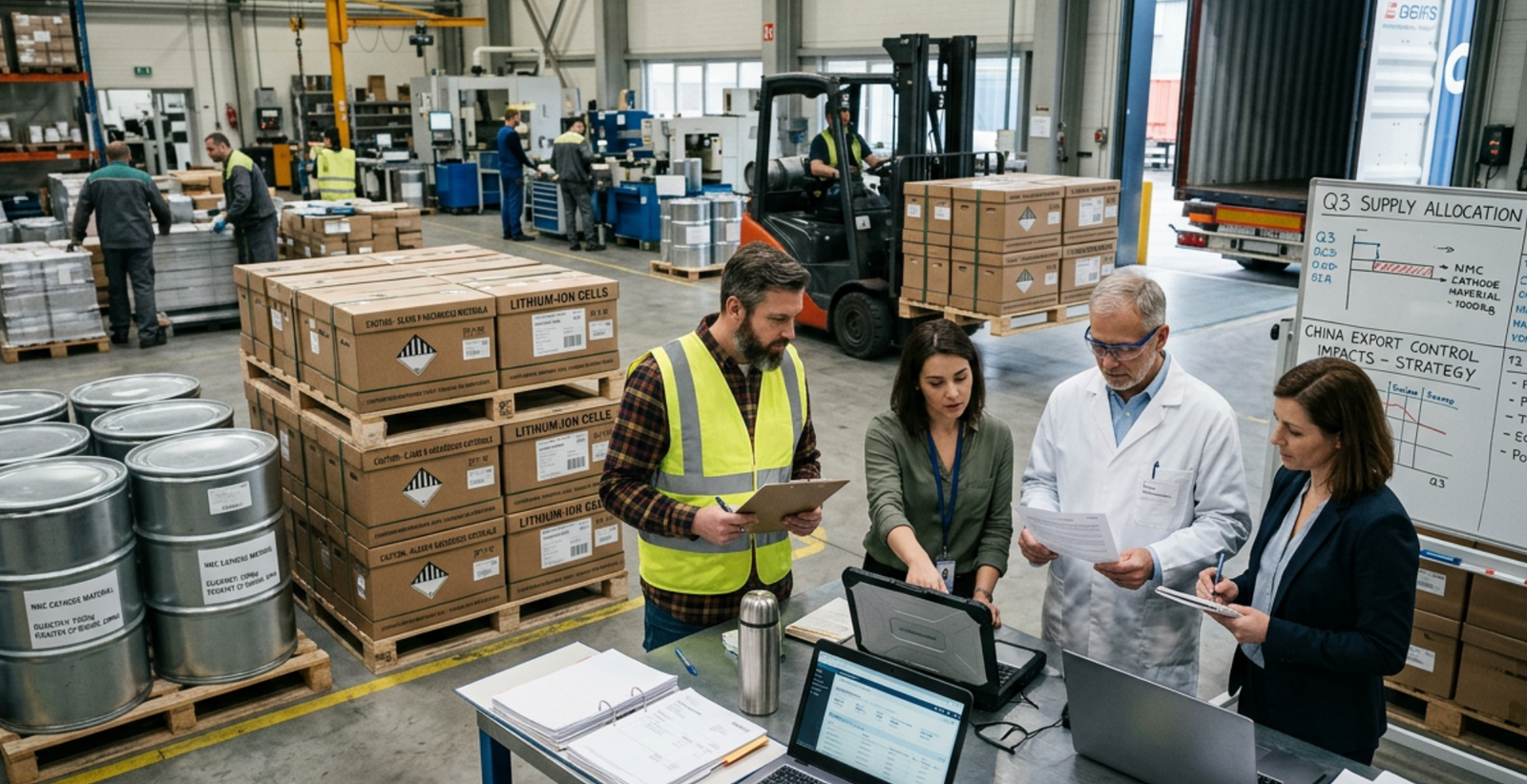
- Critical Minerals Processing: Expanding domestic capacity to process raw materials such as lithium, graphite, nickel, copper, and aluminum
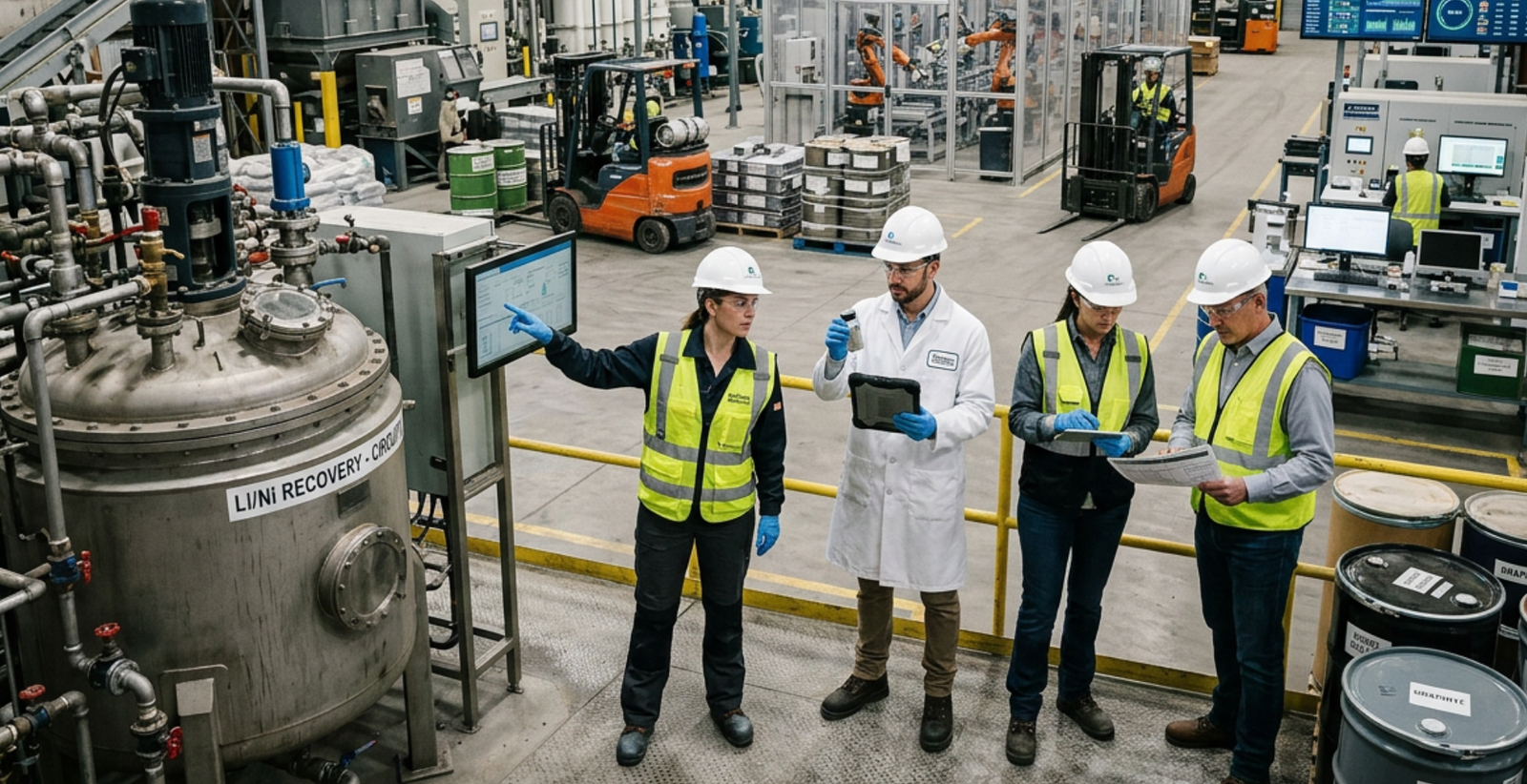
- Battery Recycling: Increasing recovery of critical minerals from manufacturing scrap and end-of-life batteries
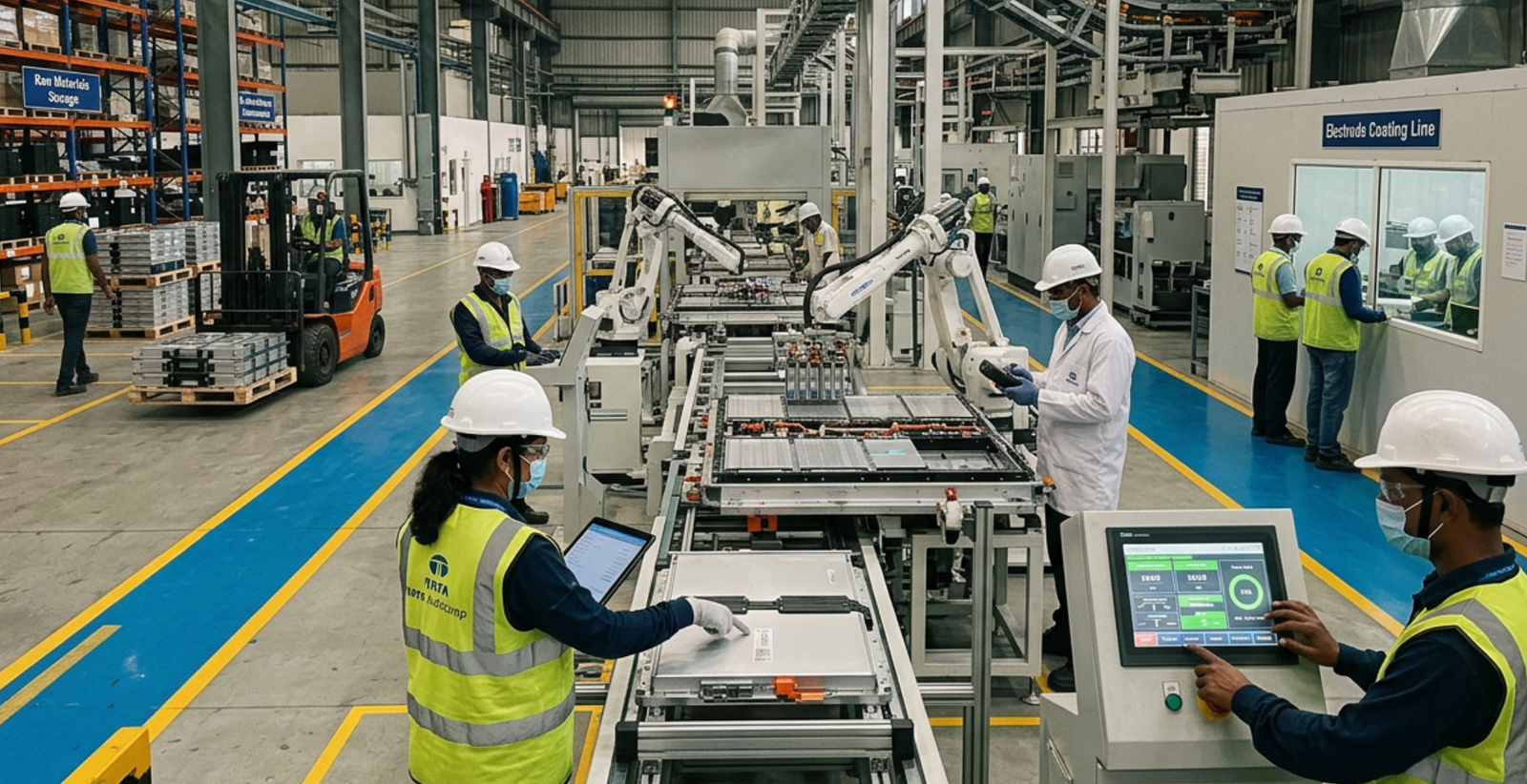
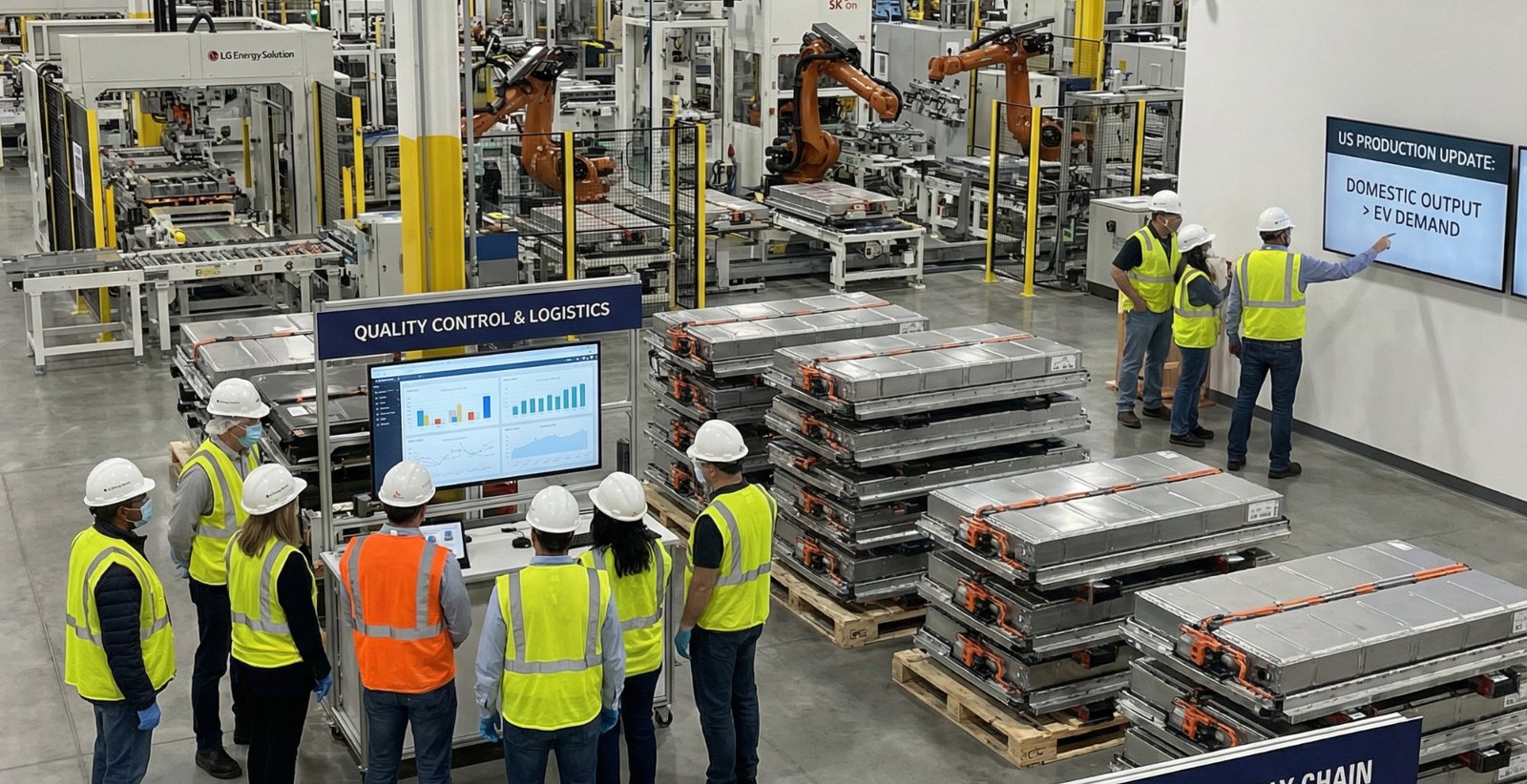
- Battery Materials and Component Manufacturing: Scaling production of strategic battery components and technologies
This integrated approach ensures that the initiative addresses vulnerabilities across the entire battery ecosystem rather than isolated segments.
Global Collaboration with Strategic Intent
While the focus remains domestic, the initiative is complemented by international engagement. Audrey Robertson is actively engaging with regional partners at the Indo-Pacific Energy Security Ministerial to strengthen allied cooperation on supply chain resilience.
This dual strategy-local capacity building combined with allied coordination-highlights a nuanced approach to energy security in an increasingly interconnected global market.
Implications for Industry Leaders
For executives across energy, manufacturing, and technology sectors, the implications are immediate and material:
- Capital Access: Increased funding opportunities for scaling processing and manufacturing infrastructure
- Supply Security: Reduced exposure to volatile global mineral supply chains
- Sustainability Alignment: Greater emphasis on recycling and circular economy models
- Policy Alignment: Stronger linkage between industrial strategy and government incentives
Organizations that align early with these funding priorities will be better positioned to secure strategic advantage.
Execution Timeline and Next Steps
The DOE has outlined a structured application process, including letters of intent and full submissions, to accelerate project evaluation and deployment. Funding will prioritize projects that demonstrate scalability, commercial viability, and alignment with national energy and security objectives.
Conclusion: A Defining Investment in Industrial Resilience
The $500 million funding announcement marks a critical inflection point in the evolution of the U.S. battery supply chain. It reinforces the convergence of energy policy, industrial strategy, and technological innovation.
For C-level decision-makers, the message is unequivocal: the future of energy competitiveness will be defined by control over critical materials and the ability to scale domestic manufacturing ecosystems.
The post U.S. DOE $500M Funding to Strengthen Critical Materials and Battery Supply Chains appeared first on EV Battery Supply Chain Xchange 2026.