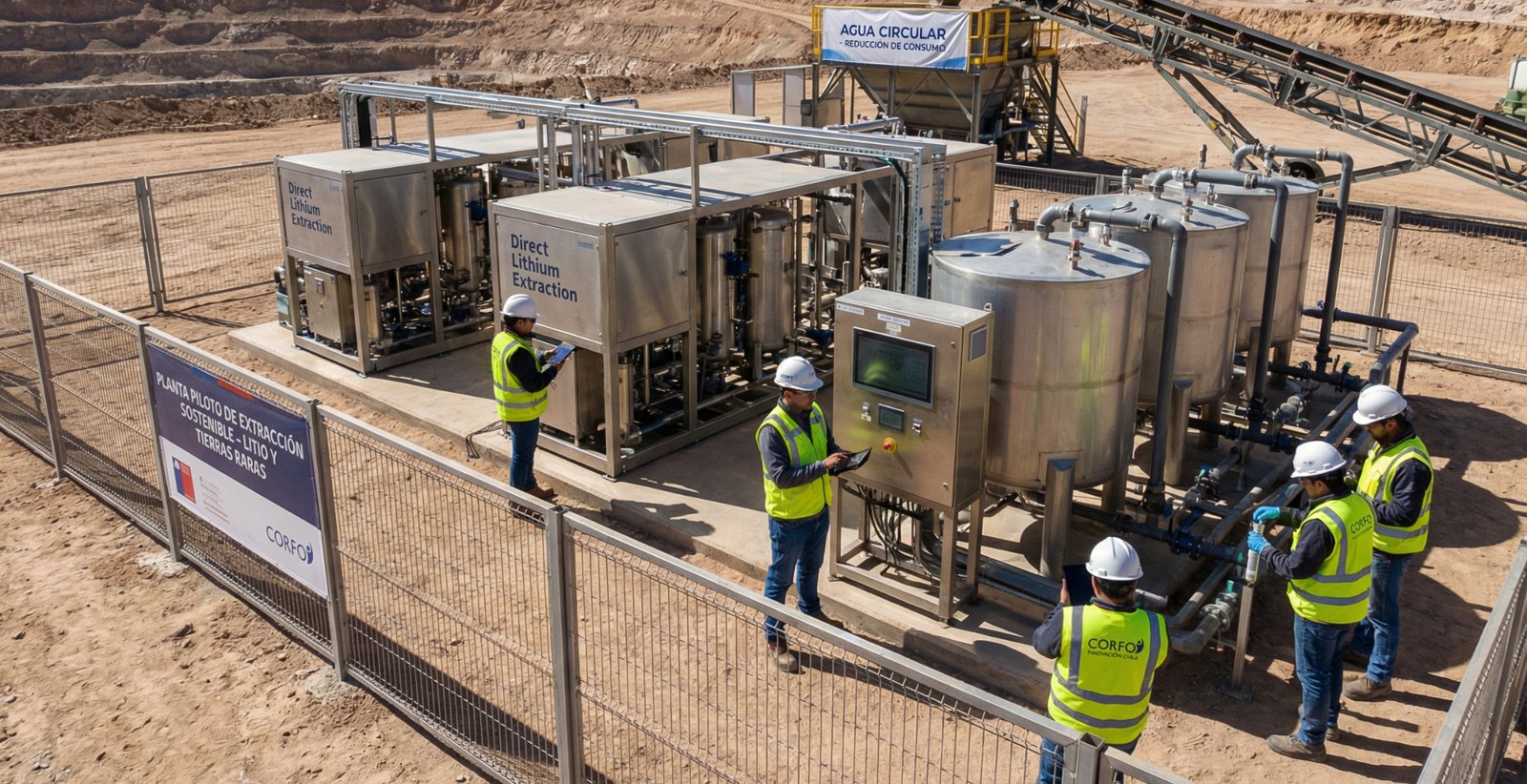
Chile is positioning itself as a critical player in the global battery and EV supply chain. The state-owned development agency, Corfo, has announced $5.8 million in funding for two strategic research projects targeting direct lithium extraction (DLE) and rare earth element recovery. These initiatives aim to boost mining innovation, foster a circular economy, and create…
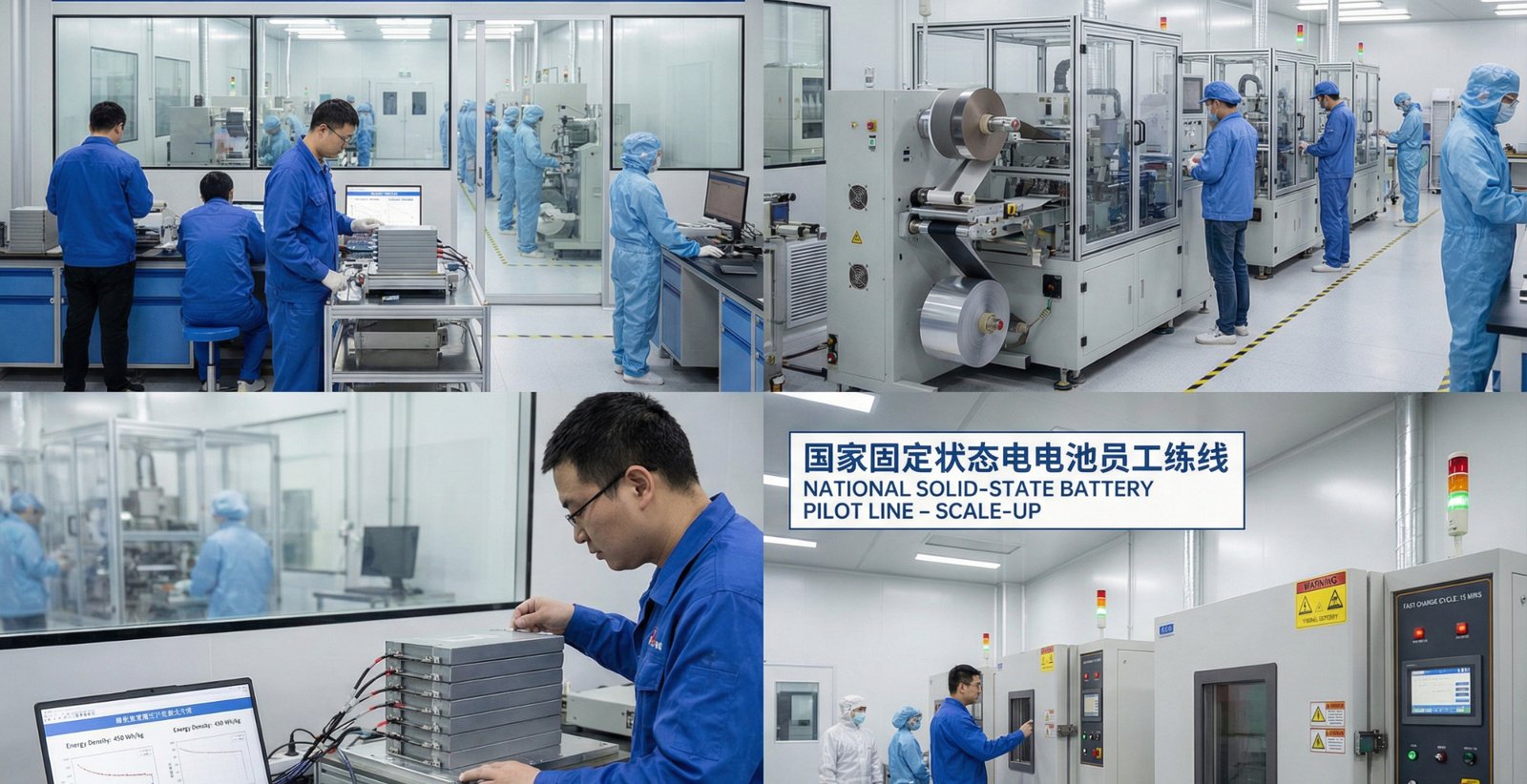
Solid-state batteries, long hailed as the next leap in electric mobility, promise higher energy density, faster charging, and improved safety. After nearly a decade of development, China is moving decisively toward commercial deployment, signaling a shift that could impact automakers, supply chains, and energy infrastructure worldwide.
Dongfeng Motor, a major Chinese state-owned automaker, targets a…
Executive Summary
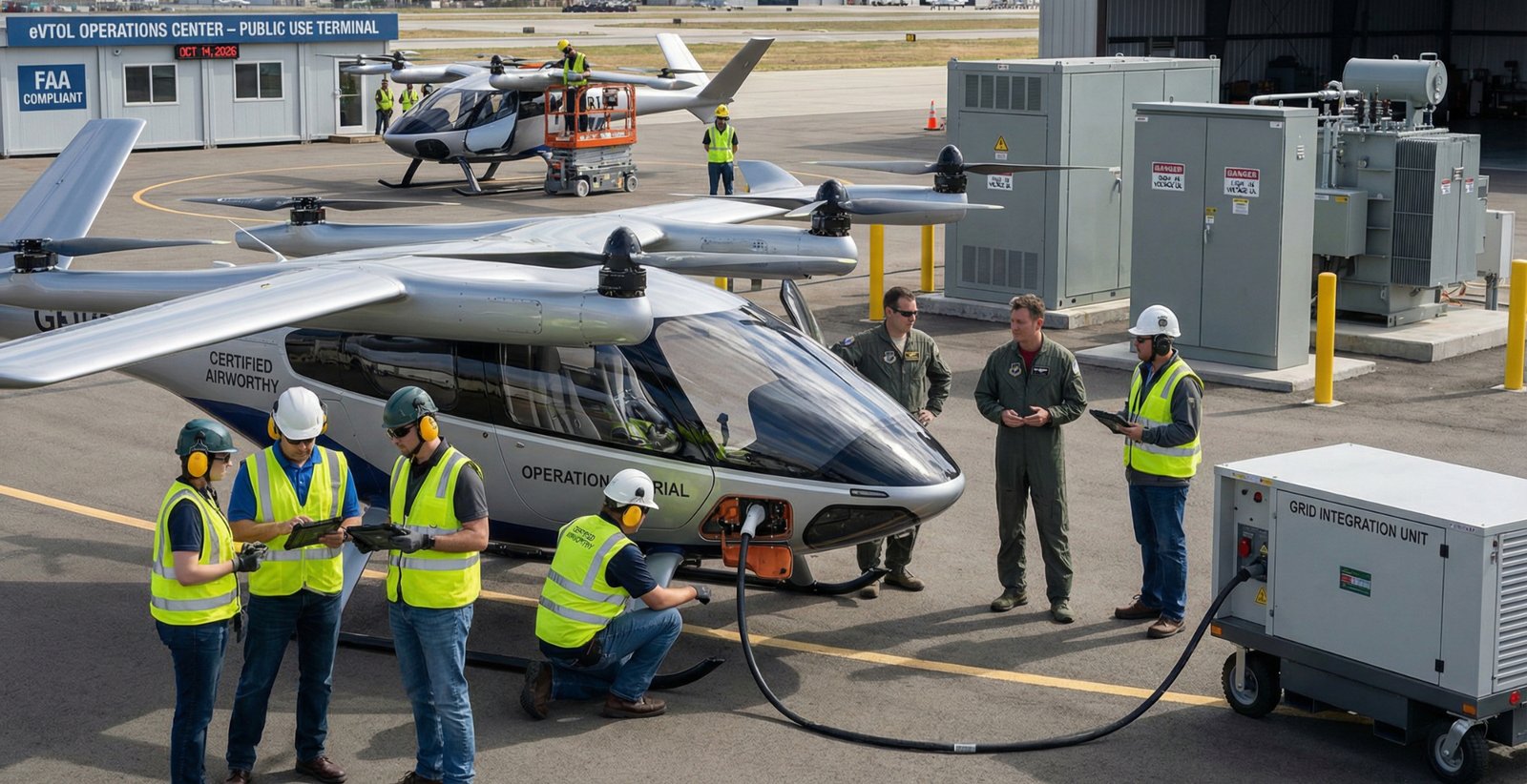
Electric aviation is transitioning from experimental promise to operational reality. While 2025 delivered unprecedented flight-testing milestones for electric air taxis and eVTOL aircraft, 2026 is poised to become the year when electric aviation begins to scale, integrate with real-world infrastructure, and generate early commercial revenue.
For C-level executives across aerospace, mobility, energy, infrastructure,…
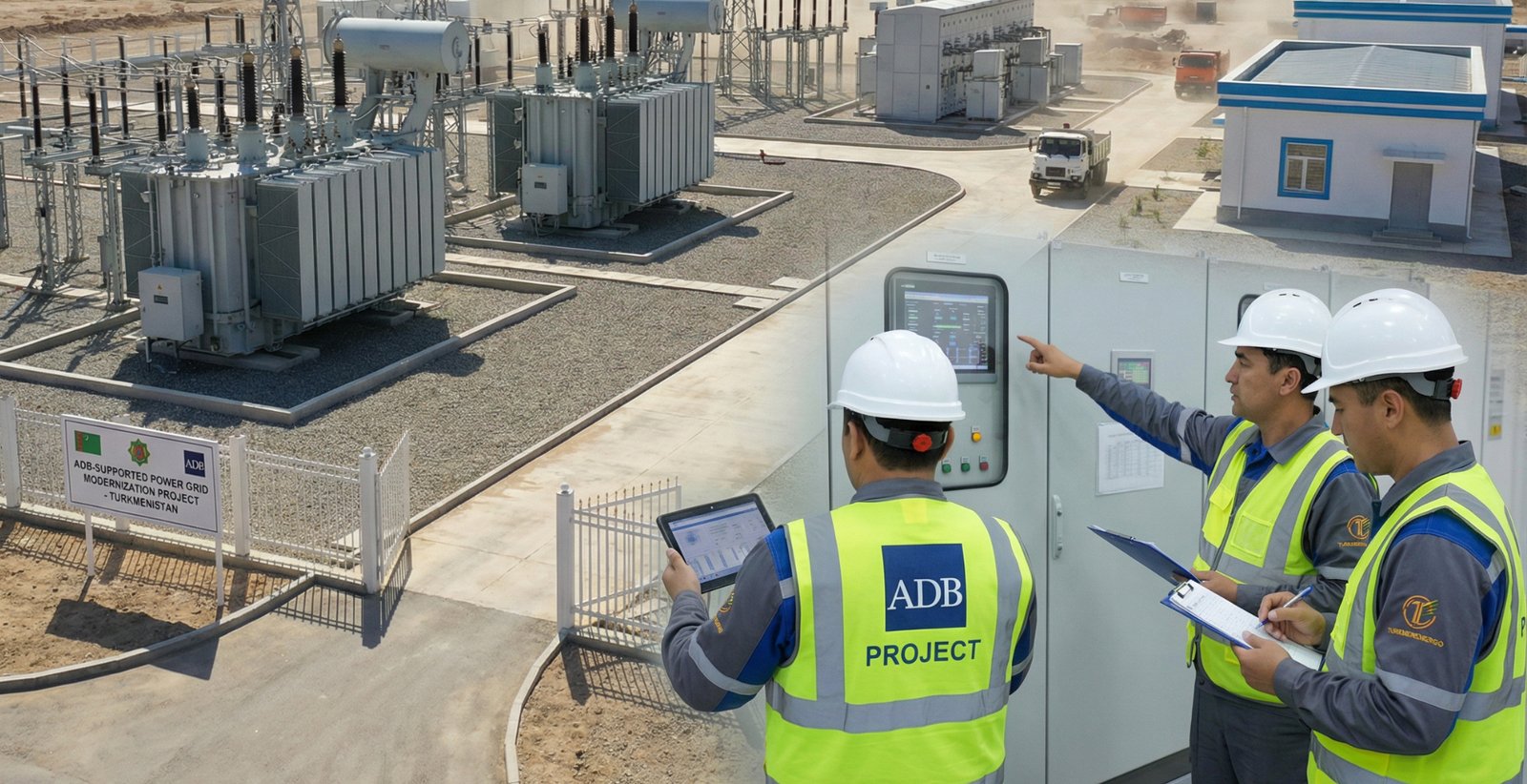
Power grid modernization has emerged as a strategic imperative for nations seeking energy security, economic resilience, and regional competitiveness. In Turkmenistan, this transformation is now gaining momentum through a landmark $500 million investment by the Asian Development Bank (ADB)-the first major engagement by an international financial institution in the country’s electricity sector.
Since 2018, ADB…
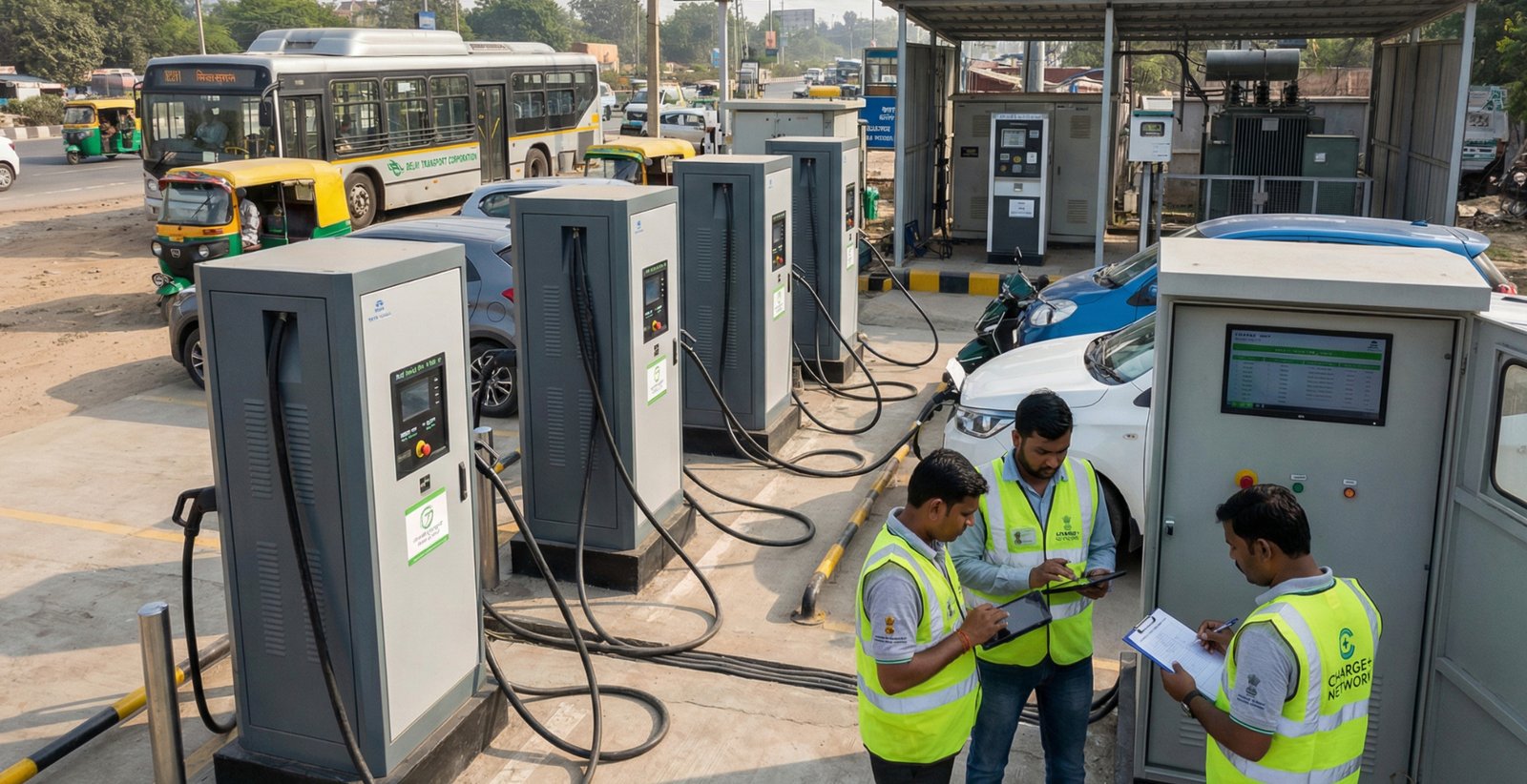
India is moving rapidly from early EV adoption to infrastructure-led electric mobility at scale. By 2026, the country’s EV charging ecosystem is expected to shift from fragmented rollout to structured, policy-backed maturity, with implications far beyond its borders.
Electric two-wheelers, buses, and commercial fleets are already mainstreaming EV adoption. The next phase-charging accessibility, grid integration,…
Executive Brief
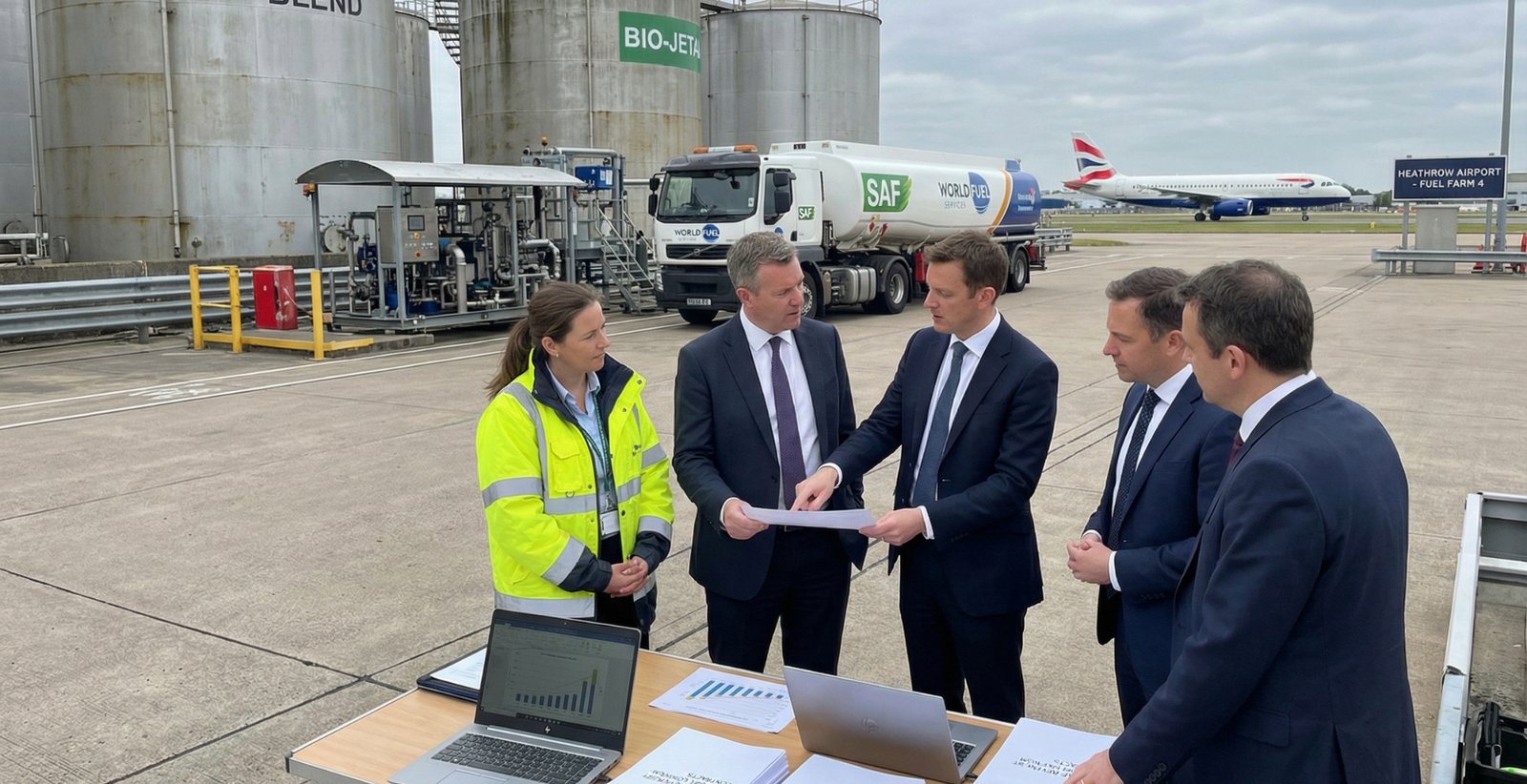
The UK government has launched an open consultation on the proposed Sustainable Aviation Fuel (SAF) Revenue Certainty Mechanism, marking a decisive step toward de-risking private investment in low-carbon aviation fuels. For C-suite leaders across energy, aviation, infrastructure, and finance, this initiative represents more than regulatory housekeeping-it is a strategic market signal designed to…
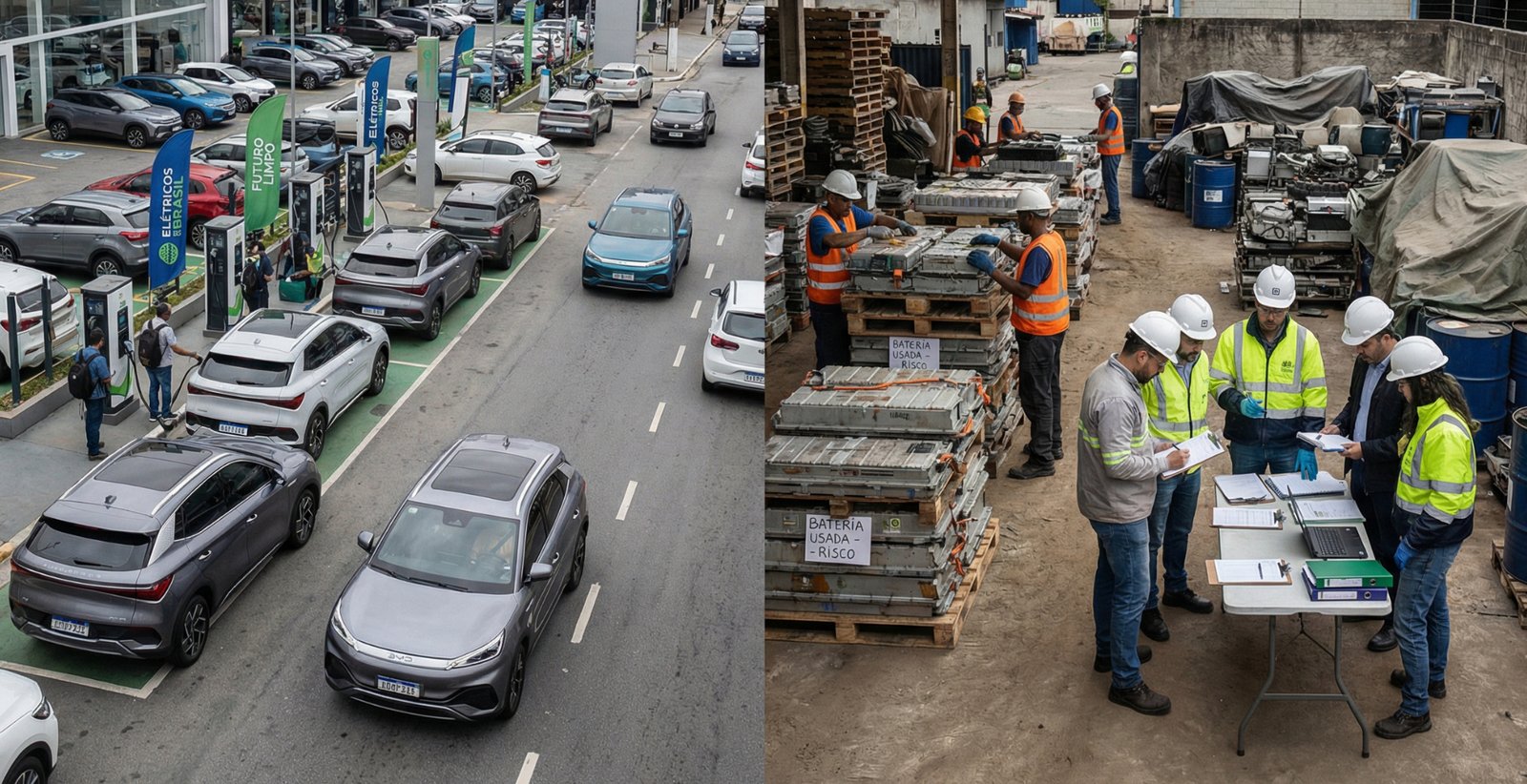
Brazil’s electric vehicle market is expanding at record speed, driven largely by Chinese automakers. Yet behind the surge in EV adoption lies a structural vulnerability that demands urgent executive attention: battery end-of-life management.
With more than 500,000 electric and hybrid vehicles now on Brazilian roads, the country is approaching a phase where large volumes of…
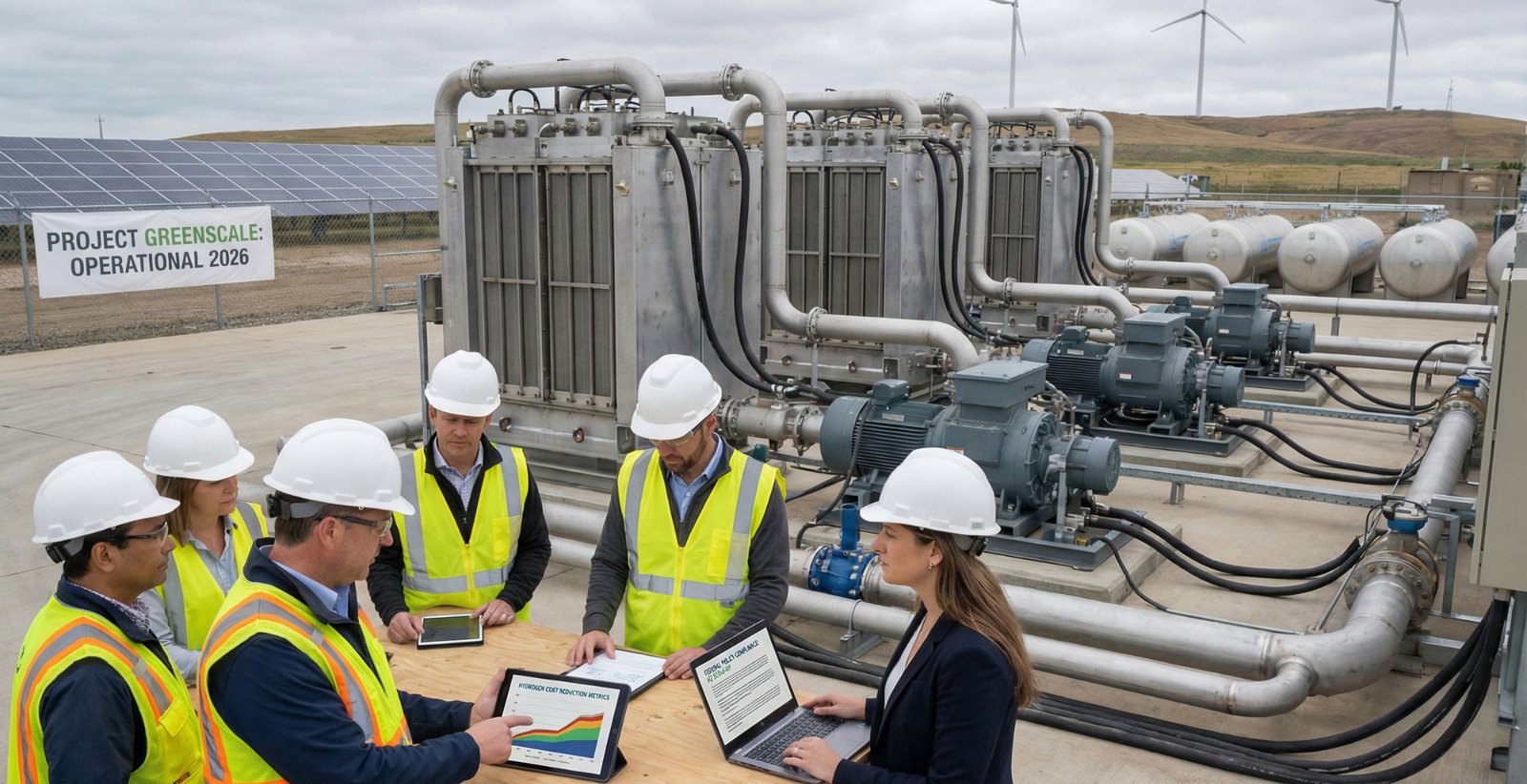
Green hydrogen has moved beyond speculative promise. In 2026, it stands at the threshold of commercial relevance-reshaping how governments, industrial operators, and capital markets approach deep decarbonization. Produced through renewable-powered electrolysis, green hydrogen offers a zero-carbon pathway for sectors where electrification alone is insufficient, including steel, chemicals, shipping, aviation, and grid-scale energy storage.
After years…
Executive Summary
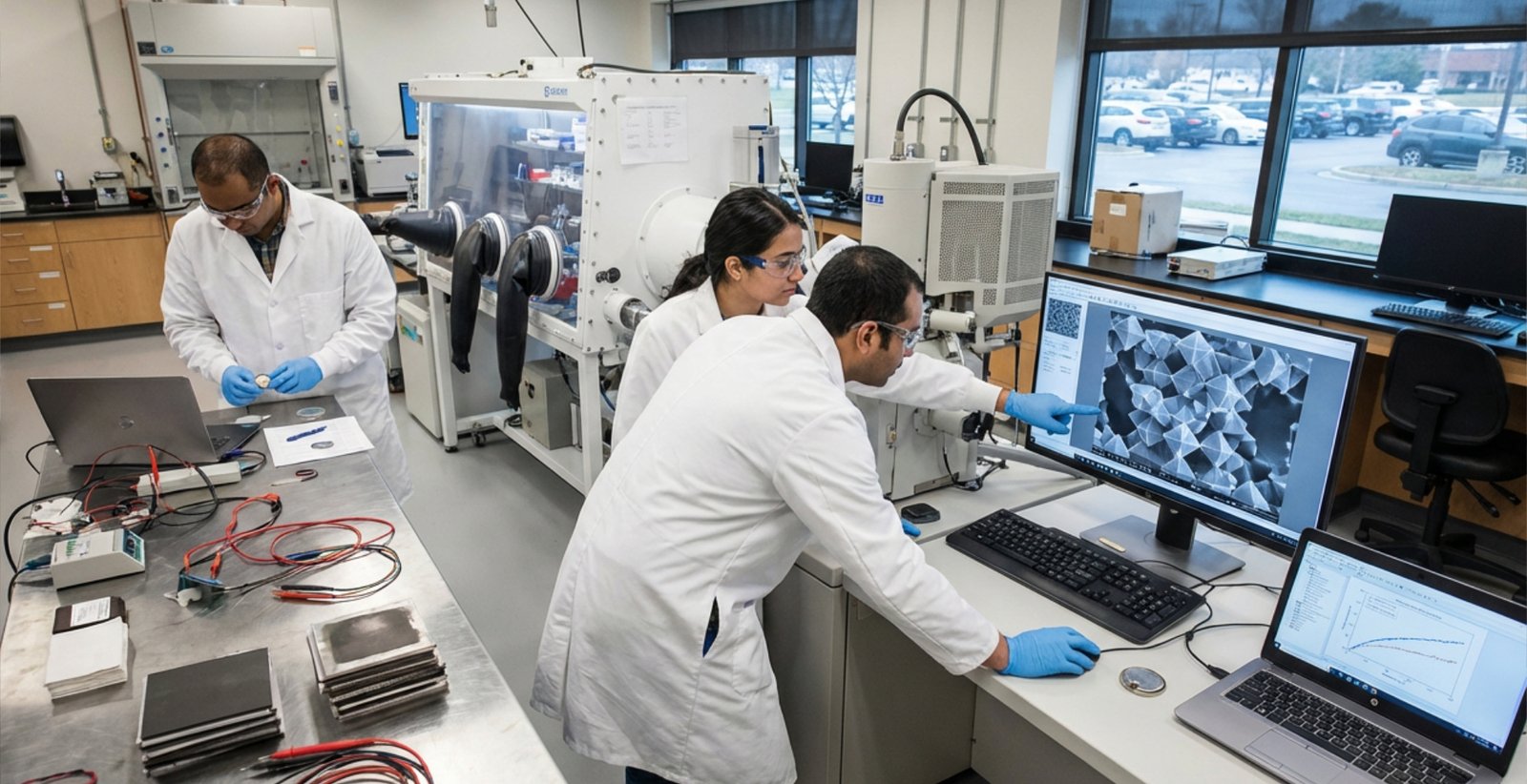
A breakthrough study from Argonne National Laboratory and UChicago Pritzker School of Molecular Engineering has revealed the hidden flaw behind underperforming single-crystal lithium-ion batteries. The findings redefine how electric vehicle (EV) batteries degrade and provide a roadmap to longer-lasting, safer, and more reliable EV power systems.
For automotive manufacturers, battery suppliers, and investors,…
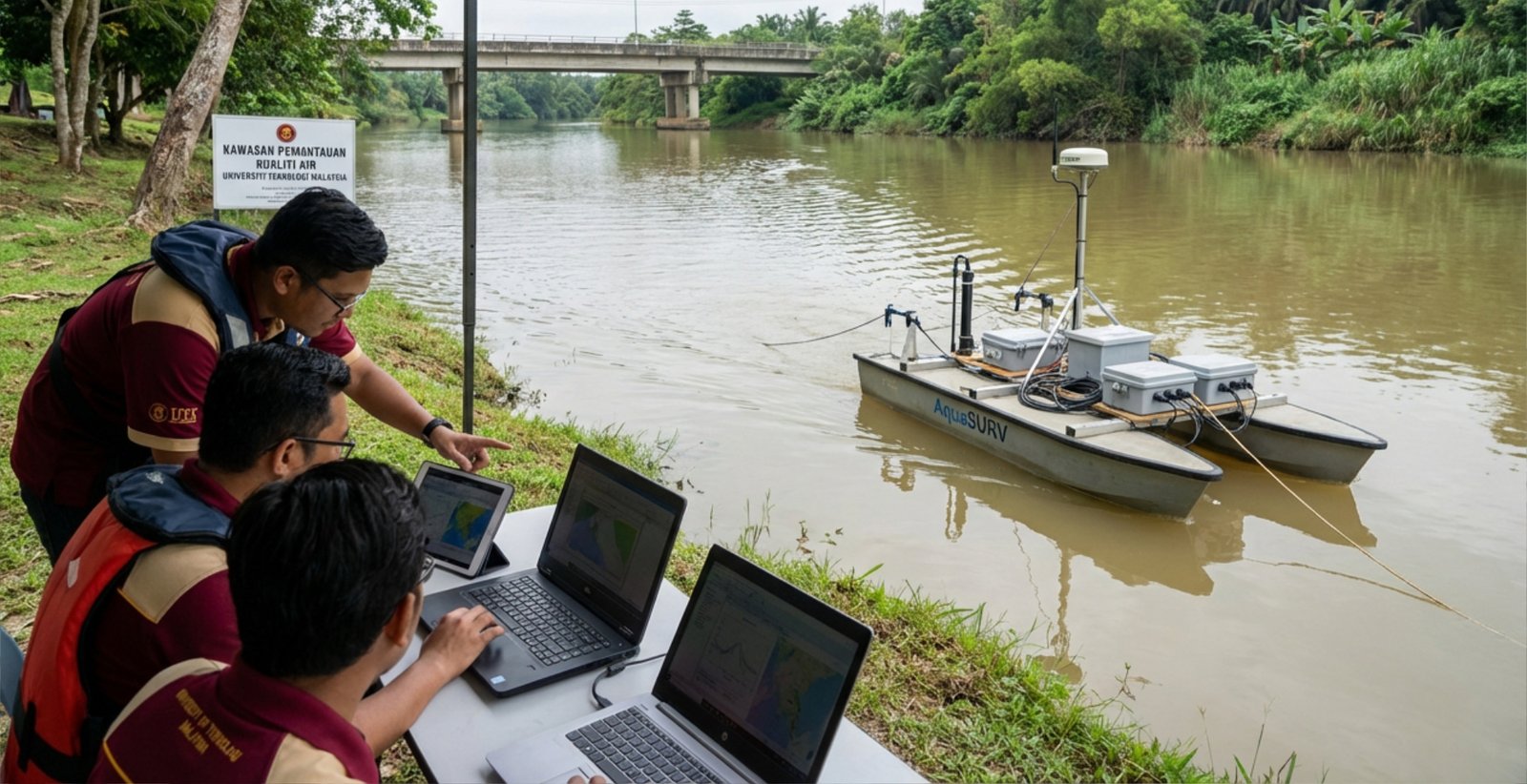
As water pollution continues to pose environmental and public safety risks, researchers at Universiti Teknologi Malaysia (UTM) have introduced AquaSURV, an unmanned surface vehicle (USV) designed to modernise water quality monitoring through automation, remote sensing and continuous data capture.
The platform addresses the structural limitations of manual sampling-episodic data, personnel exposure to hazards and delayed…
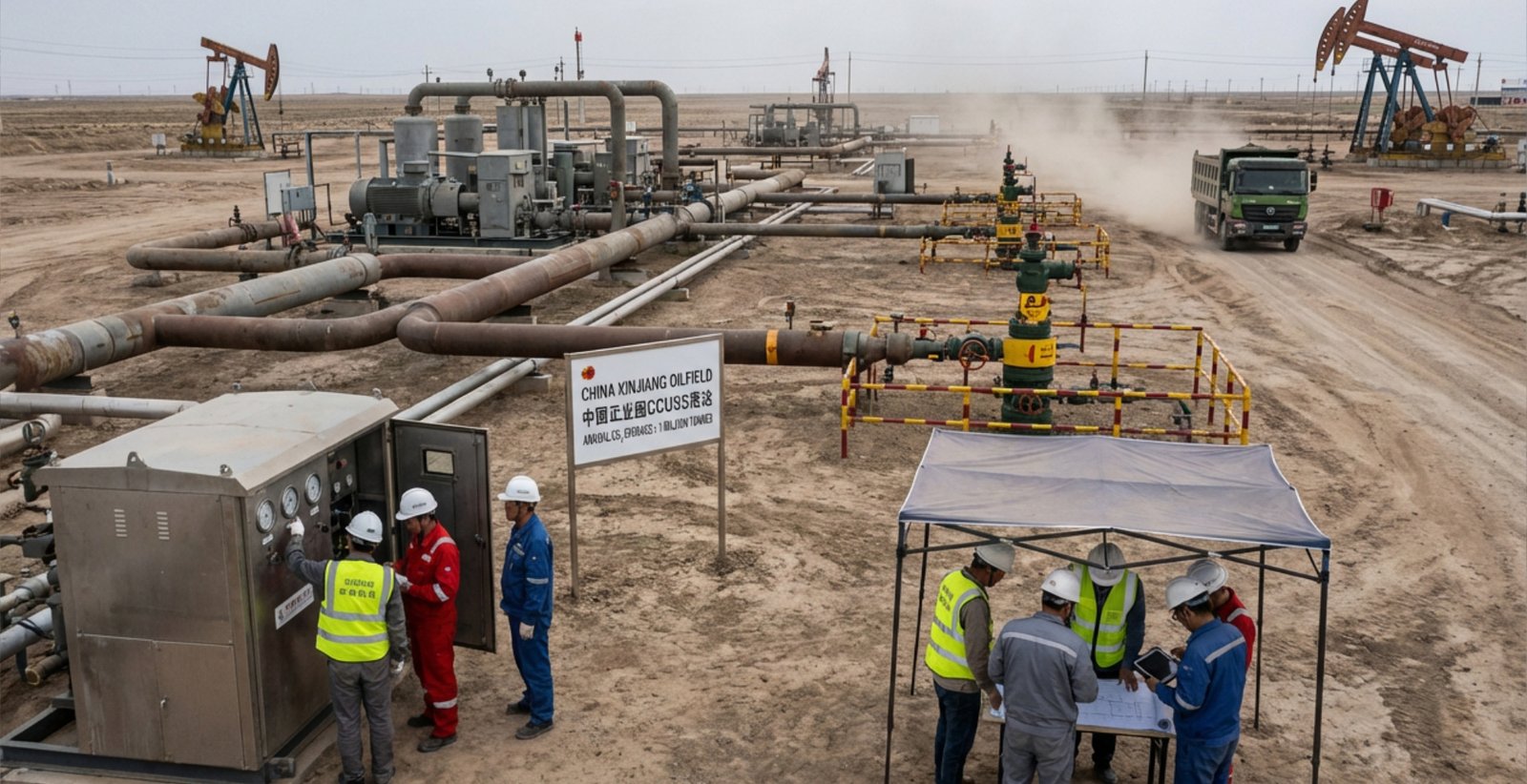
China’s Xinjiang Oilfield has surpassed one million tonnes of annual carbon dioxide (CO₂) storage, marking a decisive breakthrough in the industrial-scale deployment of carbon capture, utilization and storage (CCUS) technologies.
The achievement positions Xinjiang Oilfield-one of China’s most significant oil production bases-as a national leader in integrating emissions reduction with energy production at scale.
For…
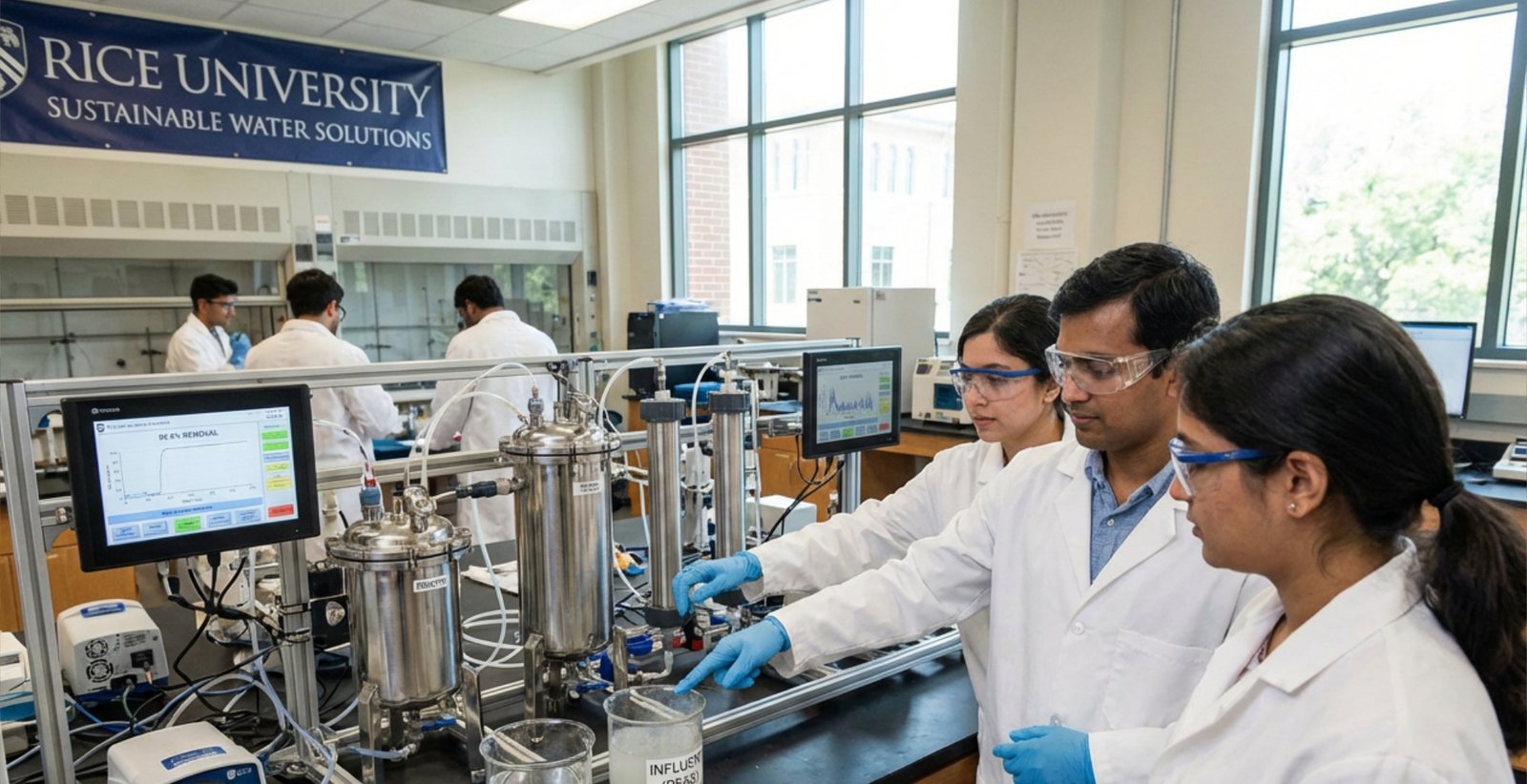
A research team led by Rice University, in collaboration with international partners, has developed the first environmentally sustainable technology capable of rapidly capturing and breaking down PFAS in water. The findings, recently published in Advanced Materials, mark a significant advance against one of the most persistent environmental threats facing governments, utilities, and industry.
The work…