Skip to content Skip to sidebar Skip to footer
Seeing Machines Establishes Future Mobility Group to Accelerate Autonomous Vehicle Commercialisation

Seeing Machines Establishes Future Mobility Group to Accelerate Autonomous Vehicle Commercialisation

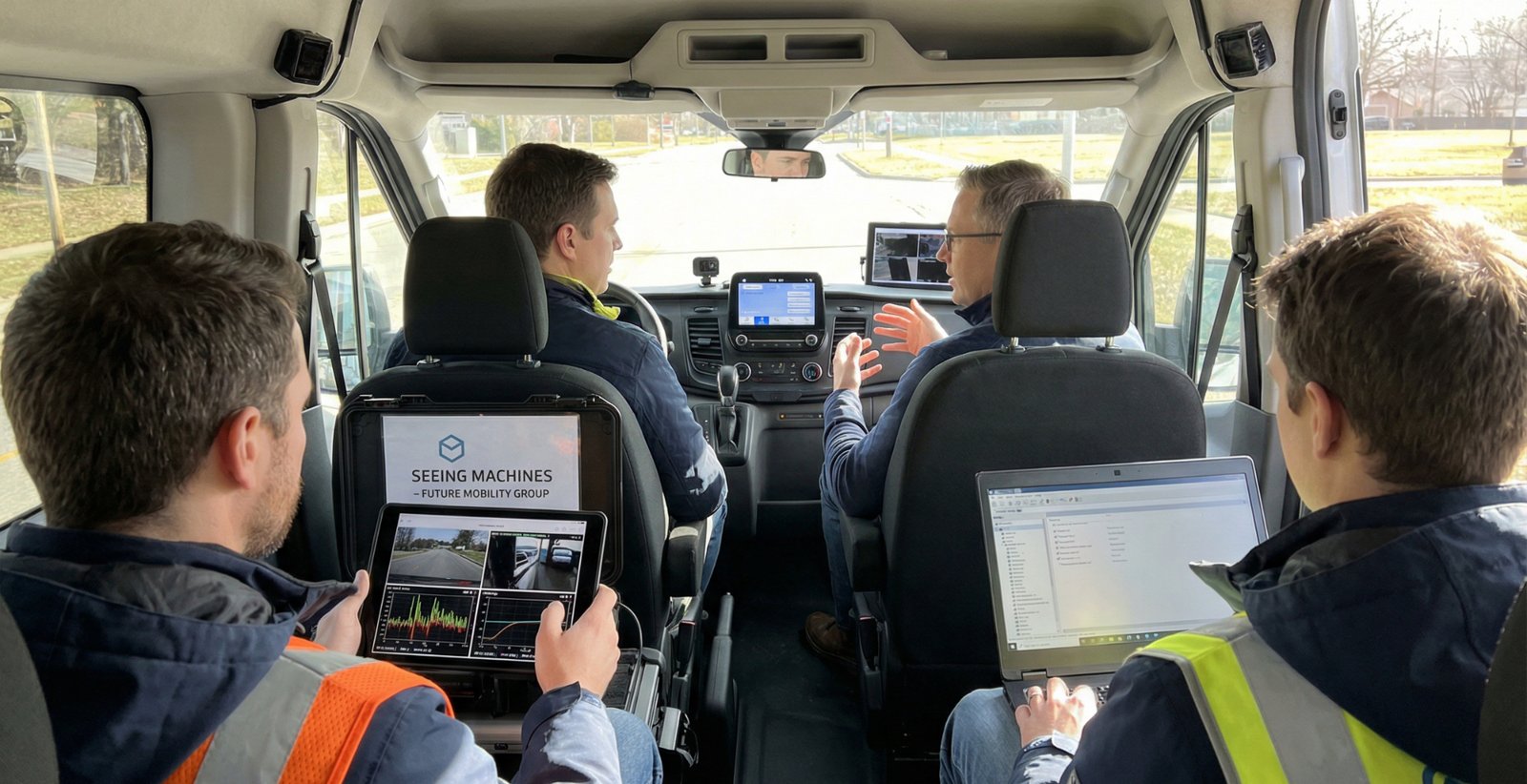
As autonomous vehicle programs transition from experimentation to commercial reality, Seeing Machines has announced the launch of a dedicated Future Mobility Group, reinforcing its strategic focus on safety, scalability, and human-cantered autonomy. The new group is designed to support OEMs and autonomous vehicle (AV) developers as they integrate production-ready driver and occupant monitoring systems (DMS/OMS)…
Read More

Electric Aircraft Market Outlook 2026–2035: From Experimental to Economically Inevitable

Electric Aircraft Market Outlook 2026–2035: From Experimental to Economically Inevitable

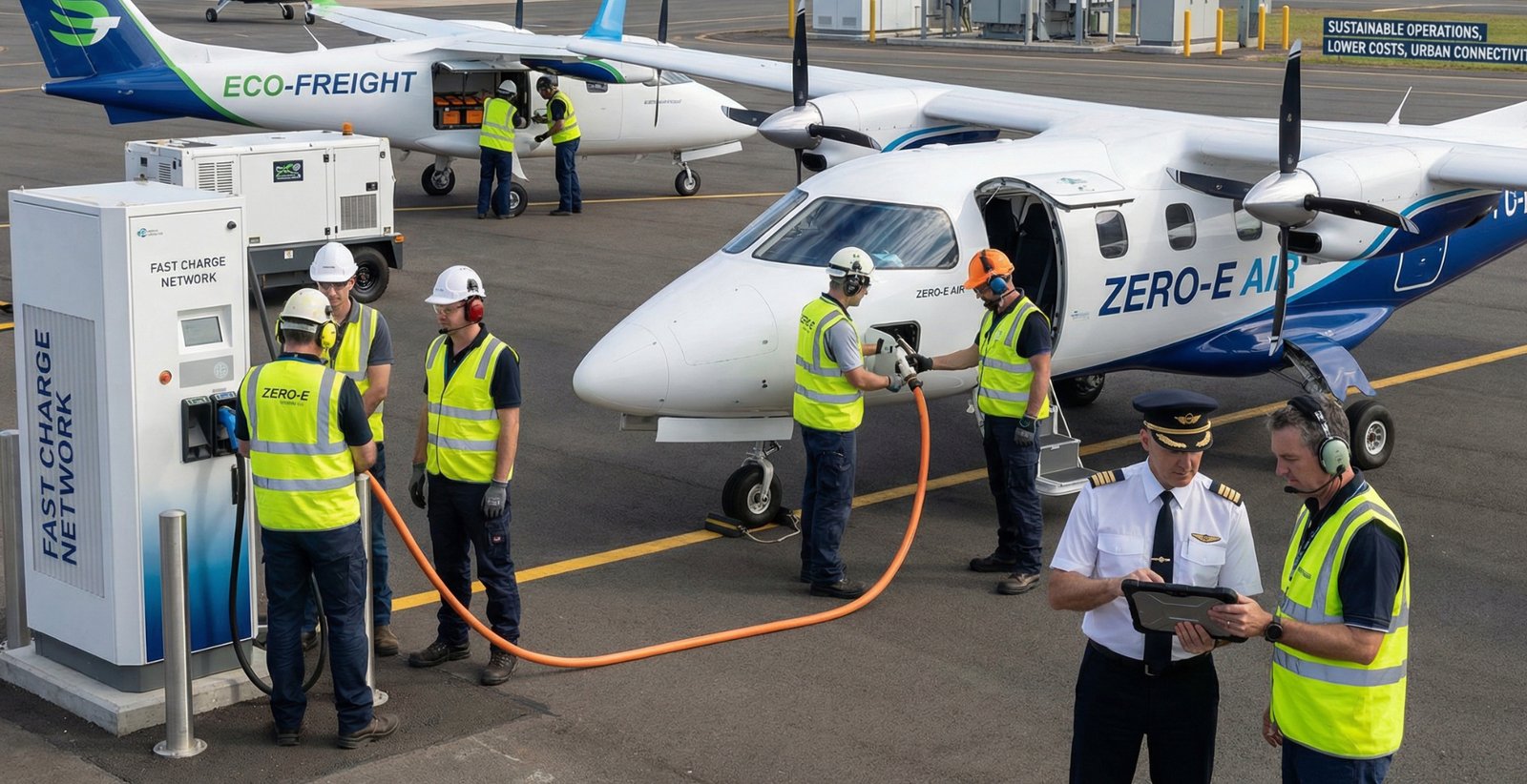
The global electric aircraft market is entering a decisive growth phase as sustainability mandates, urban mobility demands, and propulsion breakthroughs converge. Valued at USD 13.83 billion in 2025, the market is projected to reach USD 81.35 billion by 2035, expanding at a robust CAGR of 19.39% between 2026 and 2035. For aviation leaders, infrastructure investors,…

Read More

The Eight EV Charging Industry Trends That Defined 2025 – And What They Signal for the Decade Ahead

The Eight EV Charging Industry Trends That Defined 2025 – And What They Signal for the Decade Ahead

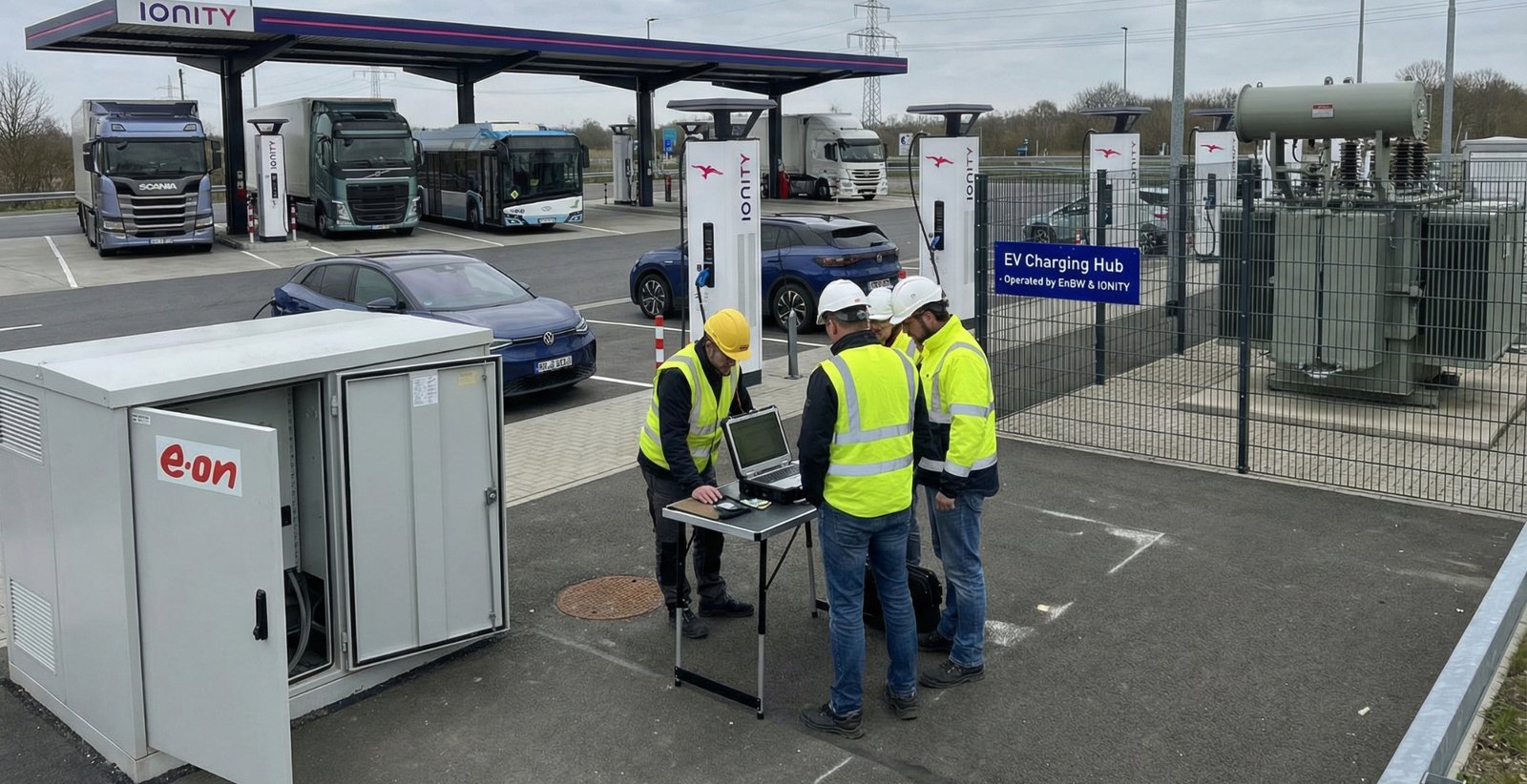
The European EV charging sector crossed a strategic threshold in 2025. What was once a fragmented deployment race has matured into a continent-wide infrastructure buildout, shaped by regulation, capital markets, grid realities, and rapidly evolving user expectations. With 2.5 million new battery-electric vehicles added in a single year and over 18% of new car sales…

Read More

Thailand Launches 1% SAF Mandate, Pioneering Sustainable Aviation in Southeast Asia

Thailand Launches 1% SAF Mandate, Pioneering Sustainable Aviation in Southeast Asia

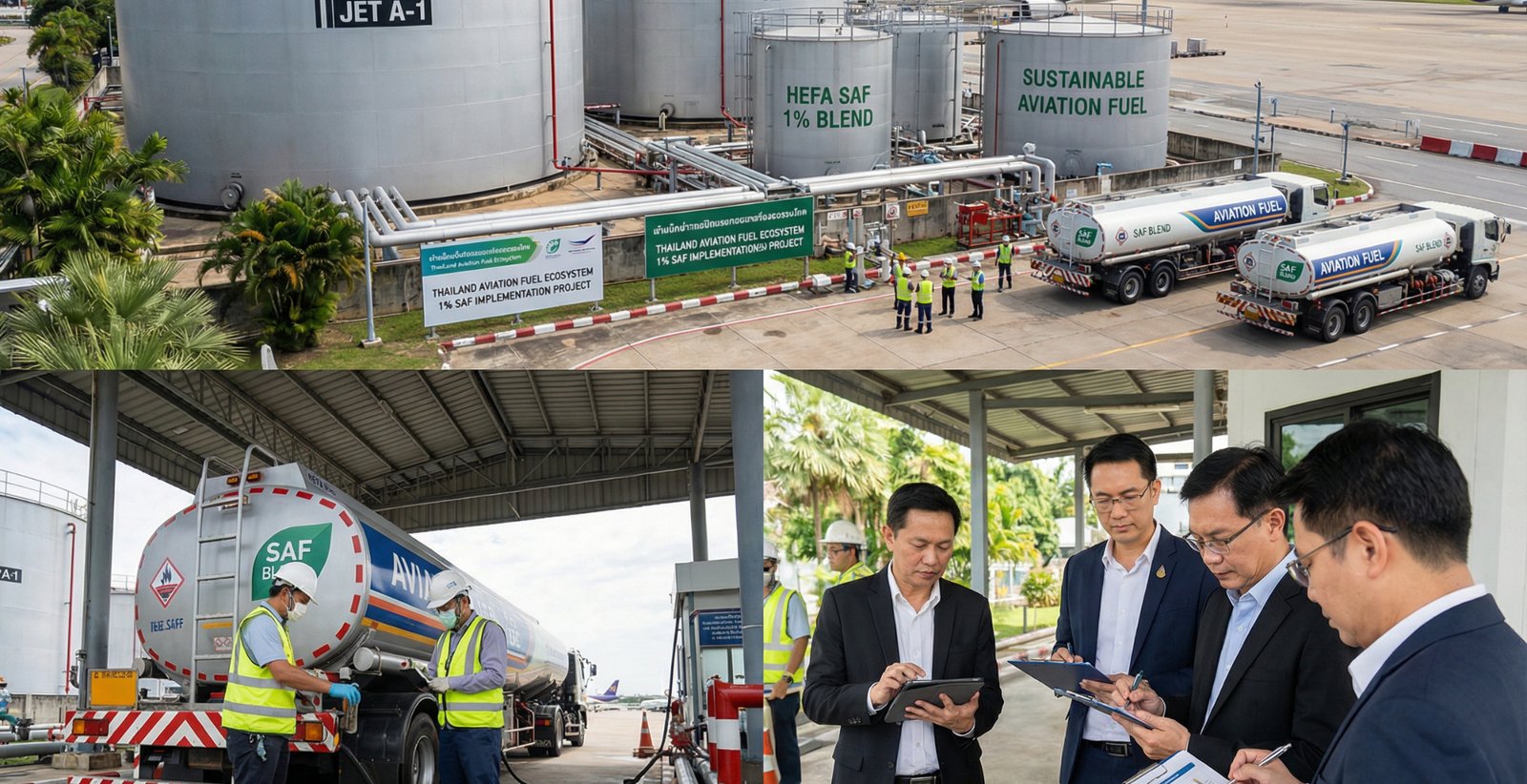
Thailand has formally entered a new era of sustainable aviation with the implementation of a 1% Sustainable Aviation Fuel (SAF) blend in Jet A-1 fuel starting January 1, 2026. The Department of Energy Business (DEB) has issued standards that classify jet fuel into three categories: conventional Jet A-1, co-hydroprocessed fuel, and Jet A-1 blended with…

Read More

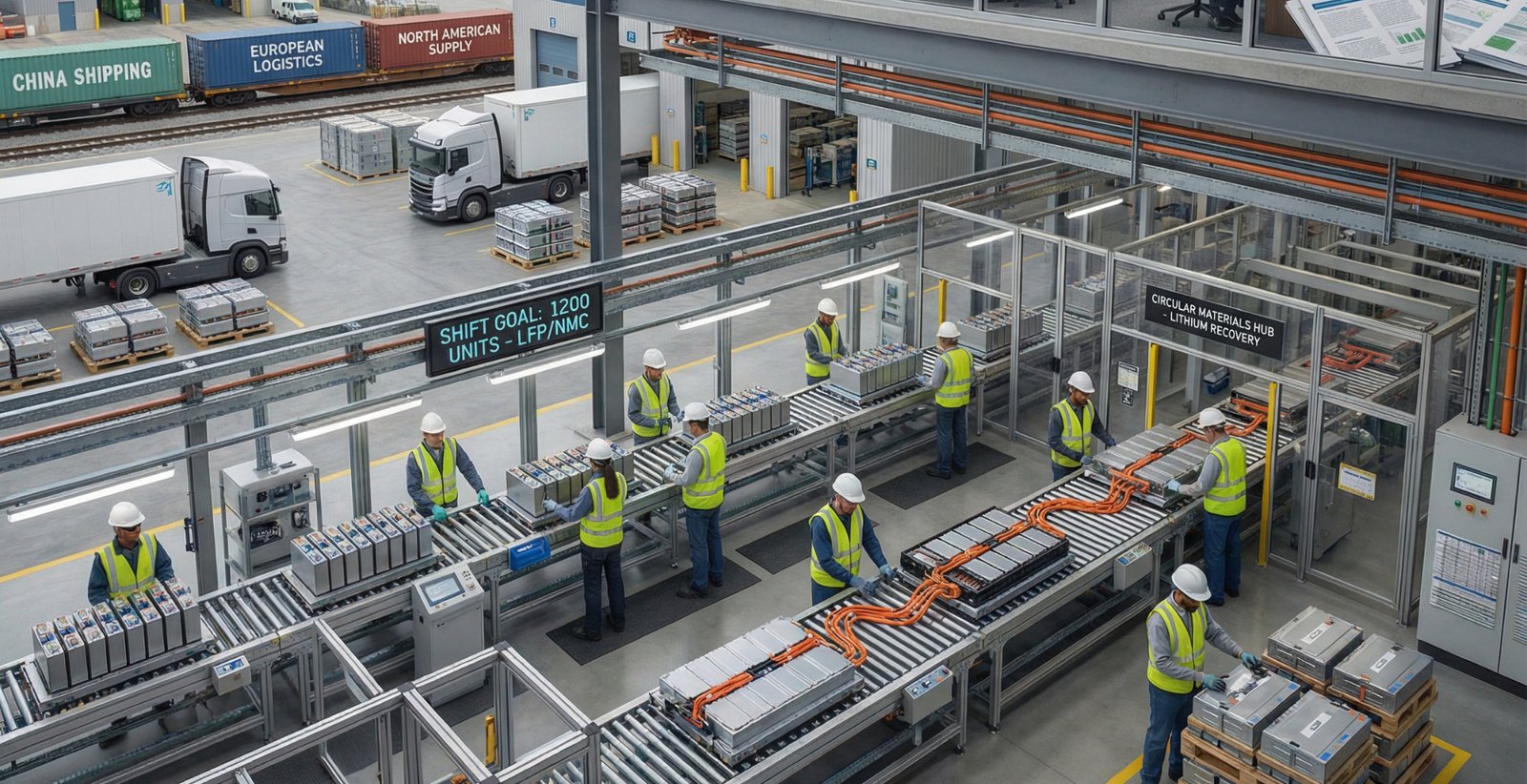
Battery Recycling and Second-Life Batteries: Regulation, Traceability, and the Next Circular Economy Flywheel

Battery Recycling and Second-Life Batteries: Regulation, Traceability, and the Next Circular Economy Flywheel

The global battery industry is entering a structural transformation. What was once viewed as an environmental obligation is now becoming a strategic growth engine, driven by regulation, data transparency, and supply chain security. Between 2025 and 2035, the battery recycling and second-life battery market is set to move decisively from fragmented experimentation to industrial-scale deployment,…

Read More

Namibia Sets Benchmark with One of Africa’s First Green Hydrogen Port Projects

Namibia Sets Benchmark with One of Africa’s First Green Hydrogen Port Projects

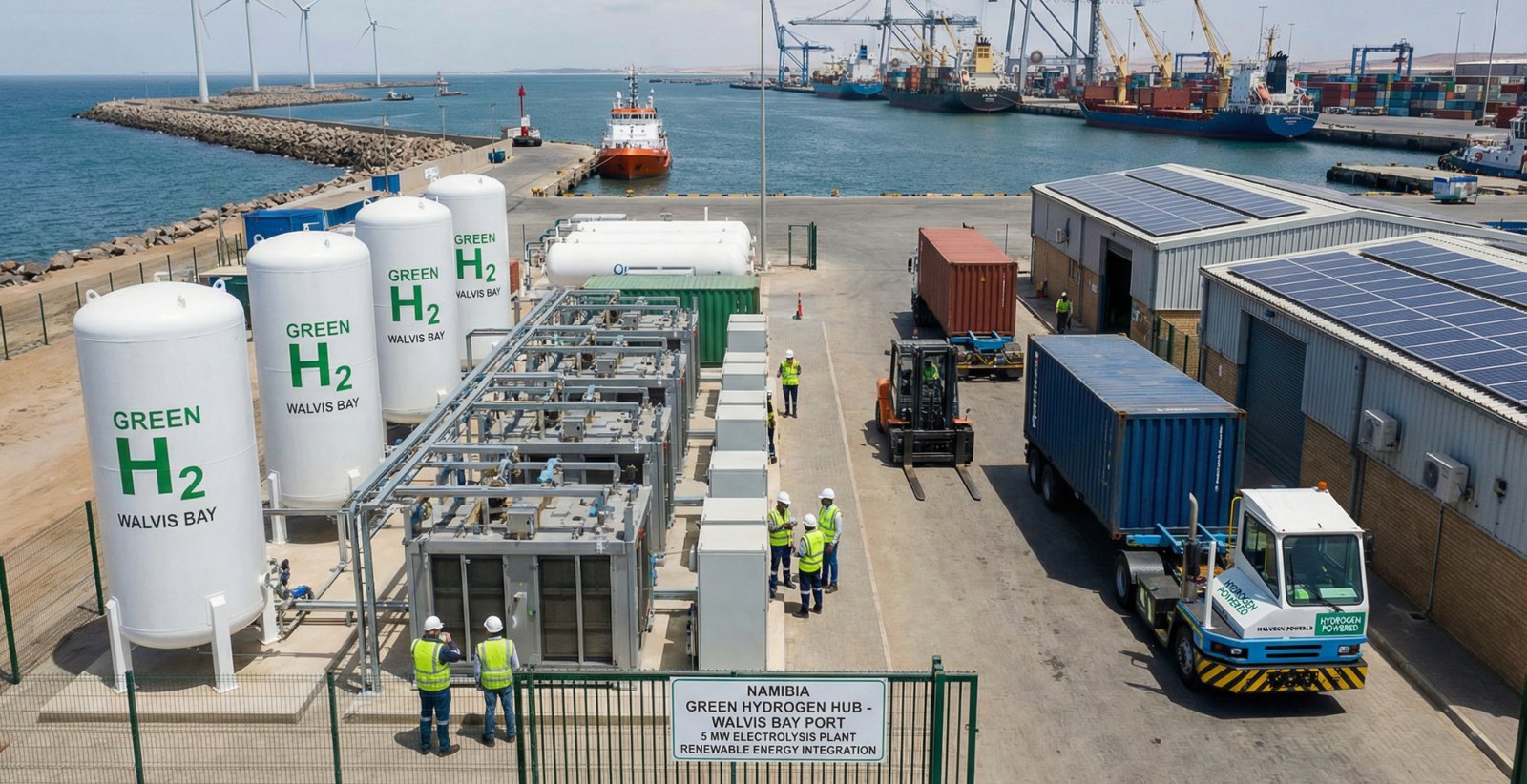
Namibia has established a strategic precedent for Africa’s energy transition with the launch of a 5 MW green hydrogen plant at Walvis Bay port in December 2025. Developed by Plug Power in partnership with Cleanergy Solutions Namibia, this facility is among the first fully integrated, renewable-powered green hydrogen ports on the continent. Integrated Green Hydrogen…

Read More

Electric Vehicle & Battery Supply Chain: 5 Critical Trends for 2026

Electric Vehicle & Battery Supply Chain: 5 Critical Trends for 2026

The electric vehicle (EV) and battery market is entering a pivotal stage of maturation. Regulatory shifts, technological innovation, and strategic supply chain adjustments are converging to make 2026 a watershed year for global electrification. 1. Chinese EVs Lead Global Electrification China remains the primary engine of EV adoption, supplying vehicles and batteries that influence markets…

Read More

The Future of Smart Water Infrastructure: How Data-Driven Platforms Will Redefine Municipal Resilience in 2026

The Future of Smart Water Infrastructure: How Data-Driven Platforms Will Redefine Municipal Resilience in 2026

As global water systems face rising demand, aging infrastructure, and mounting climate pressure, smart water infrastructure has shifted from innovation to necessity. In 2026, forward-looking municipalities are no longer asking whether to digitize water networks-but how fast they can do so without compromising reliability, affordability, or public trust. For C-level executives overseeing utilities, infrastructure investment,…

Read More

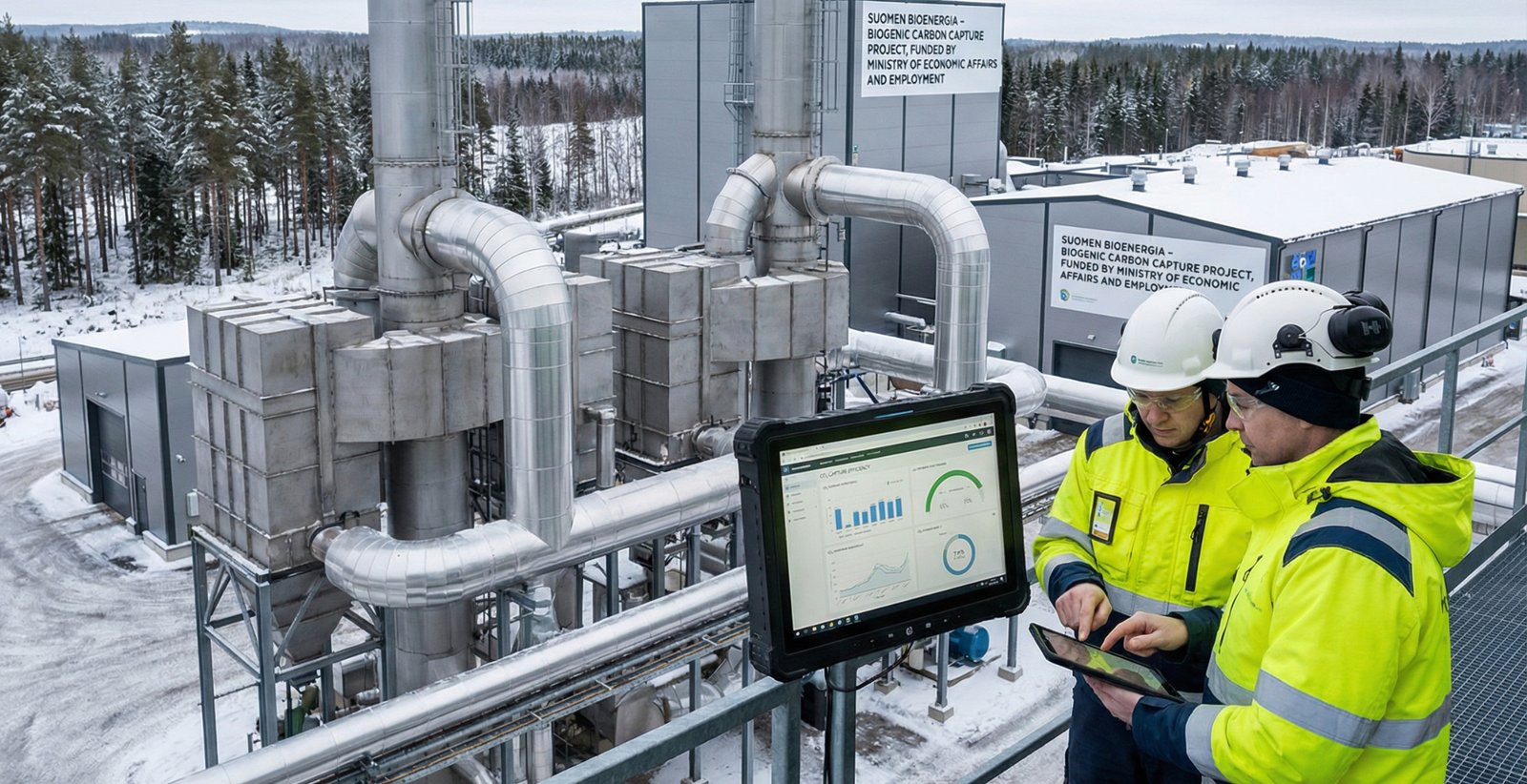
Finland’s EUR 90M Biogenic Carbon Capture Program Signals Global Industrial Decarbonization Shift

Finland’s EUR 90M Biogenic Carbon Capture Program Signals Global Industrial Decarbonization Shift

January 12, 2026 – Finland is taking a decisive step to position itself at the forefront of industrial-scale carbon removal with the launch of a EUR 90 million investment aid program for biogenic carbon capture projects. Open for applications until 31 March 2026, this initiative signals a new era of strategic, market-driven decarbonization with potential…

Read More

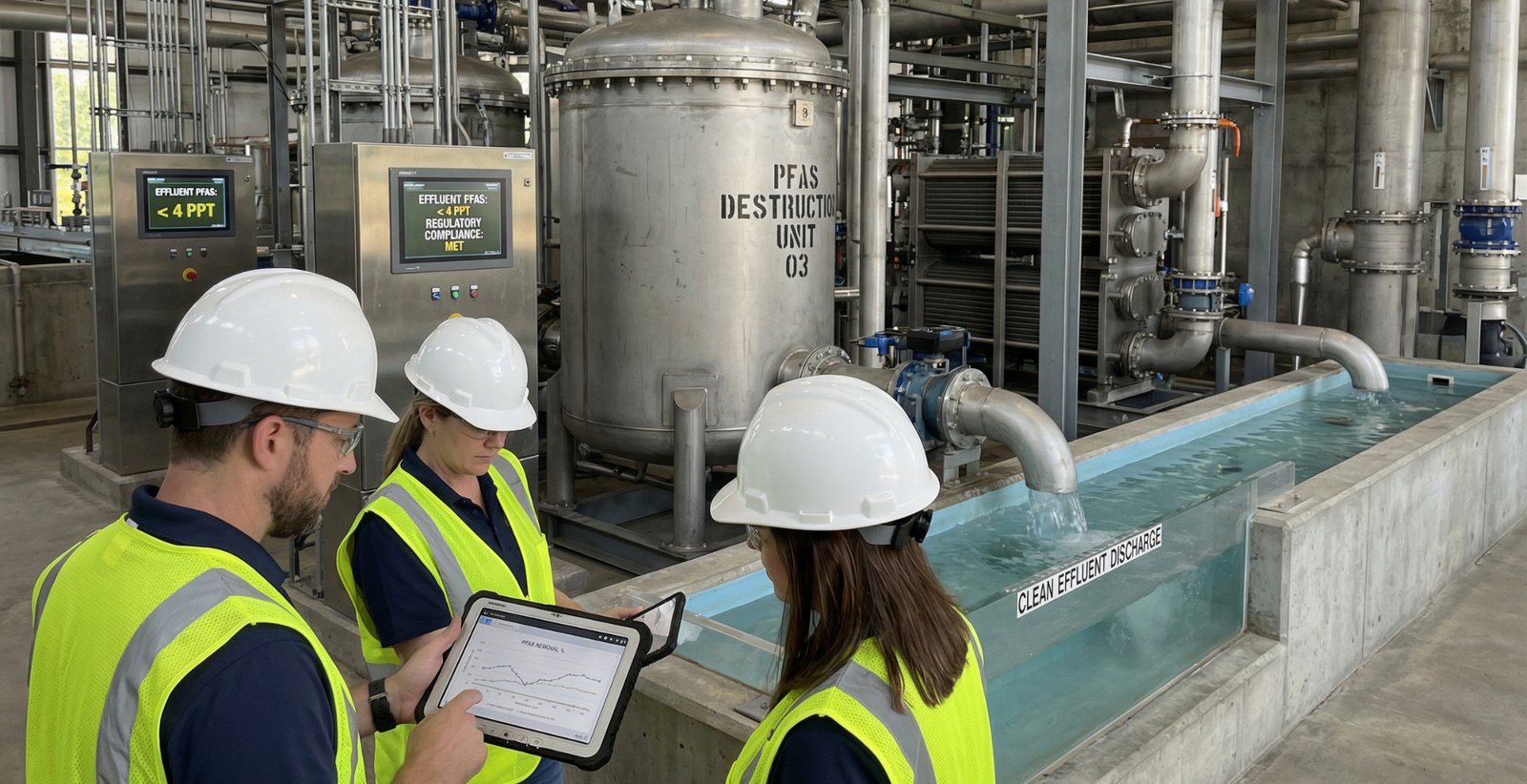
From Containment to Elimination: Why Commercial-Scale PFAS Destruction Is the Only Viable Path Forward in 2026

From Containment to Elimination: Why Commercial-Scale PFAS Destruction Is the Only Viable Path Forward in 2026

As regulatory pressure on per- and polyfluoroalkyl substances (PFAS) intensifies worldwide, industrial leaders are confronting a hard truth: traditional PFAS treatment methods are no longer sufficient. In 2026, the market is moving decisively away from “capture and contain” strategies toward verified, commercial-scale PFAS destruction. For executives responsible for environmental compliance, operational risk, and long-term capital…

Read More

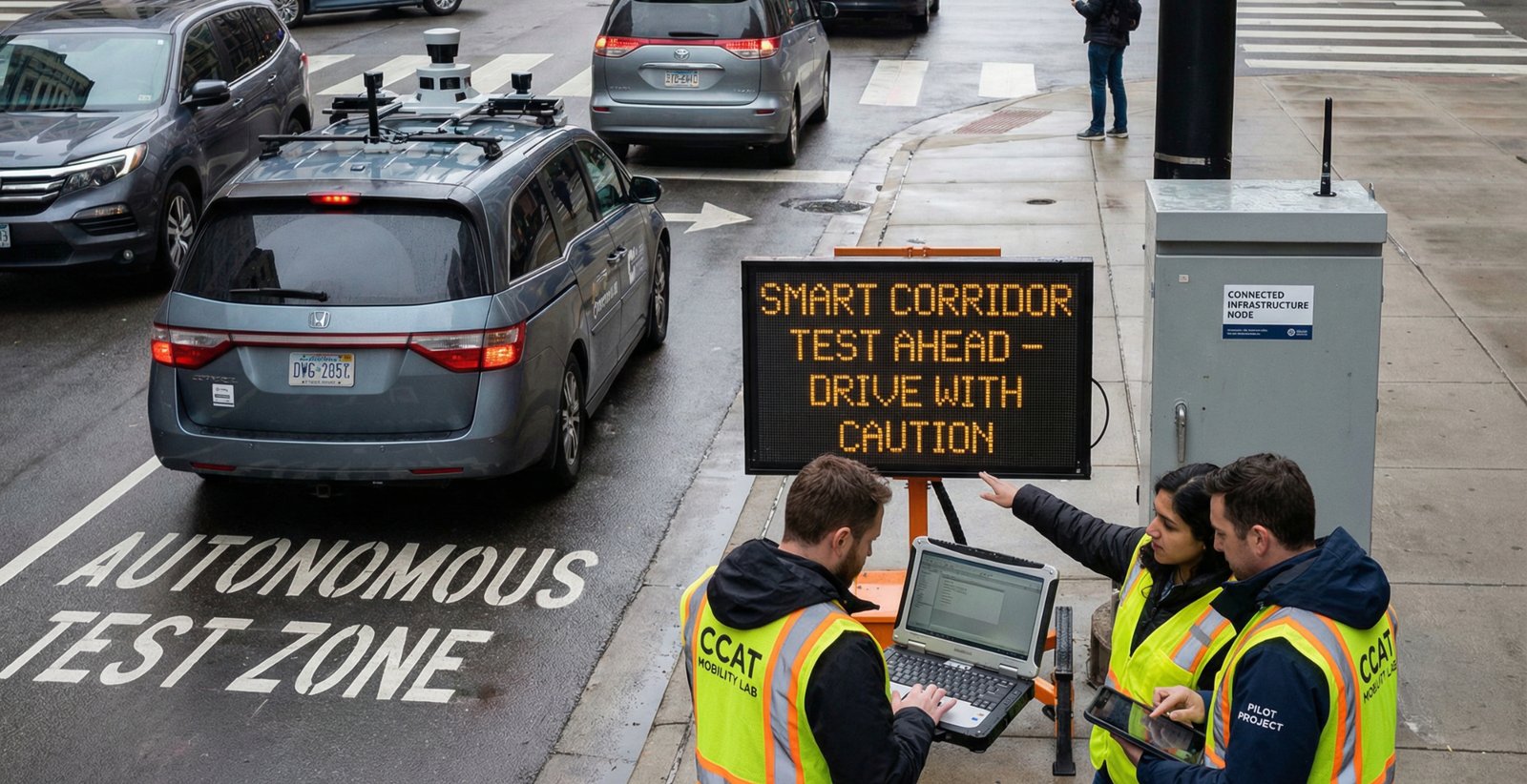
Advancing Autonomous Mobility: Why CCAT’s 2026 Funding Call Signals the Next Phase of Connected Transportation

Advancing Autonomous Mobility: Why CCAT’s 2026 Funding Call Signals the Next Phase of Connected Transportation

The future of autonomous mobility is no longer theoretical-it is being actively shaped by targeted public investment, advanced research infrastructure, and a clear federal mandate. A new funding opportunity issued by the Center for Connected and Automated Transportation (CCAT) underscores how rapidly the United States is moving toward real-world deployment of connected and automated mobility…

Read More

Go to Top