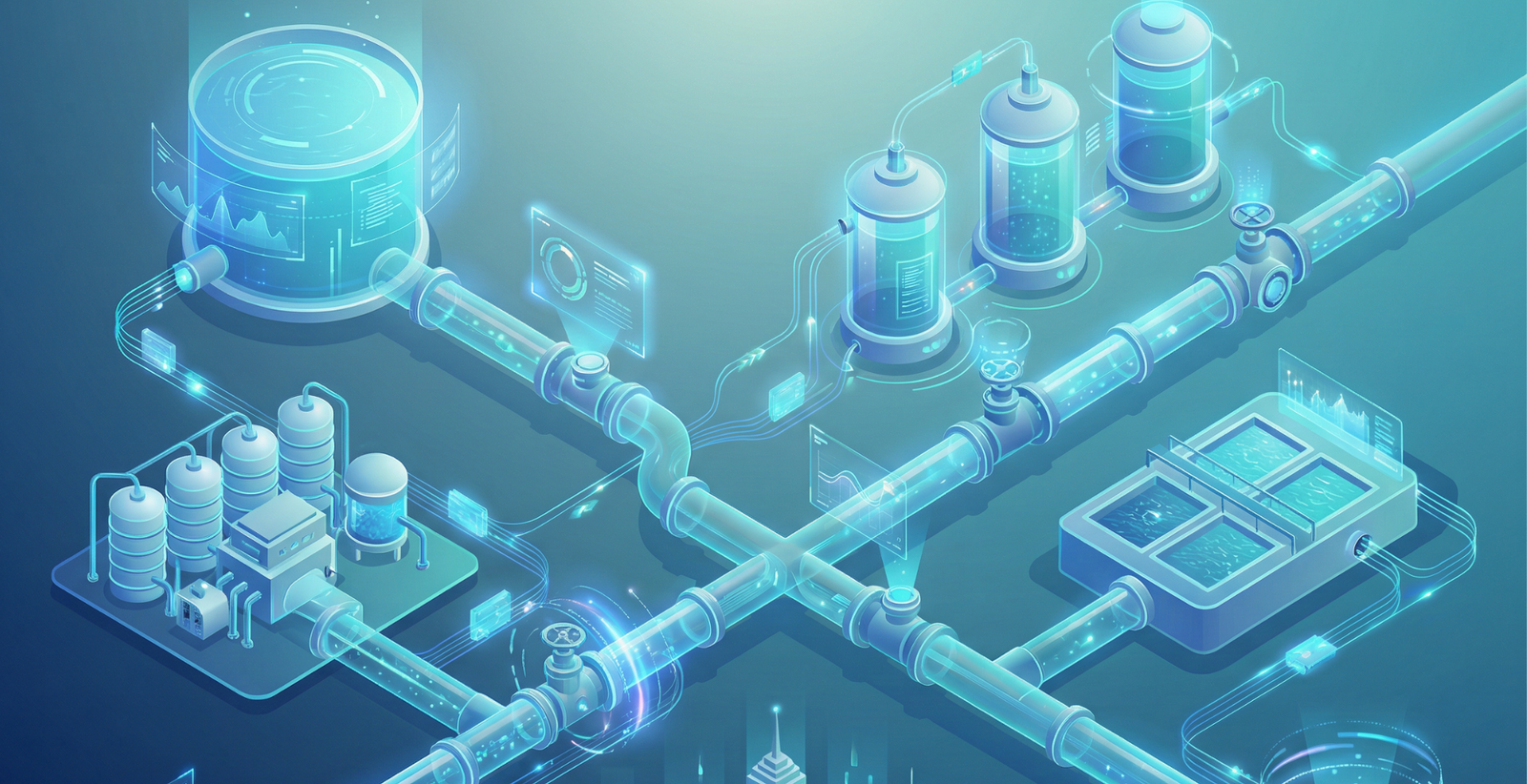
If 2025 was the year of “Smart Metering,” 2026 is becoming the year of the Autonomous Water Network. Following last week’s milestones in Singapore and Brussels, the conversation for C-suite executives has shifted from simply collecting data to executing Autonomous Infrastructure.
In the second week of March 2026, the industrial focus is on two specific…
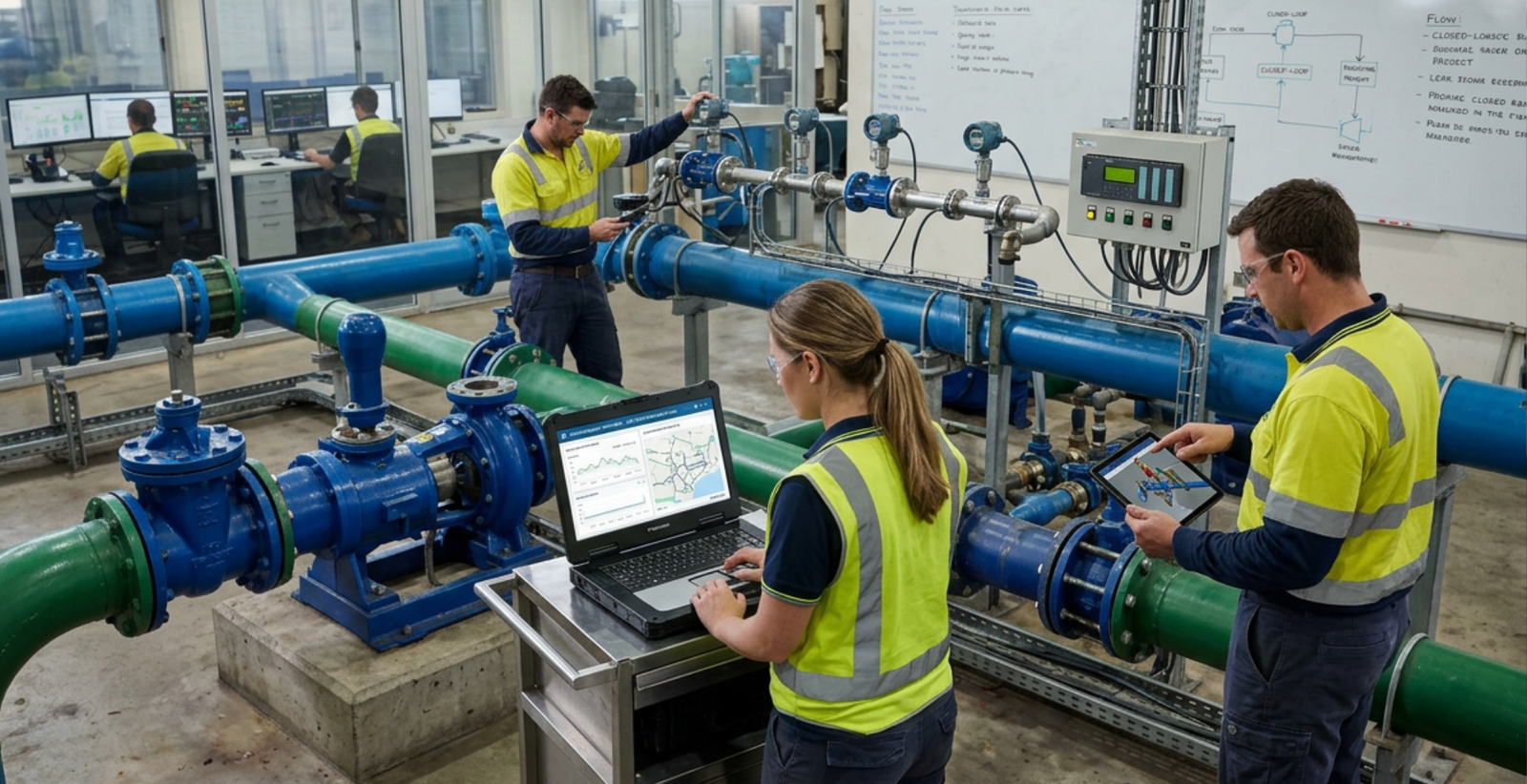
The first week of March 2026 marks a definitive shift in global water management. No longer confined to “innovation labs,” smart water infrastructure has reached a commercial tipping point. Driven by urgent scarcity in urban centers and a new wave of industrial automation, the sector is moving toward a “Digital Twin” reality that prioritizes predictive…
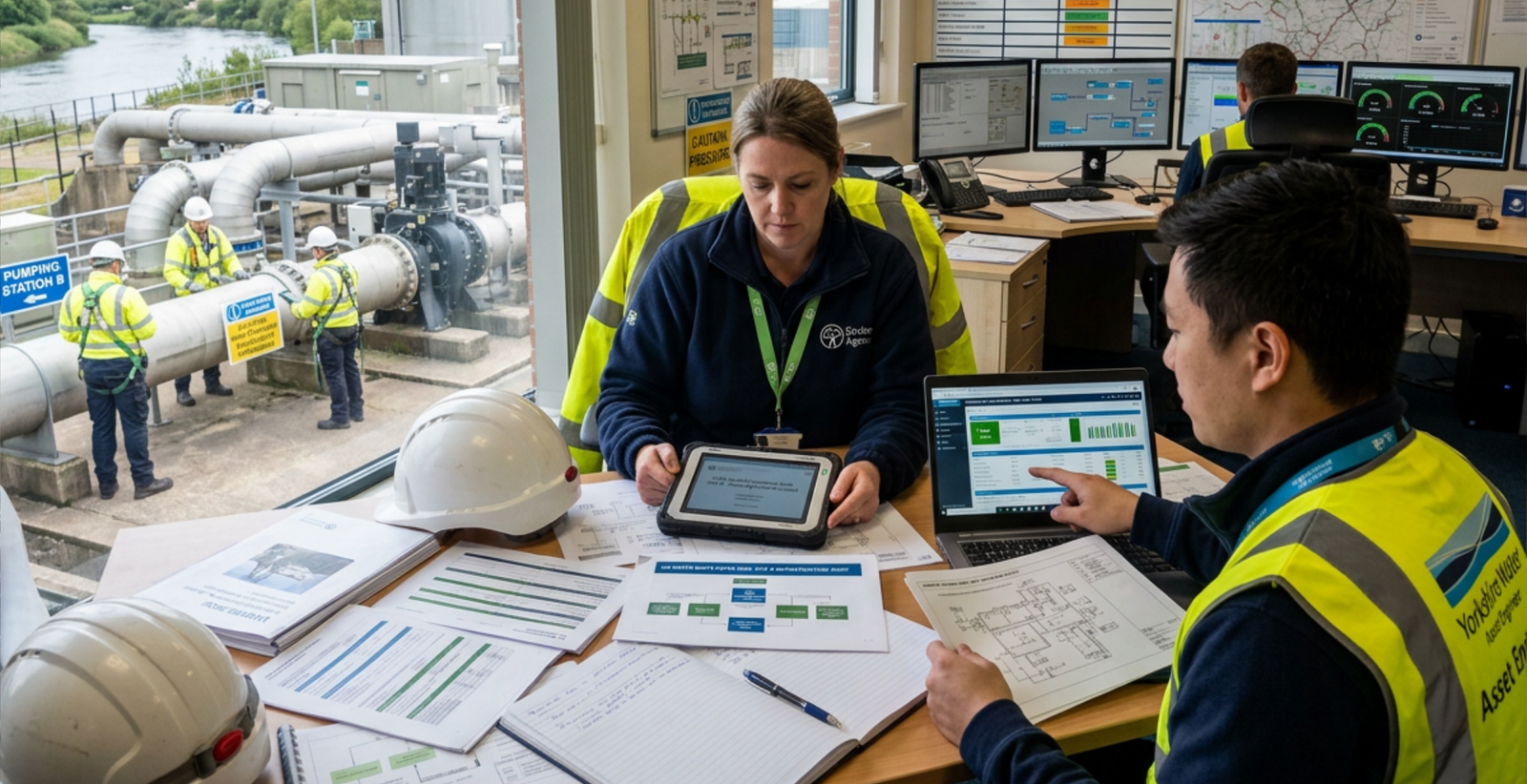
The UK Government has unveiled a landmark Water White Paper, representing the most significant regulatory transformation of the sector in a generation. For C-suite executives and institutional investors, this move marks a decisive shift from reactive, “failed” oversight to a proactive, engineering-led model designed to restore operational stability and investor confidence.
Central to this overhaul…
The global water sector is entering a decisive era of transformation. As climate volatility, urbanization, and aging assets converge, smart water infrastructure is emerging as a strategic priority for governments, utilities, and industrial leaders worldwide.
The global smart water management market is projected to grow from US$22.6 billion in 2026 to US$50.9 billion by 2033,…
Why Smart Water Grids Are a Strategic Priority
Traditional water networks are no longer sufficient to manage rising demand, regulatory pressure, and environmental risk. Smart water grids integrate IoT sensors, advanced metering, cloud platforms, AI analytics, and automation to transform static systems into intelligent, self-optimizing networks.
Key strategic benefits include:
Real-time leak detection and pressure…
Water is emerging as one of the most decisive constraints on global economic growth. Climate volatility, urbanisation, and industrial demand are converging to expose weaknesses in legacy water systems-from Southern Europe to Central Asia and parts of North America.
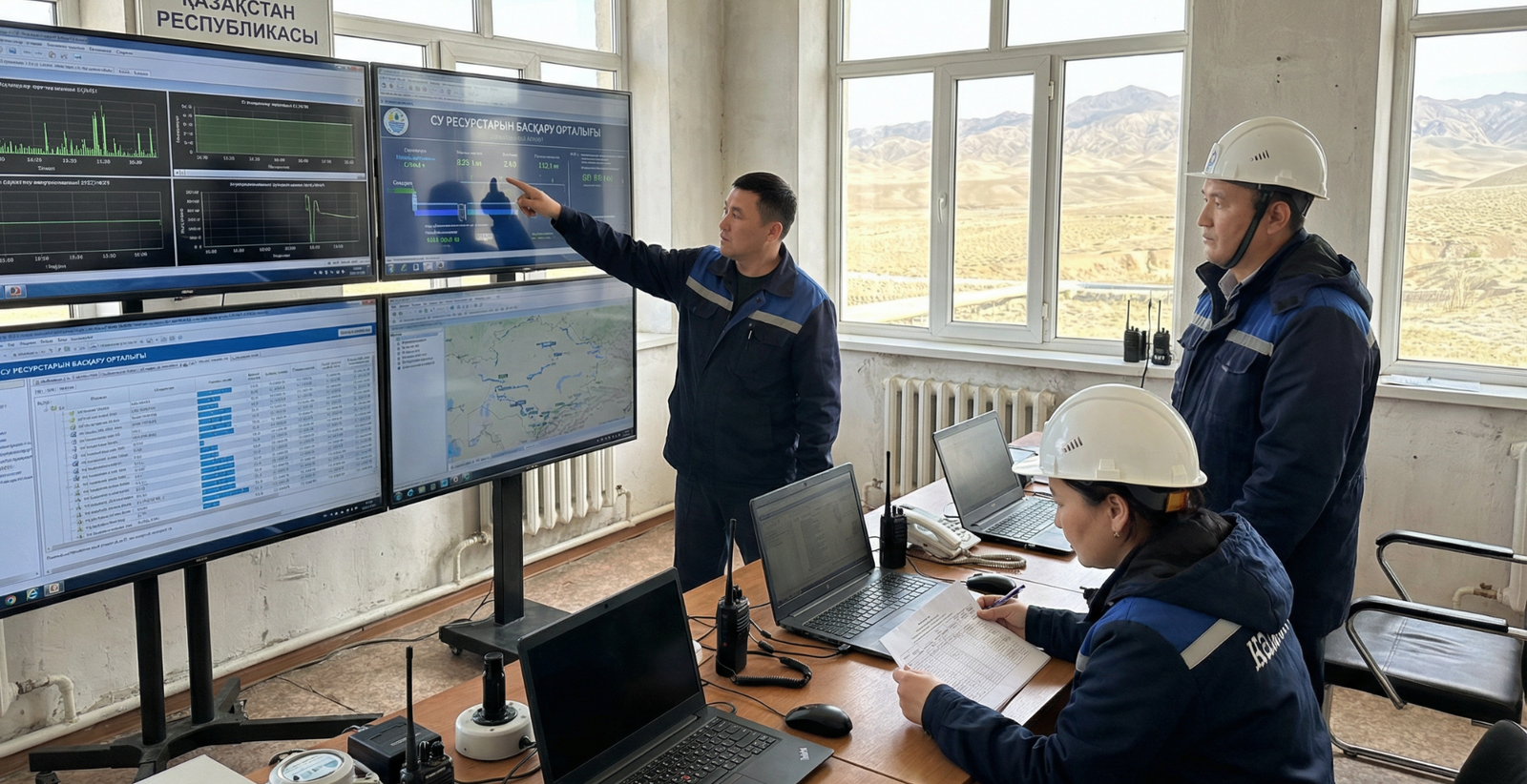
Against this backdrop, Kazakhstan’s accelerated push into digital water management and infrastructure modernisation is not a…
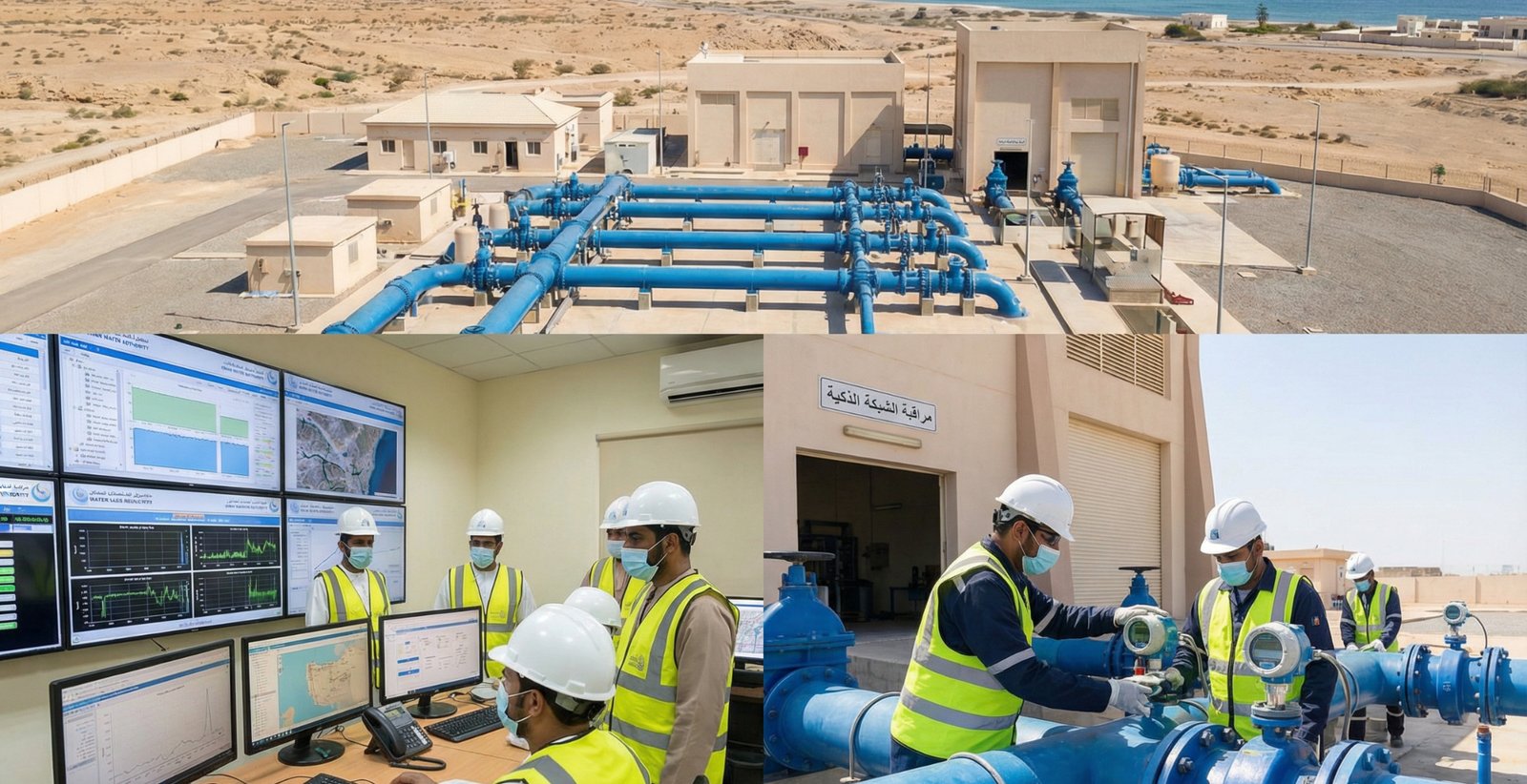
As water stress escalates globally, governments are rethinking how water systems are designed, operated, and safeguarded. In Oman, this rethink has moved decisively from concept to execution. Smart water networks are no longer pilot projects-they are becoming a core pillar of national water strategy, driven by the country’s reliance on desalination, rising demand, and the…
As global water systems face rising demand, aging infrastructure, and mounting climate pressure, smart water infrastructure has shifted from innovation to necessity. In 2026, forward-looking municipalities are no longer asking whether to digitize water networks-but how fast they can do so without compromising reliability, affordability, or public trust.
For C-level executives overseeing utilities, infrastructure investment,…
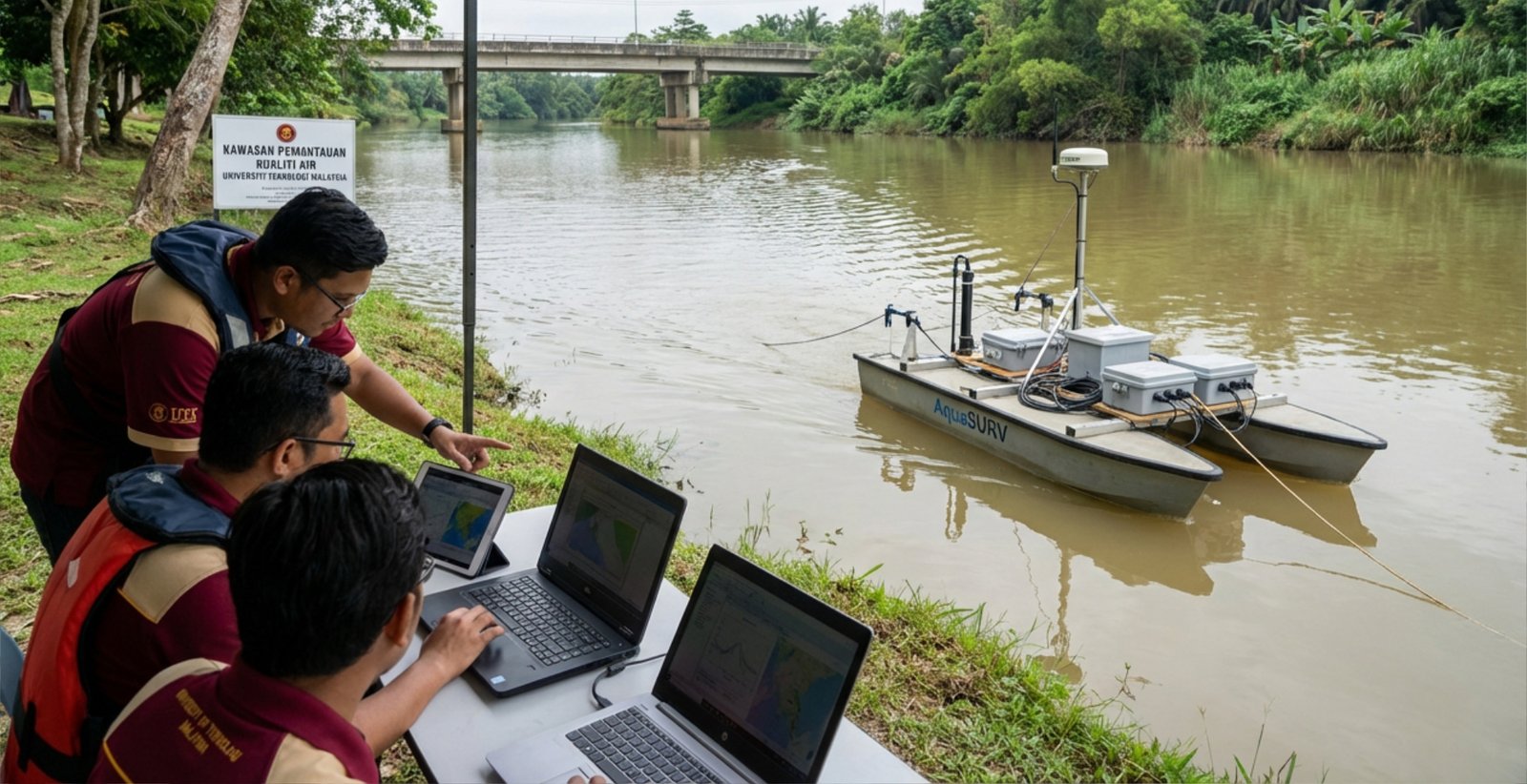
As water pollution continues to pose environmental and public safety risks, researchers at Universiti Teknologi Malaysia (UTM) have introduced AquaSURV, an unmanned surface vehicle (USV) designed to modernise water quality monitoring through automation, remote sensing and continuous data capture.
The platform addresses the structural limitations of manual sampling-episodic data, personnel exposure to hazards and delayed…
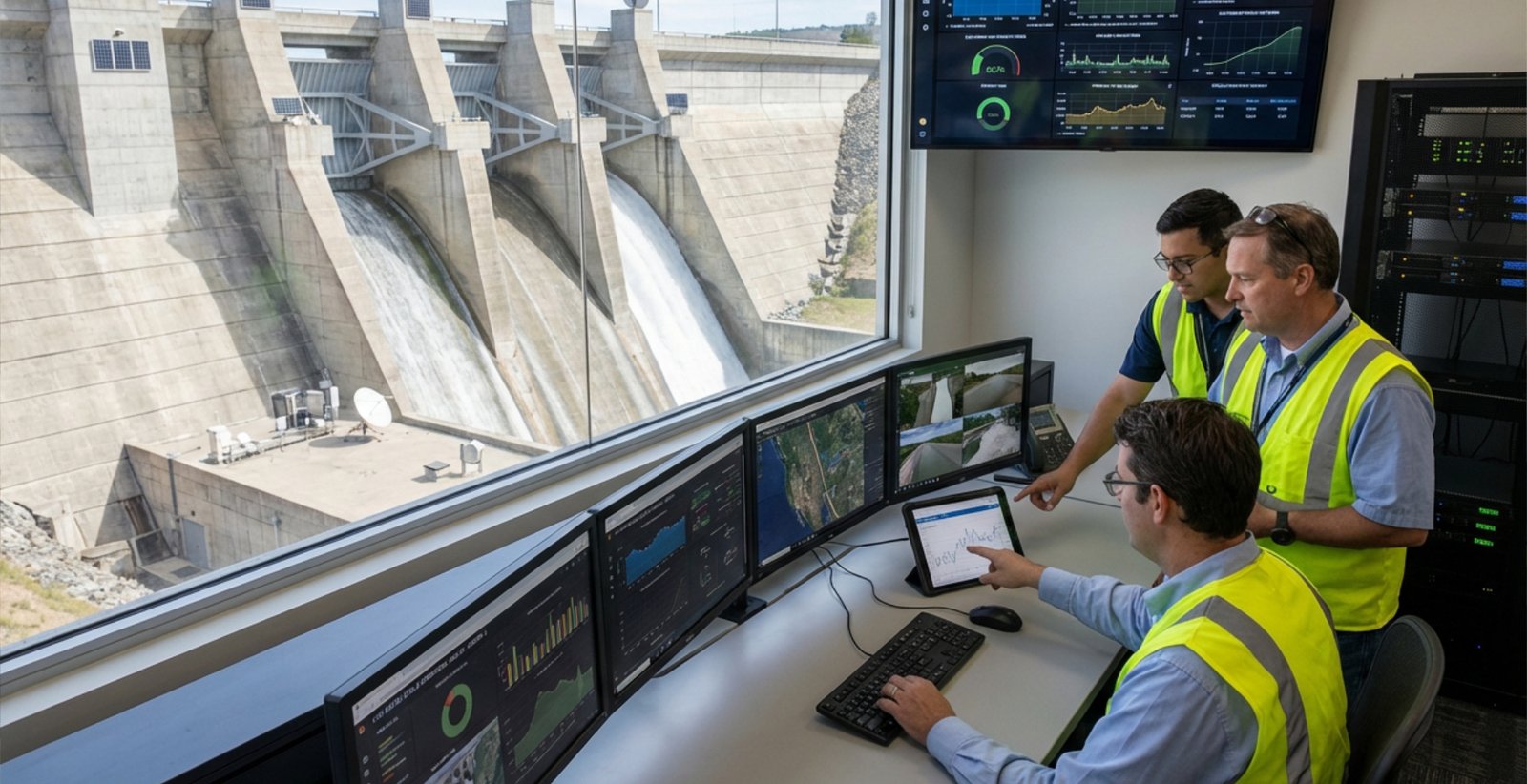
The world’s water infrastructure is entering a new era. Faced with climate volatility, aging assets, and rising demand, the hydropower and water management sectors are turning to smart dams-digitally enhanced systems that combine sensors, real-time monitoring, automation, artificial intelligence (AI), and cloud computing to optimise performance, reduce risk, and support long-term sustainability.
Unlike conventional dams, which…
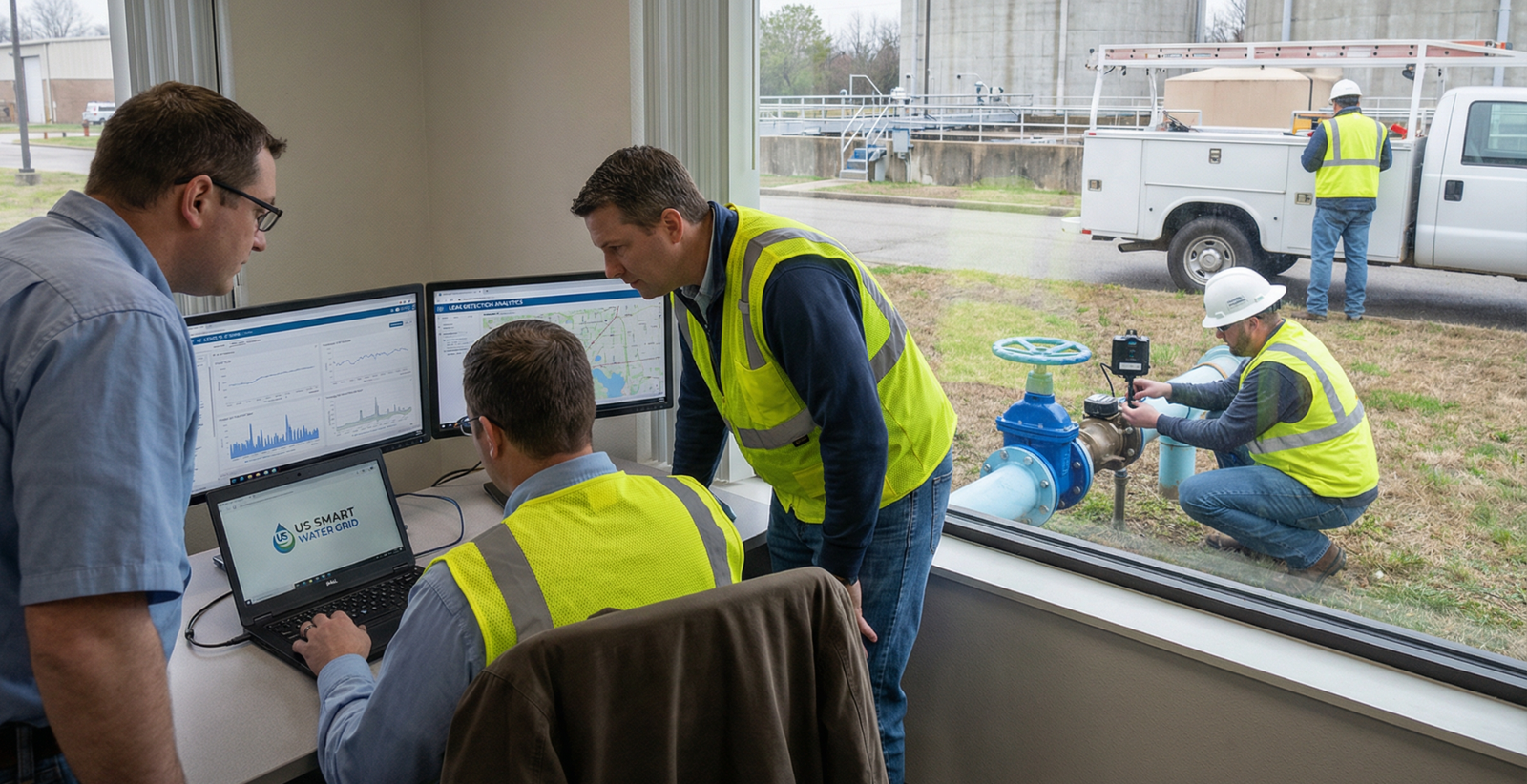
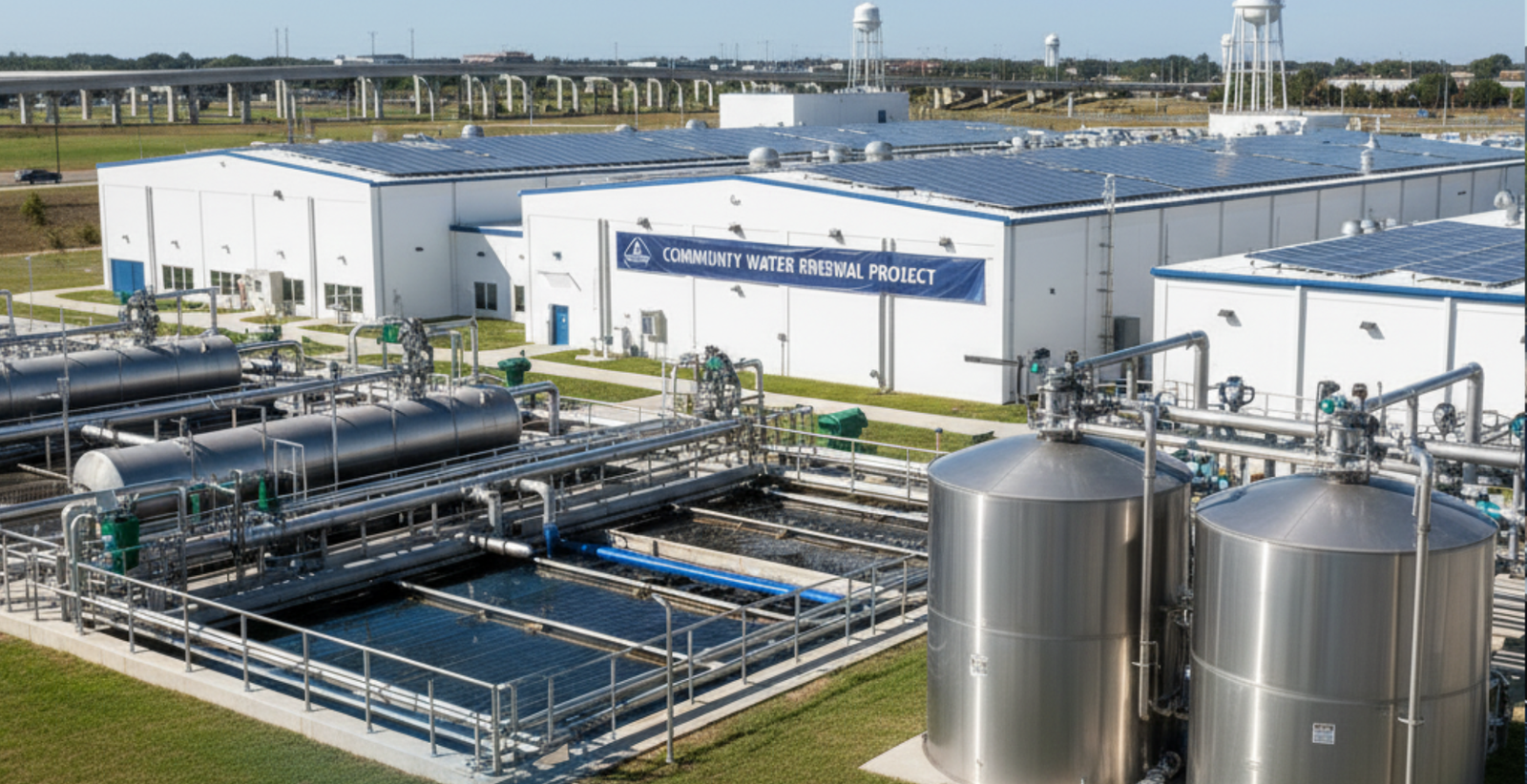
Across the United States, water utilities are standing at a crossroads. Aging infrastructure, emerging contaminants, and rising operational costs are creating a perfect storm of challenges. Yet within this pressure lies opportunity. The next decade will belong to utilities that embrace innovation, data-driven planning, and transparent engagement with their communities.
The path forward depends on…
Water scarcity is no longer a distant threat for England. It’s a national reality. As utilities invest in leakage control and infrastructure renewal, a quiet revolution is happening in an unexpected place: the stormwater network.
Sustainable Drainage Systems (SuDS), once viewed purely as flood mitigation tools, are being reimagined as part of the nation’s long-term…