Skip to content Skip to sidebar Skip to footer
Smart Water Solutions: Managing Scarcity, Reducing Waste, and Growing Revenue

Smart Water Solutions: Managing Scarcity, Reducing Waste, and Growing Revenue

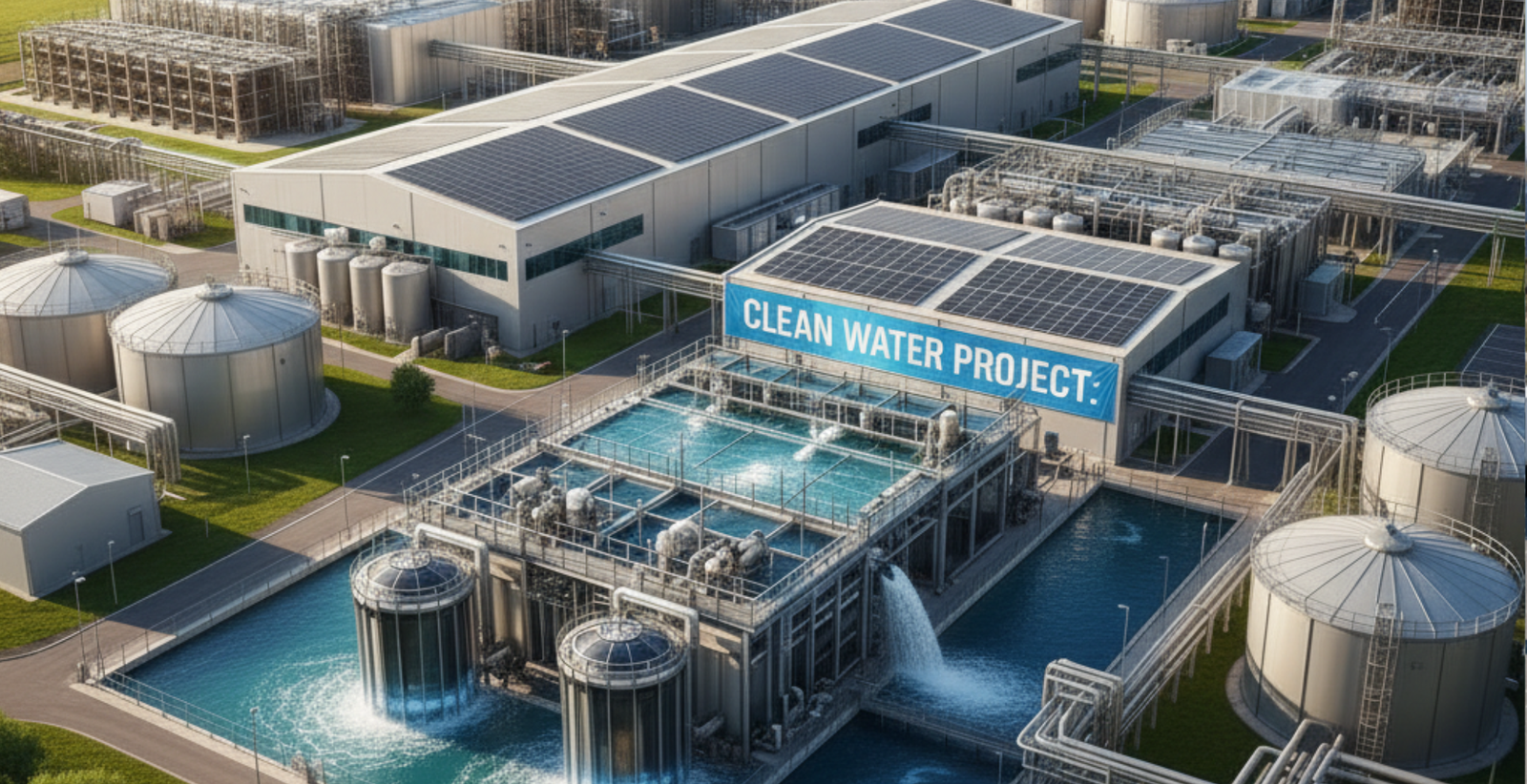
Water scarcity has become one of the most pressing challenges facing cities across the United States, particularly in the growing communities of the West and Southwest. Decades-old water systems, limited supplies, and growing demand have created a complex challenge for utilities striving to balance sustainability with financial responsibility. As populations expand and infrastructure ages, the…

Read More

Investing in a PFAS-Free Future: ESG Strategies for the Next Decade

Investing in a PFAS-Free Future: ESG Strategies for the Next Decade

The Turning Point for Corporate Responsibility PFAS, or per- and polyfluoroalkyl substances, are no longer just an environmental concern. They are a defining ESG and financial risk for global businesses. With over 15,000 synthetic compounds used across manufacturing, consumer goods, and industrial supply chains, PFAS contamination has become a global liability. Governments, investors, and consumers…

Read More

Decarbonizing the Skies: A Comparative Study of Sustainable Aviation Fuel Pathways

Decarbonizing the Skies: A Comparative Study of Sustainable Aviation Fuel Pathways

Highlights Evaluates the trade-off between cost and emission reductions across the full SAF lifecycle. Forecasts production costs for 29 SAF pathways using a multiple regression model. Identifies HEFA as the most cost-effective production route. Finds Fischer-Tropsch (FT) fuels deliver the strongest carbon mitigation performance. Aviation’s Turning Point: The Need for Sustainable Fuels Global air…

Read More

How Circular Strategies Can Secure U.S. Critical Minerals

How Circular Strategies Can Secure U.S. Critical Minerals

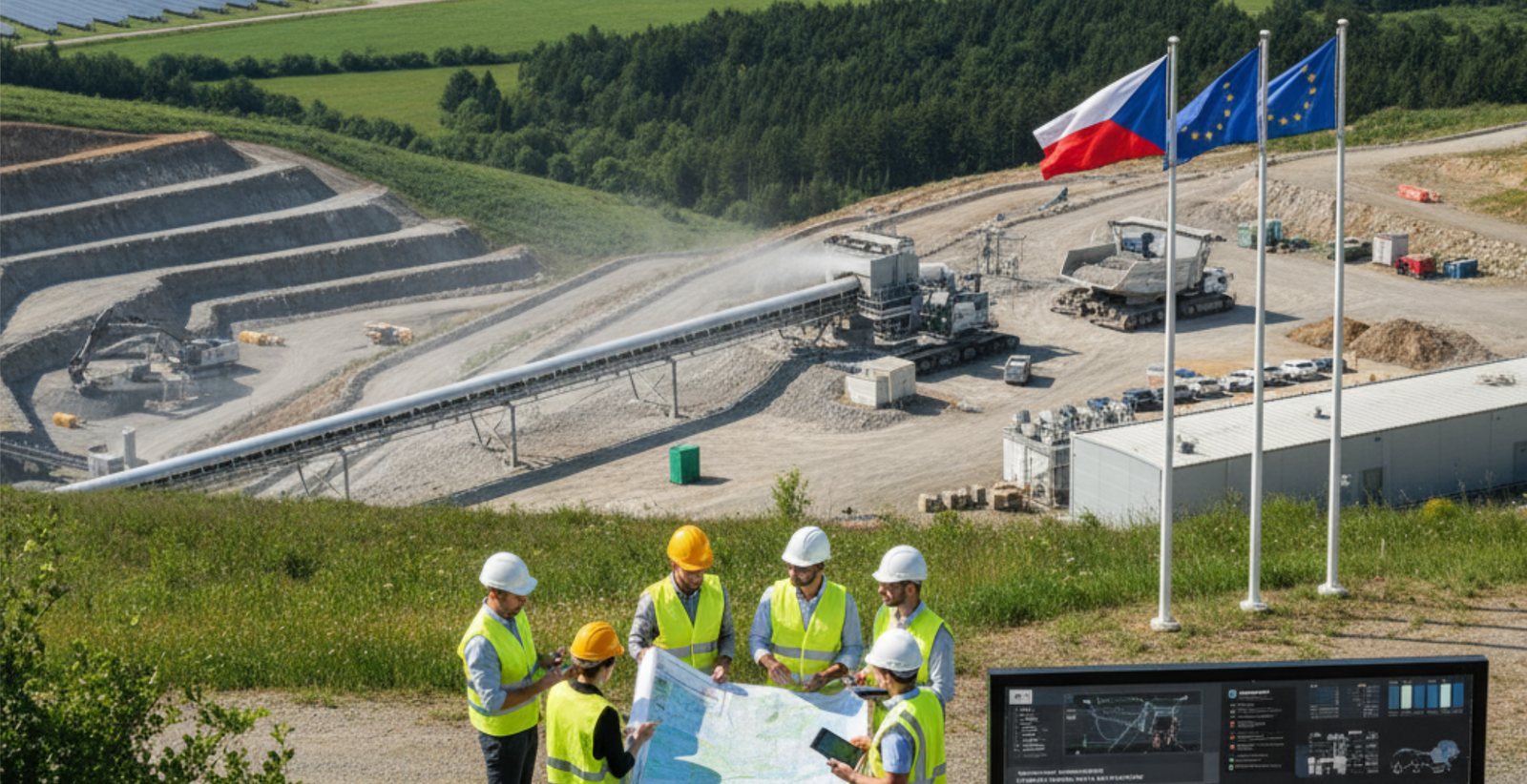
Building a Circular Supply Chain for the Clean Energy Transition Critical minerals power the technologies that define modern life, from smartphones and wind turbines to electric vehicles and transmission lines. These minerals are also essential to the clean energy transition. Lithium, cobalt, and nickel enable advanced battery storage. Neodymium and dysprosium form the magnets that…

Read More

PFAS Cleanup Technologies: The Race for Scalable Remediation

PFAS Cleanup Technologies: The Race for Scalable Remediation

Decoding the PFAS Remediation Imperative PFAS, or per- and polyfluoroalkyl substances, present one of the most serious contamination challenges of the 21st century. These “forever chemicals” resist degradation, accumulate in soils, water, and organisms, and create growing regulatory, reputational, and financial risks for companies across sectors. As remediation demand accelerates, the key question for executives…

Read More

E-Fuels: The Next Frontier in Clean Energy for Aviation, Shipping, and Heavy Industry

E-Fuels: The Next Frontier in Clean Energy for Aviation, Shipping, and Heavy Industry

A New Era of Clean Energy Begins The world’s energy transition is moving faster than ever, and one innovation stands out: e-fuels. These synthetic fuels are rapidly becoming essential for decarbonizing sectors that cannot simply switch to electricity such as aviation, shipping, and heavy industry. The global e-fuels market was valued at around USD 18…

Read More

How Local Partnerships Are Powering LFP Battery Growth

How Local Partnerships Are Powering LFP Battery Growth

Regional Collaboration Fuels a Battery Revolution Lithium iron phosphate (LFP) batteries have emerged as one of the most promising energy storage technologies. Known for their safety, longevity, and cost-effectiveness, LFP batteries are gaining traction in electric vehicles (EVs), grid-scale energy storage, and industrial applications. They offer thermal stability, long cycle life, and the ability to…

Read More

Go to Top