Across the United States, water utilities are standing at a crossroads. Aging infrastructure, emerging contaminants, and rising operational costs are creating a perfect storm of challenges. Yet within this pressure lies opportunity. The next decade will belong to utilities that embrace innovation, data-driven planning, and transparent engagement with their communities.
The path forward depends on…
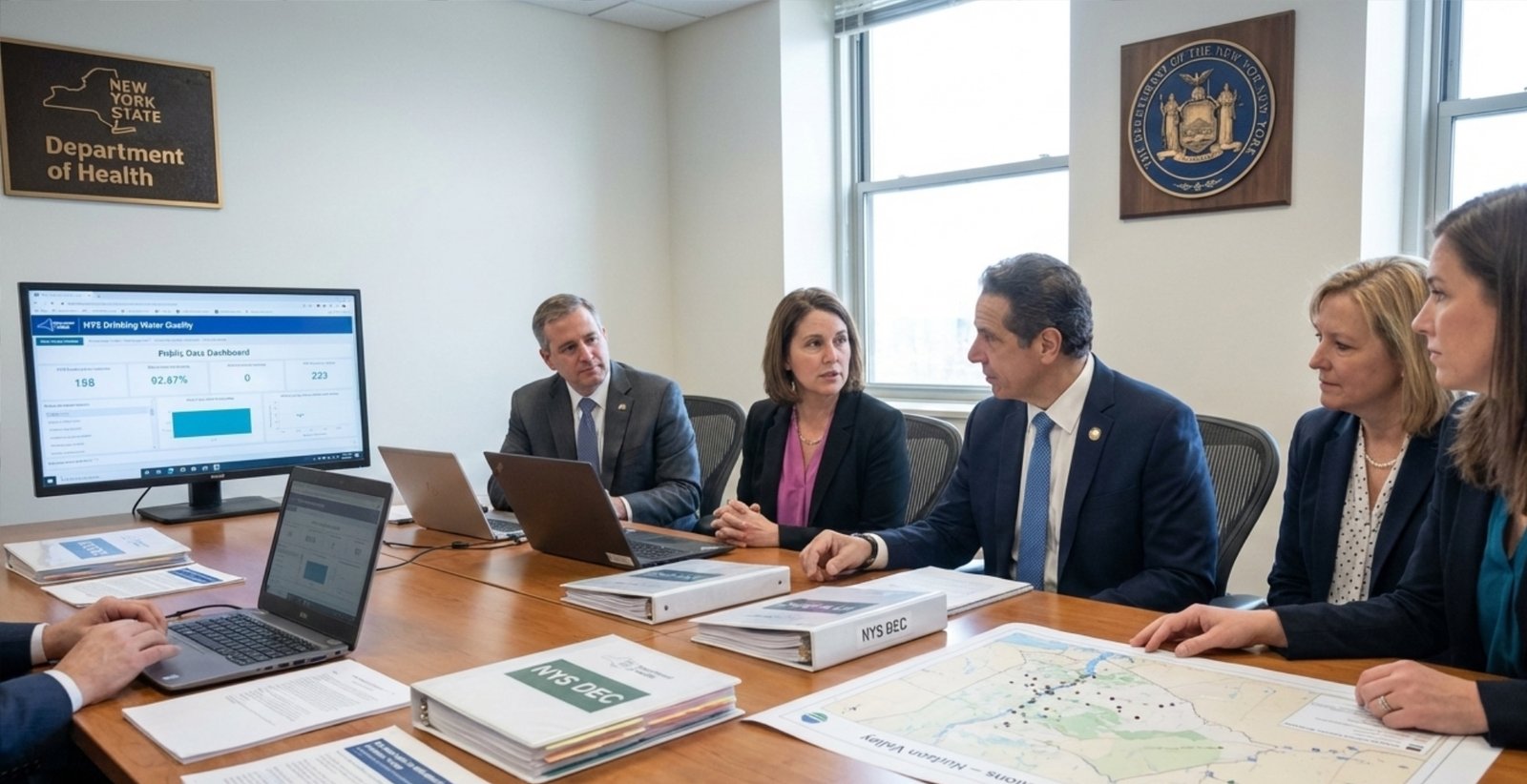
New York Expands PFAS Response With Updated Guidance, Data, and Regulatory Frameworks
New York State has announced a comprehensive set of actions to strengthen its response to per- and polyfluoroalkyl substances (PFAS), reflecting more than a decade of regulatory development and scientific investigation into these persistent chemicals.
The Department of Environmental Conservation has released a…
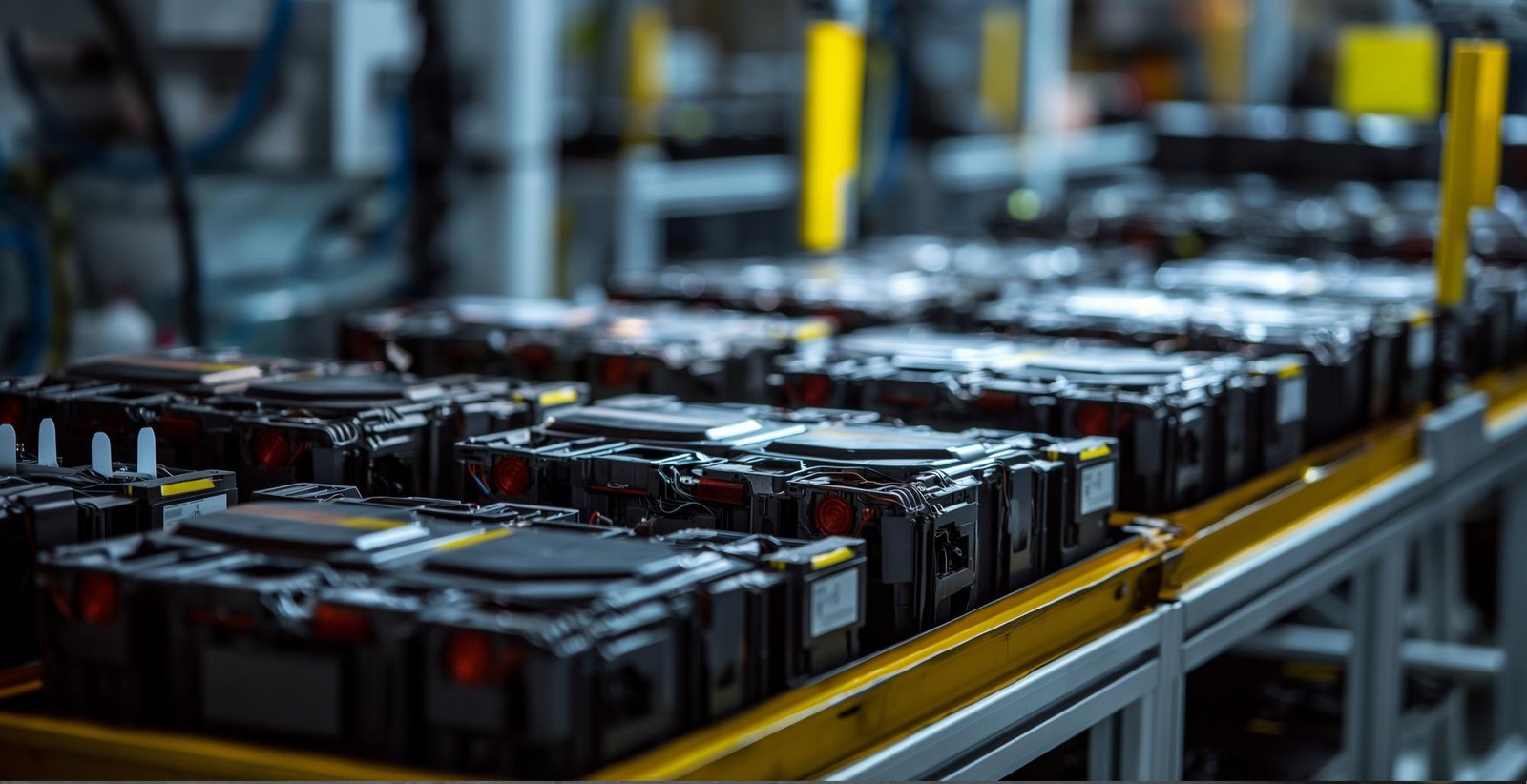
A new scientific study offers compelling evidence that lithium – a critical element powering the global battery economy – can be recovered from spent batteries through a highly selective and commercially viable electrochemical process. This breakthrough represents a major step forward in securing supply, reducing dependency on mining, and strengthening circular-economy strategies for high-demand battery…
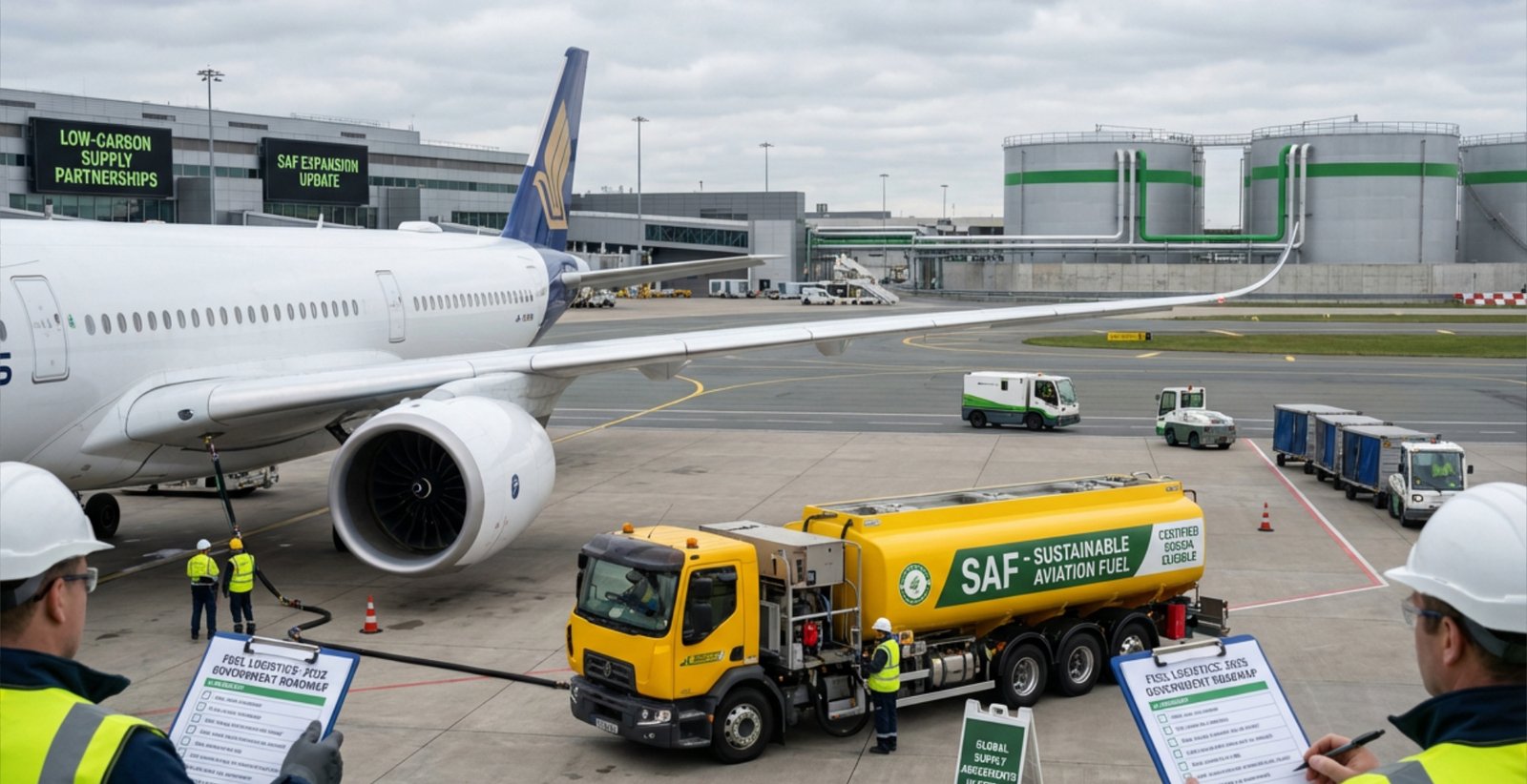
The global push for low-carbon aviation accelerated in December 2025, with major developments in sustainable aviation fuel (SAF) supply, certification, policy, and production capacity. For C-suite leaders in aviation, energy, and logistics, these moves signal a clear shift: SAF is no longer a niche experiment, but a core lever for decarbonization, regulatory compliance, and long-term competitiveness.
From…
LG Energy Solution Signs $1.4 Billion EV Battery Supply Deal with Mercedes-Benz
In a significant win for the global battery industry, South Korea’s LG Energy Solution has secured a $1.4 billion supply agreement with Mercedes-Benz to deliver electric vehicle batteries between 2028 and 2035. The deal was officially disclosed through a regulatory filing, confirming that…
Water scarcity is no longer a distant threat for England. It’s a national reality. As utilities invest in leakage control and infrastructure renewal, a quiet revolution is happening in an unexpected place: the stormwater network.
Sustainable Drainage Systems (SuDS), once viewed purely as flood mitigation tools, are being reimagined as part of the nation’s long-term…
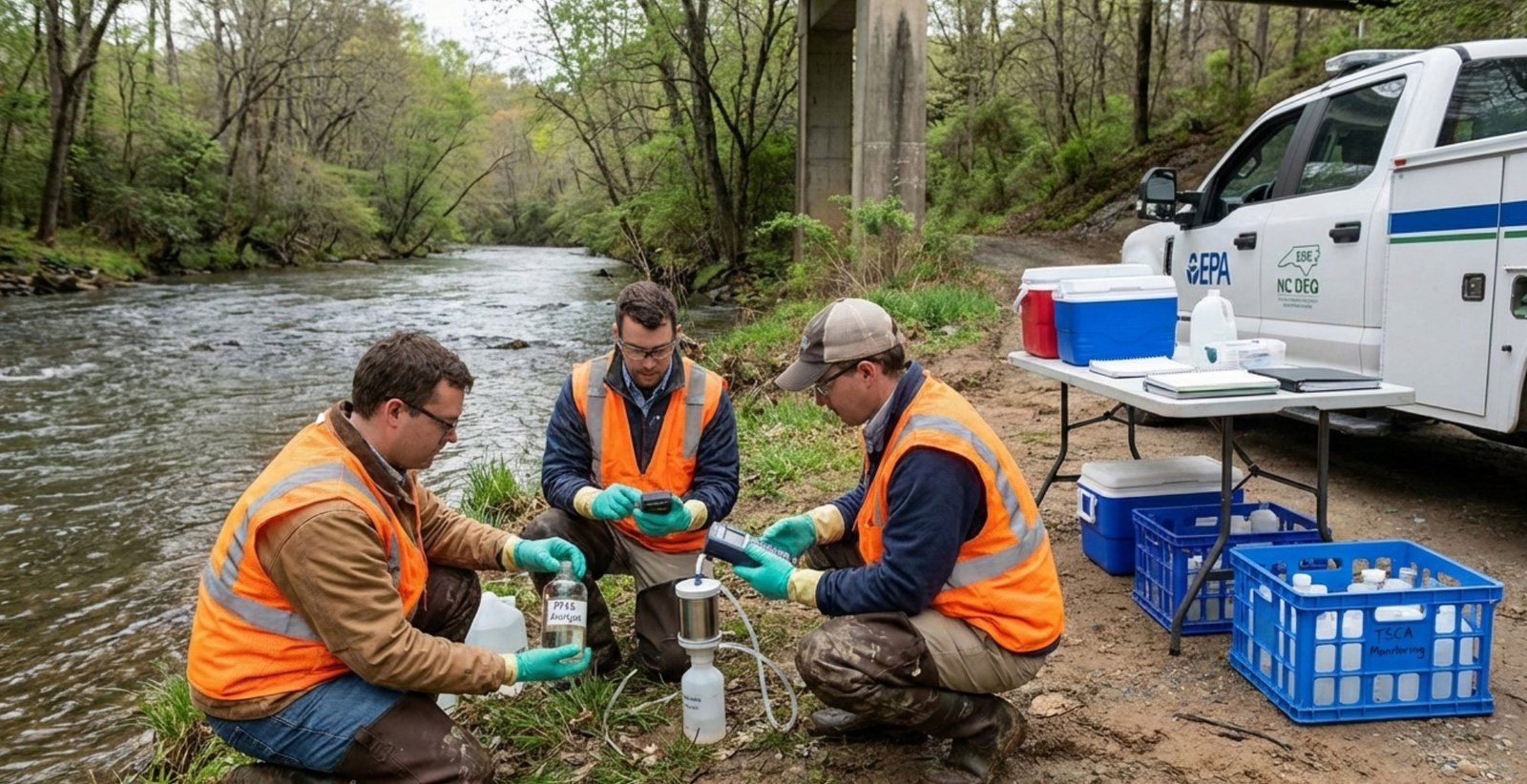
Proposed EPA PFAS Reporting Changes Raise Questions as New Contamination Data Emerges in North Carolina
The U.S. Environmental Protection Agency is considering changes to how businesses report per- and polyfluoroalkyl substances (PFAS) under the Toxic Substances Control Act, a move that comes as new research suggests regulators may be missing significant sources of PFAS contamination.…
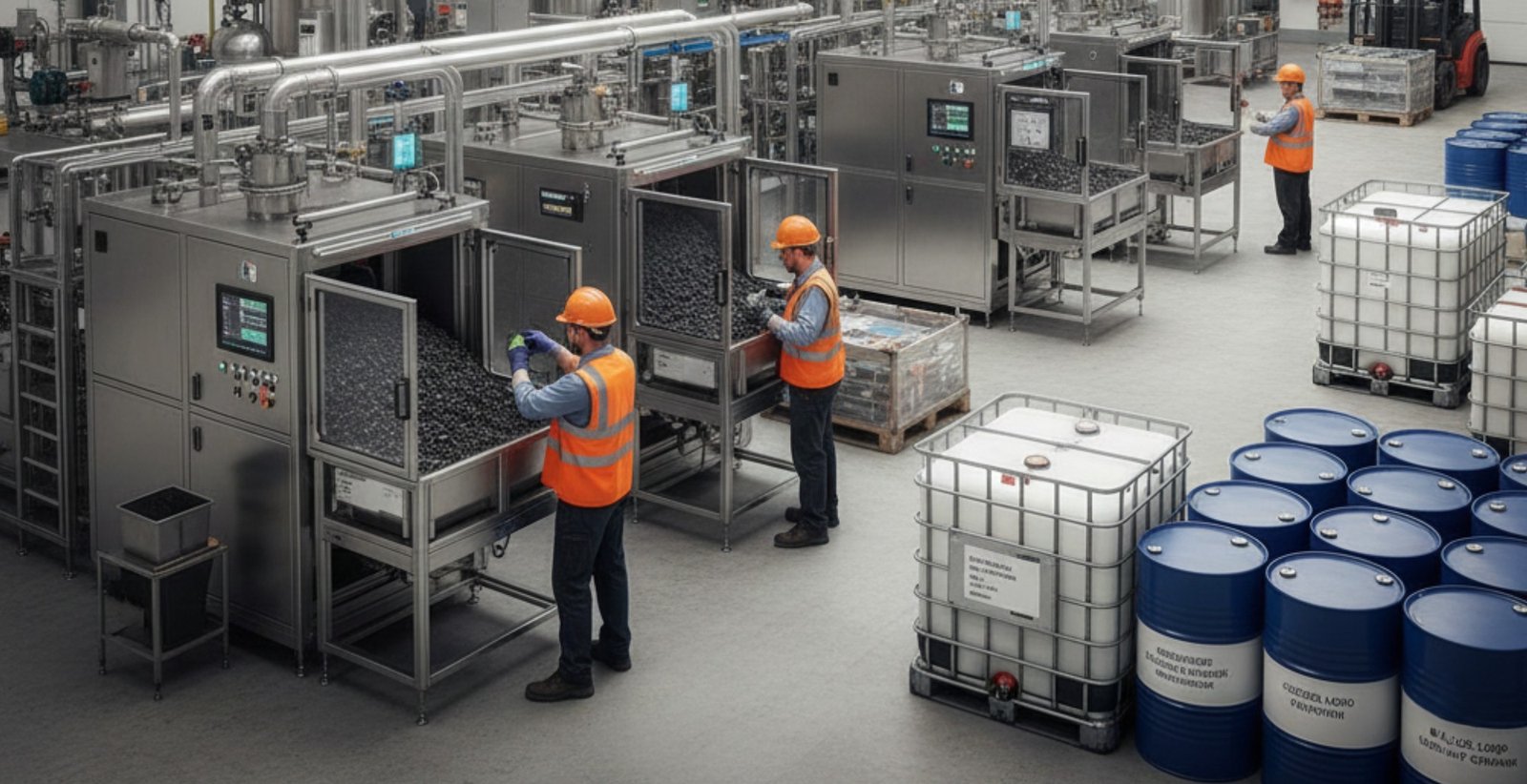
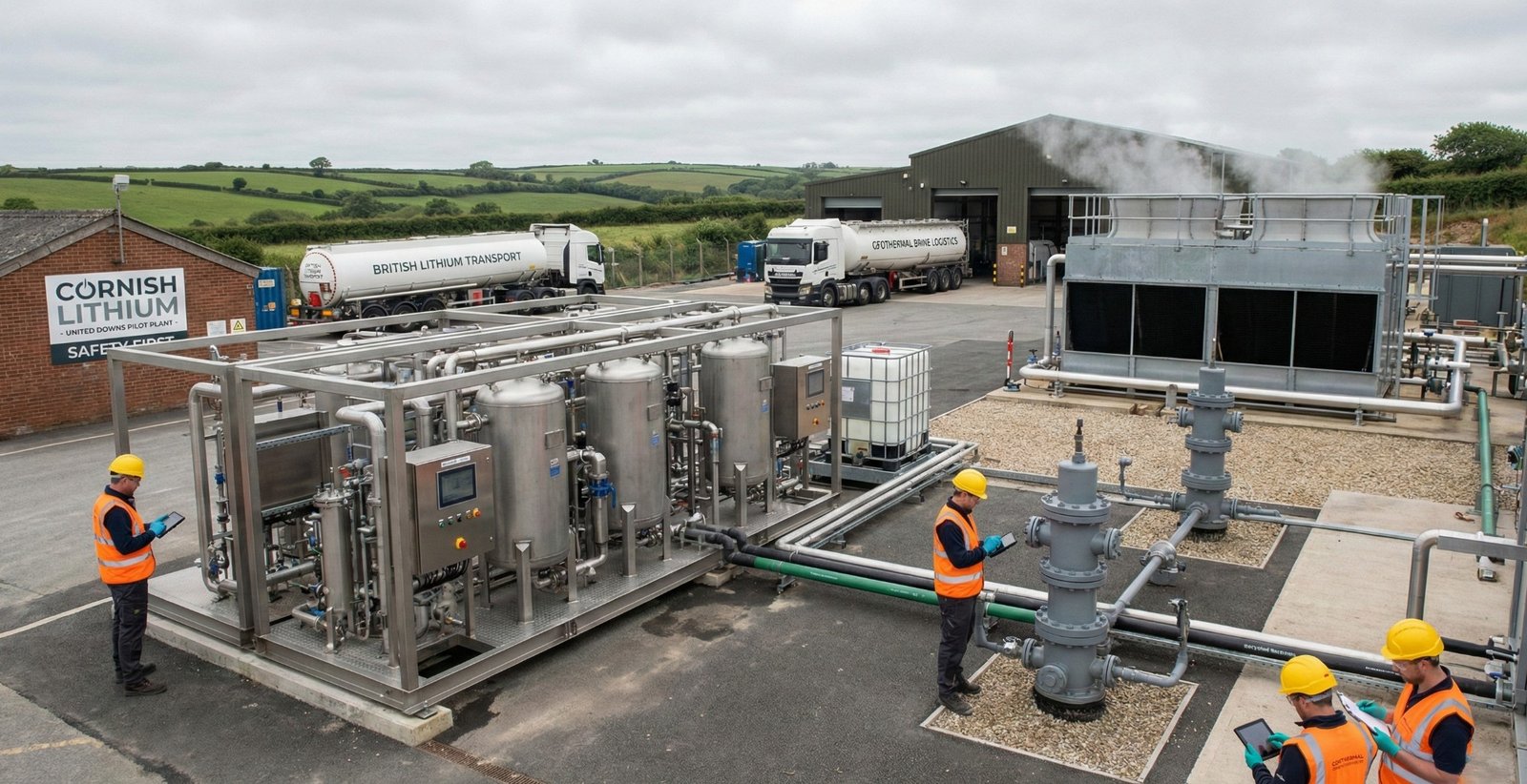
The UK has taken a significant step toward energy independence with the launch of a new direct lithium extraction (DLE) facility designed to support the nation’s Critical Minerals Strategy. As global competition for battery materials accelerates, this development positions the UK to reduce reliance on external supply chains and secure long-term access to a resource…
Decarbonizing Where Batteries Can’t
Across industries like aviation, shipping, and heavy manufacturing, decarbonization remains one of the most complex challenges. These sectors depend on high-energy-density liquid fuels, where battery electrification is not technically or economically viable.
While hydrogen holds immense promise as a clean energy carrier, transporting and storing pure hydrogen remains difficult and costly,…
How Policy, Technology, and Trade Are Rewiring the Battery Industry
The United States is entering a decisive phase in the evolution of its battery industry. With shifting trade policies, growing energy demand, and intensifying competition from global players, the resilience of the U.S. battery supply chain has become a central focus of industrial and policy…
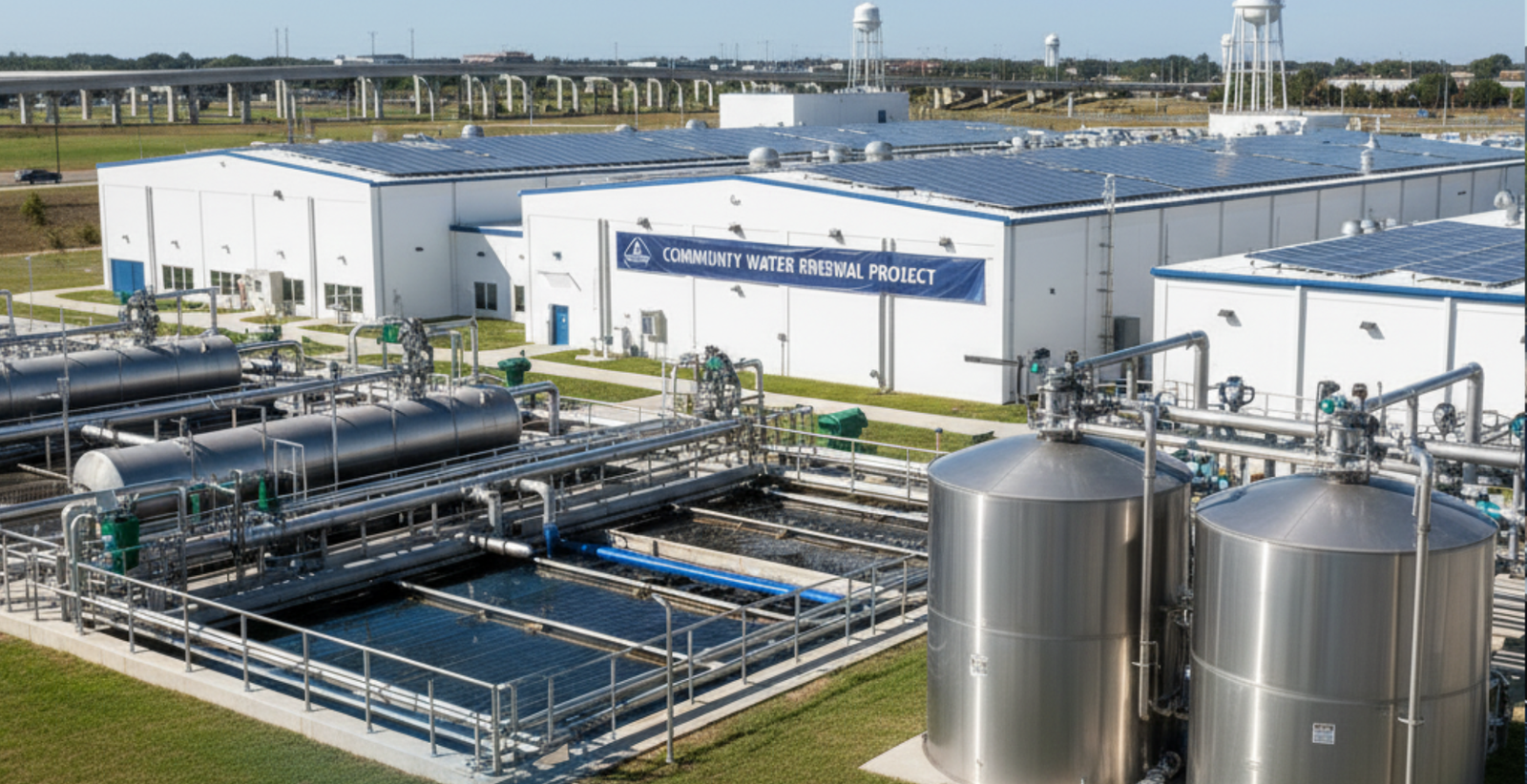
Water scarcity has become one of the most pressing challenges facing cities across the United States, particularly in the growing communities of the West and Southwest. Decades-old water systems, limited supplies, and growing demand have created a complex challenge for utilities striving to balance sustainability with financial responsibility.
As populations expand and infrastructure ages, the…
The Turning Point for Corporate Responsibility
PFAS, or per- and polyfluoroalkyl substances, are no longer just an environmental concern. They are a defining ESG and financial risk for global businesses. With over 15,000 synthetic compounds used across manufacturing, consumer goods, and industrial supply chains, PFAS contamination has become a global liability.
Governments, investors, and consumers…