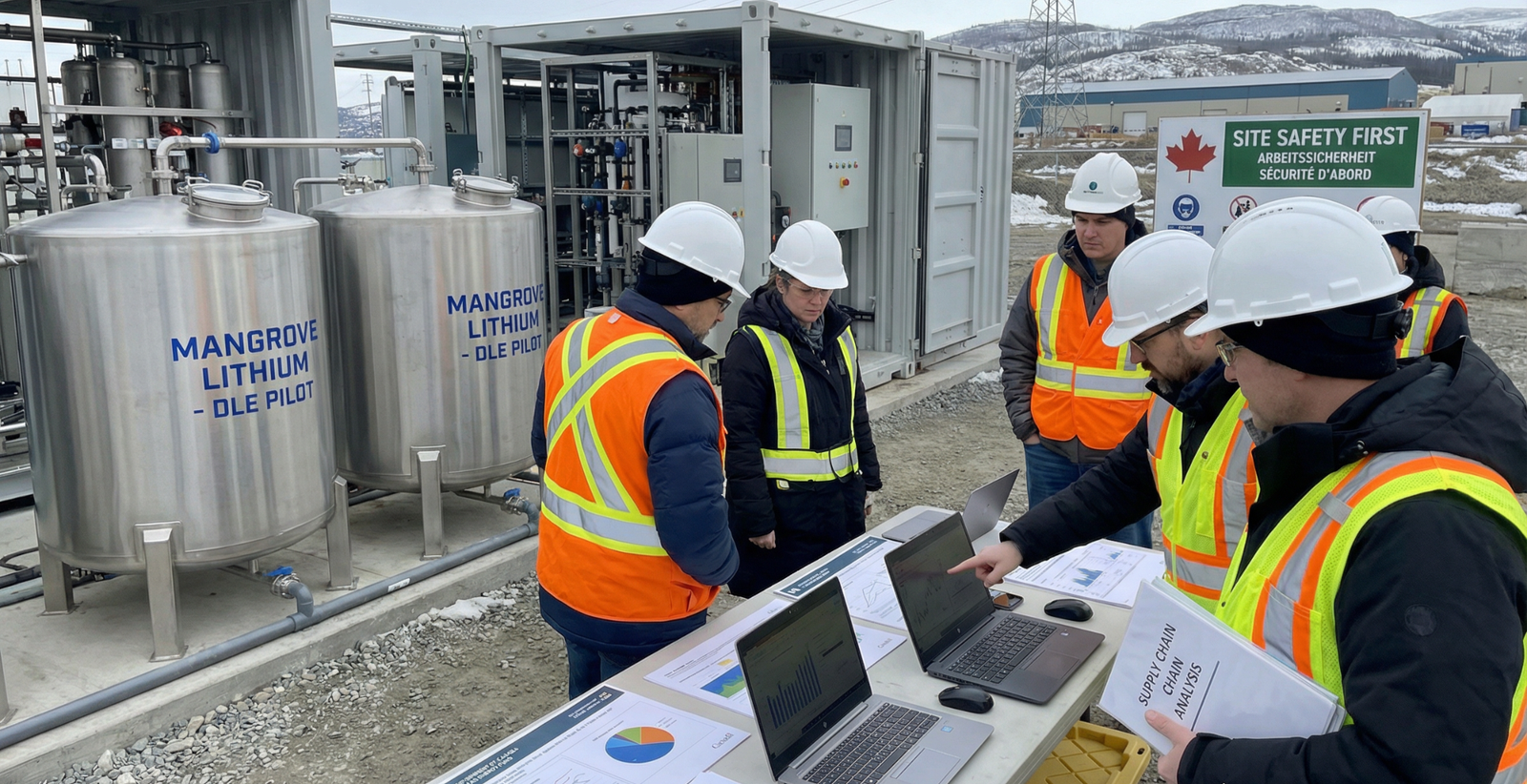
In January 2026, the Government of Canada made a decisive move that reverberates far beyond its national borders. Through the Canada Growth Fund, Ottawa committed up to US$65 million in strategic capital to Mangrove Lithium, a Canadian cleantech company pioneering electrochemical lithium refining. Backed alongside BMW I Ventures and Breakthrough Energy Ventures, the financing represents…
Executive Brief
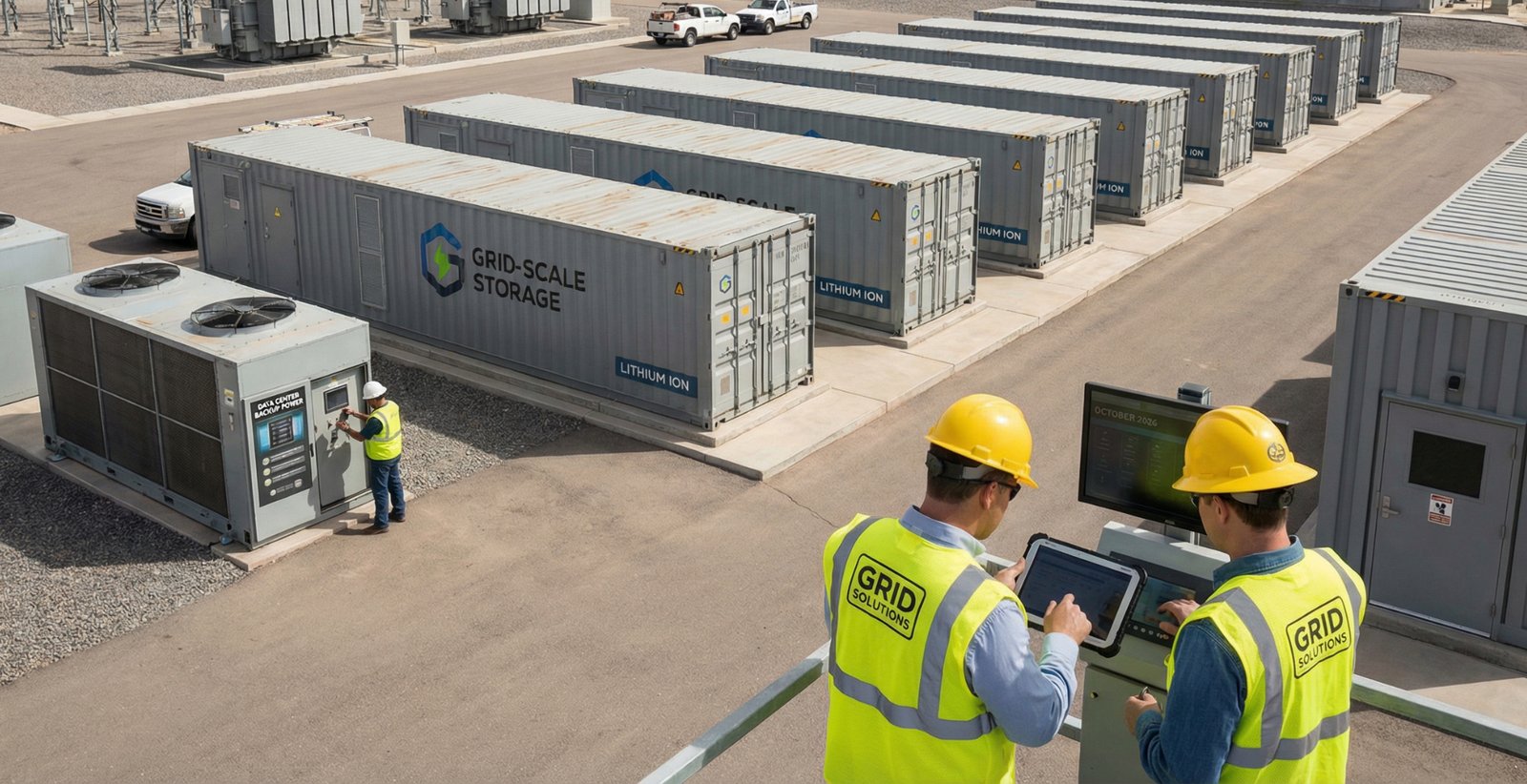
The global lithium market is approaching a structural inflection point. After more than two years of oversupply, collapsing prices, and margin pressure across the mining sector, accelerating demand from grid-scale energy storage is redefining lithium’s long-term fundamentals. What was once an electric-vehicle-centric commodity is rapidly becoming a core material for power systems, data…
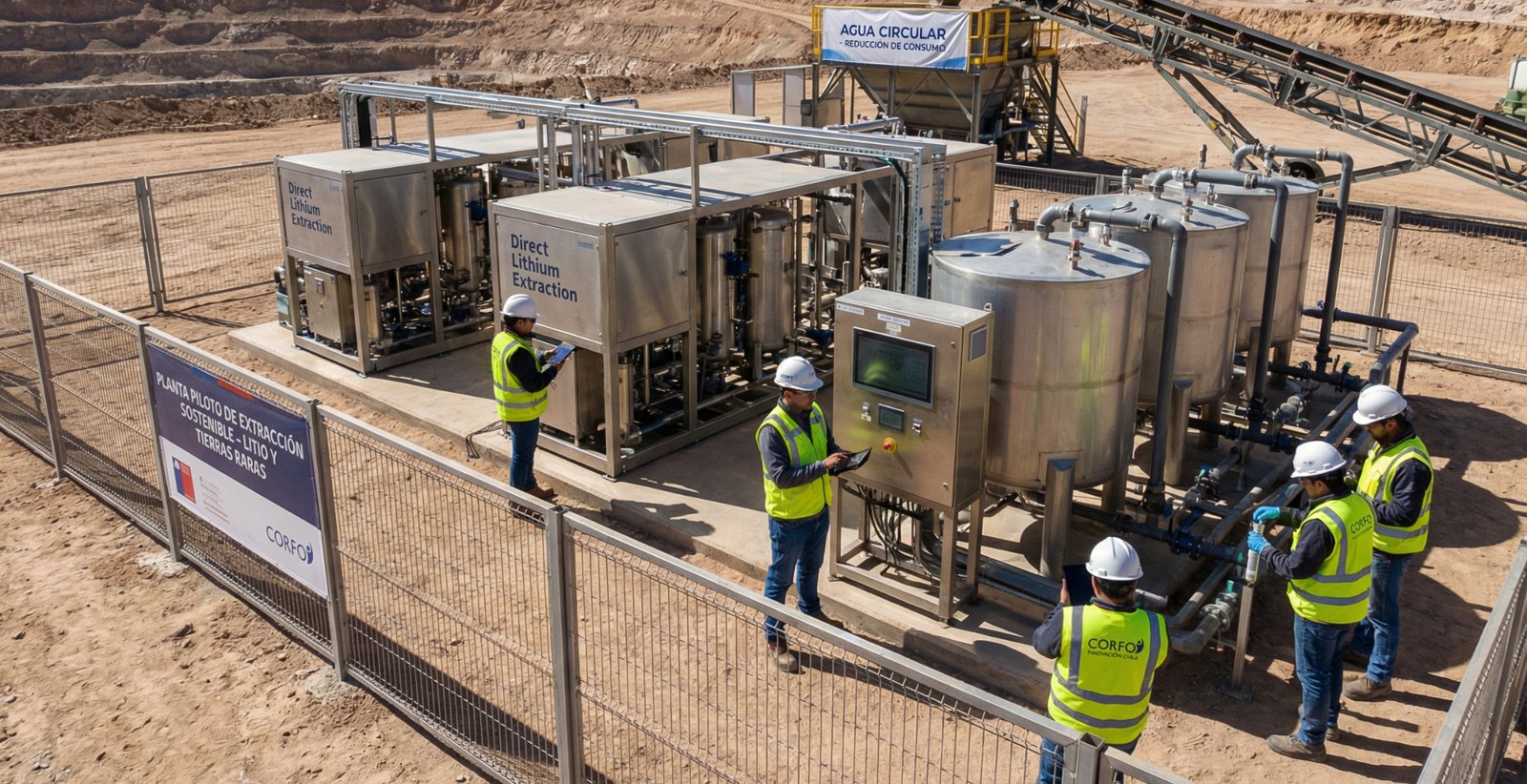
Chile is positioning itself as a critical player in the global battery and EV supply chain. The state-owned development agency, Corfo, has announced $5.8 million in funding for two strategic research projects targeting direct lithium extraction (DLE) and rare earth element recovery. These initiatives aim to boost mining innovation, foster a circular economy, and create…
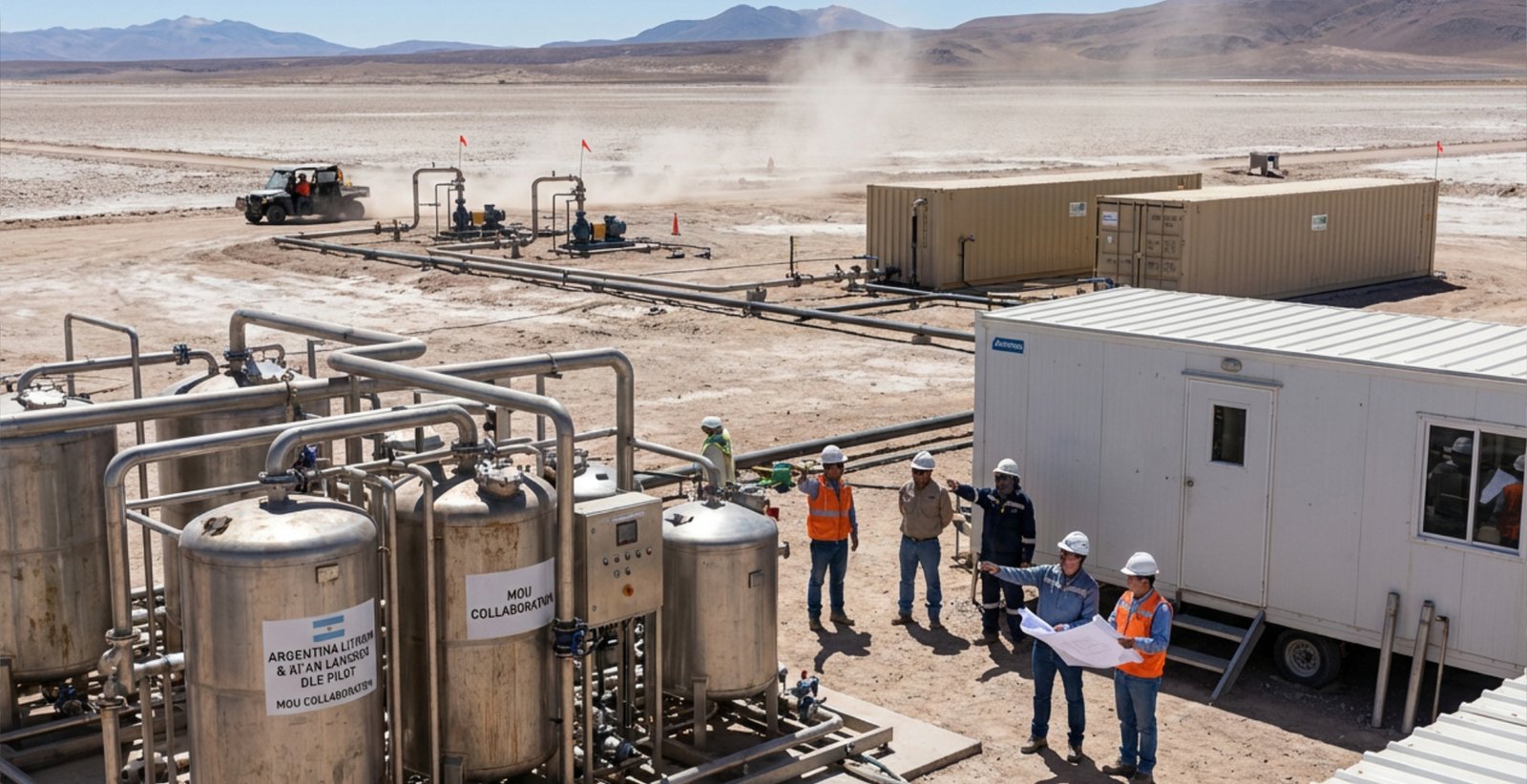
Argentina Lithium & Energy Corp. has entered into a Memorandum of Understanding (MOU) with Xi’an Lanshen New Material Technology Co., Ltd., a globally recognised leader in Direct Lithium Extraction (DLE) technology. The collaboration is designed to accelerate the advancement of the Rincon West Lithium Brine Project toward feasibility and future commercial production.
The agreement establishes…
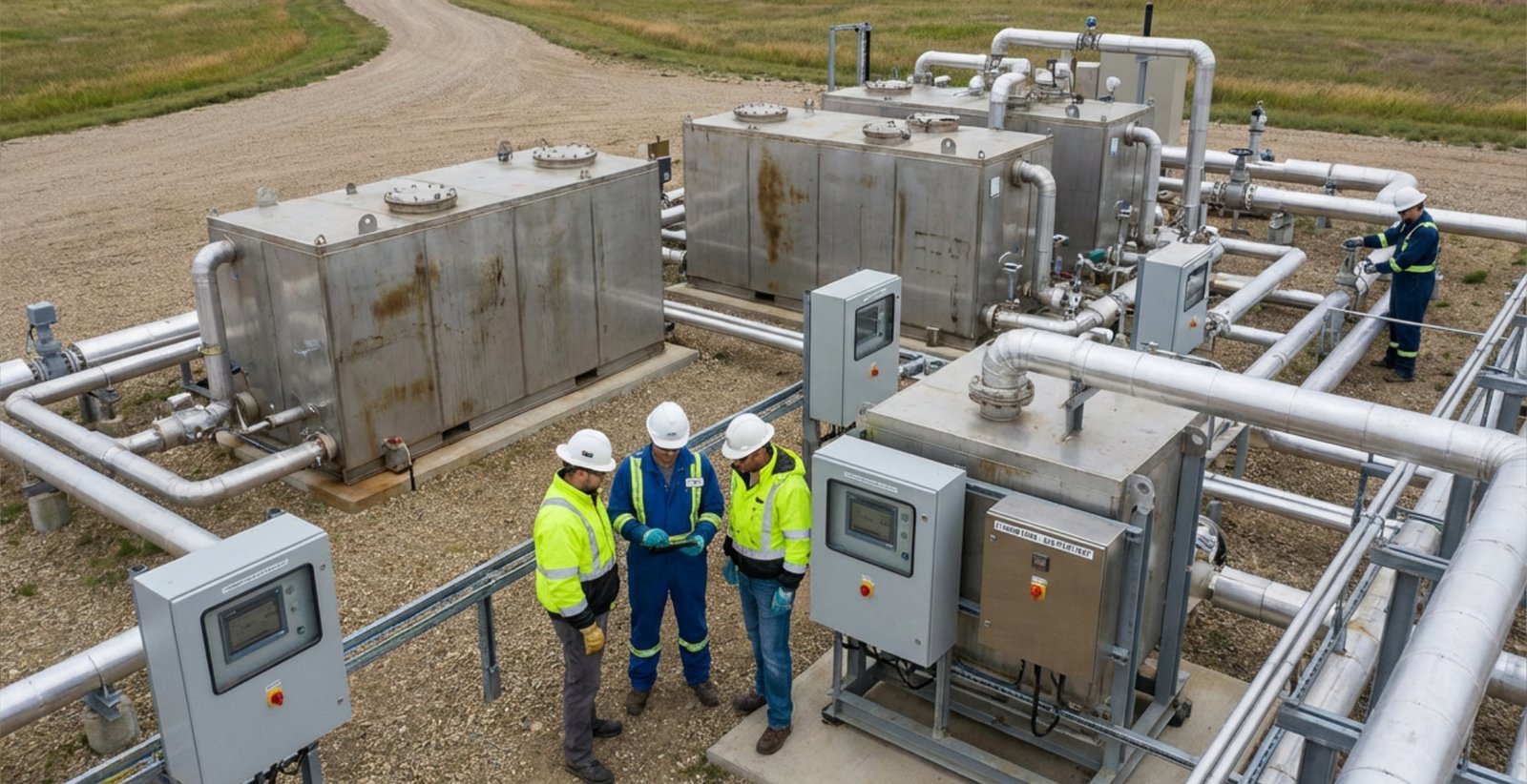
The global race for secure, sustainable lithium supply just took a significant leap forward. Lithium Bank has formalized a strategic development agreement to advance its Boardwalk lithium brine project-one of North America’s largest lithium brine resources-toward commercial production by 2027. The centrepiece of this initiative is the adoption of Direct Lithium Extraction (DLE) technology, a next-generation solution…
A new scientific study offers compelling evidence that lithium – a critical element powering the global battery economy – can be recovered from spent batteries through a highly selective and commercially viable electrochemical process. This breakthrough represents a major step forward in securing supply, reducing dependency on mining, and strengthening circular-economy strategies for high-demand battery…
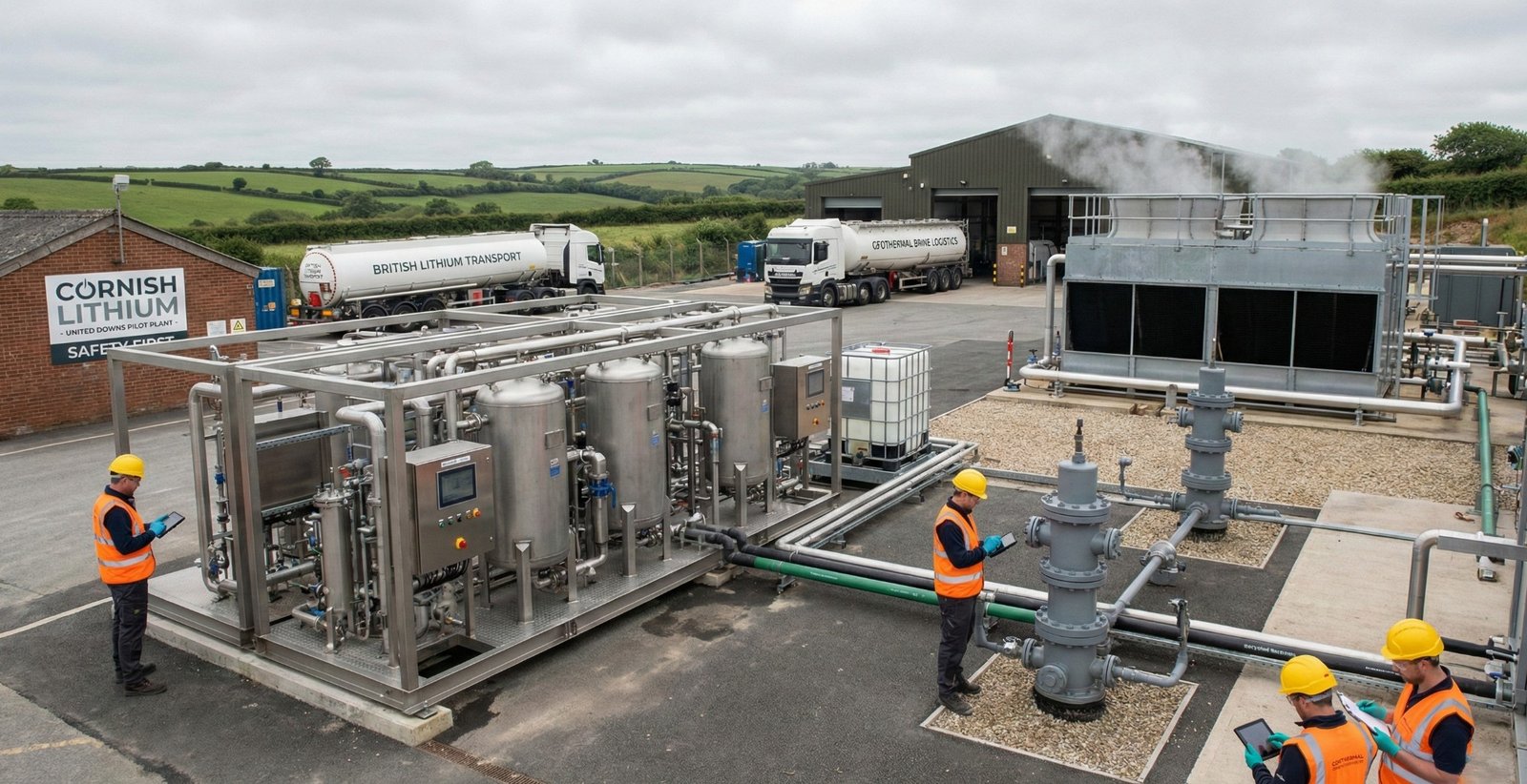
The UK has taken a significant step toward energy independence with the launch of a new direct lithium extraction (DLE) facility designed to support the nation’s Critical Minerals Strategy. As global competition for battery materials accelerates, this development positions the UK to reduce reliance on external supply chains and secure long-term access to a resource…
1. Introduction: The Future of Lithium Extraction
A new era of lithium extraction is emerging, one driven by nanotechnology, guided by artificial intelligence (AI), and grounded in sustainability.
As global demand for lithium continues to surge, the world’s battery supply chain faces immense pressure. From electric vehicles to renewable grid storage, lithium is…
1. Europe’s Push for Resource Independence
Europe is investing heavily in local mining to reduce its reliance on imports and power its green and digital transformation. Amid rising geopolitical tensions and conflicts, such as the war in Ukraine, the European Union has realized how vulnerable it is when relying on a few countries for key…
Key Takeaways
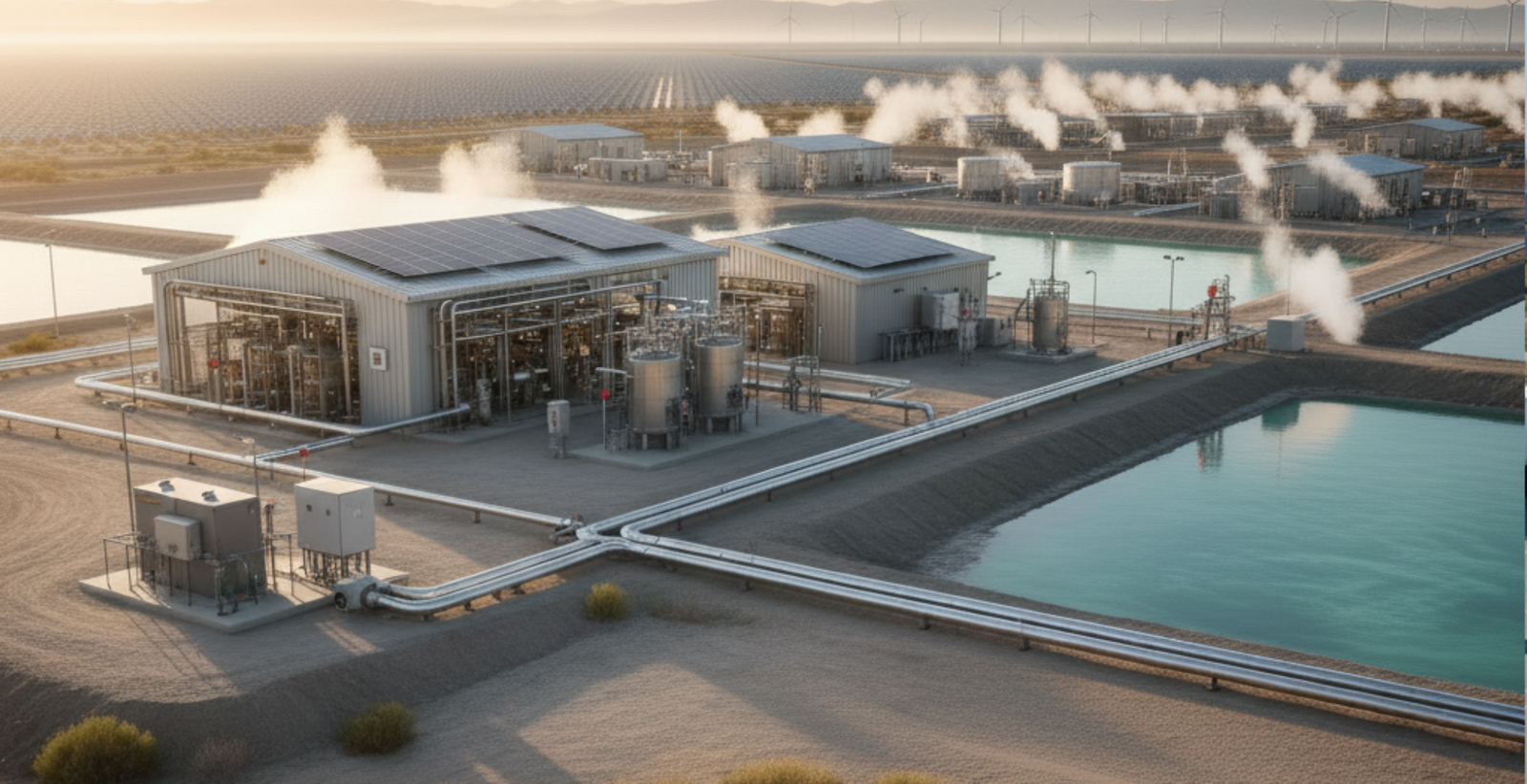
• Opportunity: The Hell’s Kitchen project could turn California’s Salton Sea into one of the world’s largest sources of lithium, essential to EVs, phones, and clean energy independence. • Challenge: Legal appeals argue the project downplays risks tied to water, air quality, and tribal resources. • Tension: Communities demand a larger share of…
Key Takeaways
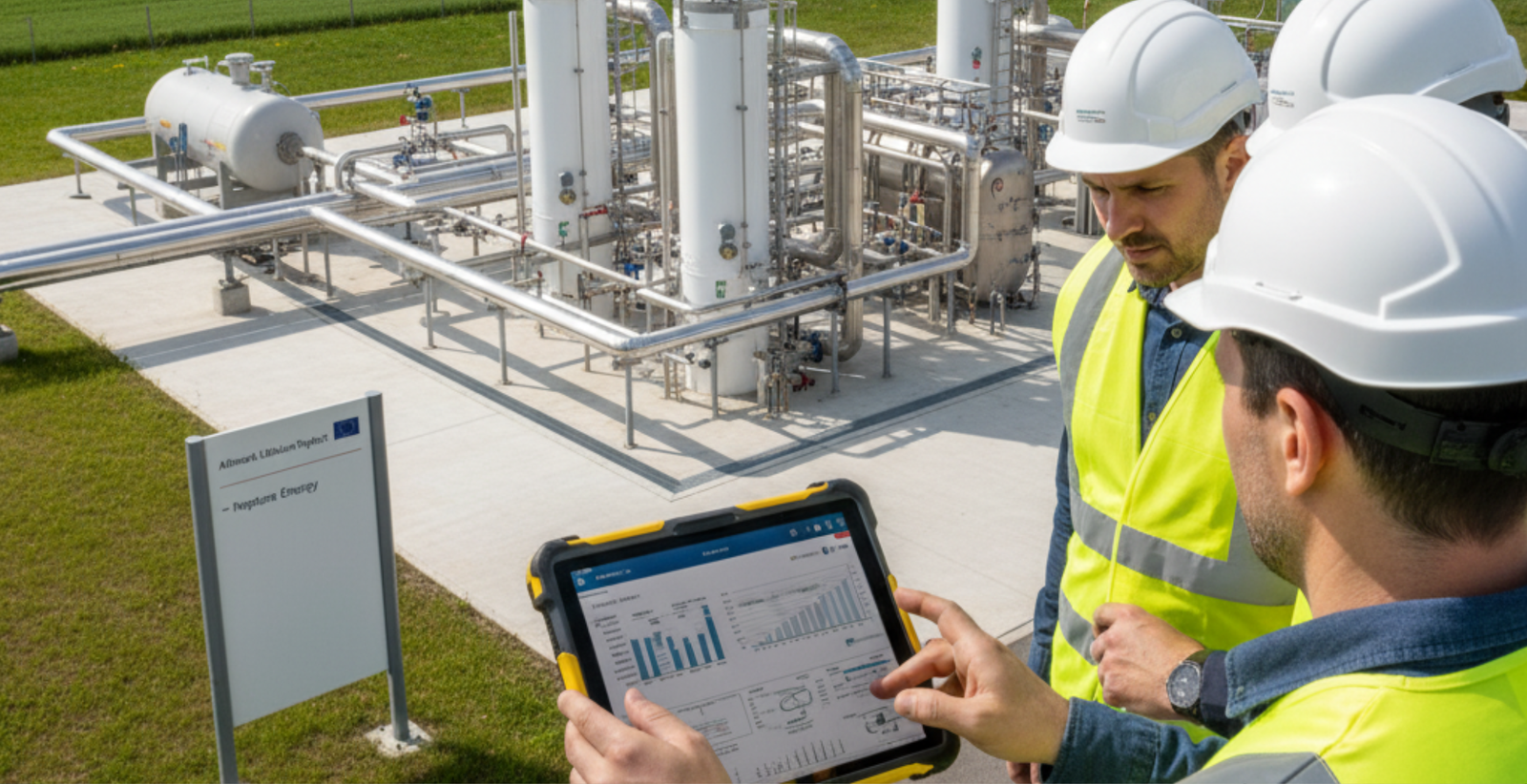
Germany has identified 43 million tons of lithium carbonate equivalent (LCE) in the Altmark region, making it one of the largest known project-based resources worldwide.
If developed, the reserves could supply material for around 500,000 electric vehicles each year by the 2030s.
The real challenge lies not just in mining, but in processing…