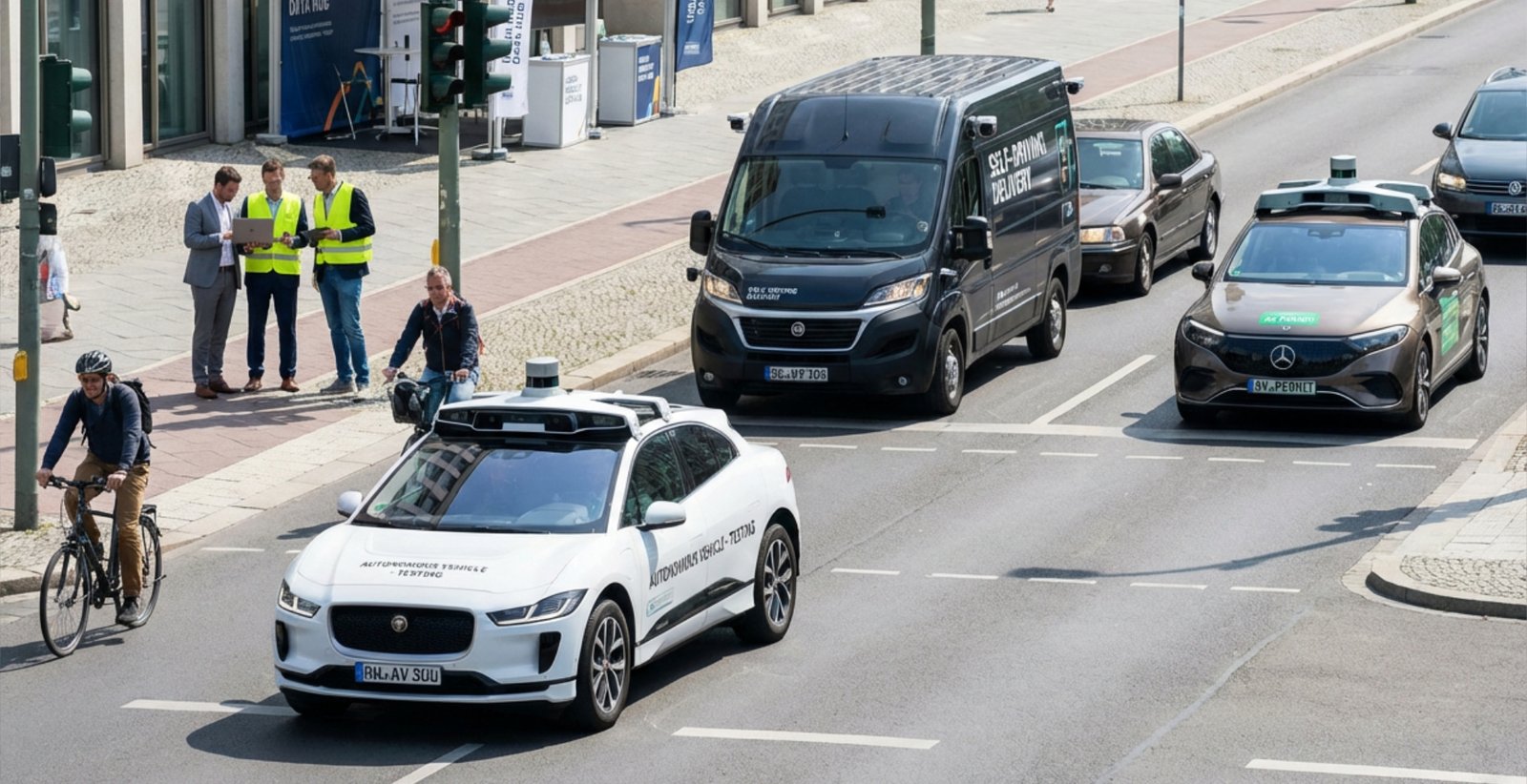
The future of autonomous mobility is no longer theoretical-it is being actively shaped by targeted public investment, advanced research infrastructure, and a clear federal mandate. A new funding opportunity issued by the Center for Connected and Automated Transportation (CCAT) underscores how rapidly the United States is moving toward real-world deployment of connected and automated mobility…

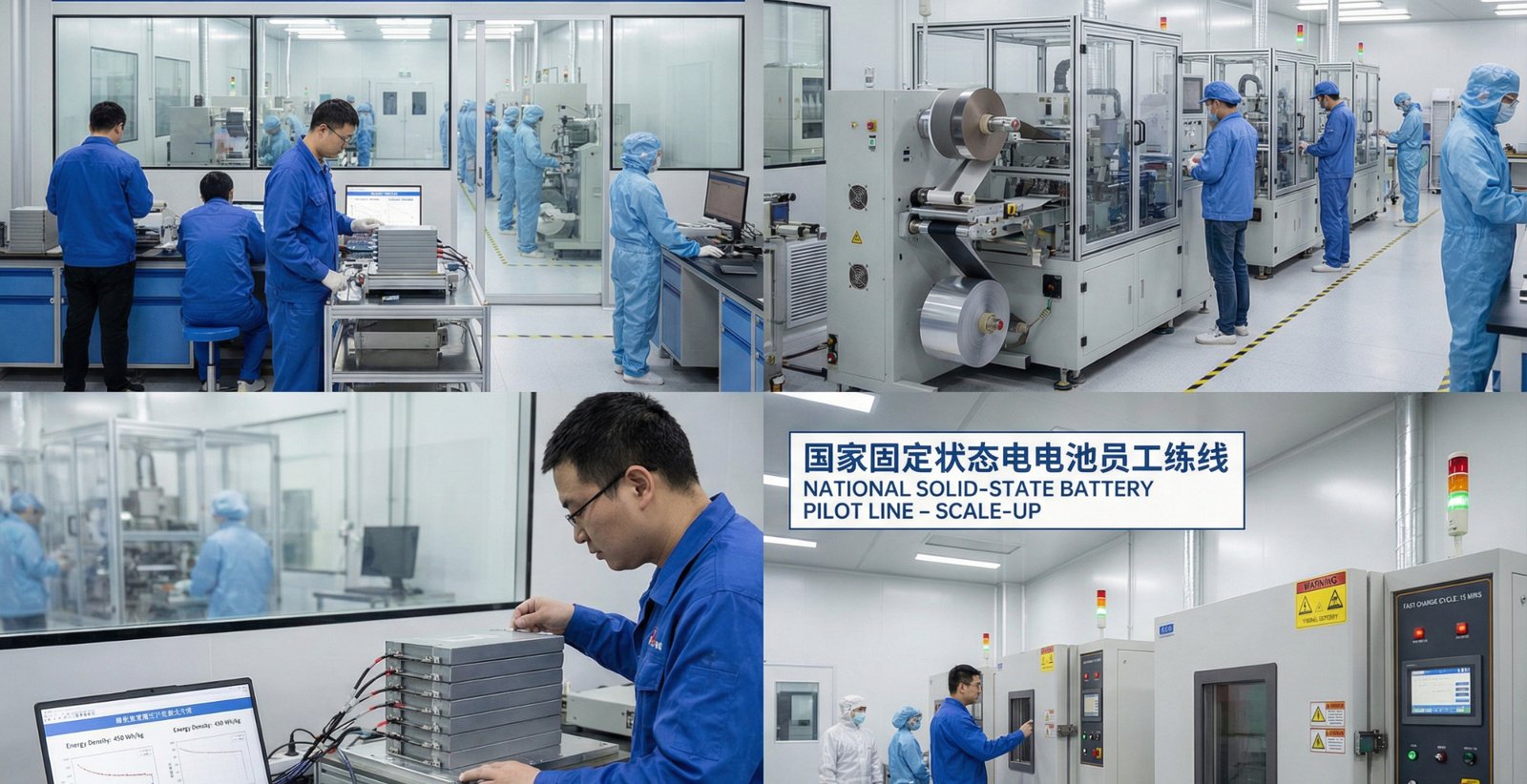
Solid-state batteries, long hailed as the next leap in electric mobility, promise higher energy density, faster charging, and improved safety. After nearly a decade of development, China is moving decisively toward commercial deployment, signaling a shift that could impact automakers, supply chains, and energy infrastructure worldwide.
Dongfeng Motor, a major Chinese state-owned automaker, targets a…
Executive Summary
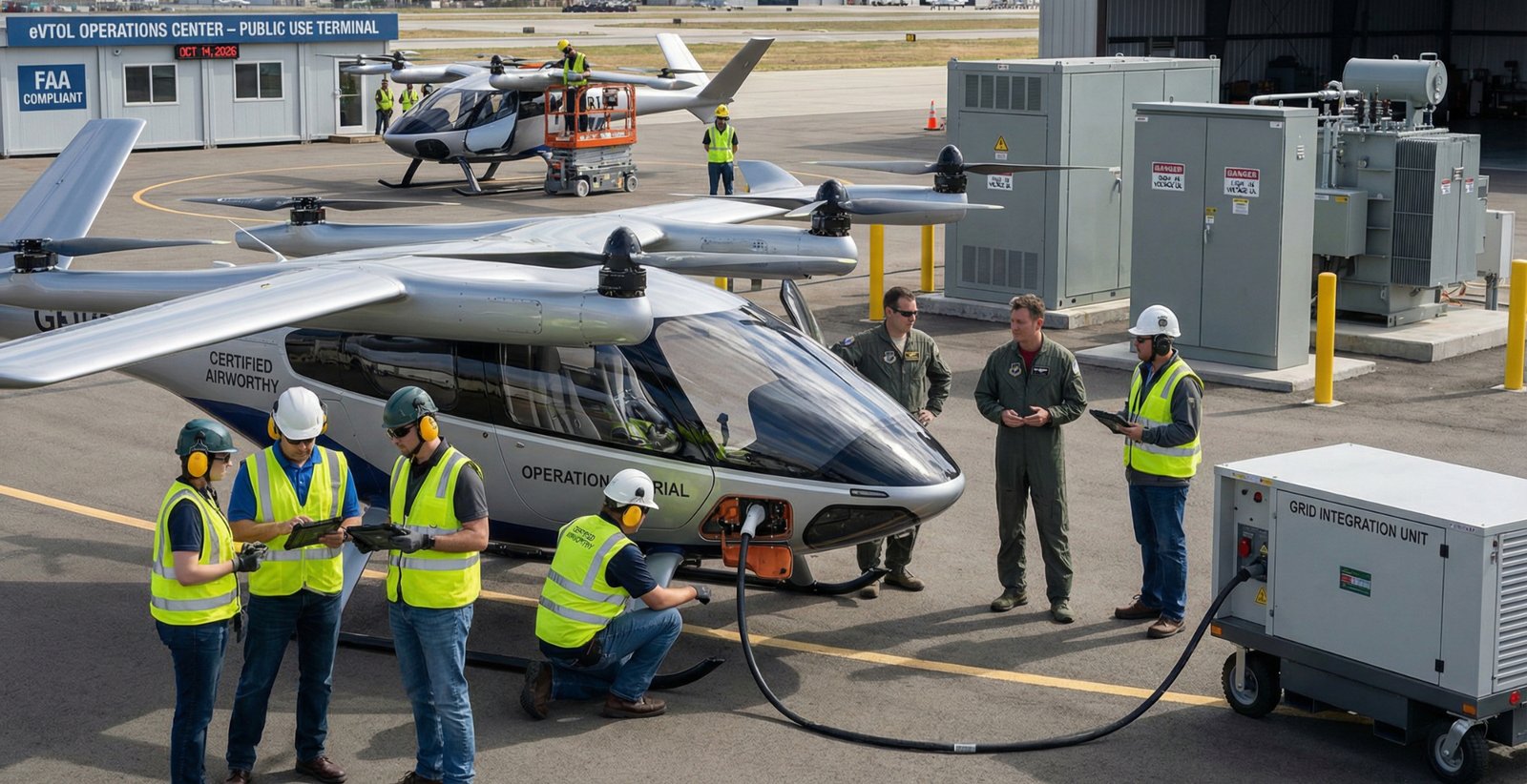
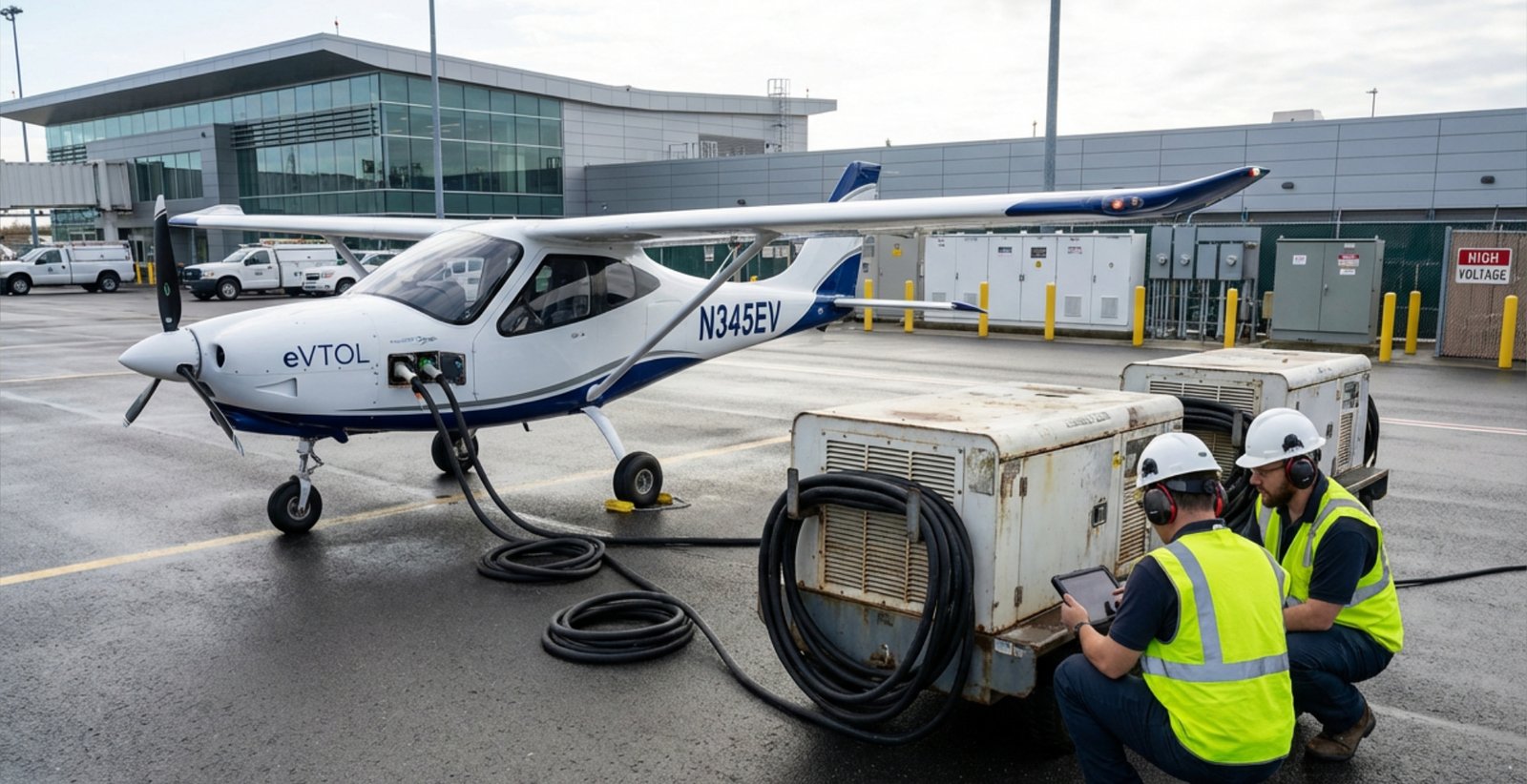
Electric aviation is transitioning from experimental promise to operational reality. While 2025 delivered unprecedented flight-testing milestones for electric air taxis and eVTOL aircraft, 2026 is poised to become the year when electric aviation begins to scale, integrate with real-world infrastructure, and generate early commercial revenue.
For C-level executives across aerospace, mobility, energy, infrastructure,…
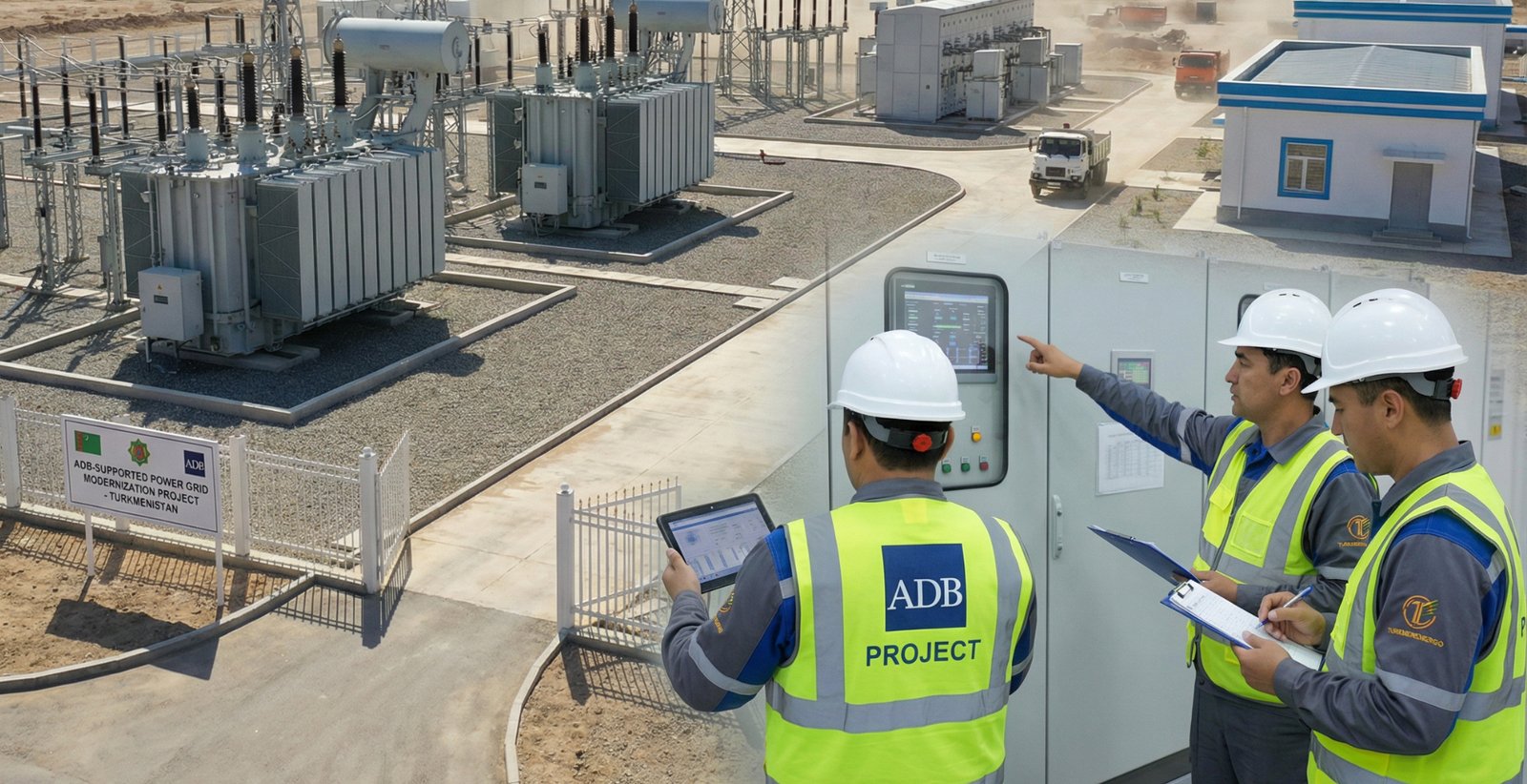
Power grid modernization has emerged as a strategic imperative for nations seeking energy security, economic resilience, and regional competitiveness. In Turkmenistan, this transformation is now gaining momentum through a landmark $500 million investment by the Asian Development Bank (ADB)-the first major engagement by an international financial institution in the country’s electricity sector.
Since 2018, ADB…
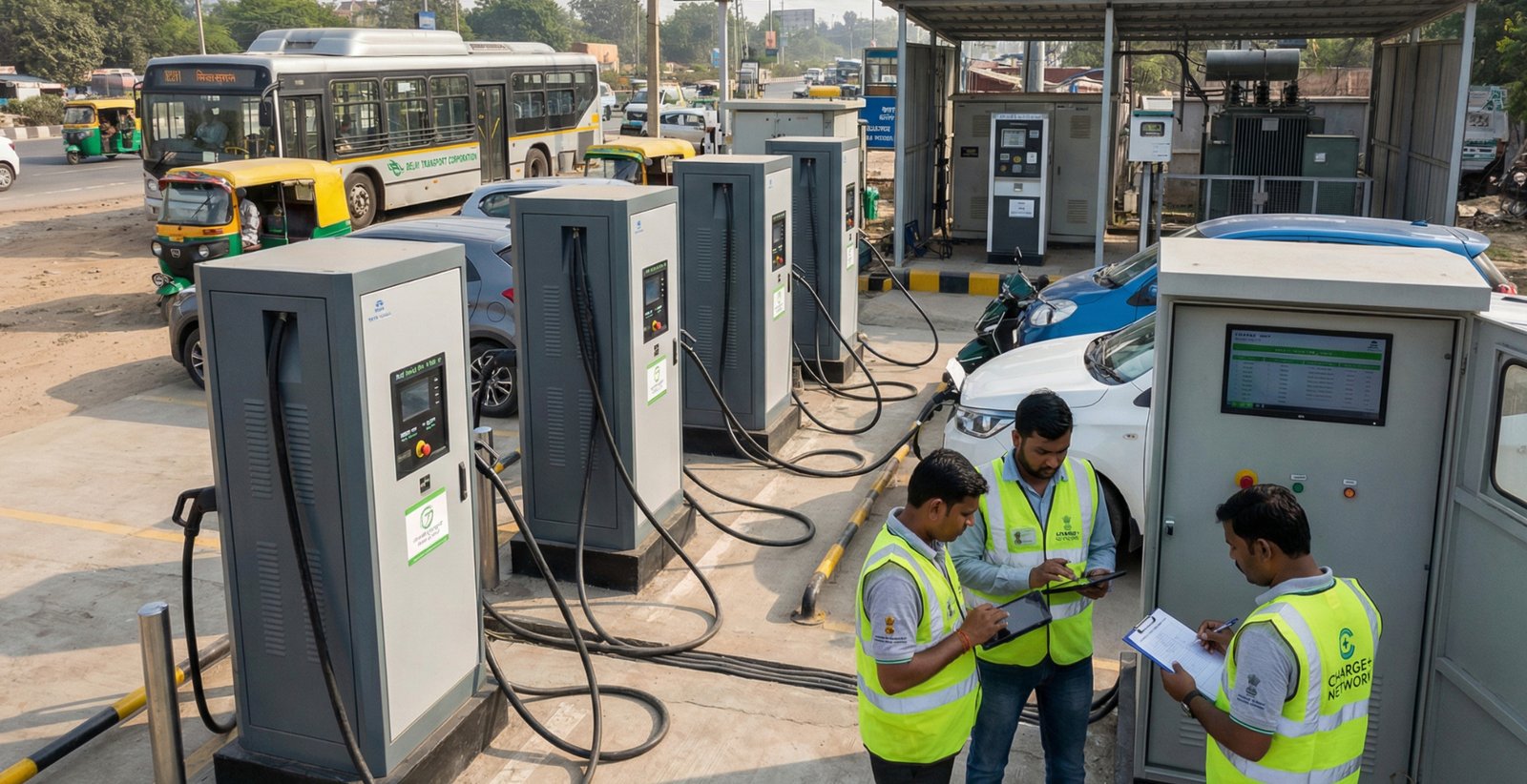
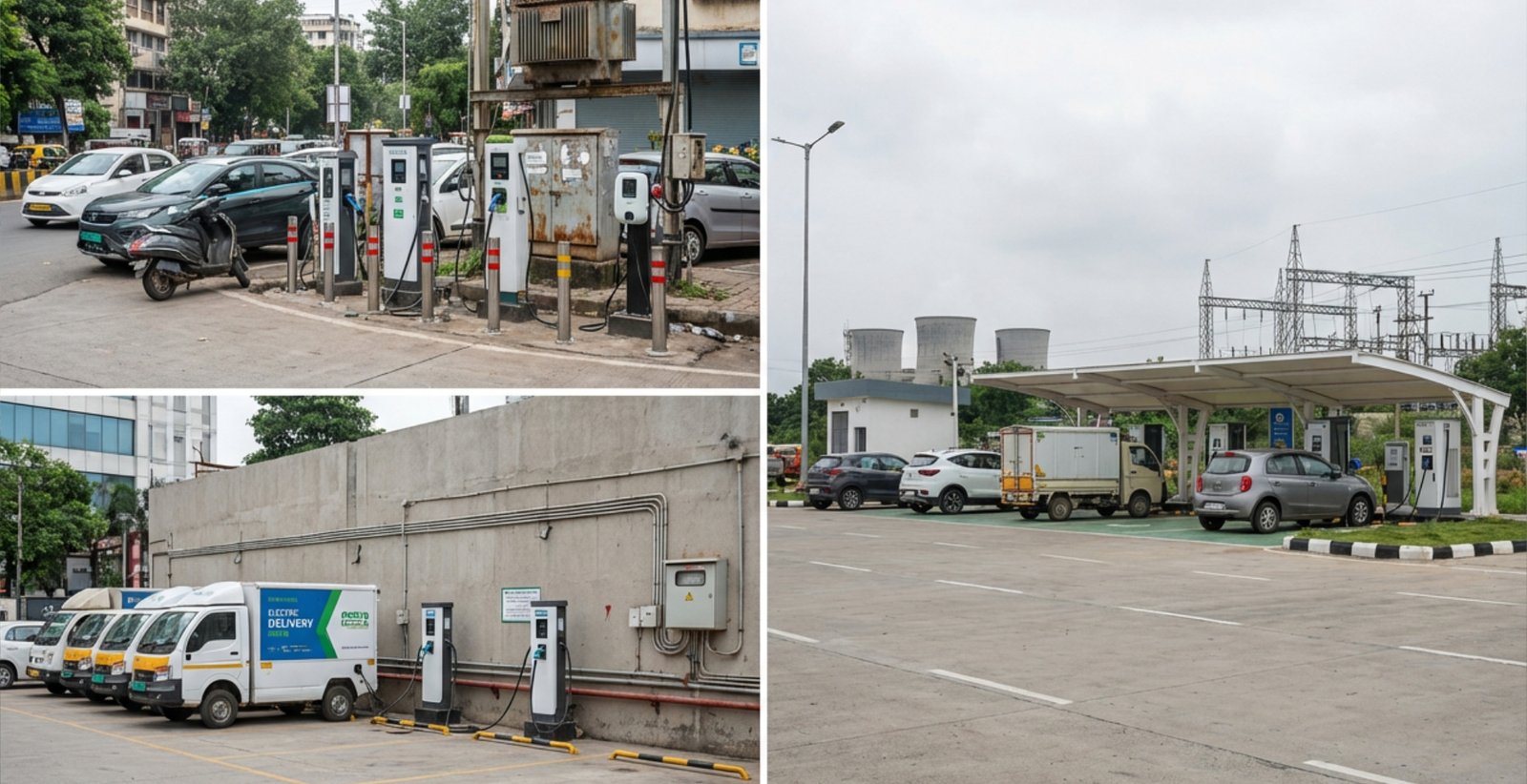
India is moving rapidly from early EV adoption to infrastructure-led electric mobility at scale. By 2026, the country’s EV charging ecosystem is expected to shift from fragmented rollout to structured, policy-backed maturity, with implications far beyond its borders.
Electric two-wheelers, buses, and commercial fleets are already mainstreaming EV adoption. The next phase-charging accessibility, grid integration,…
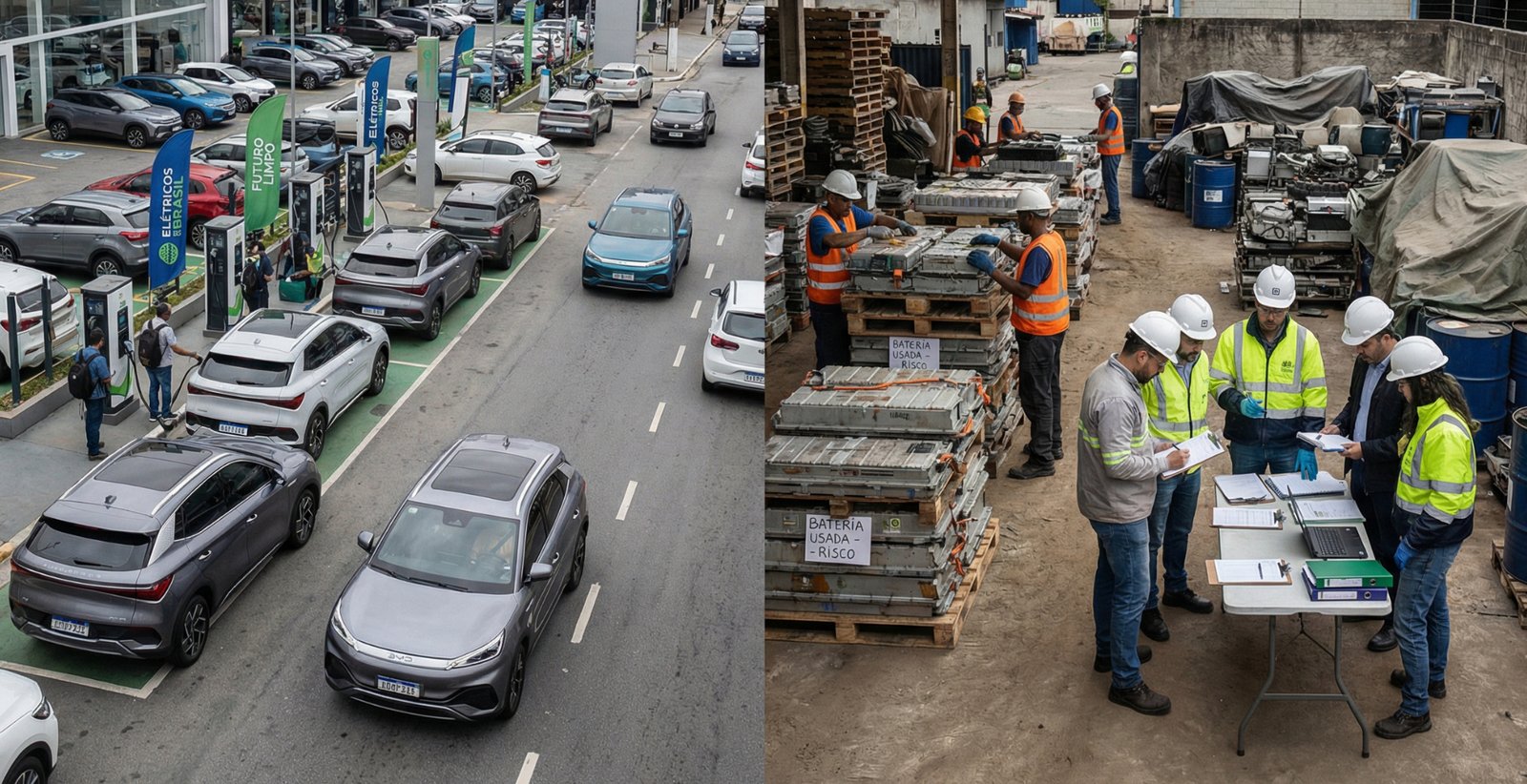
Brazil’s electric vehicle market is expanding at record speed, driven largely by Chinese automakers. Yet behind the surge in EV adoption lies a structural vulnerability that demands urgent executive attention: battery end-of-life management.
With more than 500,000 electric and hybrid vehicles now on Brazilian roads, the country is approaching a phase where large volumes of…
The global autonomous driving market is entering a decisive growth phase, underpinned by rapid technological maturation, expanding real-world deployments, evolving regulatory acceptance, and rising consumer confidence.
Valued at US$170.22 billion in 2024, the market is projected to reach US$668.64 billion by 2033, expanding at a compound annual growth rate (CAGR) of 17.63% between 2025 and…
Executive Summary
Contemporary Amperex Technology Co. Limited (CATL), the world’s largest electric vehicle battery manufacturer, is preparing to commercialize sodium-ion batteries at scale by the end of 2026, marking a pivotal inflection point in global battery technology strategy.
For automakers, energy companies, and policymakers, CATL’s move signals more than a product launch-it reflects a structural…
Executive Summary
The electric aircraft charging infrastructure market is rapidly emerging as a foundational layer of next-generation aviation, with global market value projected to reach USD 2.1 billion by 2030, growing at a 20.7% CAGR. As electric and hybrid-electric aircraft move toward early commercial deployment, charging systems are becoming a strategic determinant of scalability, safety,…
Executive Brief
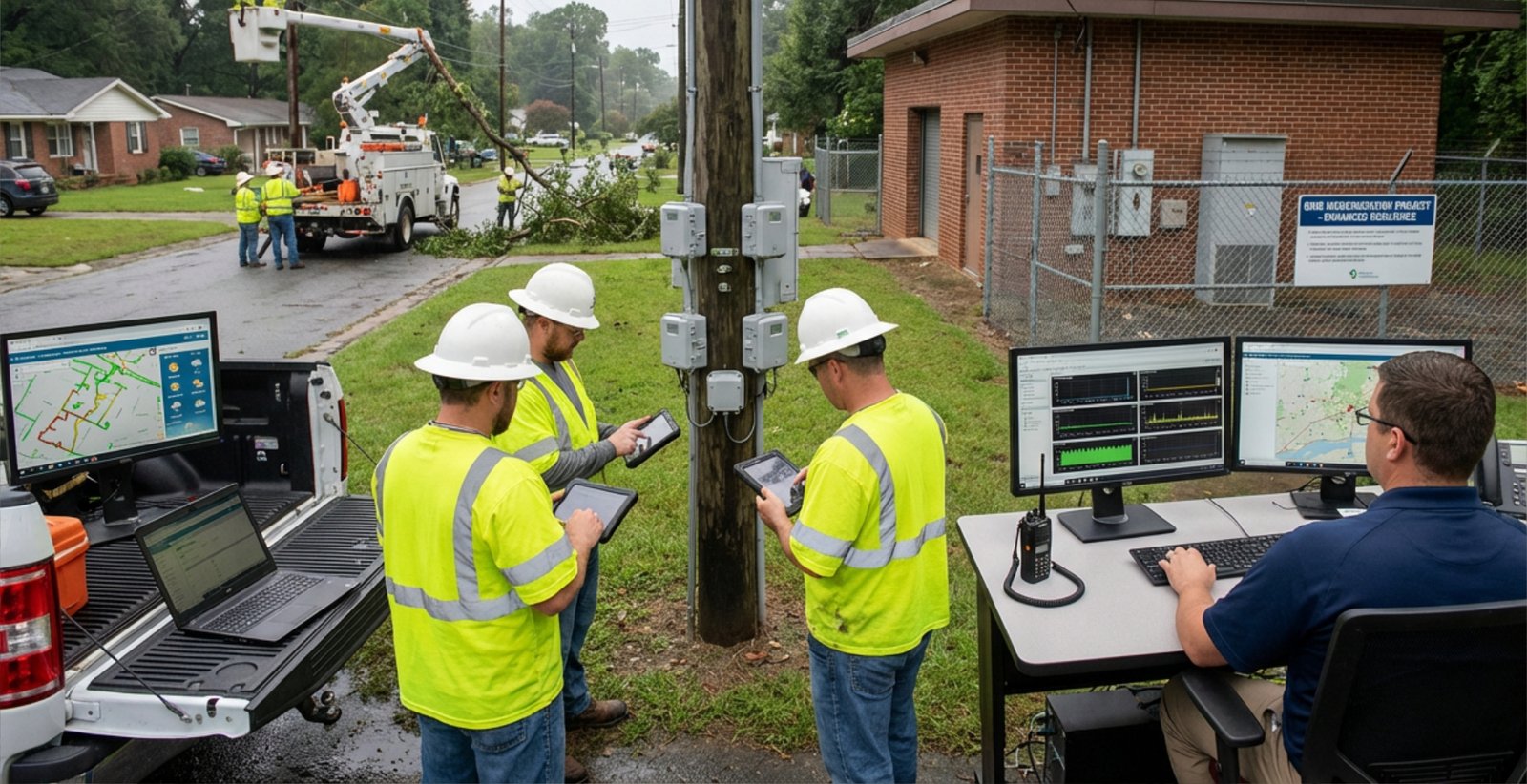
Extreme weather events are no longer edge cases for power systems—they are defining stress tests. From Winter Storm Uri in Texas to Hurricane Ida along the U.S. Gulf Coast, recent disruptions have exposed the vulnerability of aging distribution networks and underscored the urgency of data-driven grid modernization.
Leading utilities and system planners are…
Executive Overview
India’s electric vehicle (EV) transition has entered a decisive phase. Between early 2023 and mid-2025, the country’s public EV charging infrastructure expanded nearly fourfold, driven by policy alignment, private capital inflows, and increasing technology standardisation.
However, headline growth masks structural inefficiencies. Charger concentration in select urban clusters, low utilization rates, and persistent grid…
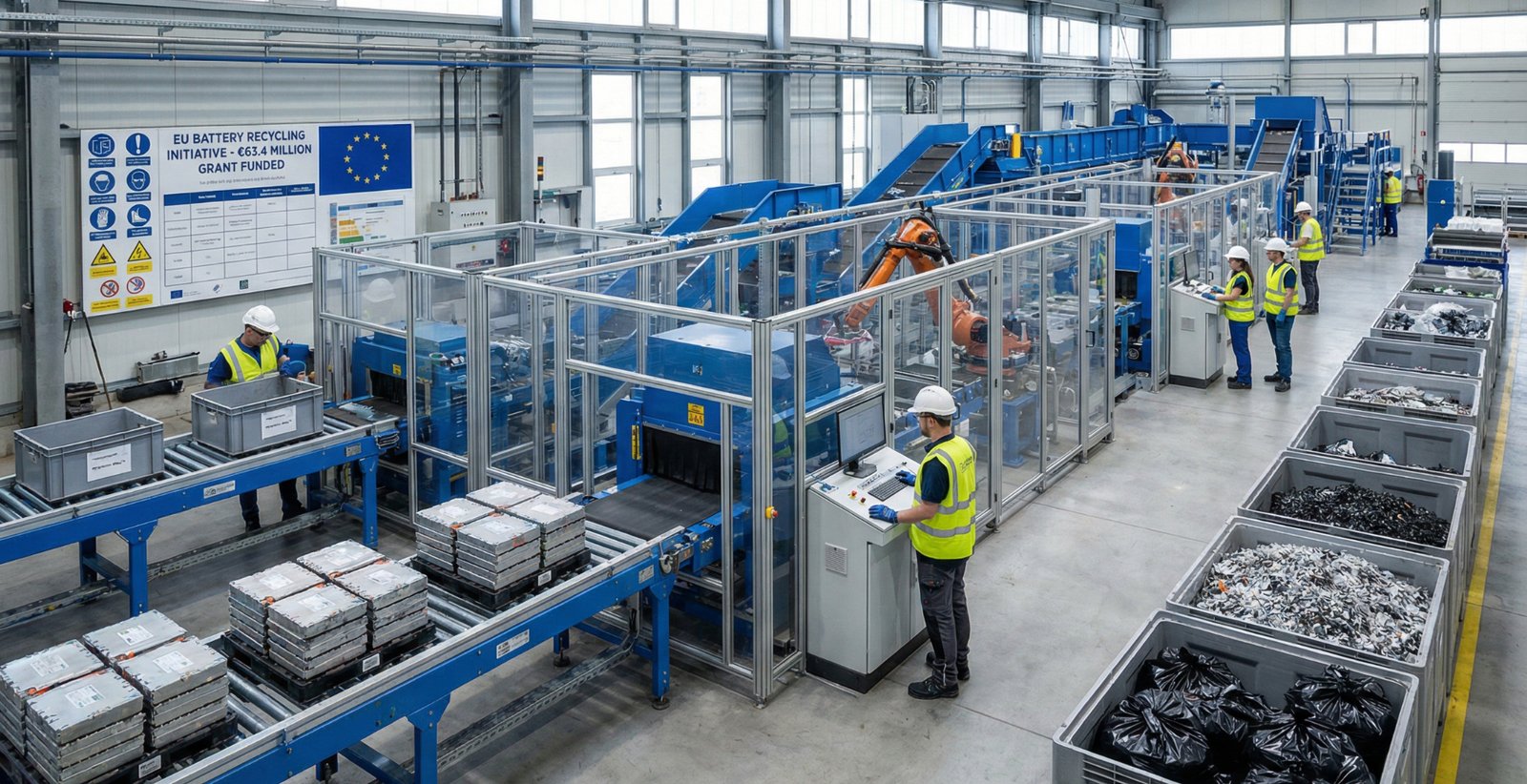
A €63.4 million grant supporting Europe’s first dedicated industrial-scale LFP battery recycling line marks a strategic inflection point for the continent’s battery ecosystem. Backed by Germany’s Federal Ministry for Economic Affairs and Energy, the funding underlines how battery recycling is becoming core industrial infrastructure, not a downstream environmental afterthought.
For executives across automotive, energy storage,…