As autonomous vehicle programs transition from experimentation to commercial reality, Seeing Machines has announced the launch of a dedicated Future Mobility Group, reinforcing its strategic focus on safety, scalability, and human-cantered autonomy. The new group is designed to support OEMs and autonomous vehicle (AV) developers as they integrate production-ready driver and occupant monitoring systems (DMS/OMS)…
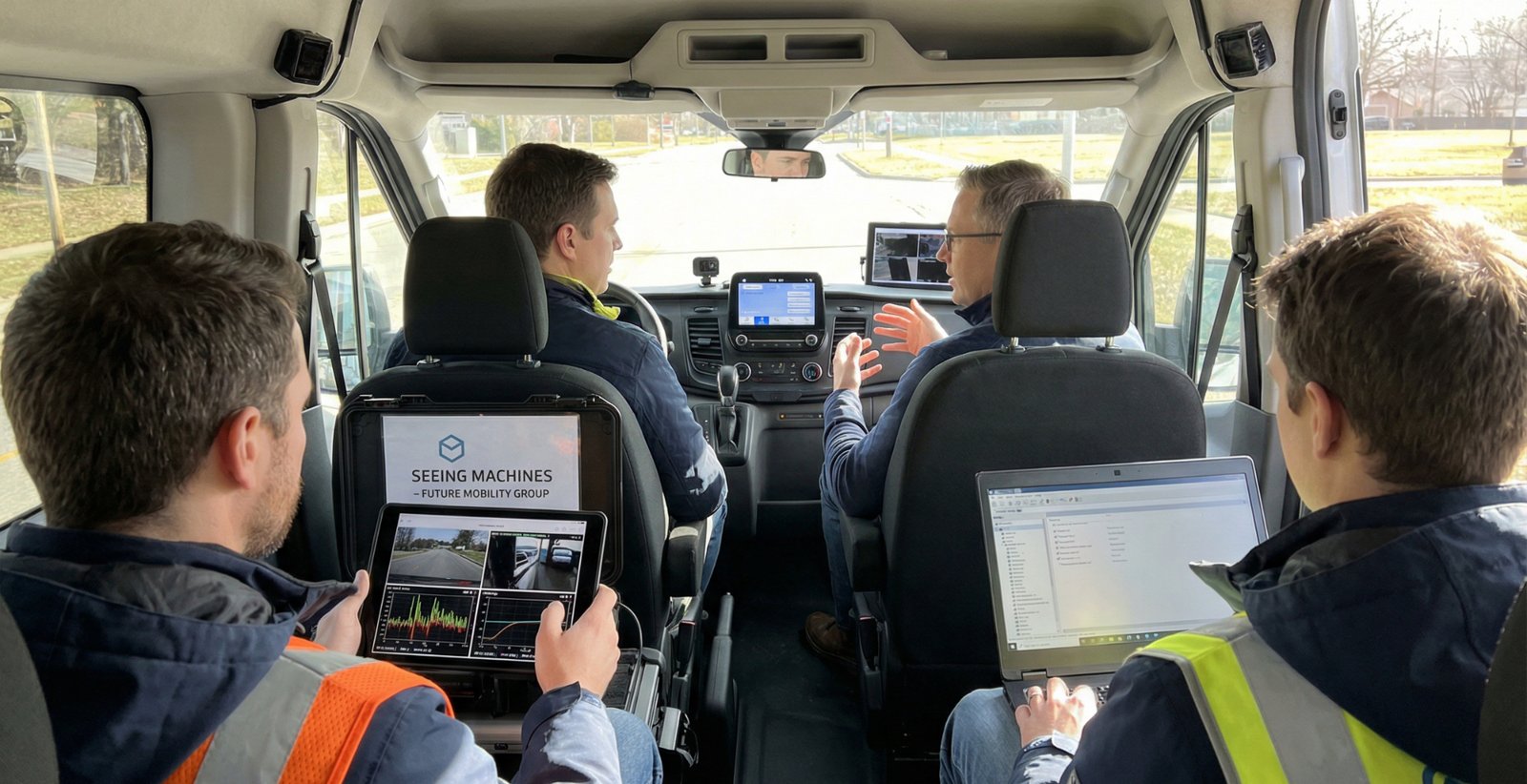
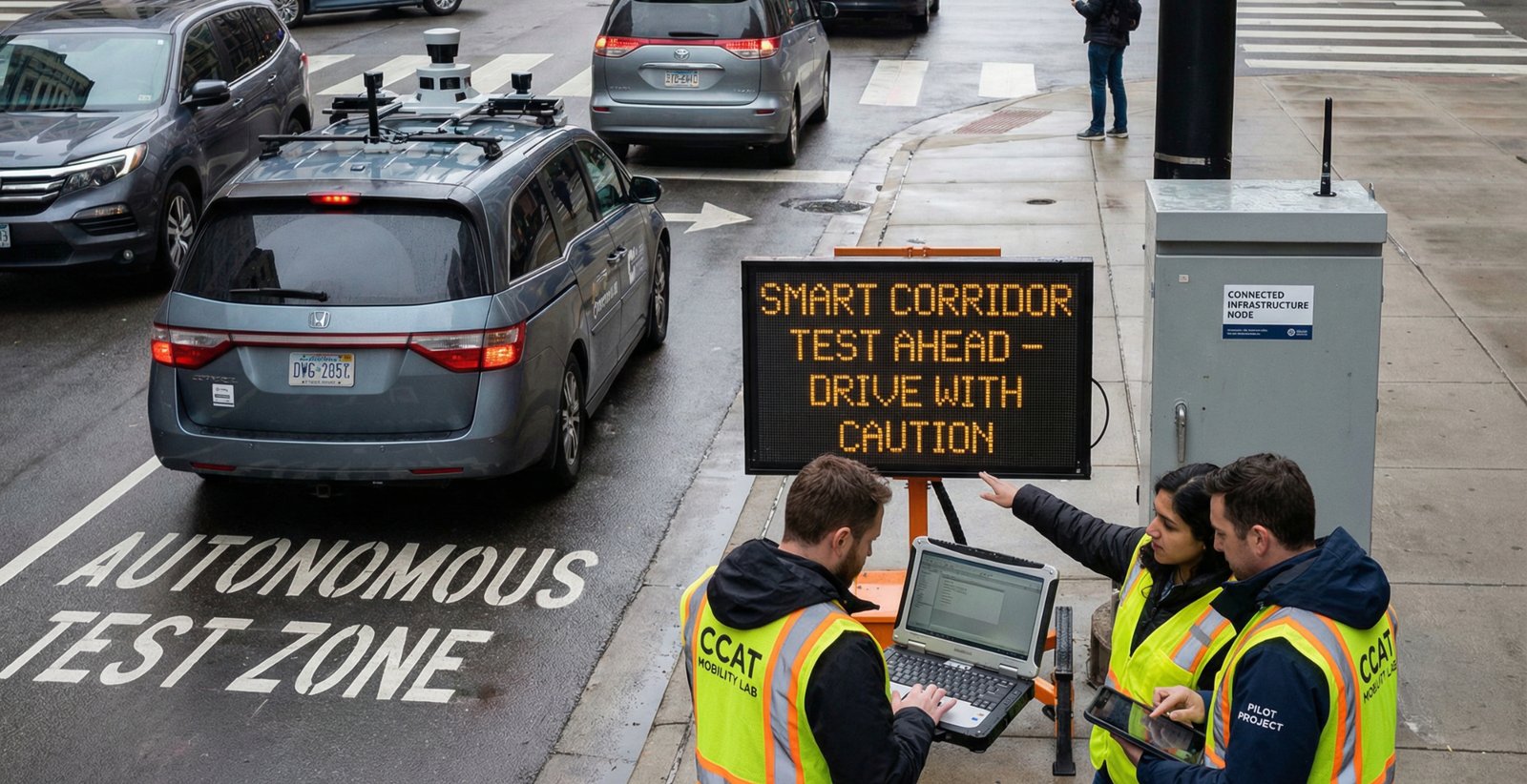
The future of autonomous mobility is no longer theoretical-it is being actively shaped by targeted public investment, advanced research infrastructure, and a clear federal mandate. A new funding opportunity issued by the Center for Connected and Automated Transportation (CCAT) underscores how rapidly the United States is moving toward real-world deployment of connected and automated mobility…
The global autonomous driving market is entering a decisive growth phase, underpinned by rapid technological maturation, expanding real-world deployments, evolving regulatory acceptance, and rising consumer confidence.
Valued at US$170.22 billion in 2024, the market is projected to reach US$668.64 billion by 2033, expanding at a compound annual growth rate (CAGR) of 17.63% between 2025 and…
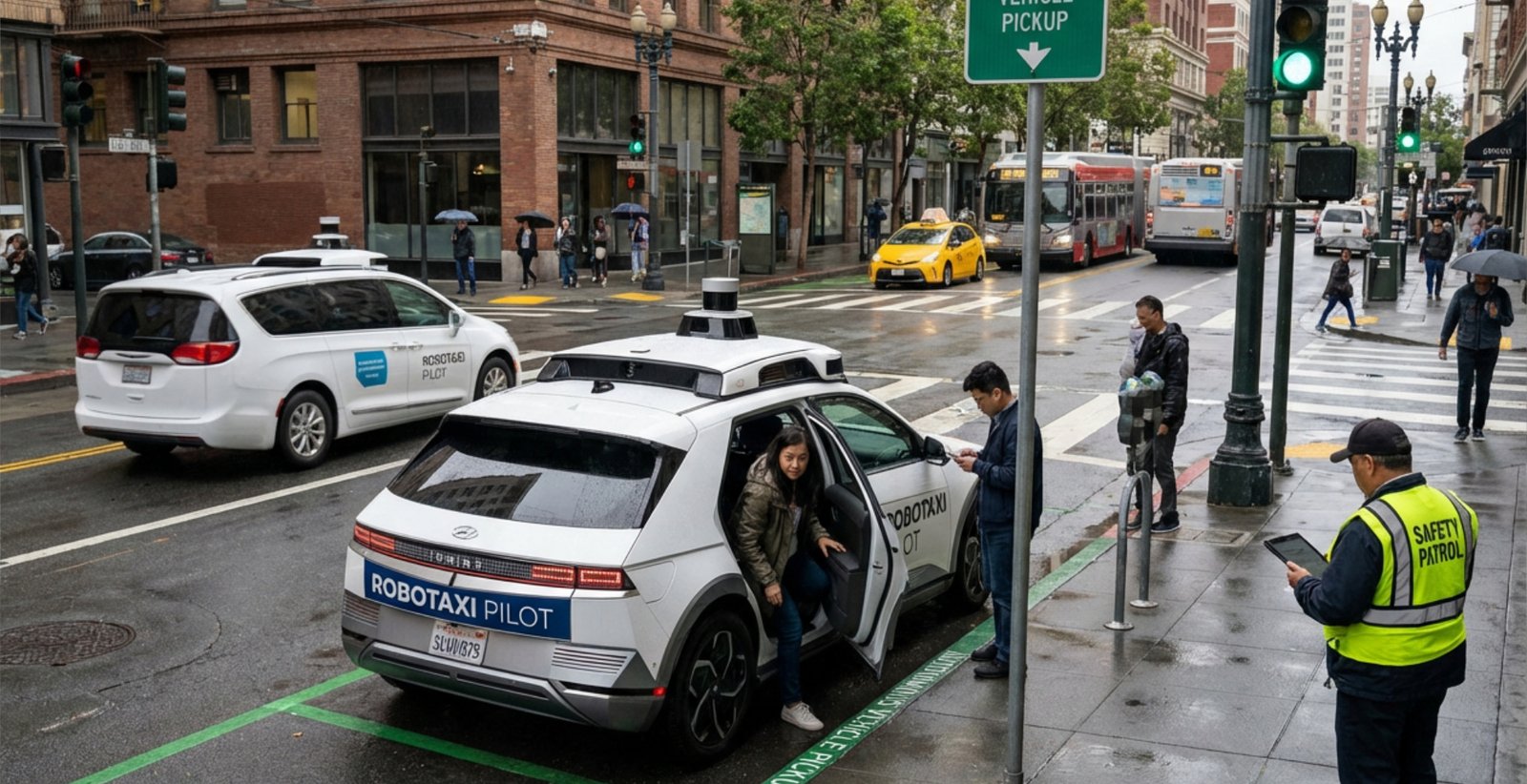
The driverless future is no longer a distant vision-it is being built today, on the streets of major cities around the world. In 2025, robotaxi deployments have moved decisively from closed-track testing to real-world commercial operations, with ride-hailing platforms, automakers, and autonomous technology firms launching services across North America, Europe, China, and the Middle East.
For C-suite…
Waymo Recalls Software to Strengthen Autonomous Vehicle Safety Standards
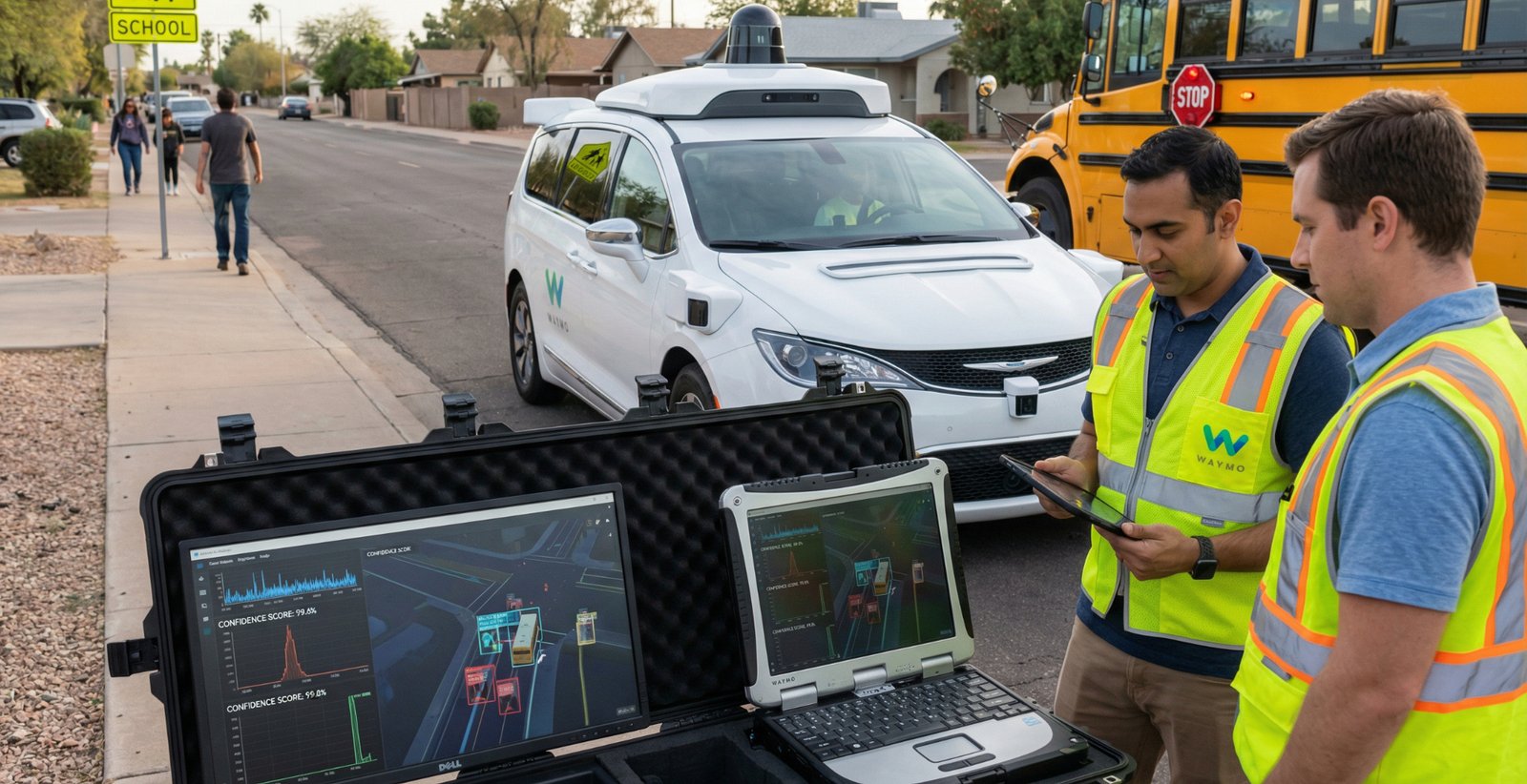
Waymo, the autonomous driving unit under Alphabet, is issuing a voluntary software recall after its self-driving vehicles failed to consistently stop for school buses in Austin, Texas. This decision reflects the company’s proactive stance on autonomous vehicle safety and its ongoing effort to lead responsibly in…
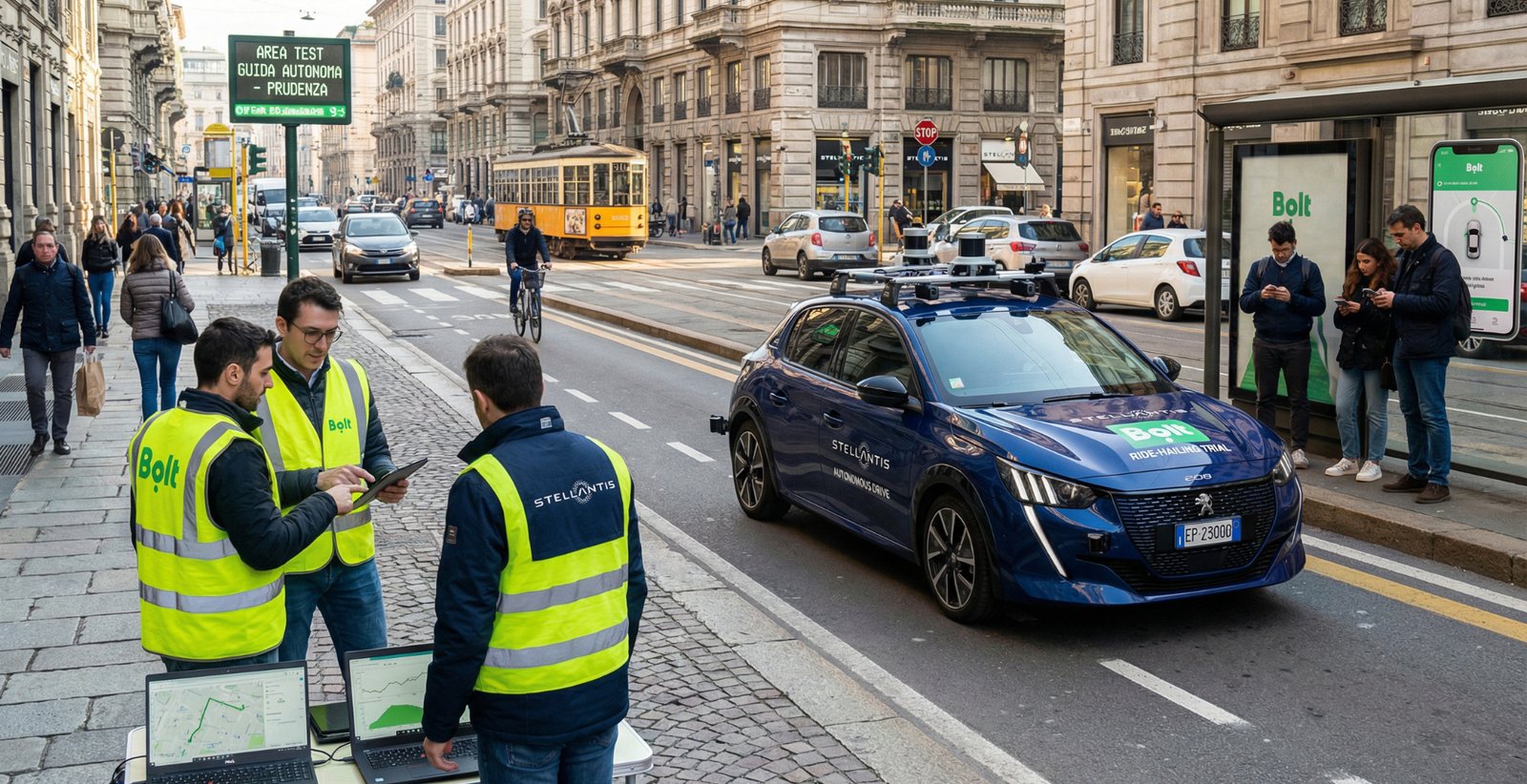
Stellantis and Bolt Launch Strategic Partnership for Autonomous Ride-Hailing in Europe
Stellantis is making a confident return to autonomous mobility with a strategic alliance that places it at the forefront of future-ready transportation. In partnership with Estonia-based ride-hailing platform Bolt, Stellantis plans to launch fully driverless ride-hailing trials across Europe starting in 2026. This initiative…
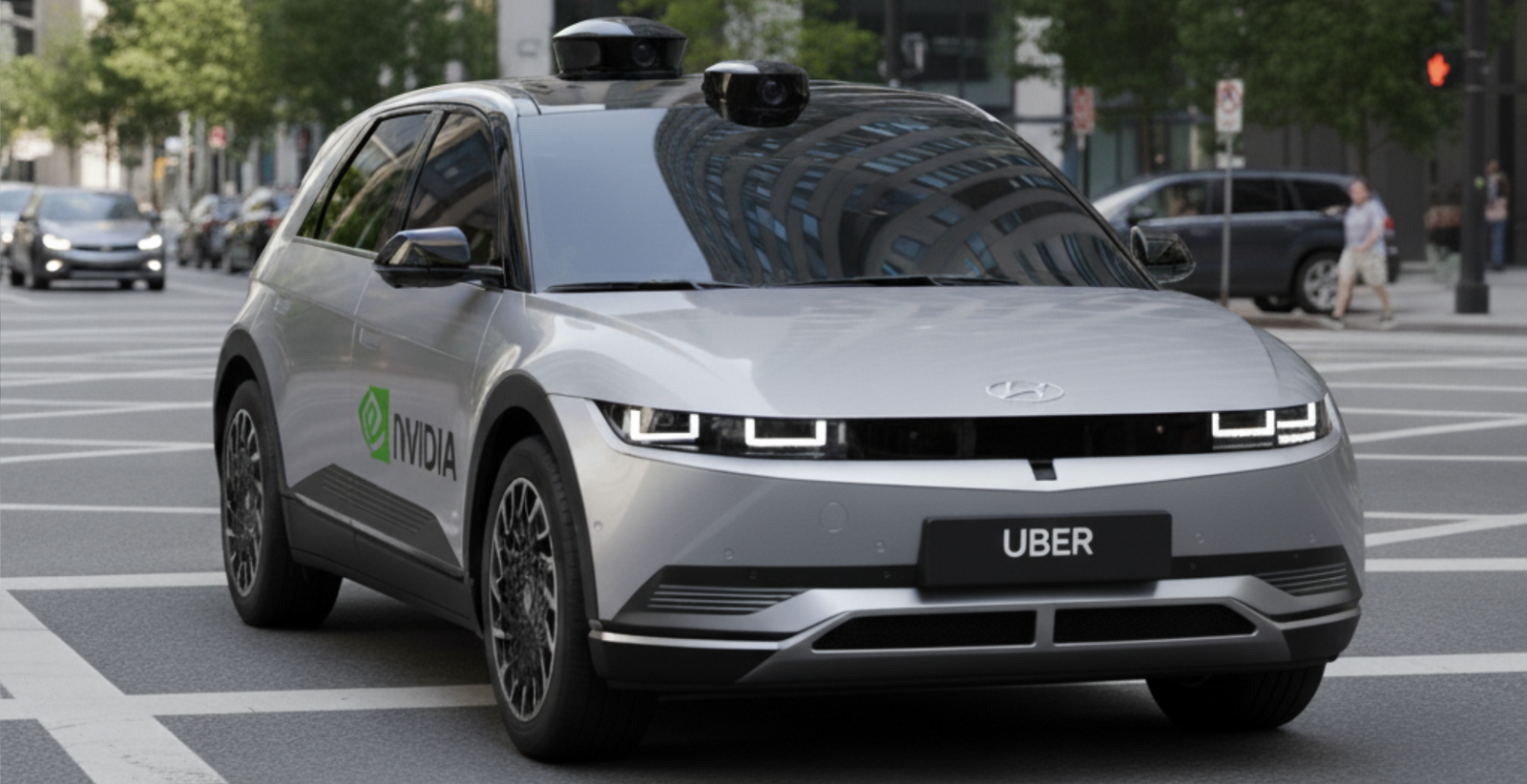
Uber and Nvidia Advance the Global Autonomous Mobility Landscape
Uber and Nvidia have announced a major collaboration to deploy 100,000 autonomous vehicles beginning in 2027, signaling a decisive move toward large-scale commercialization of Level 4 self-driving technology.
The partnership aims to establish the world’s largest Level 4-ready mobility network by combining Nvidia’s new DRIVE AGX…
Key takeaways
Autonomous vehicle technology is accelerating as hardware costs fall, AI models mature, and robotaxis and autonomous shuttles expand beyond pilots into paid service
Human error still drives most crashes, so autonomy promises a step change in road safety while raising new questions about liability for carmakers and software providers
The opportunity extends well…
The Global Transformation of Mobility
The automotive industry is experiencing a historic realignment driven by two powerful forces—electrification and autonomy. These technologies are not only redefining how vehicles are powered and operated but are also reshaping every layer of the value chain, from manufacturing and sales to insurance and repair.
Electric vehicles (EVs) continue to…
Autonomous Driving Reaches a Global Inflection Point
The global race for autonomous driving is entering a new phase. While the United States continues to refine its homegrown autonomous technologies, Chinese players are expanding aggressively across Europe and the Middle East. From robotaxis serving passengers in Swiss cities to robobuses operating in Saudi Arabia, the competition…