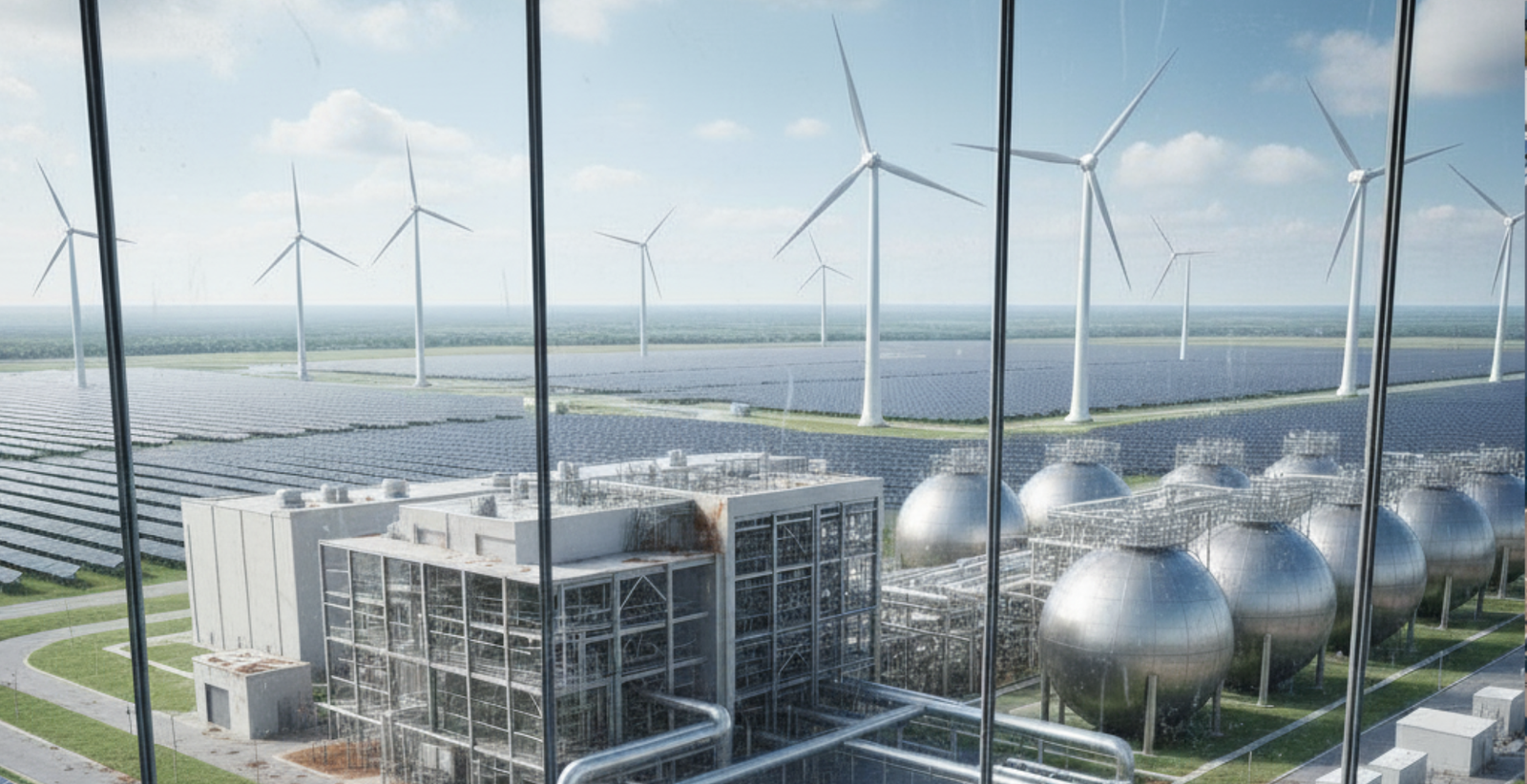
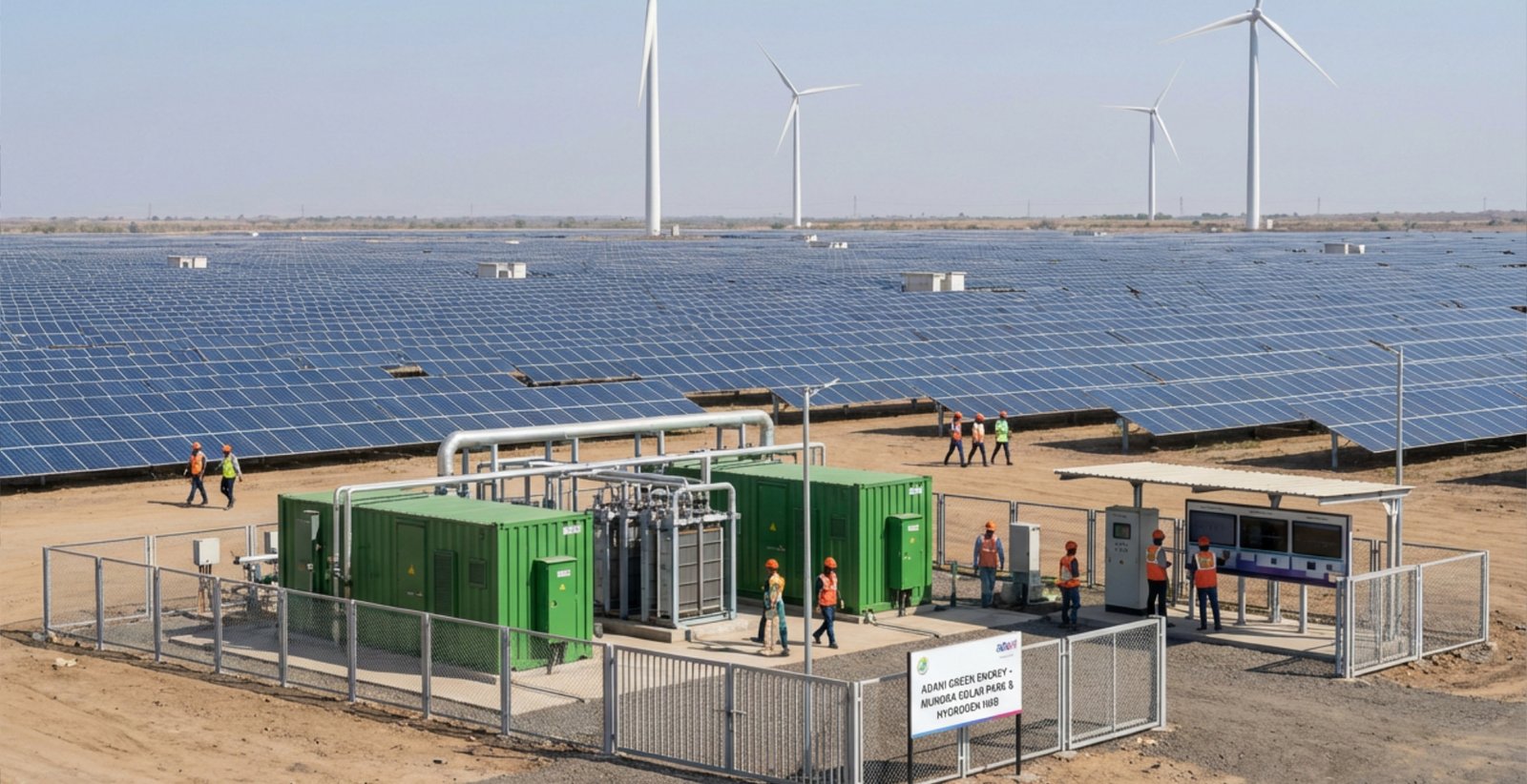
2025 marked a breakout year for Adani Group’s clean energy platform, as its solar, wind, and green hydrogen businesses achieved record scale, advanced technology adoption, and first-of-its-kind projects that solidify its role in the global energy transition.
Adani’s clean energy portfolio crossed a major threshold in 2025, with its solar manufacturing arm Adani Solar surpassing 15,000 megawatts (MW)…
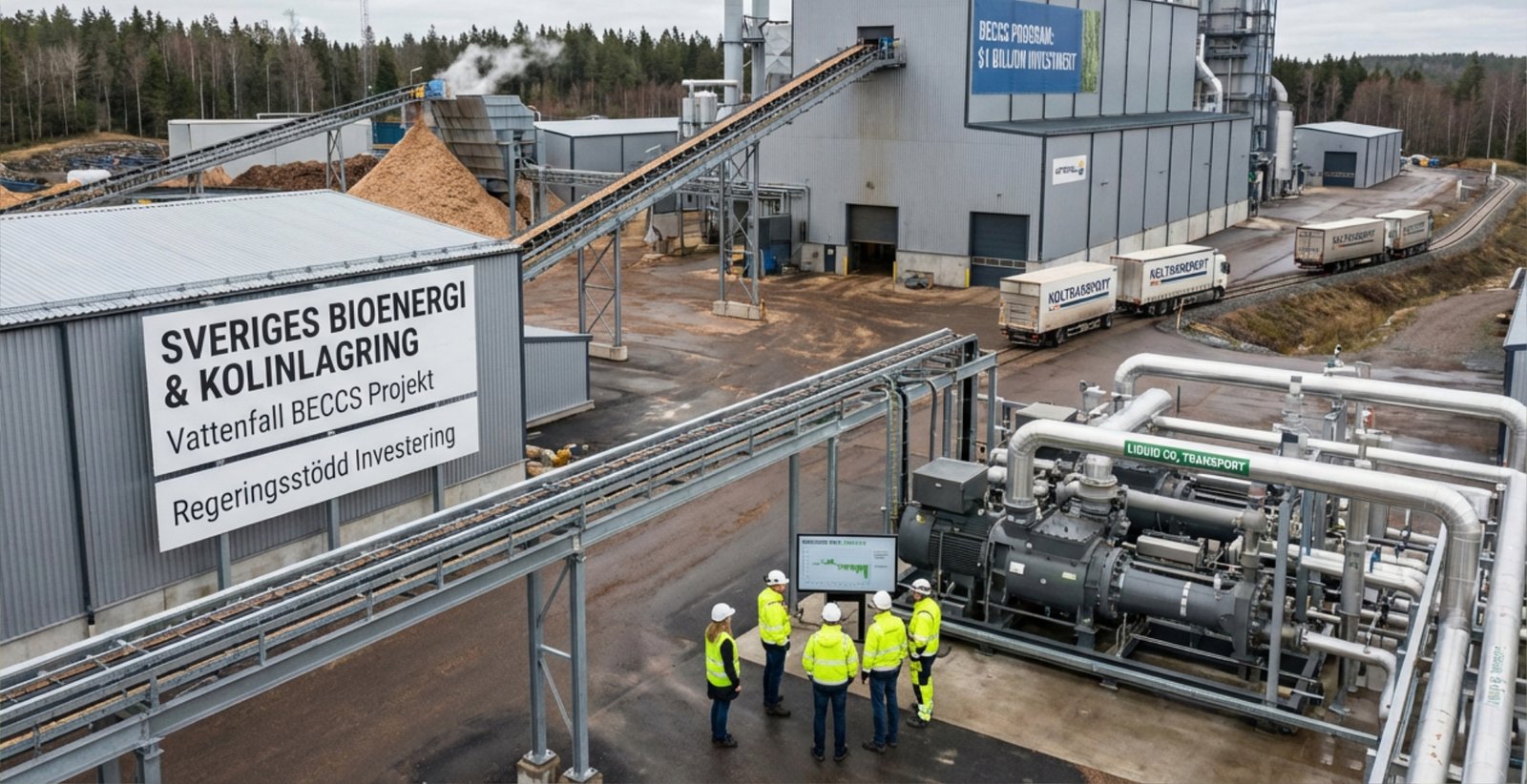
Sweden has taken a decisive step toward shaping the future of sustainable industry with a new $1 billion funding program designed to boost bioenergy with carbon capture and storage (BECCS). The initiative signals a bold commitment to industrial decarbonization and reinforces Sweden’s long-term climate vision-achieving net-zero emissions by 2045 and moving toward a carbon-negative economy thereafter.
Announced by…
Hydrogen Power Revolution: Fuel Cells at 300°C
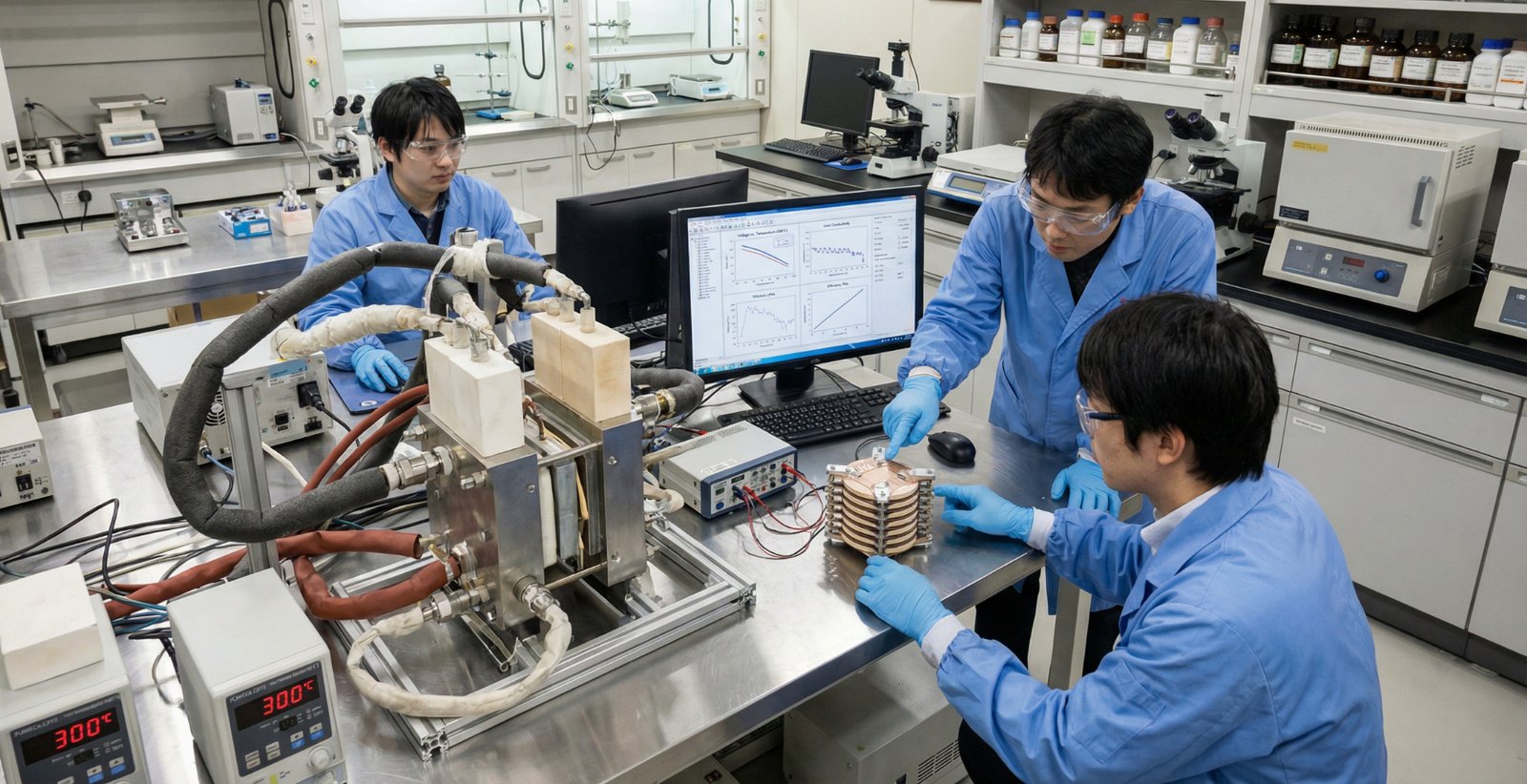
Kyushu University researchers have achieved a landmark breakthrough in hydrogen energy technology. Their new solid-oxide fuel cell (SOFC) operates efficiently at just 300°C, a dramatic reduction from the 700-800°C previously required. This advancement could lower costs and accelerate the adoption of hydrogen power systems across multiple sectors.
The…
UK Government Advances Carbon Capture and Storage with Strategic Funding
The UK government’s 2025 Spending Review marks a pivotal moment for carbon capture and storage (CCUS) in the country. With a clear focus on accelerating industrial decarbonization and clean energy transition, the government has confirmed substantial financial support for major CCUS projects. This includes the…
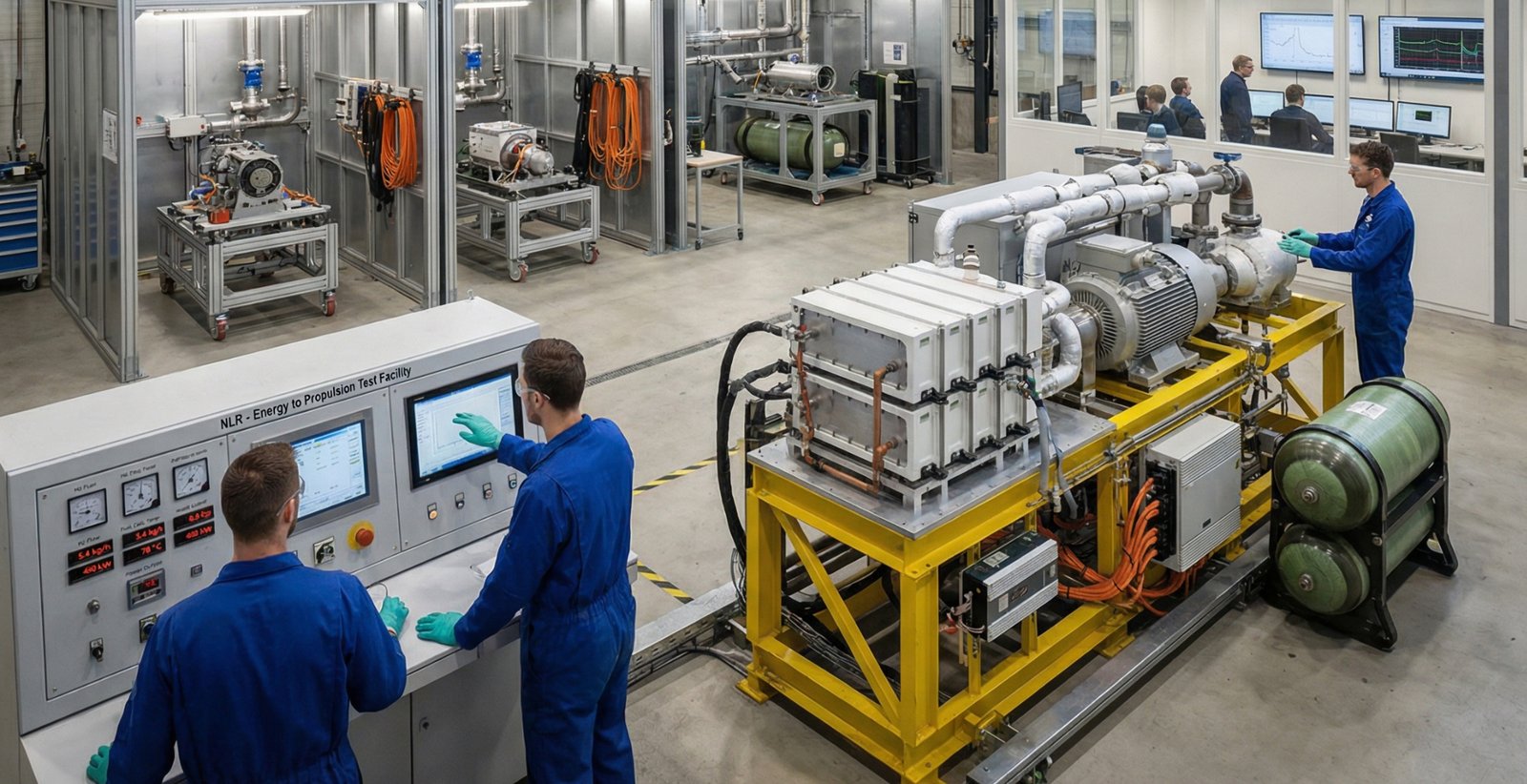
Royal NLR has opened the Energy to Propulsion Test Facility in Marknesse. This new modular research environment is the first in Europe that allows full system level testing of hydrogen electric propulsion for aviation. The facility is designed for startups, small and medium enterprises and major industrial partners that need to evaluate complex hydrogen based…
Introduction
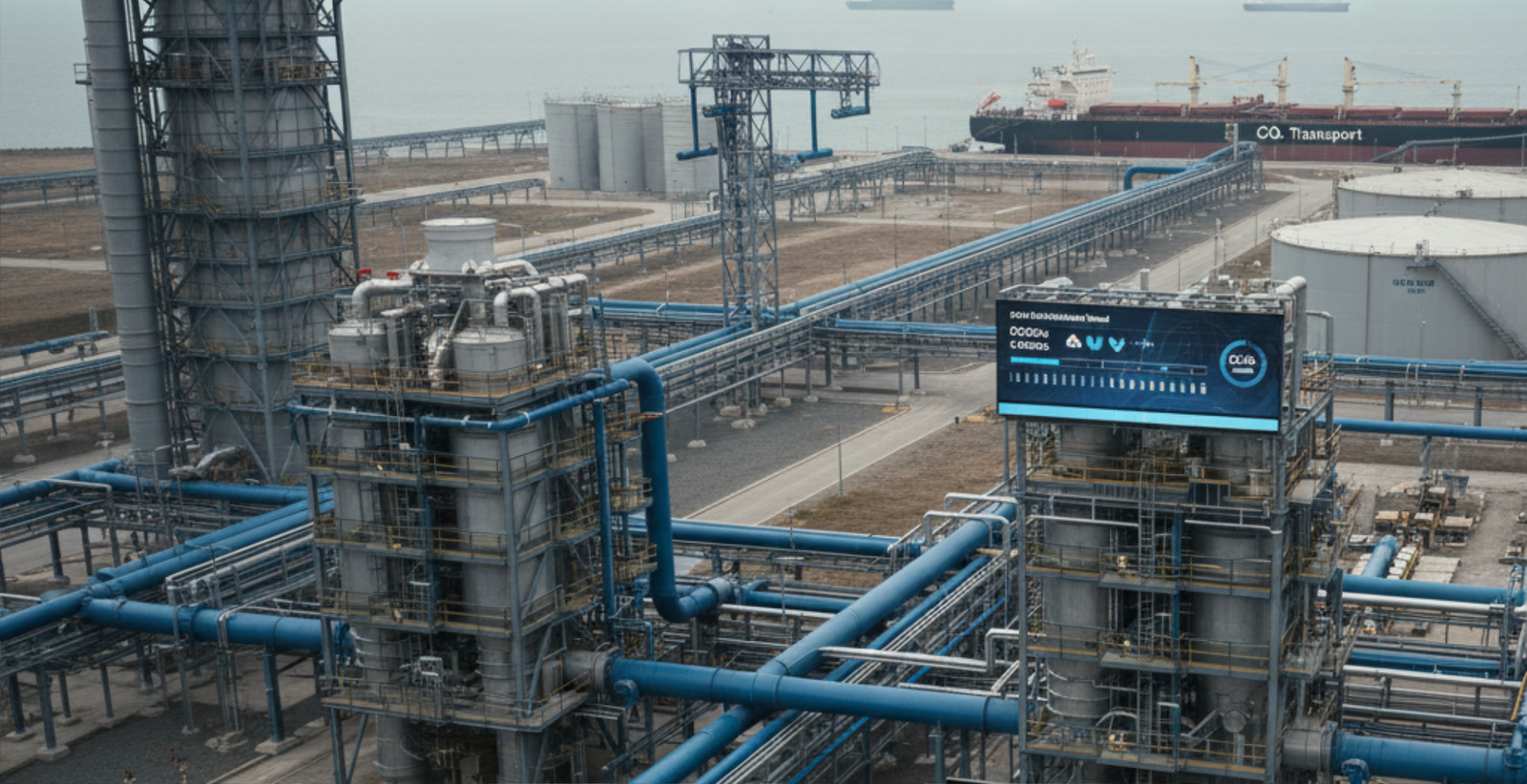
Norway has launched one of the world’s first full-scale carbon capture and storage (CCS) projects for heavy industry. Backed by billions in government funding, this groundbreaking effort could reshape how countries approach industrial decarbonization.
This isn’t a small trial. It’s a nation-wide commitment to capture, transport, and store CO₂ deep beneath the North Sea.…
Hydrogen’s Inflection Point: From Promise to Performance
The hydrogen economy is no longer a distant dream; it is a present-day investment reality. With over $110 billion committed across 500+ projects globally, hydrogen has crossed the threshold from theory to deployment. The first commercial use cases are live. The technology has matured. Institutional capital is on…
Introduction
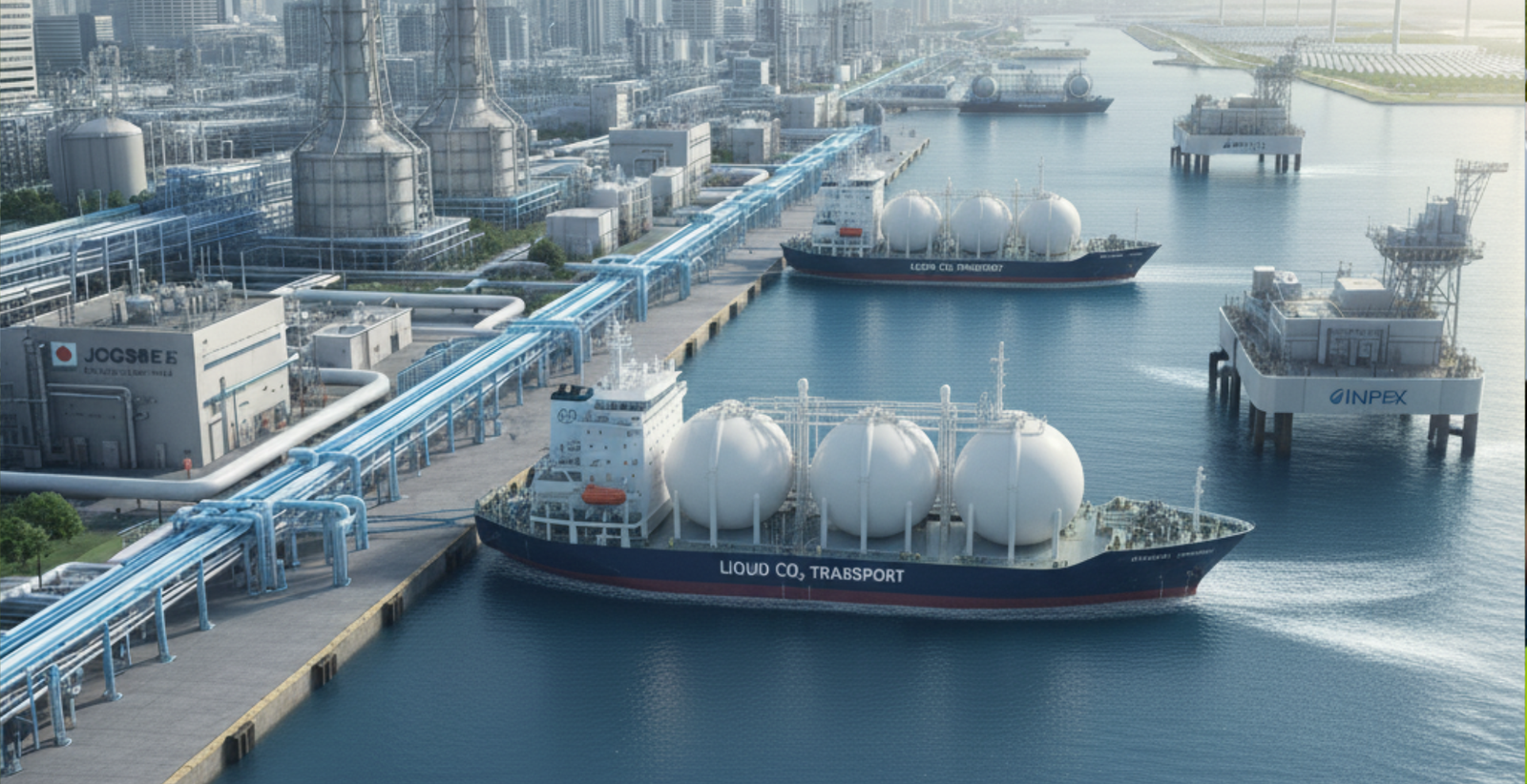
As the race to net zero intensifies, Asia is fast becoming a hotspot for carbon capture, utilisation, and storage (CCUS). At the centre of this transformation stands Japan, positioning itself as a regional leader driving policy, investment, and collaboration across Asia.
This article explores how Japan’s leadership in carbon capture could reshape Asia’s industrial…
A New Chapter in India’s Clean Energy Story
Hydrogen fuel technologies are transforming from research experiments into powerful tools for clean energy. As the world accelerates toward zero-emission mobility, hydrogen is proving to be an ideal alternative to electric batteries, especially for heavy-duty transport such as trucks, buses, and trains.
Globally, hydrogen-powered transport has already…
BHP is bringing together a global group of steelmakers and energy companies to explore carbon capture, utilization, and storage (CCUS) hubs across Asia. The effort focuses on industries that are some of the hardest to decarbonize: steel, cement, and chemicals. For these sectors, CCUS is not just a technology option. It is rapidly becoming a…
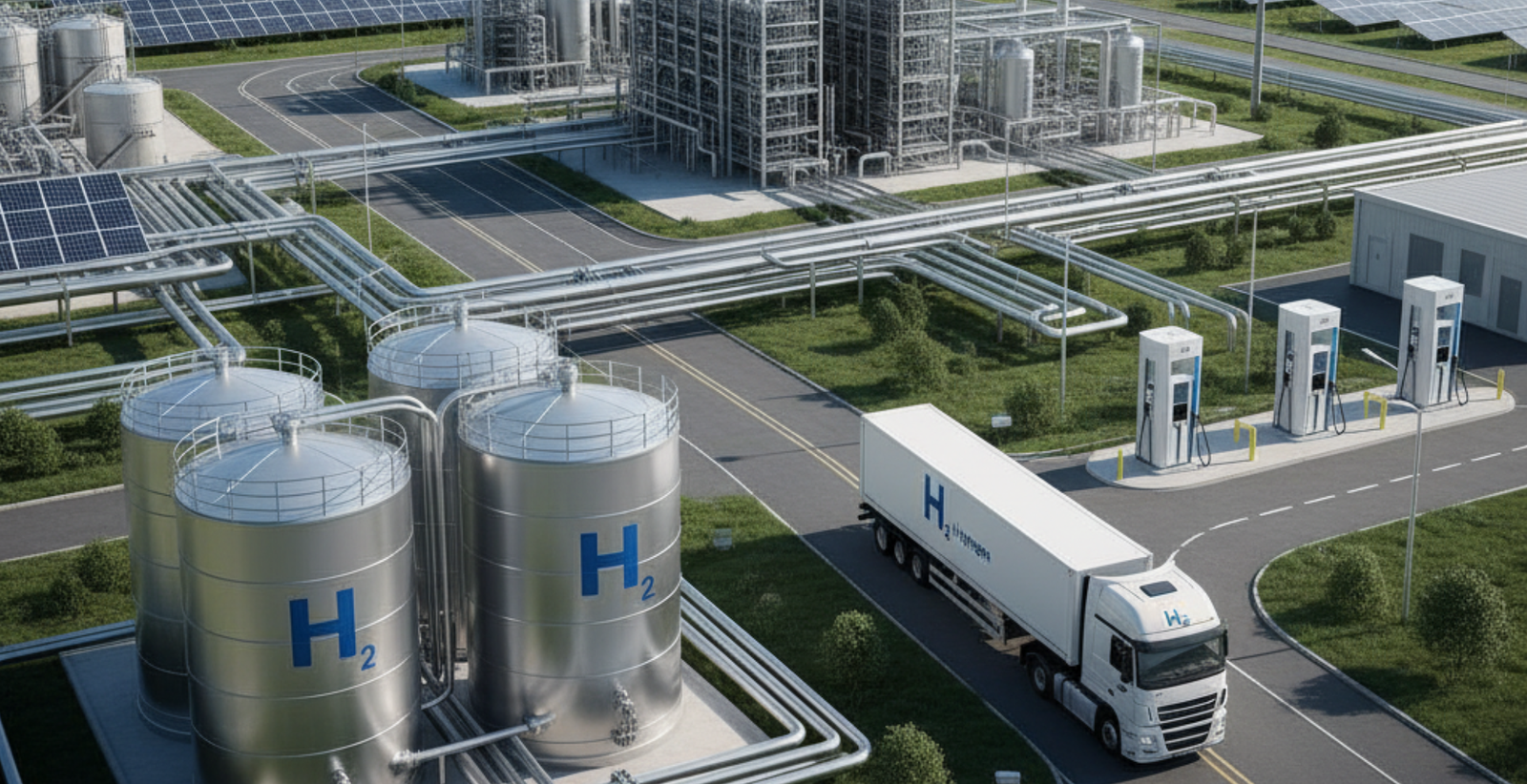
Hydrogen is rapidly becoming a cornerstone of the clean energy transition. It offers a dense, zero-carbon fuel that can decarbonize electricity, industry, transport, and heating. Among the various forms of hydrogen, green hydrogen, produced from water or biomass using renewable power, presents the most sustainable path forward with near-zero lifecycle emissions and transformative potential for…
CCUS mainstream adoption is accelerating. Once seen as too expensive and experimental, carbon capture, utilization, and storage (CCUS) is now becoming central to industrial strategy. A mix of regulatory pressure, investor demands, and customer expectations is transforming CCUS from an optional add-on to a core business requirement. For executives, the question is no longer whether…