
India Power Sector Roadmap 2026–2036: A Strategic Blueprint for Global Energy Transition
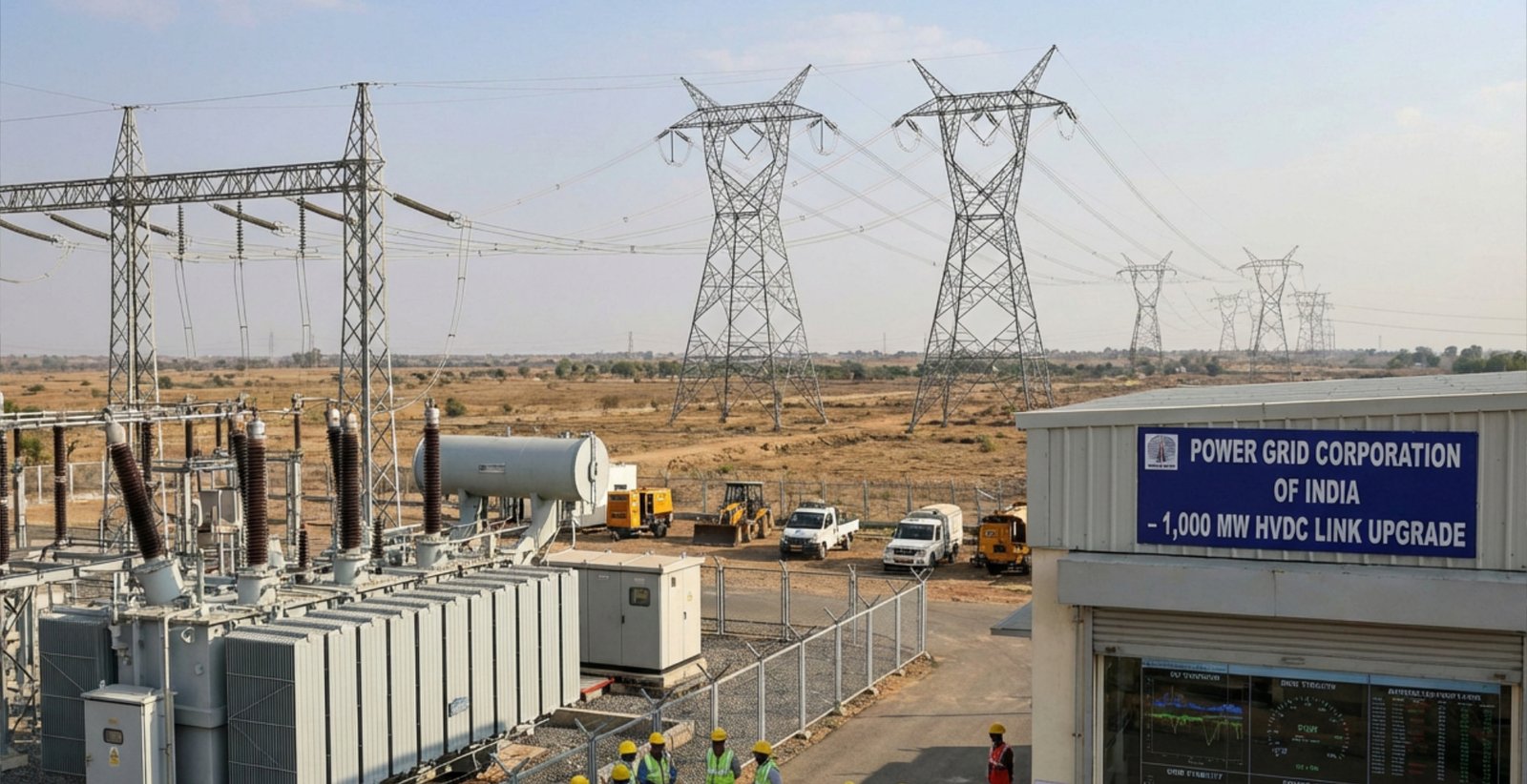
India’s latest 2026–2036 power sector roadmap, released by the Central Electricity Authority, signals a decisive shift in how large-scale economies will manage the next phase of the global energy transition.
For C-level executives, infrastructure investors, and energy strategists, the roadmap is not just a national policy framework-it is a forward indicator of how future energy systems will be structured across emerging markets.
A Rapidly Evolving Energy Mix at Scale
India’s installed capacity has reached approximately 520.5 GW in 2026, with more than 50% now derived from non-fossil sources, including solar, wind, hydro, and nuclear power.
This positions India among the fastest-scaling clean energy markets globally. The addition of over 50 GW in a single year, predominantly from renewables, reflects an accelerated transition curve that is increasingly shaping global energy investment flows.
For industry leaders, this marks a structural reality: emerging economies are no longer following the energy transition-they are driving it.
Grid Reliability Becomes the Defining Constraint
While renewable expansion continues at scale, India’s roadmap clearly identifies the central challenge facing all high-renewable systems: grid stability.
To address this, the strategy prioritizes:
- Large-scale battery energy storage systems (BESS)
- Pumped hydro storage for long-duration balancing
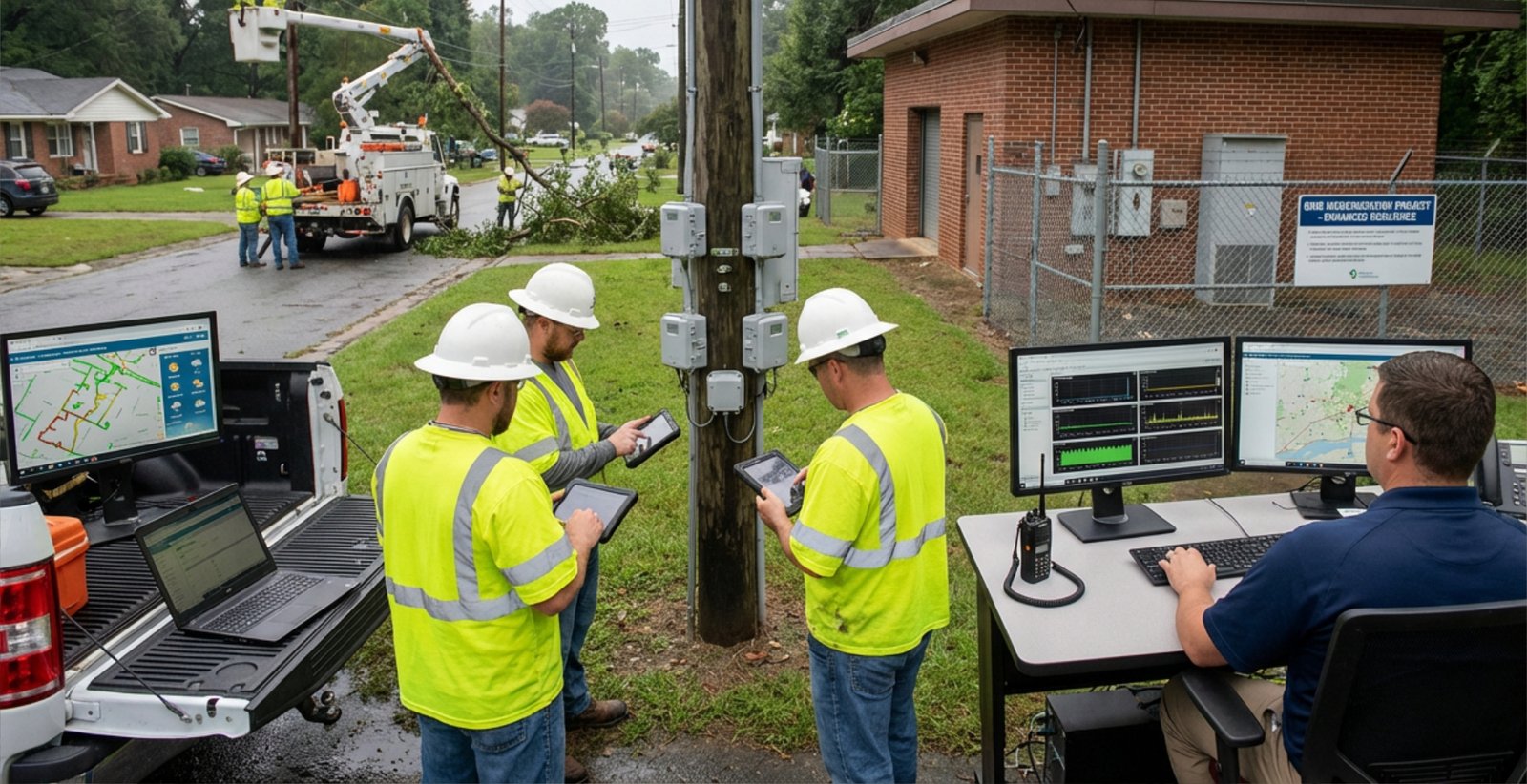
- Advanced grid flexibility and dispatch optimization
This aligns with a global shift where storage is no longer optional infrastructure-it is a core system requirement for renewable-heavy grids.
Data-Driven Energy Planning for System Resilience
India is strengthening its long-term planning architecture through advanced modelling platforms such as STELLAR, designed to stimulate demand-supply scenarios across multiple stress conditions.
A key feature of the roadmap is the integration of planning reserve margins, ensuring sufficient backup capacity to manage:
- Peak demand volatility
- Renewable intermittency
- Supply chain and generation disruptions
This reflects a maturity in system design increasingly expected in modern grid infrastructure planning.
Diversified Capacity Strategy for Long-Term Stability
The 2035–36 outlook reflects a deliberately balanced generation strategy:
- Aggressive renewable capacity expansion
- Continued coal capacity for baseload reliability
- Expansion of hydro and nuclear energy assets
Rather than a single-technology dependency model, India is adopting a portfolio-based energy strategy, designed to ensure reliability while maintaining decarbonization momentum.
This hybrid approach is increasingly mirrored in energy transition frameworks across both developed and emerging economies.
Strategic Implications for Global Energy Markets
India’s roadmap carries direct implications for global capital allocation and infrastructure strategy:
- Accelerated demand for energy storage and grid modernization technologies
- Increased relevance of hybrid power generation systems
- Expansion of investment opportunities in emerging energy markets
- Greater influence of India in shaping global clean energy supply chains
For executives in energy, utilities, and infrastructure finance, India is becoming a critical anchor market for long-term portfolio positioning.
New Demand Drivers Reshaping Power Systems
The roadmap explicitly incorporates new structural demand categories that will define the next decade of energy consumption:
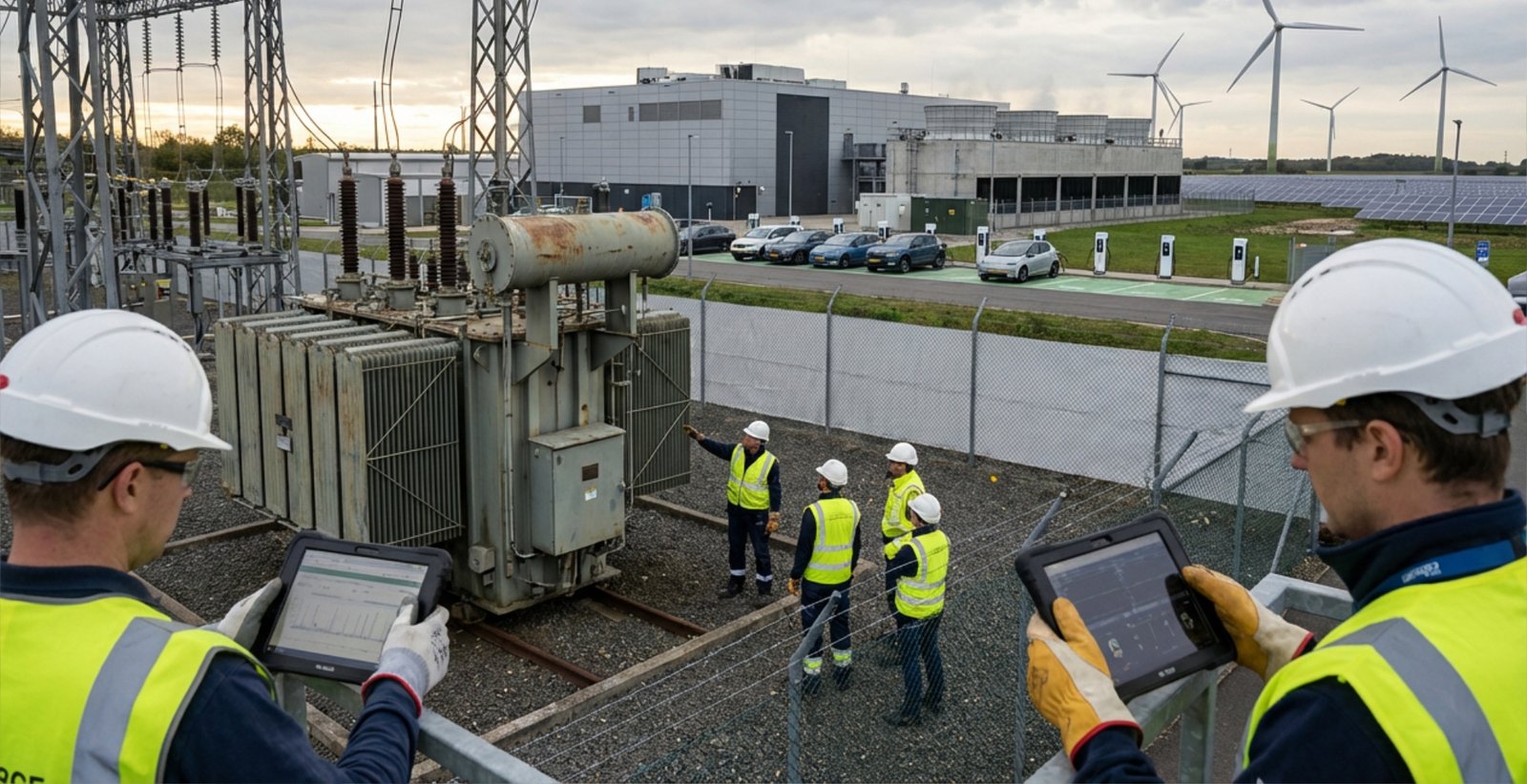
- Electric vehicle charging infrastructure
- Green hydrogen production ecosystems
These demand drivers will fundamentally alter load curves, increasing the need for flexible generation, digital grid management, and distributed storage integration.
Conclusion: From Energy Expansion to System Design Leadership
India’s 2026–2036 power sector roadmap represents a transition from capacity expansion to system-level energy architecture design.
For global energy leaders, the message is clear: the future of power systems will depend on the integration of renewables, storage, and dispatchable backup capacity within a unified grid intelligence framework.
India’s approach is emerging as a reference model for large-scale energy transition in high-growth economies, with direct implications for global investment strategy and infrastructure development priorities.
For more insights on global energy transitions, battery storage, and emerging clean technologies, visit: View the Grid Modernization Xchange 2026 Agenda