
Australia Accelerates EV Charging Infrastructure Expansion Amid Rapid EV Adoption
Australia is entering a decisive phase in its electric mobility transition, with significant expansion planned for EV charging infrastructure in response to rapidly increasing electric vehicle adoption across the country.
This shift reflects a broader structural change in the transportation ecosystem, where clean mobility, energy security, and infrastructure readiness are converging as national priorities.
For C-level executives across energy, mobility, infrastructure, and automotive sectors, the development signals a clear direction: EV infrastructure is scaling from early adoption support to mainstream transport backbone development.
Strong Demand Growth Driving Infrastructure Acceleration
Electric vehicle adoption is accelerating at a pace that is reshaping national transport planning. Battery electric vehicles are now accounting for a rapidly increasing share of new vehicle sales, indicating a clear inflection point in consumer behavior and fleet transition.
This surge is being driven by multiple structural factors:
- Rising fuel costs and energy price volatility
- Increasing availability of EV models across price segments
- Growing consumer preference for lower operating costs
- Expanding awareness of sustainability and emissions reduction
The result is a transport ecosystem where EV adoption is no longer niche-it is becoming mainstream.
Strategic Expansion of National Charging Infrastructure
In response to rising demand, Australia is scaling its EV charging network with a strong focus on accessibility, reliability, and long-distance travel support.
The infrastructure strategy includes:
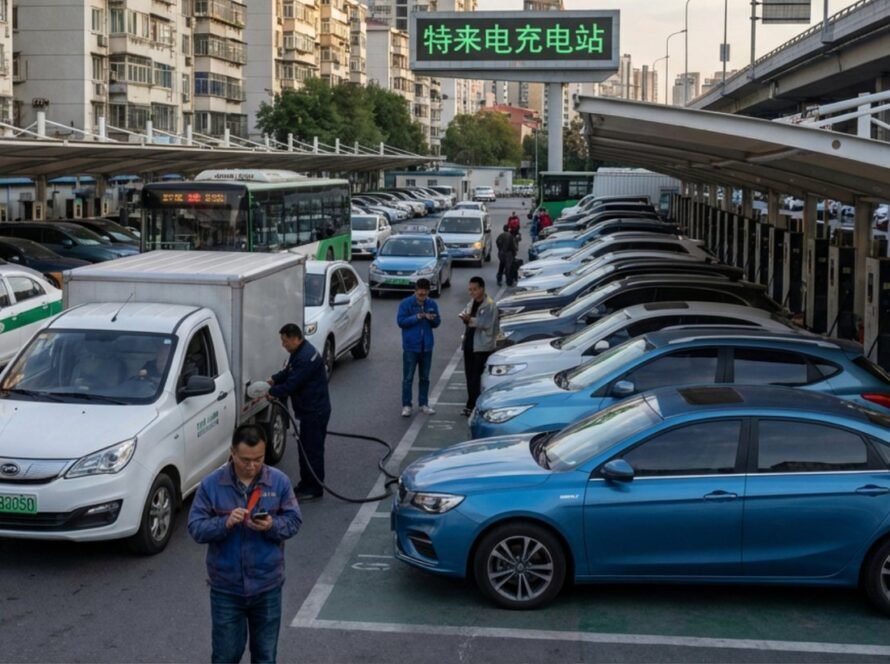
- Large-scale deployment of new public EV charging stations
- Expansion of fast-charging corridors across major highways
- Strategic placement of chargers to reduce long-distance travel barriers
- Improved geographic coverage to support regional mobility needs
This approach is designed to address one of the key barriers to EV adoption: range confidence and charging accessibility.
Transition Toward a Fully Integrated EV Ecosystem
Beyond charging infrastructure, the broader strategy reflects a more comprehensive ecosystem transformation.
Key supporting initiatives include:
- Incentives for commercial fleet electrification
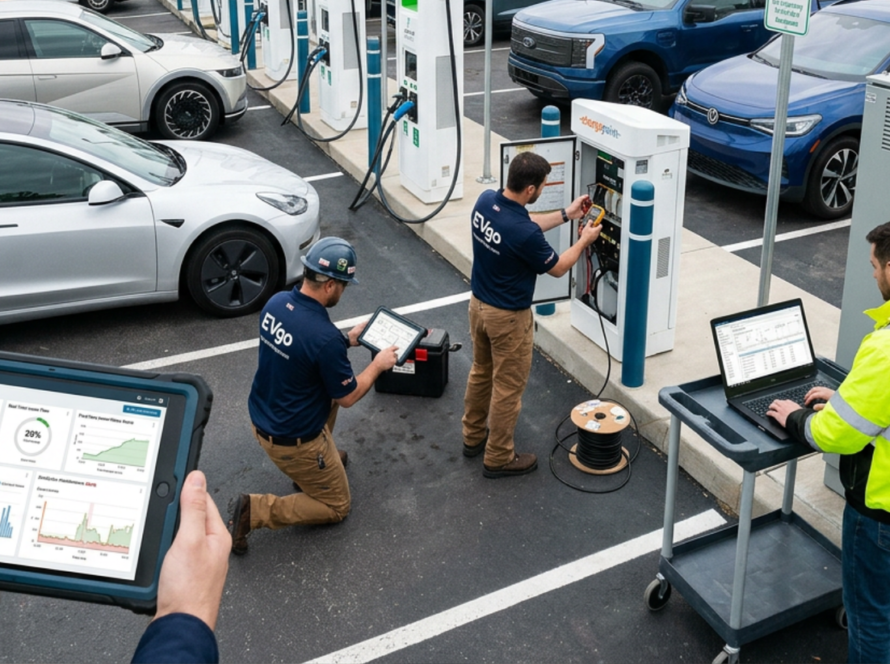
- Workforce training programs for EV maintenance and servicing
- Development of technical capabilities in regional areas
- Support for service infrastructure aligned with EV technology
This indicates a shift from isolated infrastructure deployment toward a fully integrated electric mobility ecosystem.
Market Implications for Energy and Mobility Leaders
The rapid scaling of EV infrastructure carries significant implications for industry stakeholders:
- Energy providers must prepare for distributed and high-load charging demand
- Infrastructure developers face growing opportunities in public and highway charging networks
- Automotive and fleet operators must accelerate electrification roadmaps
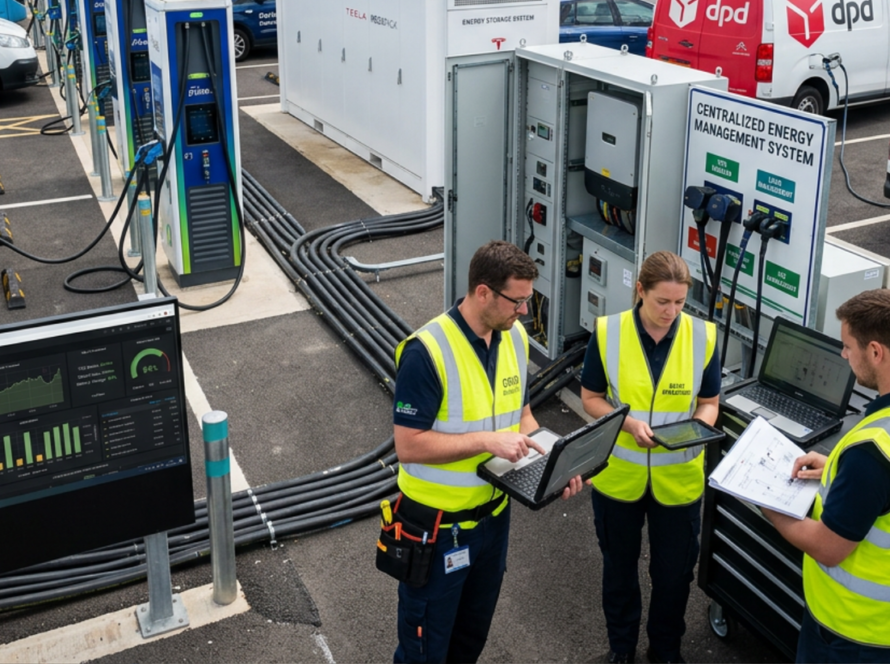
- Technology providers have expanding roles in smart charging, grid integration, and energy management systems
The transition is not limited to transportation-it is reshaping energy consumption patterns, infrastructure investment priorities, and mobility economics.
The Emergence of a High-Density EV Mobility Network
As infrastructure expands, Australia is moving toward a high-density electric mobility network, where long-distance EV travel becomes increasingly seamless and practical.
This evolution is critical for enabling:
- National-scale electric vehicle adoption
- Reduced dependence on internal combustion vehicles
- Lower transportation emissions footprint
- Improved energy efficiency across transport systems
The long-term outcome is a transport ecosystem where electric mobility becomes the default operational standard rather than an alternative option.
Conclusion
Australia’s accelerated investment in EV charging infrastructure reflects a broader structural transformation in national transport strategy.
For executive leadership across mobility, energy, and infrastructure sectors, the signal is clear:
the transition to electric mobility is moving from early adoption to system-wide infrastructure integration, creating new competitive and investment dynamics across the ecosystem.