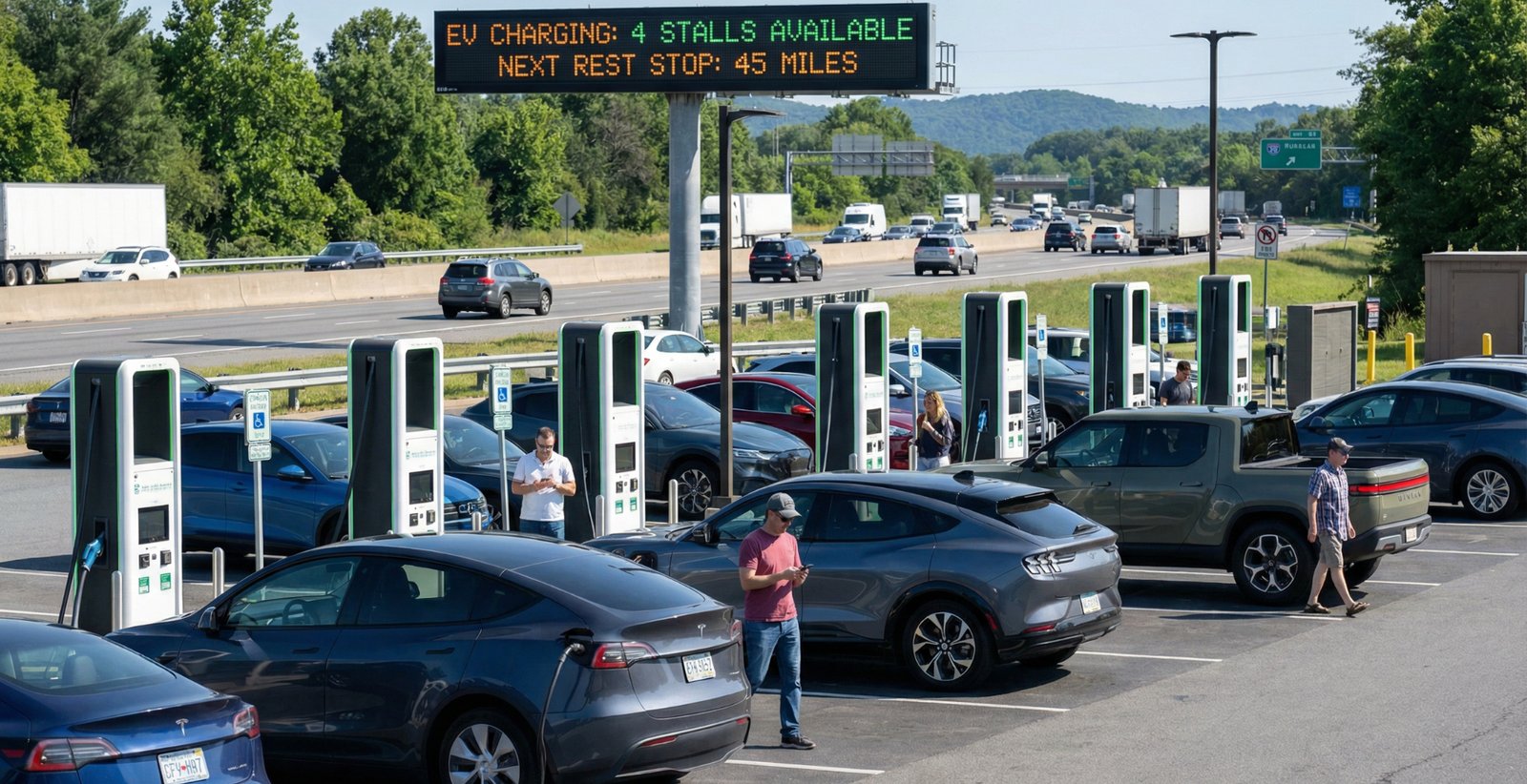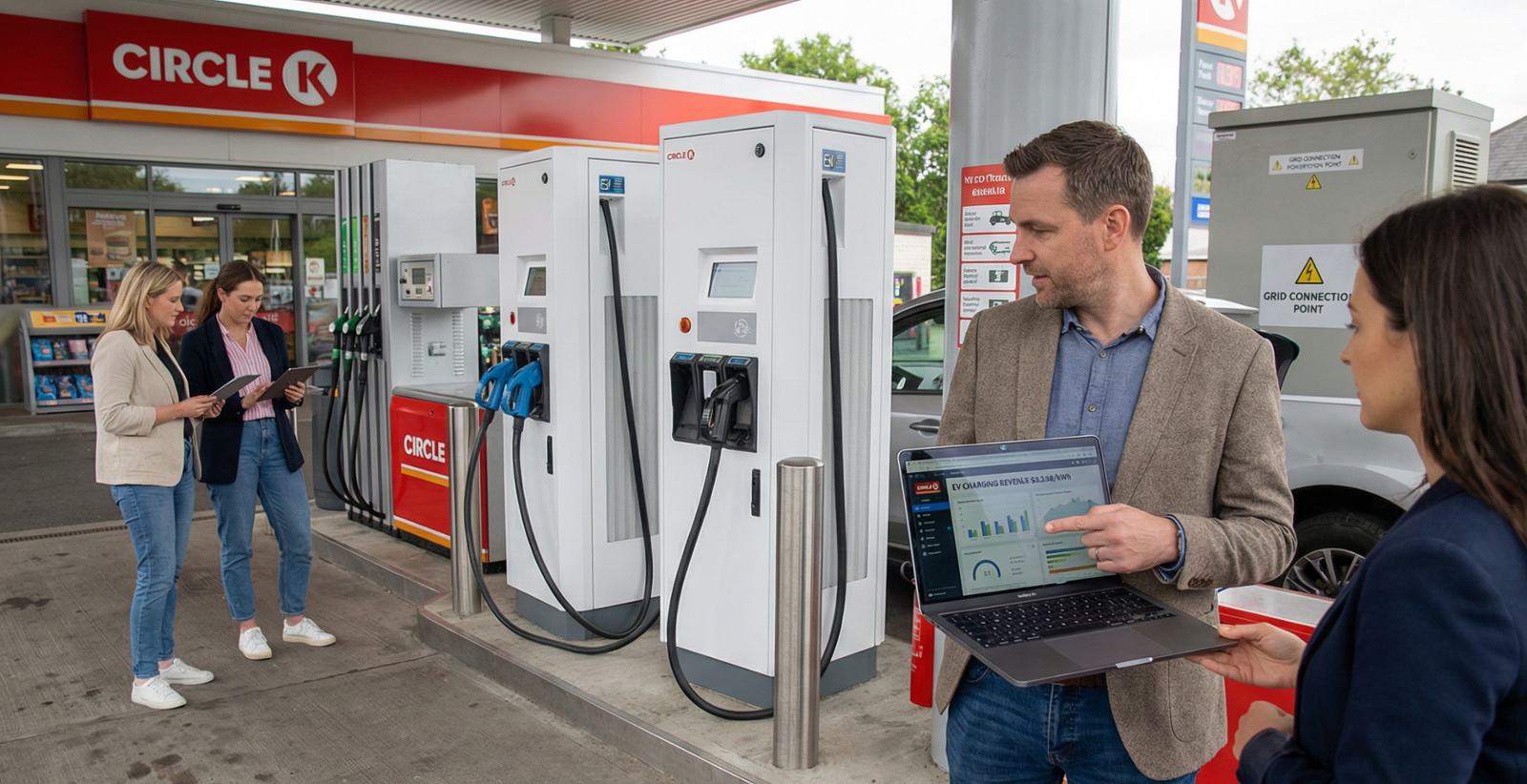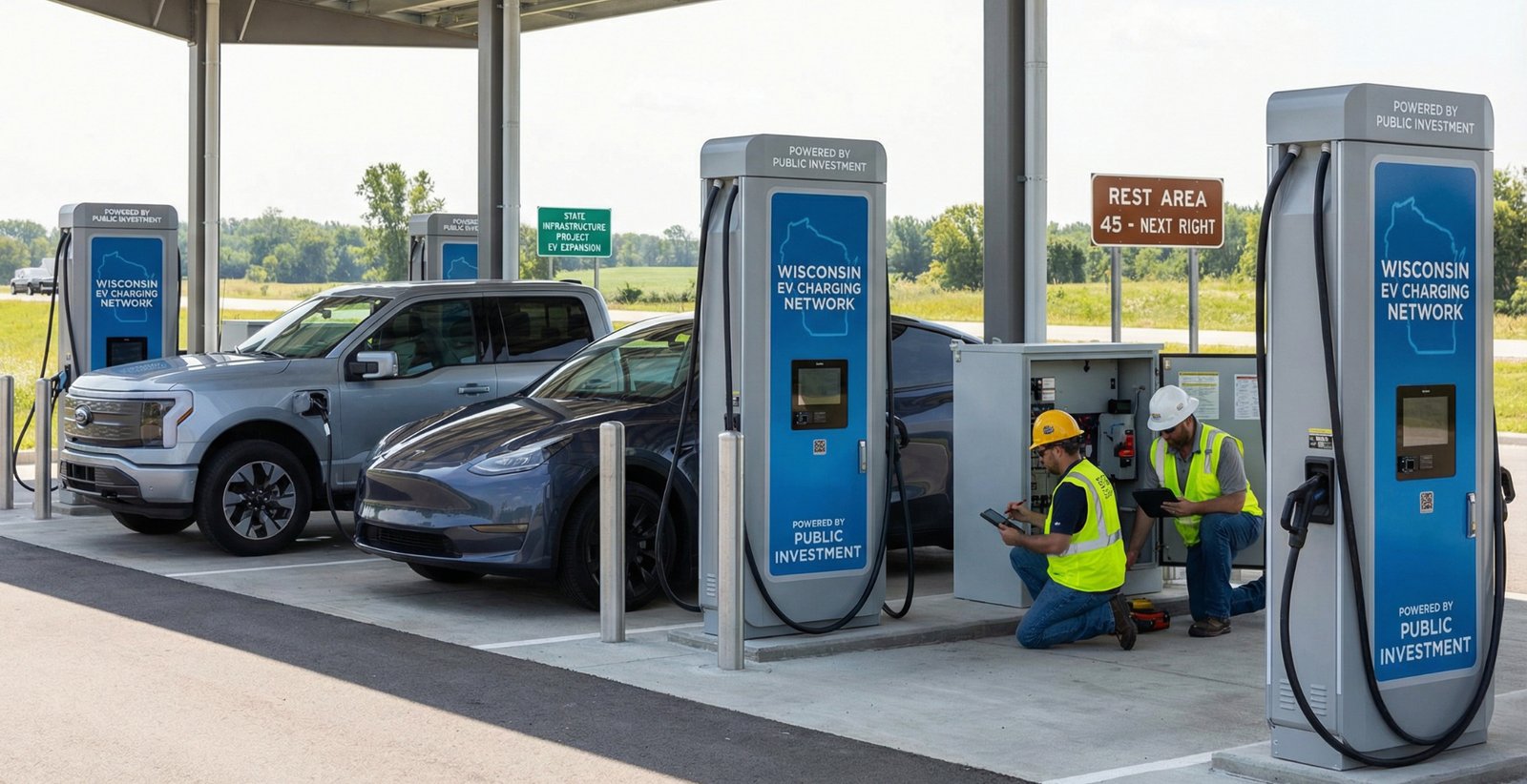

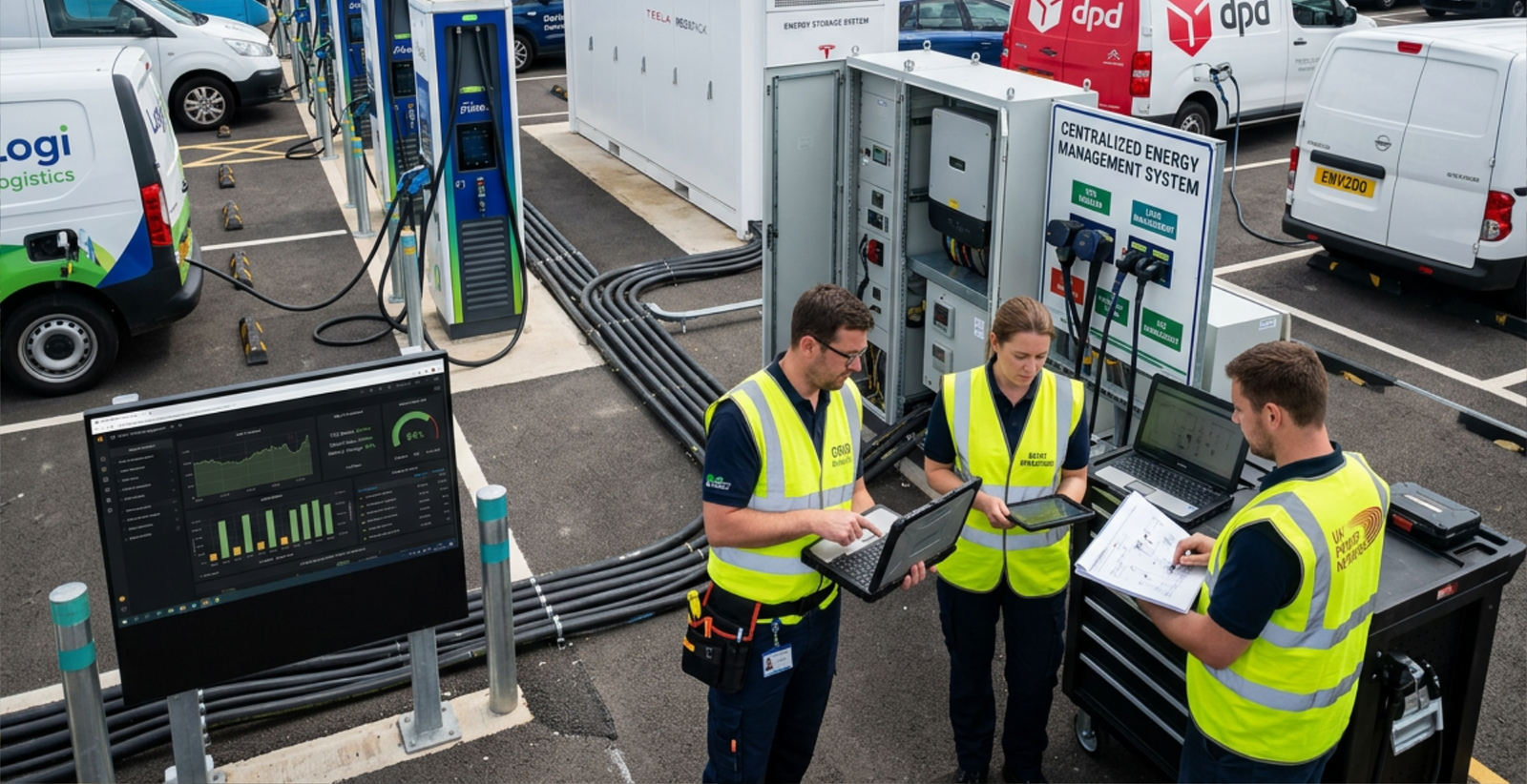
The expansion of EV charging infrastructure has transitioned into a phase defined by operational excellence and legal accountability. In the first week of March 2026, the focus for the C-suite has shifted from simple footprint expansion to ensuring high-uptime performance and maximizing the grid-integration value of existing assets.
1. Market Consolidation and Tier-1 Infrastructure
Industry data from this week indicates a significant trend toward consolidation, evidenced by major acquisitions from players like Be.EV and Shell-ubitricity. This move toward larger, better-capitalized operators is replacing fragmented legacy networks with standardized, high-capacity hubs. For commercial fleet managers, this consolidation provides the reliability and service-level predictability required for industrial-scale operations.
2. Mandatory 99% Uptime Standards
Reliability is now a regulatory requirement rather than a service goal. In key markets like the UK, the 99% Uptime Rule is now being strictly enforced for all public rapid chargers.
- The Constraint: Maintaining 99% uptime limits total monthly downtime to approximately seven hours.
- The Operational Shift: This mandate is driving a surge in AI-enabled predictive maintenance. Hardware that cannot self-diagnose and report potential failures before they occur is becoming a significant liability for operators facing mandatory fines.
3. V2G: Converting Fleet Assets into Grid Nodes
As of March 2026, Vehicle-to-Grid (V2G) technology has reached commercial maturity. In several regions, V2G compatibility is now required for new commercial installations exceeding 22kW.
- Financial Performance: Corporate depots are now utilizing their stationary vehicle fleets as mobile energy storage systems. By discharging power back to the grid during peak pricing windows, operators are realizing significant revenue offsets that directly lower the Total Cost of Ownership (TCO).
- Software Readiness: Major OEMs, including Tesla and GM, have successfully scaled their V2G software layers this quarter, allowing vehicles to integrate seamlessly with utility-side demand-response programs.
4. IEC Standardization for Automated Charging
The February 2026 release of the IEC automated docking standards (61851-26/27) has provided the technical framework for hands-free charging.
- Robotic Integration: These global protocols allow robotic underbody charging systems to communicate with a wide variety of vehicle architectures. This is a critical development for autonomous transport and high-turnover logistics hubs.
- Vendor Neutrality: The formalization of these standards prevents proprietary hardware lock-in, allowing operators of mixed-brand autonomous fleets to utilize a single charging infrastructure.
The Bottom Line
The 2026 EV charging landscape is defined by regulatory compliance and intelligent grid integration. Charging stations are no longer passive assets; they are active nodes within a decentralized energy system. For the C-suite, the strategic priority has moved to ensuring ISO 15118-20 hardware compliance and maintaining the cybersecurity protocols necessary to operate as a grid-connected utility.
Read about : The Eight EV Charging Industry Trends That Defined 2025
The post The Reliability Mandate: Orchestrating the 2026 Charging Network appeared first on evchargingxchange.com.