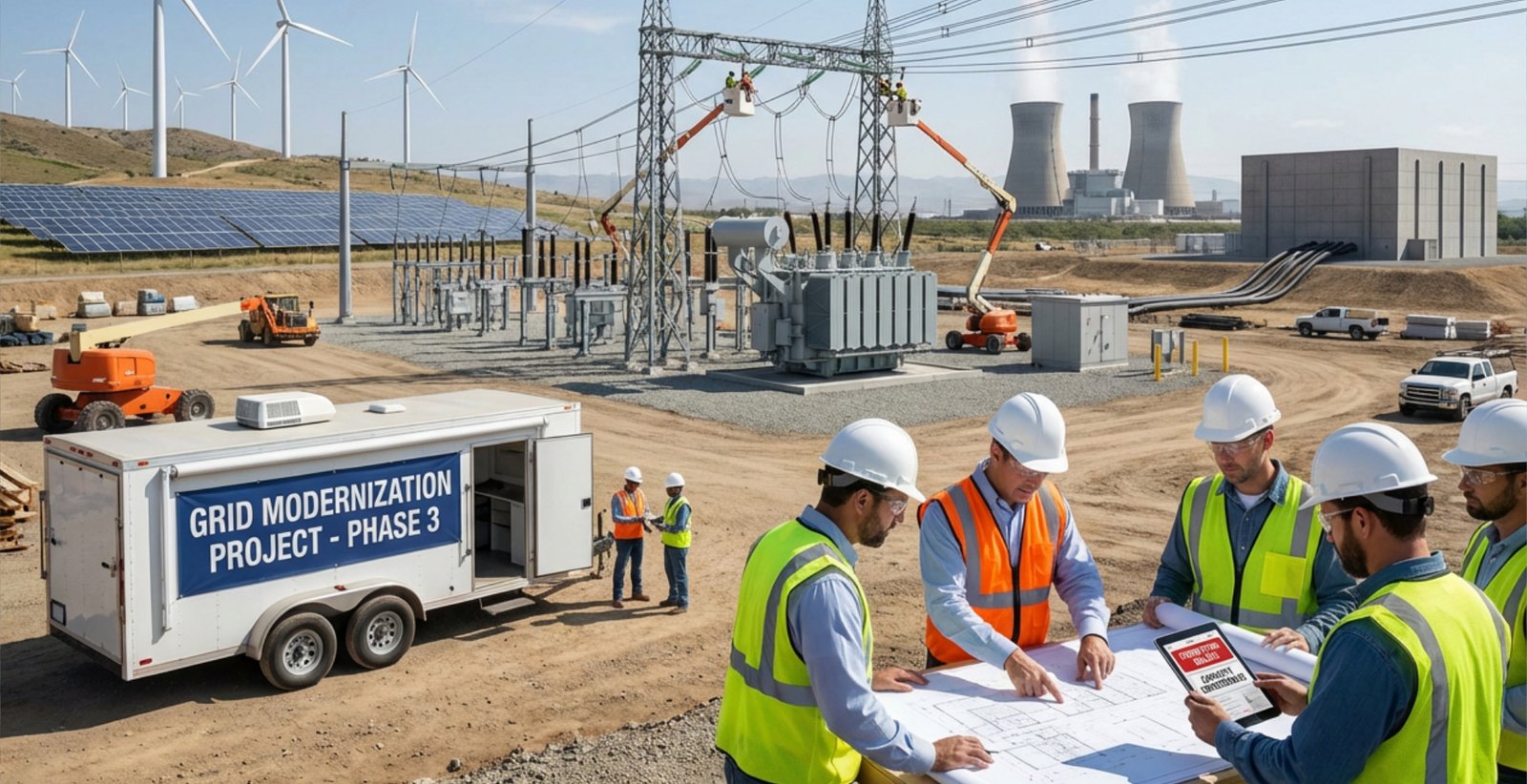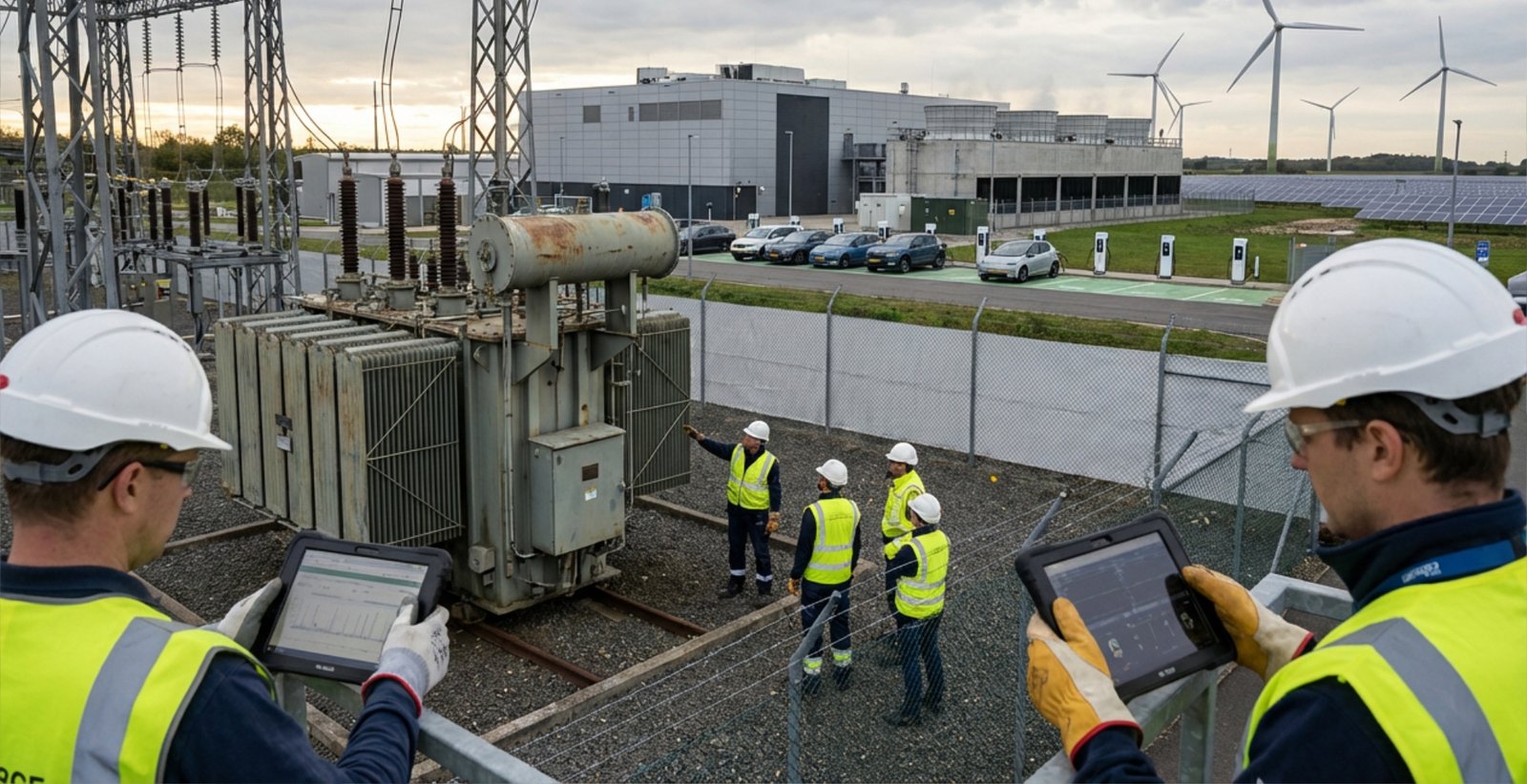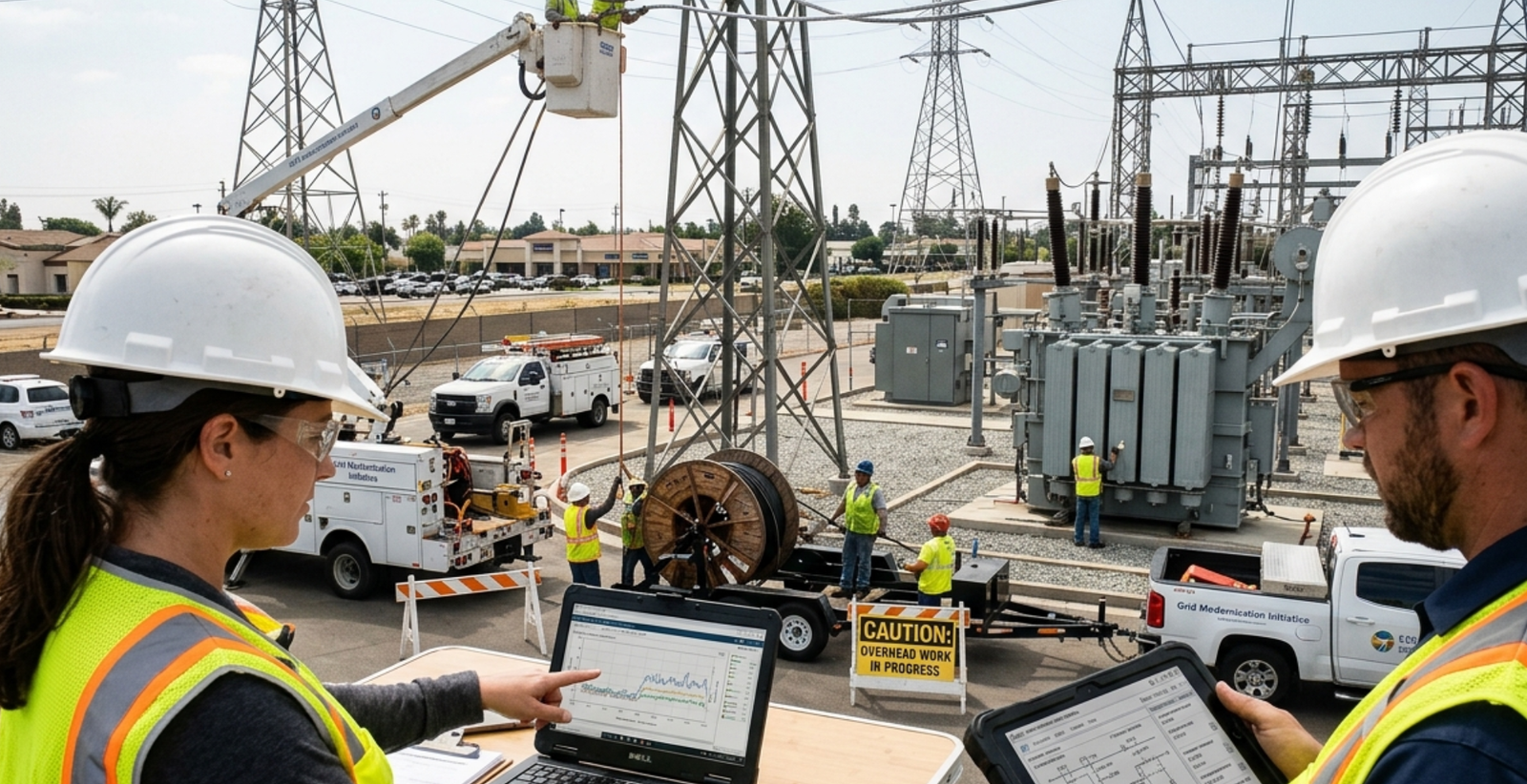

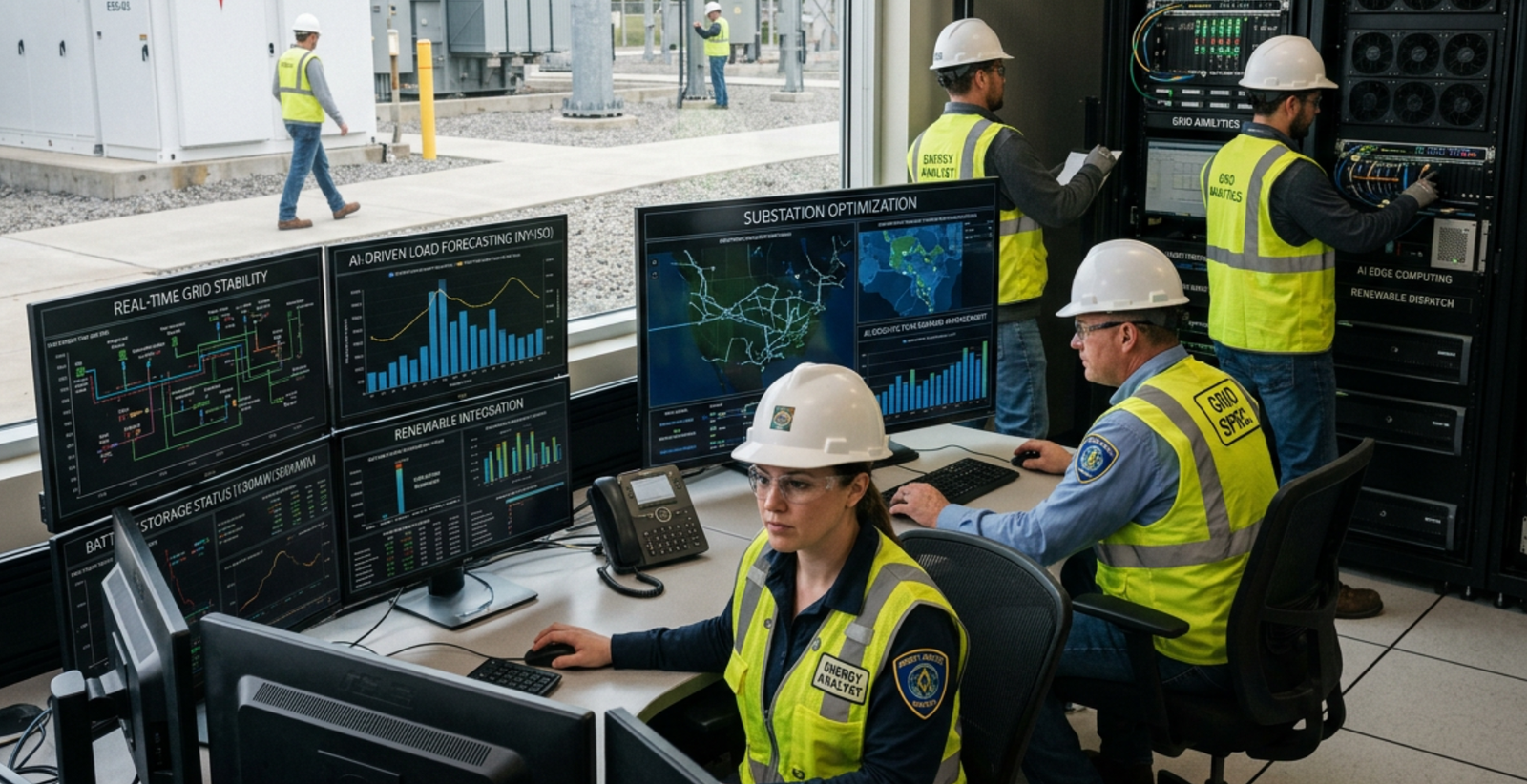
Schneider Electric has outlined a comprehensive strategy to address the growing U.S. power gap, emphasizing the role of electrification, grid modernization, and AI-enabled energy intelligence in accelerating national energy capacity and competitiveness.
Presented at the 2026 BloombergNEF Summit in New York, the company’s approach focuses on transforming traditional energy systems into intelligent, software-driven ecosystems capable of dynamically managing demand and supply in real time.
Rising Electricity Demand Driven by AI and Electrification
The Schneider Electric grid modernization AI energy strategy is built around a structural shift in electricity demand. Rapid growth in artificial intelligence workloads, data centers, and electrification is placing unprecedented pressure on power systems.
According to Schneider Electric’s research, AI alone could account for up to 50% of U.S. electricity demand growth between 2025 and 2030, with total incremental demand potentially reaching 157 GW by 2029 under high-growth scenarios.
For C-level executives, this represents a fundamental transformation in how energy infrastructure must be designed, financed, and operated.
From Grid Expansion to Intelligent Energy Systems
Rather than relying solely on traditional grid expansion, Schneider Electric emphasizes “energy intelligence” as a scalable alternative.
This approach leverages distributed energy resources (DERs), smart buildings, and real-time analytics to unlock hidden capacity within existing infrastructure.
Key benefits include:
- Faster deployment of energy capacity
- Lower infrastructure expansion costs
- Improved grid reliability and flexibility
This shift signals a move from physical expansion to digital optimization of energy systems.
Electrification as a Driver of Economic and Energy Resilience
Electrification is positioned as a core pillar of long-term energy resilience. However, its full value is realized only when paired with advanced digital intelligence systems that optimize energy usage in real time.
Through its EcoStruxure platform and advisory services, Schneider Electric enables organizations to:
- Design optimized electrification strategies
- Improve operational efficiency
- Achieve faster return on energy investments
This integration of software, hardware, and analytics is redefining how enterprises approach energy management.
Unlocking Value from Industrial and Energy Data
A significant portion of enterprise energy data remains underutilized. Schneider Electric addresses this gap through its AVEVA software platform, which applies AI-driven analytics to transform raw operational data into actionable intelligence.
This enables:
- Reduced operational downtime
- Optimized energy consumption
- Movement toward autonomous, self-correcting systems
For executives, data utilization is emerging as a key lever for cost control and operational efficiency.
Strategic Focus Areas for Grid Transformation
Schneider Electric’s BNEF 2026 strategy is anchored on three core priorities:
1. Accelerating Grid Readiness
Digitalized grid architectures and standardized system design reduce deployment complexity and shorten time-to-power for new energy assets.
2. Electrification for Resilience
Integrated energy systems enhance efficiency and financial returns while improving long-term energy stability.
3. Operational Intelligence at Scale
AI-powered analytics enable predictive operations, reducing risks and optimizing energy performance across assets.
Implications for Energy and Infrastructure Leaders
The evolving energy landscape presents significant implications for utilities, developers, and enterprise leaders:
- Grid constraints are becoming a limiting factor for economic growth
- Digital infrastructure is now as critical as physical infrastructure
- AI-driven energy management is emerging as a competitive necessity
For decision-makers, the convergence of energy, data, and digital systems is reshaping investment priorities.
Conclusion: Redefining Energy Competitiveness Through Intelligence
Schneider Electric’s strategy highlights a fundamental shift in the global energy transition-from expanding infrastructure to intelligently optimizing it.
As electricity demand accelerates, particularly from AI and electrification, the ability to deploy smart, data-driven energy systems will define national and corporate competitiveness.
For C-level leaders, the message is clear: the future of energy is not just about capacity-it is about intelligence, speed, and adaptability.
The post Schneider Electric Targets U.S. Power Gap with Grid Modernization and AI-Driven Energy Strategy appeared first on Grid Modernization Xchange 2026.