
The regulation of per- and polyfluoroalkyl substances (PFAS), the notorious “forever chemicals,” has reached a critical enforcement phase in 2026. As federal standards undergo recalibration, individual states have stepped in to fill the gap with aggressive product bans, mandatory testing, and massive cleanup funding.
A Rapid Expansion of PFAS Laws Across the U.S.
In 2026, the legislative landscape is more active than ever. Industry analysts and policy groups report a massive surge in state-level activity:
- New Legislative Volume: Nearly 100 new bills introduced across 17 states in the current session.
- Legacy Momentum: Approximately 280 additional bills carried over from 2025 are now reaching floor votes.
- Comprehensive Reach: For the first time, laws are simultaneously targeting consumer products, municipal water systems, firefighting equipment, and industrial emissions.
Key Policy Shifts in 2026
1. Consumer Product Bans Go Mainstream
States are shifting from niche restrictions to broad-market bans. Starting January 1, 2026, states like Colorado, Maine, and Vermont have enacted bans on PFAS in:
- Kitchen & Home: Cookware, cleaning products, and floor waxes.
- Personal Care: Dental floss, cosmetics, and menstrual products.
- Textiles: Apparel, upholstered furniture, and carpets.
Industry Impact: This “patchwork” of state laws creates a de facto national standard, as manufacturers find it more cost-effective to eliminate PFAS globally than to manage state-specific inventory.
2. Mandatory Water Monitoring and Remediation
The PFAS remediation market is experiencing an unprecedented boom, projected to reach $3.0 billion in 2026 with a 10.3% CAGR.
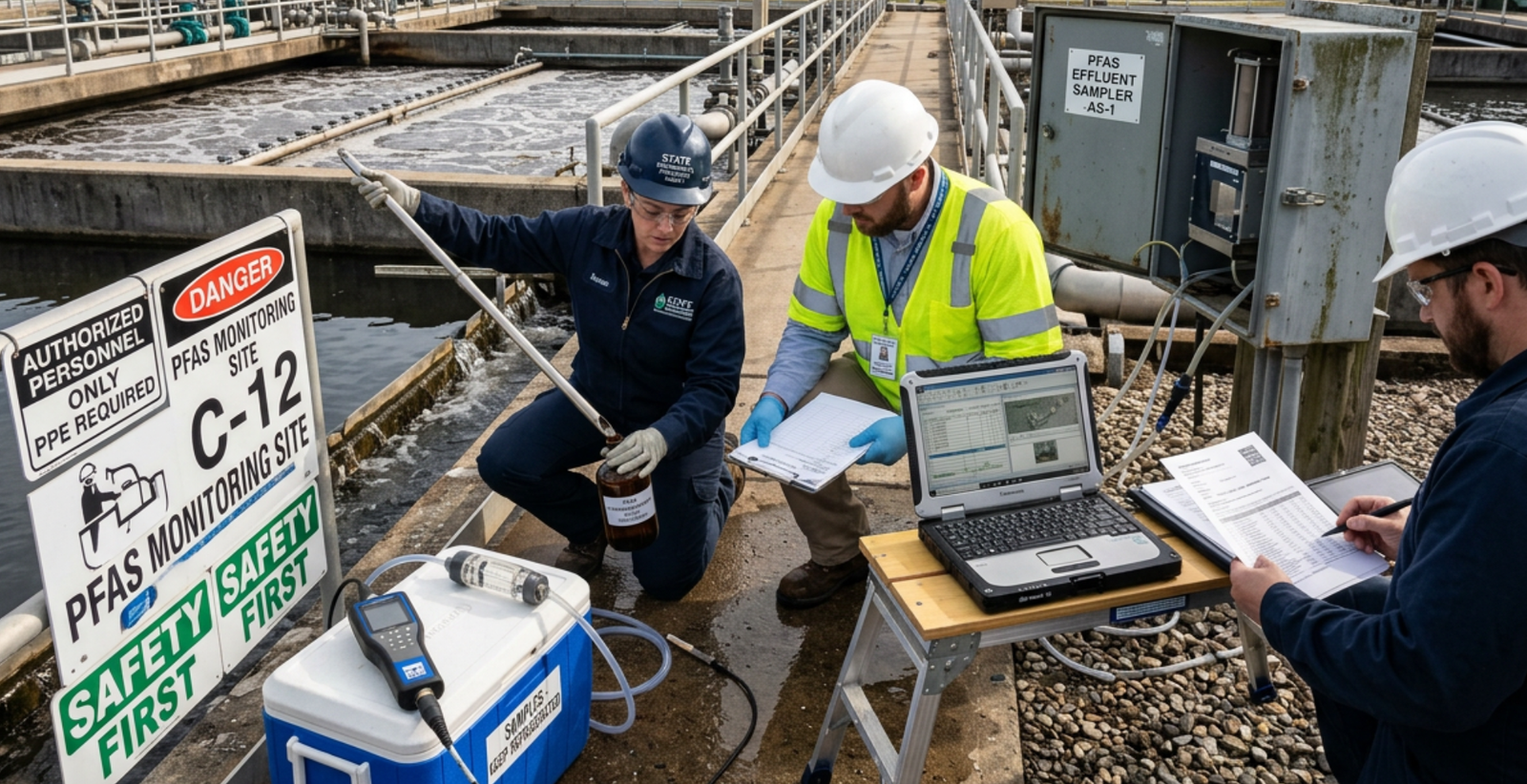
- Testing Mandates: States like Virginia and Illinois now require mandatory PFAS sampling in wastewater, discharge permits, and agricultural sludge (biosolids).
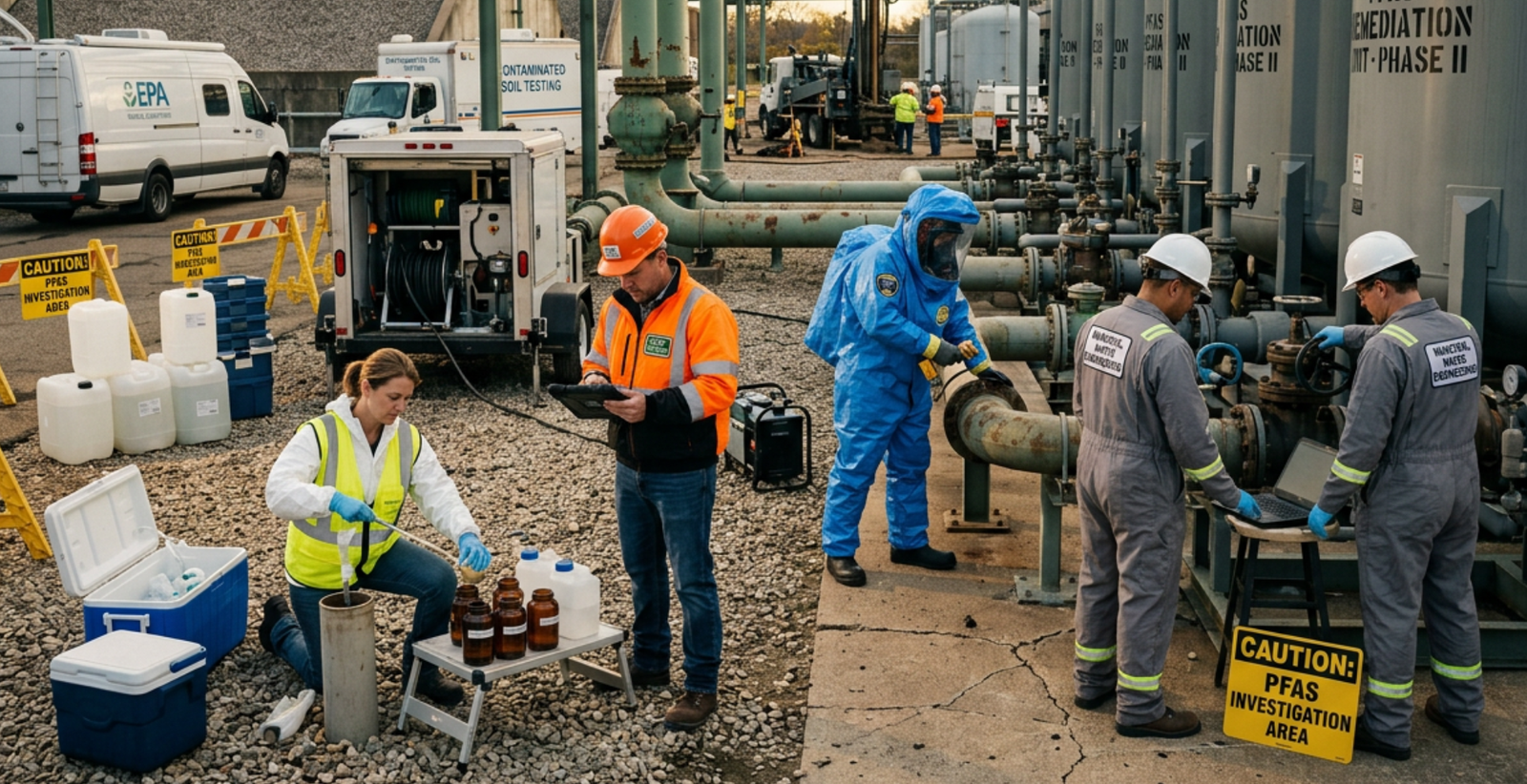
- Infrastructure Investment: Over 9,700 contaminated sites have been identified across the U.S., serving roughly 176 million people with PFAS-impacted water.
- Remediation Tech: Demand is surging for Granular Activated Carbon (GAC) and advanced “destruction” technologies like supercritical water oxidation to permanently break carbon-fluorine bonds.
3. The End of PFAS Firefighting Foams (AFFF)
Firefighting foam is one of the most significant sources of groundwater contamination. 2026 marks a hard deadline for many:
- Florida: Phase-outs scheduled through 2029.
- Missouri: Full bans on PFAS-based foams by 2028.
- Connecticut: Mandatory notification and labeling requirements for firefighter PPE went into effect January 1, 2026.
Industry Transformation: From Compliance to Innovation
The shift toward a PFAS-free economy is forcing a transformation across multiple sectors:
- Manufacturing: Companies face high costs for reformulation but find new opportunities for market leadership through “PFAS-Free” labeling.
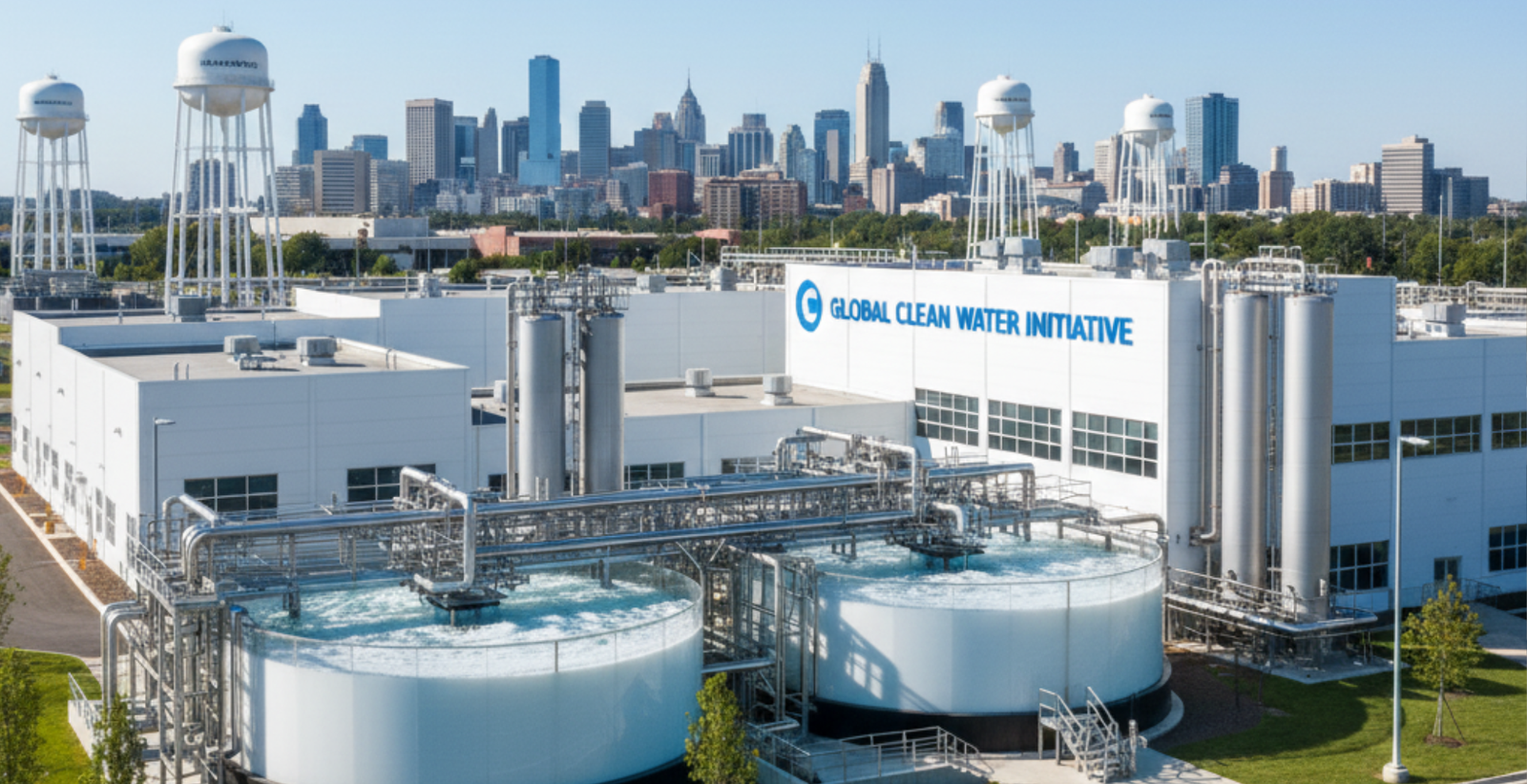
- Water Utilities: Despite strict discharge limits, utilities are accessing billions in federal and state infrastructure grants for filtration upgrades.
- Waste Management: There is significant growth in PFAS-specific filtration, hazardous waste handling, and specialized disposal services.
- Chemicals and Materials: The sector is pivoting away from litigation risks and toward innovation in fluorine-free coatings and polymers.
The Global Ripple Effect
While these laws are passed at the state level, the impact is international.
- Supply Chain Pressure: Global exporters to the U.S. must now certify “intentionally added PFAS” levels to maintain market access.
- European Alignment: These U.S. state trends mirror the tightening of EU REACH regulations, signaling a synchronized global move toward a PFAS-free economy.
- Litigation Risks: Recent settlements (such as the $2.5 billion agreement in New Jersey) have set a legal precedent for holding manufacturers accountable for environmental cleanup costs.
Conclusion: 2026 as the Year of Enforcement
The transition in 2026 is clear: the focus has moved from identifying the problem to enforcing its removal. For businesses, this is no longer just a compliance issue; it is a multi-billion-dollar market trigger and a fundamental reset of the global chemical supply chain.
The post State PFAS Legislation 2026: A Turning Point for “Forever Chemicals” Regulation appeared first on PFAS Remediation Xchange 2026.