
CCUS in 2026: From Pilot Projects to a Scalable Decarbonization Engine
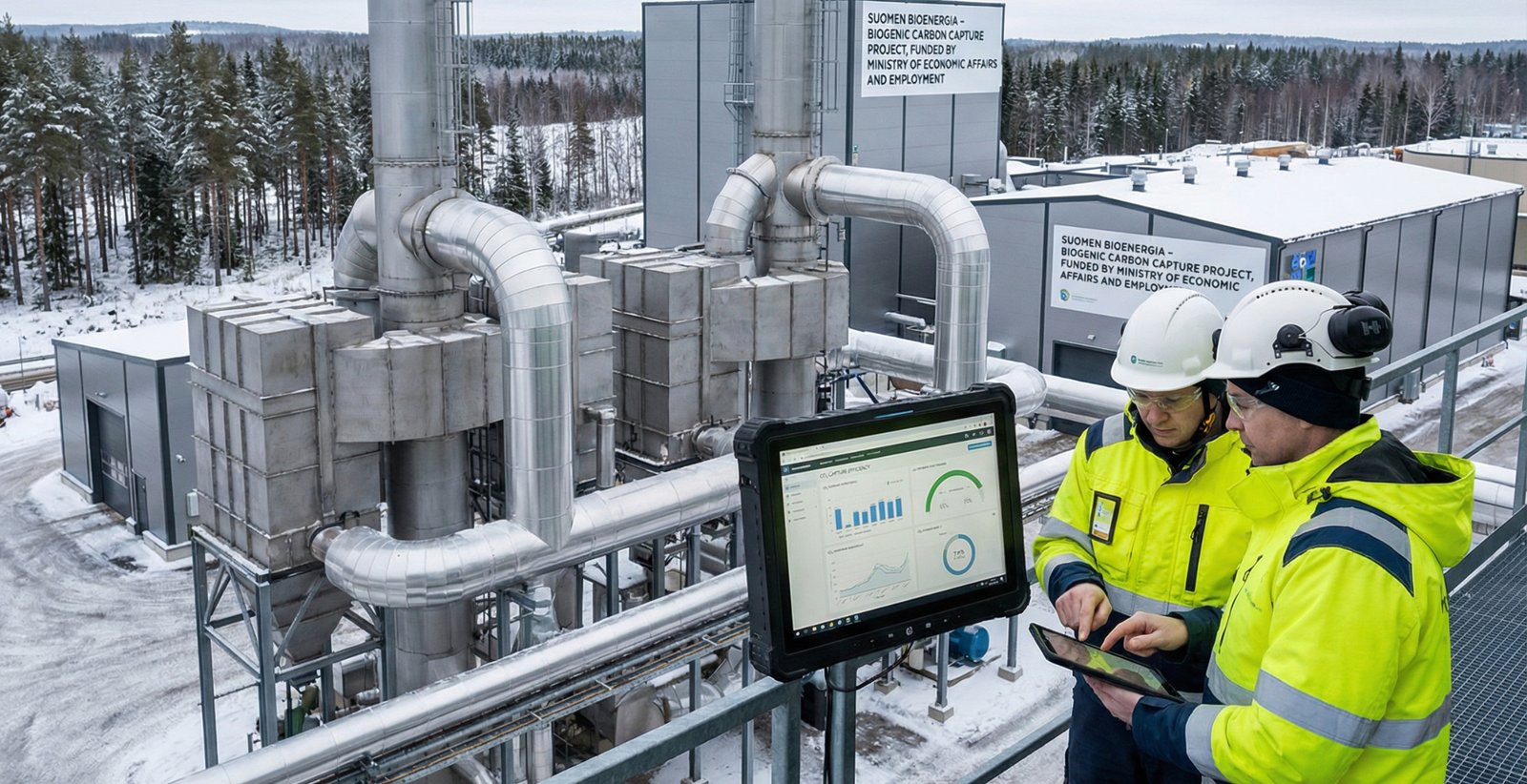
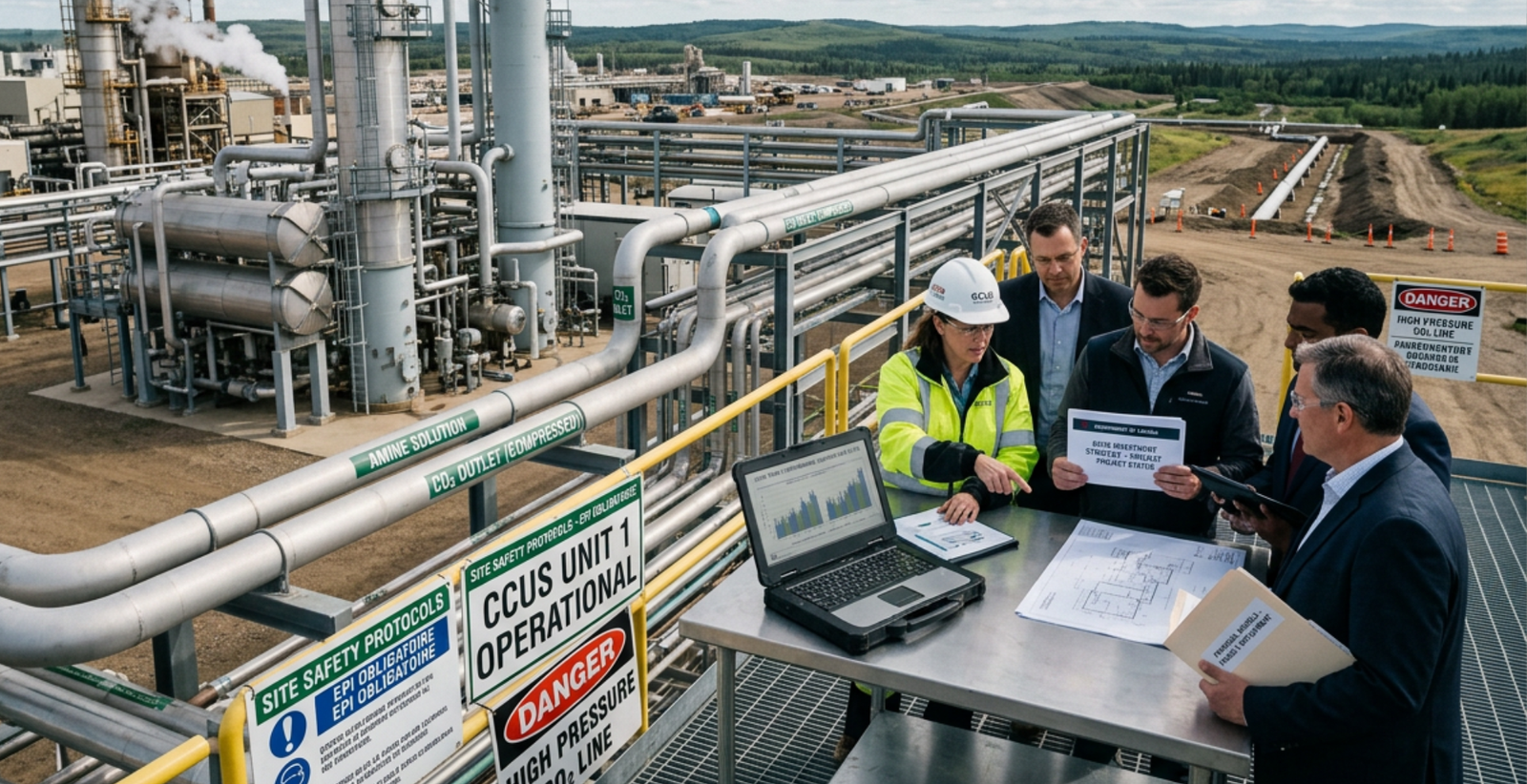
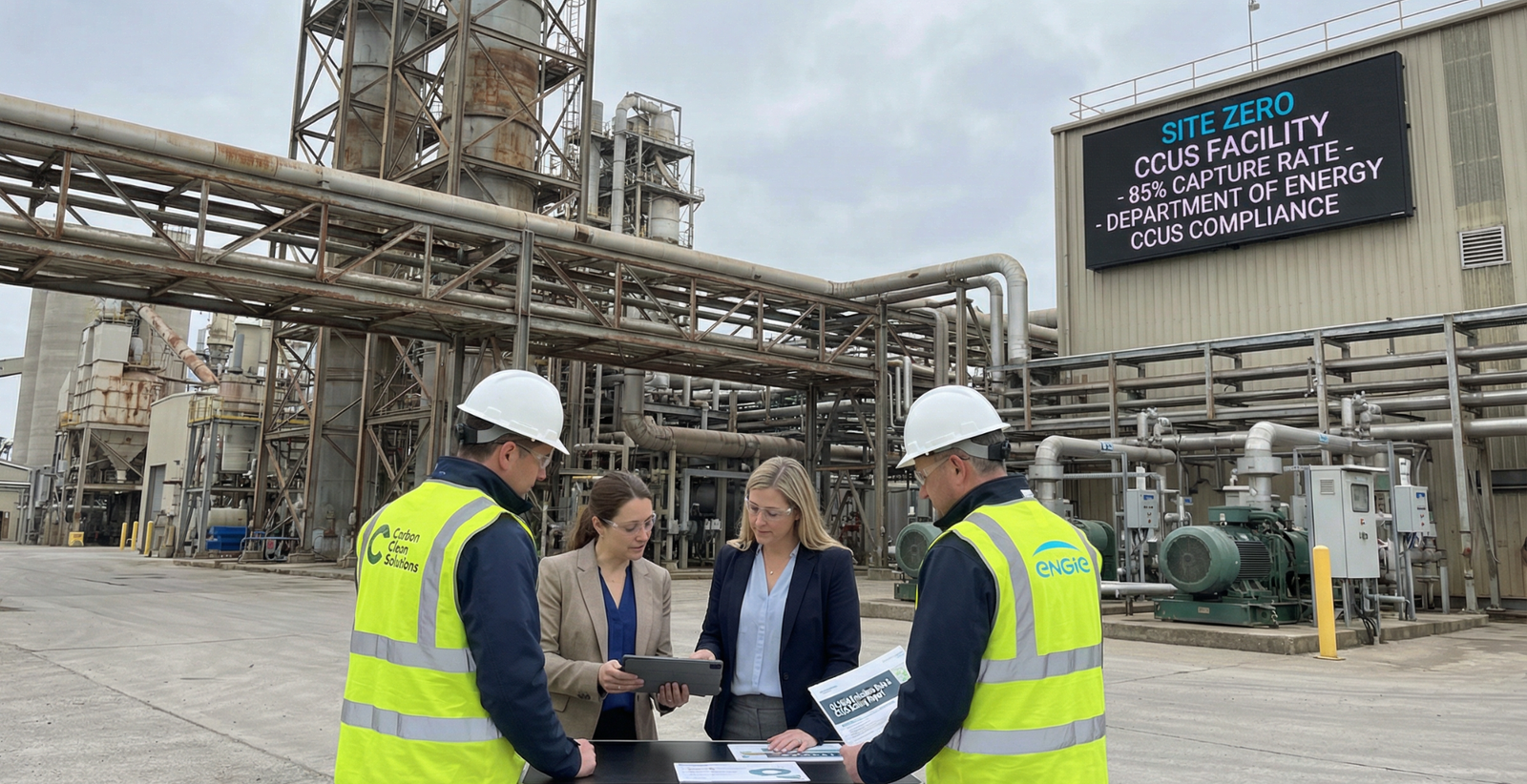
As governments and corporations intensify efforts to meet net-zero targets, Carbon Capture, Utilization and Storage (CCUS) is moving decisively from the margins of climate strategy toward the centre of industrial decarbonization. For sectors such as cement, steel, chemicals, refining, and power generation-where emissions are structurally difficult to eliminate-CCUS is no longer optional.
2026 is shaping up as a pivotal inflection year, marked by policy clarity, accelerating capital flows, and the first wave of genuinely commercial-scale deployments.
For C-level leaders, the question is no longer whether CCUS will scale, but how fast-and who will capture strategic advantage as it does.
The State of CCUS: Momentum Is Real-and Building
Global CCUS capacity remains modest relative to total emissions, but growth is unmistakable. Operational capture and storage capacity reached approximately 50 million tonnes of CO₂ per year by early 2025, with a rapidly expanding project pipeline.
More importantly, over 600 CCUS projects are now in development worldwide, reflecting a year-on-year increase of roughly 15%, supported by investment levels that have tripled to more than $6 billion. While current trajectories still fall short of net-zero requirements, the direction of travel is clear: CCUS is transitioning from experimentation to execution.
Geographically, North America and Europe continue to lead deployment, while China, the Middle East, and parts of Asia are emerging as the next growth engines-signalling a more globally distributed CCUS ecosystem.
What’s Driving CCUS Acceleration in 2026
Policy Alignment Becomes a Catalyst
Policy has emerged as the single most powerful enabler of CCUS scale. Incentives such as the US 45Q tax credit, enhanced support for Direct Air Capture, and Europe’s Industrial Carbon Management Strategy are reducing investment risk and improving project bankability.
Collectively, government support mechanisms are now estimated to exceed $30 billion globally, reflecting long-term commitment rather than short-term experimentation.
Capital Is Following Conviction
Public funding is increasingly complemented by private capital. Major industrial decarbonization programs-such as Germany’s multi-billion-euro CCS initiatives-are moving into deployment phases in 2026, while energy majors are actively monetizing CCUS portfolios and attracting infrastructure investors.
For boards and CFOs, this signals a maturing asset class with clearer return pathways.
Corporate Net-Zero Commitments Are Converting into Action
Beyond regulation, corporate climate commitments are driving demand. Heavy emitters are integrating CCUS into their core decarbonization strategies, not as offsets, but as operational necessity. Utilization markets-while still secondary to storage-are beginning to provide complementary revenue streams.
Technologies That Will Define CCUS Progress
Capture Technologies: Incremental Gains, Material Impact
Post-combustion capture using chemical solvents remains the industry backbone in 2026. However, incremental innovations-advanced solvents, modular systems, and better process integration-are materially reducing energy penalties and costs.
Pre-combustion capture continues to scale in hydrogen and ammonia, reinforcing CCUS as a foundation for the broader clean hydrogen economy.
Transport and Storage: Infrastructure Takes Centre Stage
As capture scales, CO₂ transport and storage infrastructure becomes the defining constraint-and opportunity. Pipeline networks dominate onshore projects, while shipping-based CO₂ transport is enabling cross-border storage hubs, particularly in Europe.
With studies indicating that 70% of global industrial CO₂ emissions lie within 60 miles of potential storage sites, infrastructure planning is now a board-level strategic issue.
Projects such as Denmark’s Greensand, entering operation in 2026, exemplify the emergence of shared storage platforms that unlock economies of scale.
Utilization: Strategic, Not Sufficient Alone
Carbon utilization-into fuels, chemicals, and building materials-continues to evolve as a value-enhancing pathway. While utilization will not absorb climate-scale volumes alone, it improves early-stage project economics and accelerates learning curves, particularly in aviation and maritime fuel markets.
Risks Remain-but the Trajectory Is PositiveHigh costs, regulatory fragmentation, infrastructure permitting, and Measurement, Reporting, and Verification (MRV) standards remain real challenges. Yet, unlike earlier cycles, these are now being addressed systematically, rather than ignored.
The industry’s centre of gravity has shifted from “can CCUS work?” to “how quickly can it scale responsibly?”
The post CCUS in 2026: From Pilot Projects to a Scalable Decarbonization Engine appeared first on ccusxchange.com.