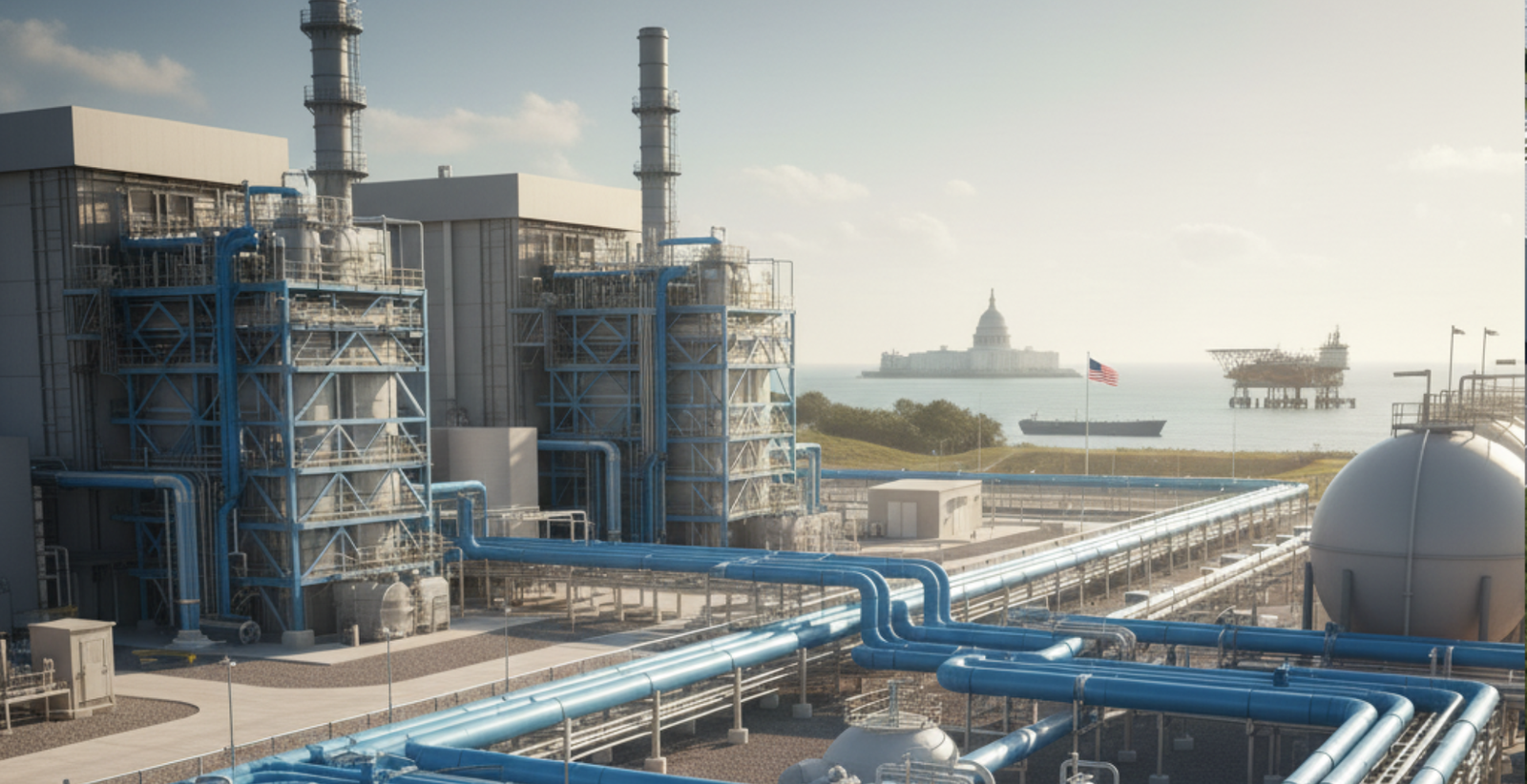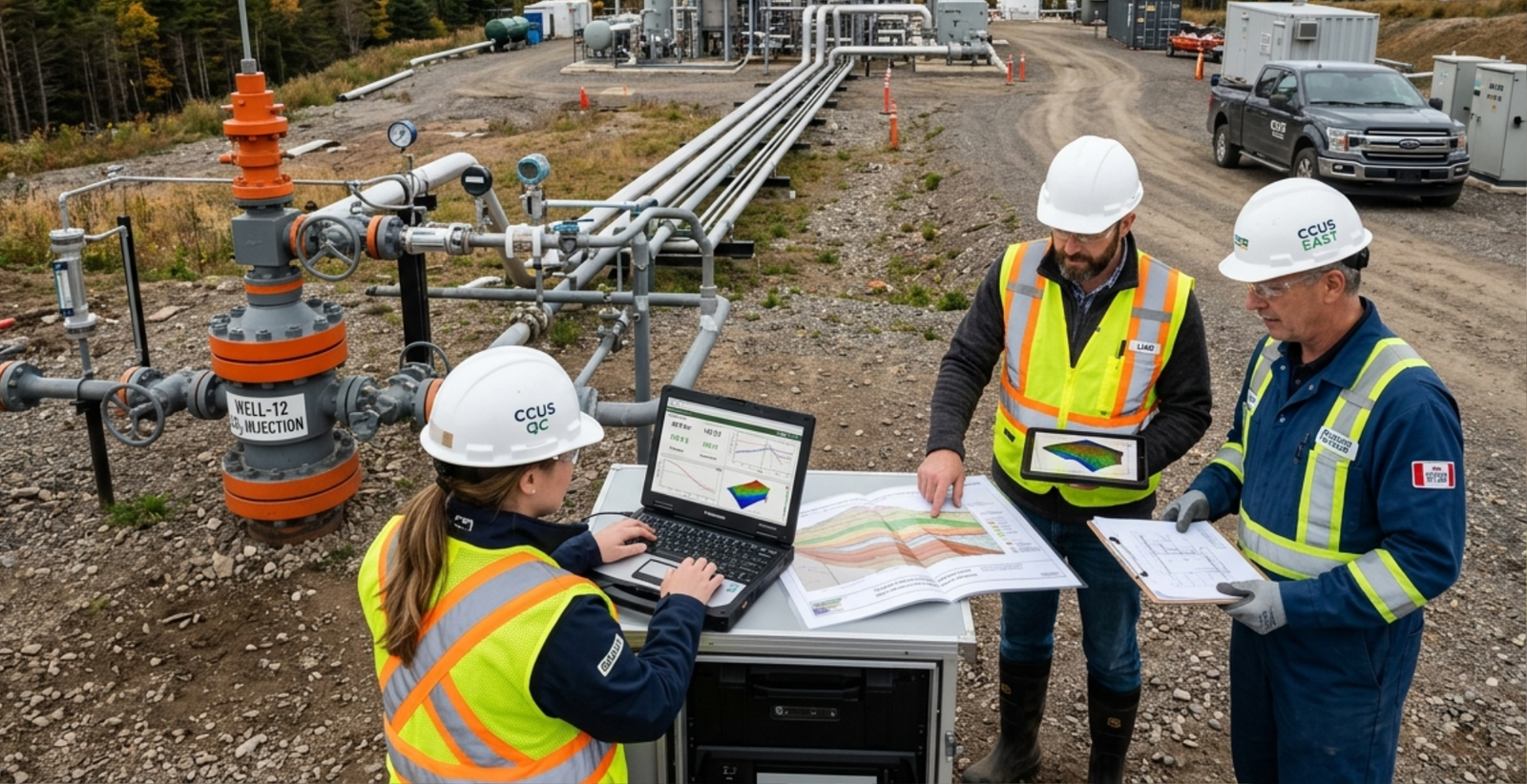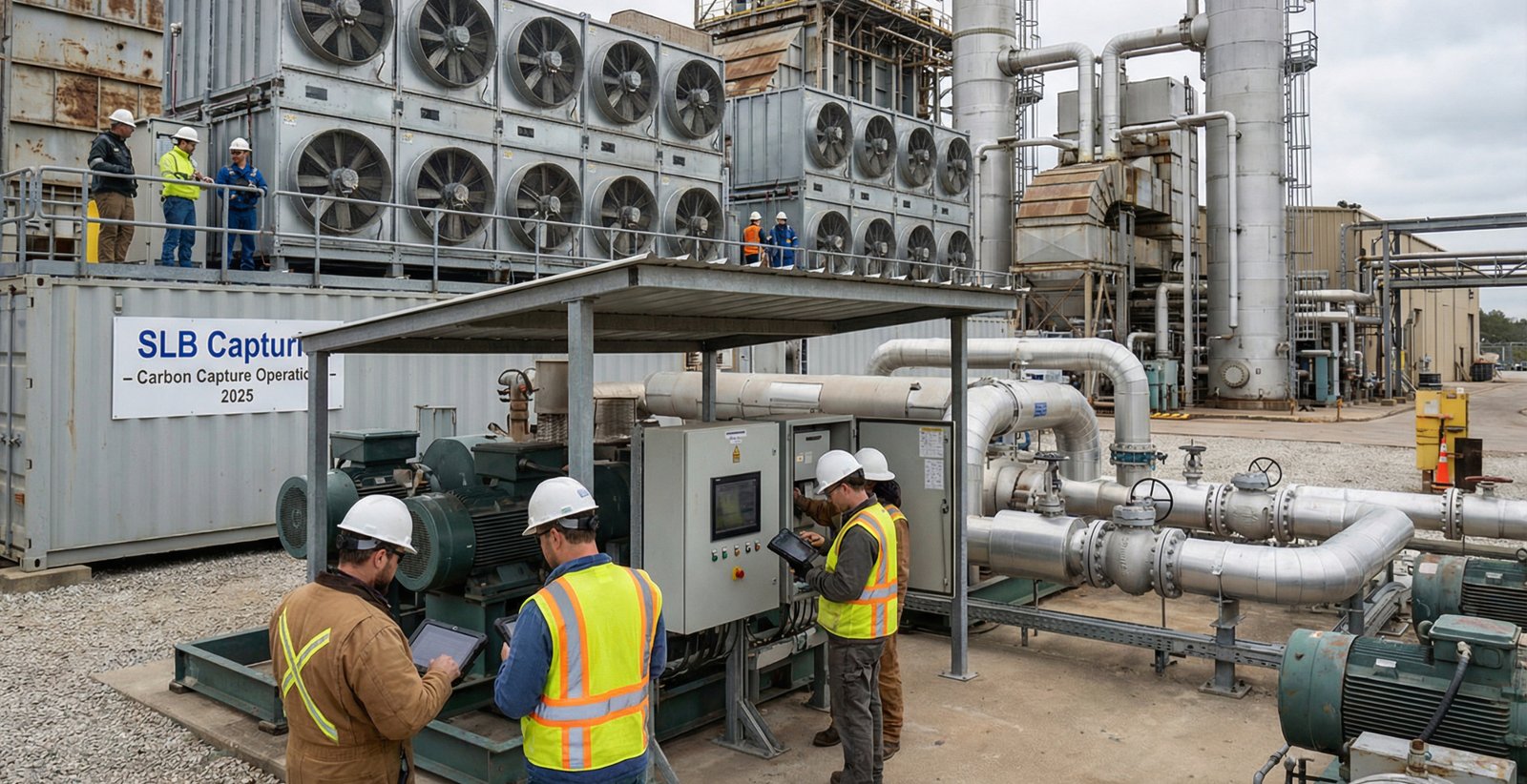

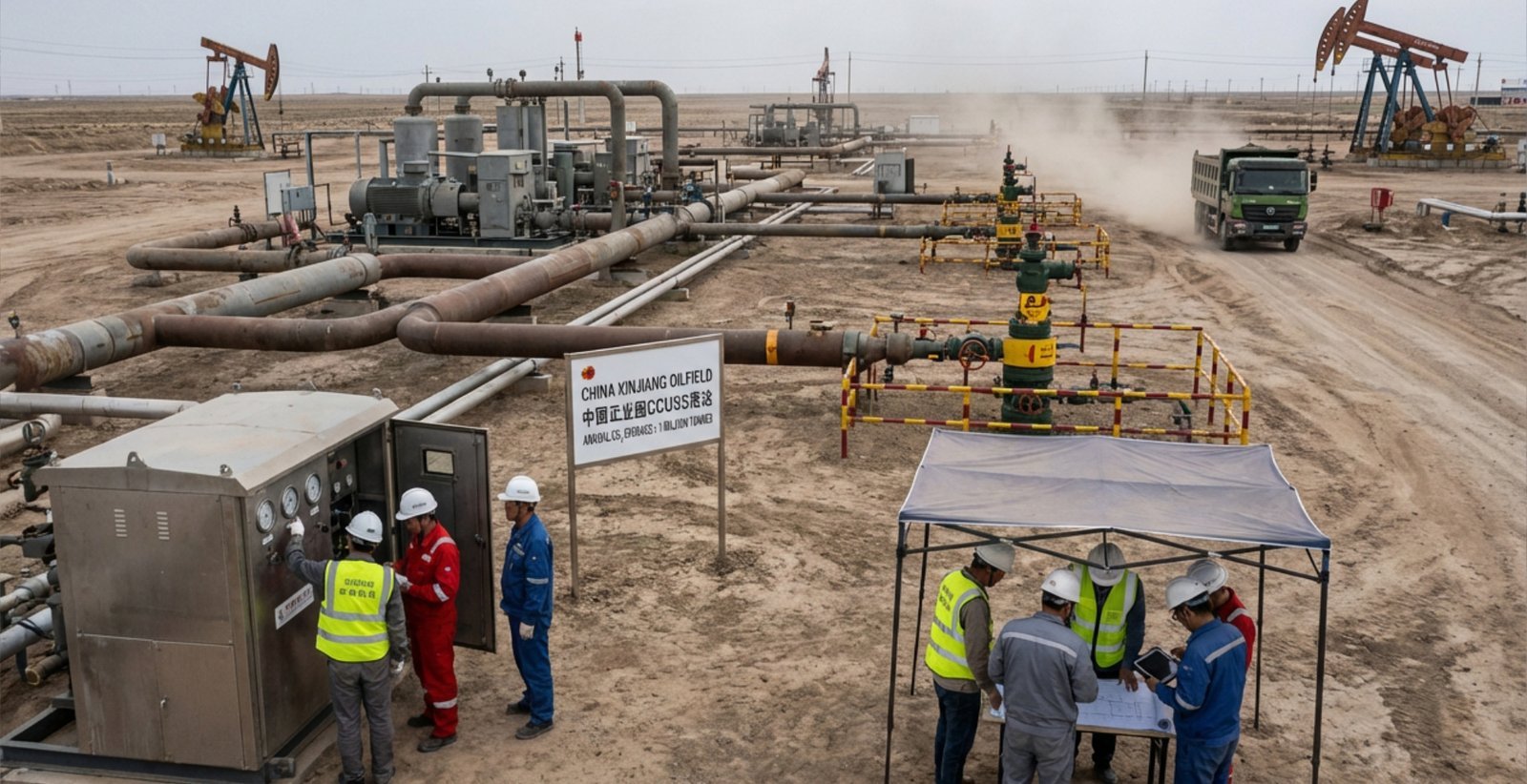
China’s Xinjiang Oilfield has surpassed one million tonnes of annual carbon dioxide (CO₂) storage, marking a decisive breakthrough in the industrial-scale deployment of carbon capture, utilization and storage (CCUS) technologies.
The achievement positions Xinjiang Oilfield-one of China’s most significant oil production bases-as a national leader in integrating emissions reduction with energy production at scale.
For executives tracking decarbonization pathways, this milestone demonstrates how CCUS is moving beyond pilot projects into commercially meaningful infrastructure.
CCUS Integrated with Oil Production
Located in the Junggar Basin of northwest China, Xinjiang Oilfield has implemented CO₂-enhanced oil recovery (CO₂ EOR) by capturing industrial emissions and reinjecting the CO₂ underground to improve oil recovery rates.
This approach enables:
- Sustained oil production
- Reduced lifecycle emissions
- Productive reuse of captured carbon
According to project leadership, storing one million tonnes of CO₂ delivers a carbon benefit comparable to planting nearly nine million trees.
Rapid Scaling Through Technology and Execution
Xinjiang Oilfield has accelerated CO₂ injection volumes at an unprecedented pace:
- 126,000 tonnes in 2022
- 1 million tonnes annually by 2025
- Over 2 million tonnes cumulatively injected
This rapid scale-up was achieved through integrated advances in:
- Reservoir engineering
- CO₂ transport and injection systems
- Operational management and industrial coordination
The result is a proven model for scaling CCUS within existing energy infrastructure.
Strategic Importance for Energy Security and Climate Goals
CCUS deployment at Xinjiang Oilfield delivers a dual benefit-supporting both emissions reduction and energy security.
Project assessments indicate:
- Oil reservoirs suitable for CO₂ EOR
- Saline aquifers capable of long-term carbon storage
- An estimated 2 billion tonnes of total CO₂ storage potential
This capacity creates the foundation for a regional CCUS industrial cluster, positioning Xinjiang as a hub for low-carbon energy innovation.
Forward Strategy: Industrial-Scale CCUS Expansion
During China’s 15th Five-Year Plan period (2026–2030), Xinjiang Oilfield plans to:
- Develop 10 million tonnes of CCUS capacity
- Integrate CCUS with renewable energy and thermal power systems
- Support large-scale energy system decarbonisation
This approach reflects China’s broader strategy of aligning climate action with economic value creation, positioning CCUS as an engine for industrial transformation rather than a compliance cost.
Why This Matters
Xinjiang Oilfield’s progress signals several critical trends:
- CCUS is transitioning from experimental to bankable infrastructure
- Carbon storage is becoming a strategic industrial asset
- Energy producers can decarbonise without abandoning production
- Large-scale storage unlocks future carbon markets and pricing mechanisms
For executives across energy, infrastructure, heavy industry, and finance, the message is clear: carbon management is now an operational discipline, not a future ambition.
The post A Landmark Moment for Large-Scale Carbon Capture appeared first on ccusxchange.com.