
While the initial focus of 2026 was on establishing giga-scale capacity, the second week of March has shifted toward the operational execution of transparency and next-generation chemistry. For C-suite leaders, the priority is no longer just the volume of cells, but the verified data behind them and the commercial pivot toward solid-state technology.
The Rise of Digital Traceability
On March 5, 2026, a significant partnership between MineHub and Minespider signaled the arrival of mature Digital Battery Passport (DBP) solutions. This collaboration is designed to help automotive OEMs and miners meet the strict requirements of the EU Battery Regulation and the U.S. Inflation Reduction Act.
This transition from manual tracking to integrated digital ledgers is now a strategic requirement. Every gram of critical mineral must be traceable from the mine site to the final pack to ensure compliance and maintain access to major markets.
Suzuki’s Solid-State Acquisition
In a surprise move on March 4, 2026, Suzuki Motor announced an agreement to acquire Kanadevia’s all-solid-state battery business. This marks a significant consolidation in the race for the “holy grail” of battery technology.
By acquiring proprietary dry manufacturing processes and a technology that has already been tested in space, Suzuki is positioning itself to compete with larger peers like Toyota and Nissan. This acquisition confirms that solid-state technology is moving out of the laboratory and into the industrial M&A phase.
AI-Powered Production Efficiency
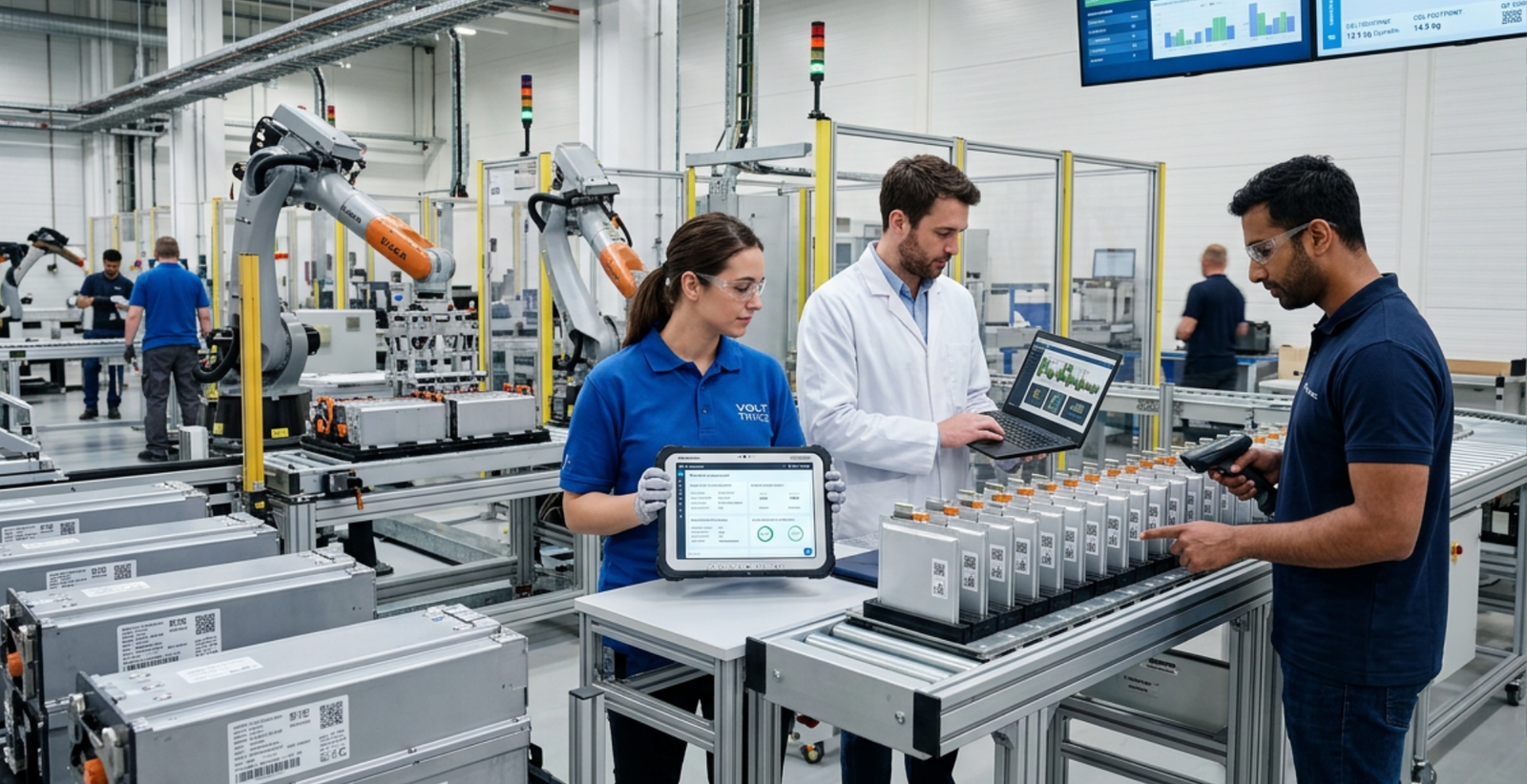
Underpinning these shifts is a move toward hyper-automated manufacturing. On March 4, 2026, Honeywell announced the integration of its AI-powered Battery Manufacturing Excellence Platform (Battery MXP) into the Alabama Mobility and Power Center.
This platform is specifically designed to optimize cell yields and expedite the startup phase of new facilities. For executives, this represents a solution to the “yield gap” that has traditionally slowed the commercialization of new chemistries. By using machine learning to predict and prevent production defects, manufacturers can significantly reduce waste and improve the unit economics of high-performance cells.
The Bottom Line
The narrative in the battery supply chain has moved from securing raw materials to securing digital and chemical superiority. Whether through the adoption of Digital Battery Passports or the strategic acquisition of solid-state assets, the winners of 2026 are those who prioritize transparency and production automation. The era of “blind sourcing” is over, replaced by a data-driven mandate for a responsible and technically advanced supply chain.
Read About : The Battery Pivot: From Resource Scarcity to Circular Intelligence
The post The Battery Traceability Mandate: From Capacity to Transparency appeared first on evsupplychainxchange.com.