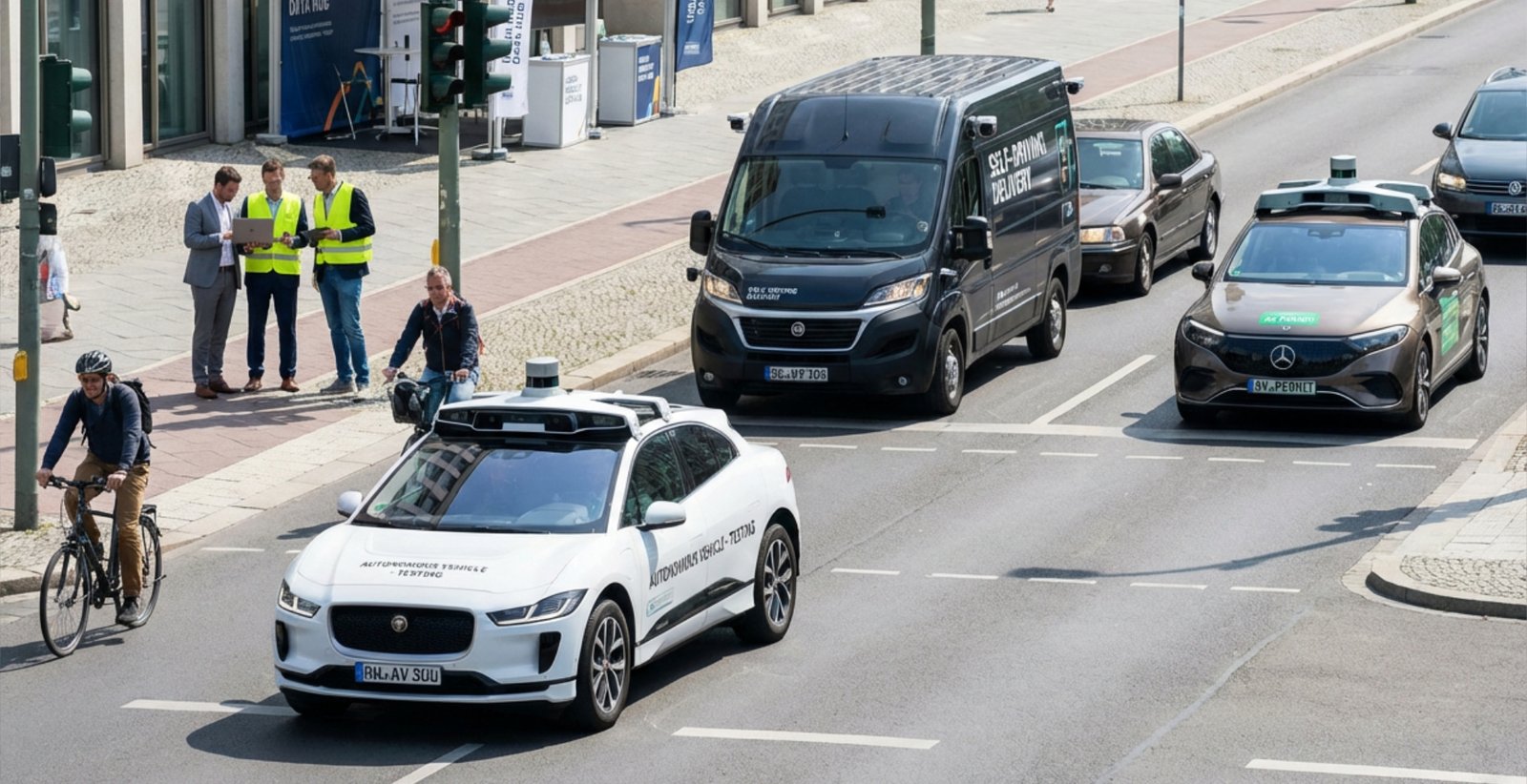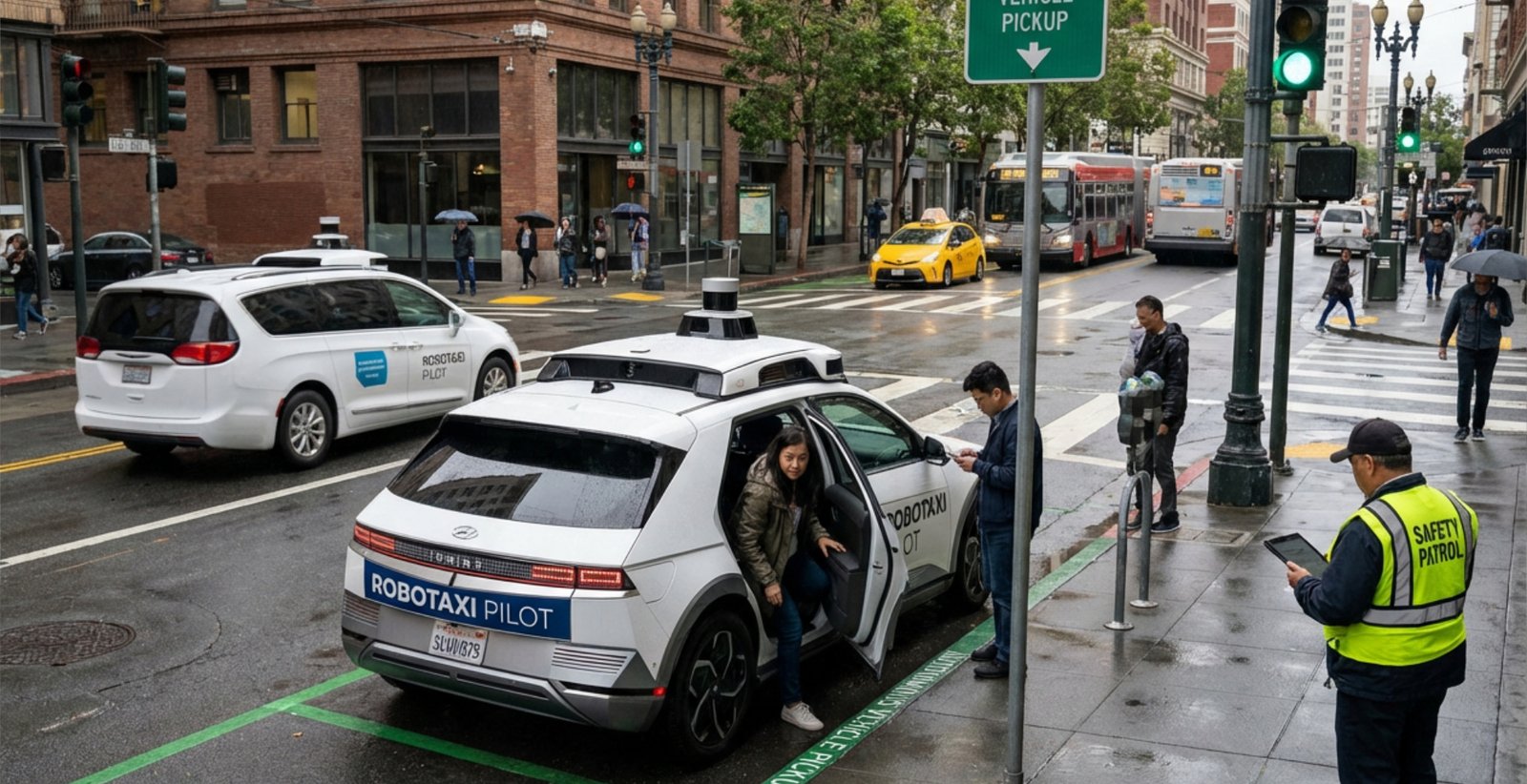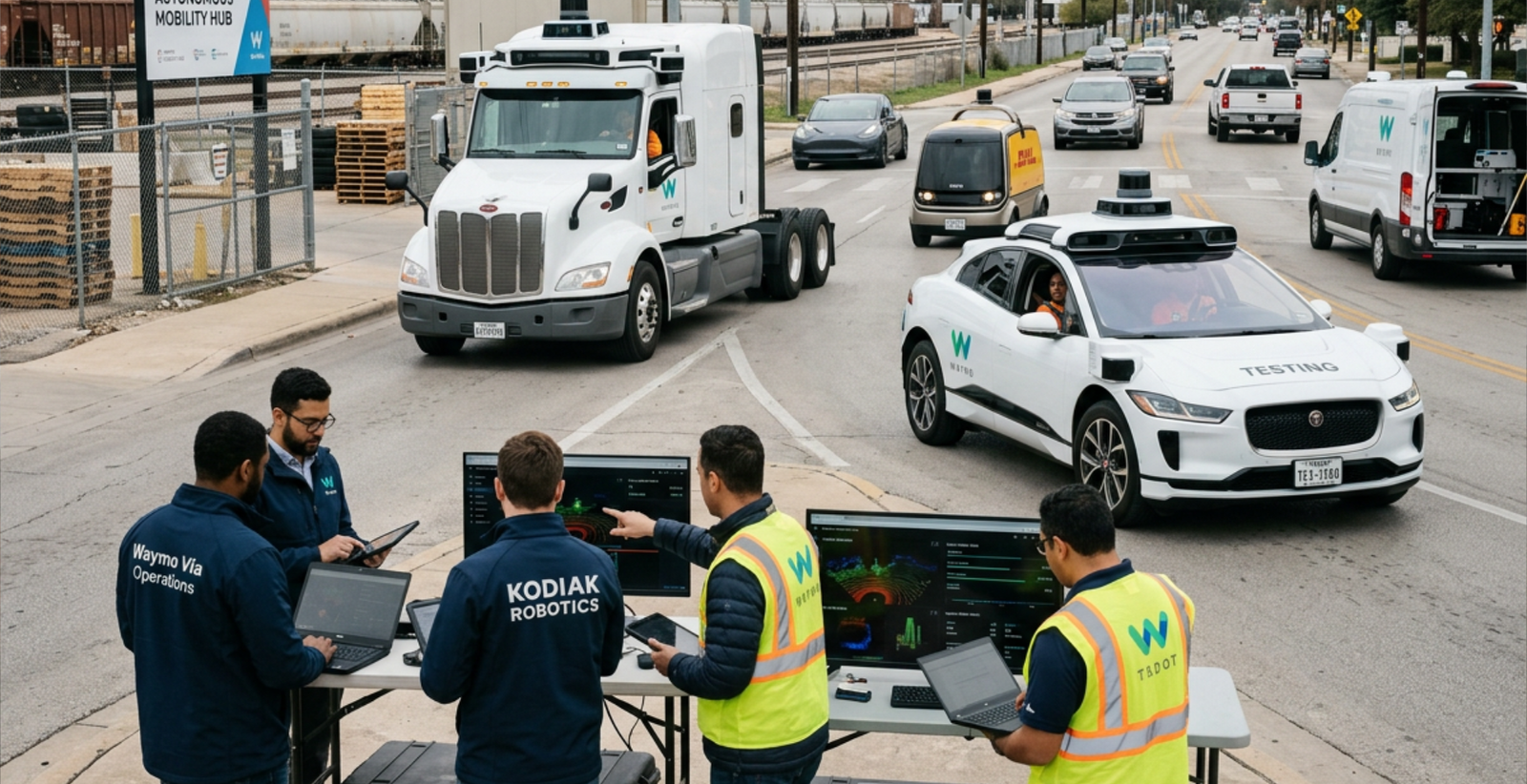

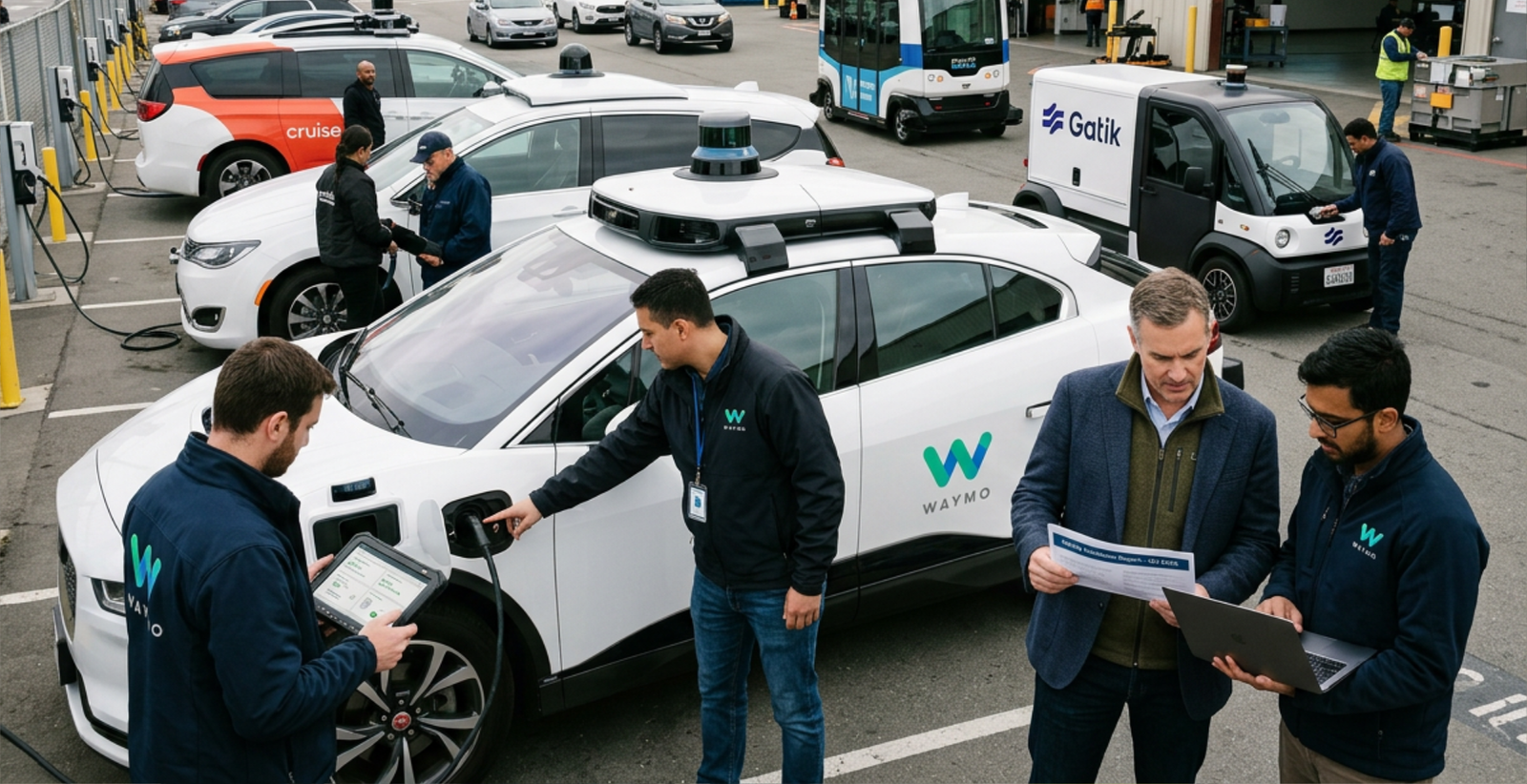
The second week of March 2026 marks a structural shift in the autonomous mobility sector. We have moved past the era of isolated urban pilots into a “Supercycle” of global deployment. Driven by massive capital injections and the first standardized international safety protocols, the leading players are now competing on operational velocity and software licensing rather than just technical feasibility.
For the C-suite, this week’s “good news” confirms that the autonomous software layer is becoming a standardized utility for global logistics and transit.
1. The $1.5 Billion “Embodied AI” Breakthrough
On February 25, 2026, UK-based Wayve secured a landmark $1.5 billion Series D funding round, valuing the company at $8.6 billion. This is not just a funding story; it is a validation of the “End-to-End AI” approach.
- The Strategic Alliance: The round was backed by Microsoft, NVIDIA, and Uber, alongside major automakers like Mercedes-Benz, Nissan, and Stellantis.
- The Model: Unlike Waymo, which operates its own fleet, Wayve is positioning itself as the “Intel Inside” of autonomy. It plans to license its mapless AI Driver software to global fleets, beginning with a major commercial robotaxi trial in London with Uber later this year.
2. Waymo’s “10-City” U.S. Footprint
As of March 2026, Waymo has officially transitioned from a Bay Area project to a national infrastructure provider.
- Rapid Expansion: Following a fresh $16 billion funding round in February, Waymo has now launched public operations in 10 major U.S. cities, including the recent additions of Dallas, Houston, San Antonio, and Orlando.
- Performance Data: The company has logged over 200 million fully autonomous miles on public roads. This week, internal reports highlighted a 90% reduction in serious injury crashes compared to human drivers, providing the statistical “safety case” required for further regulatory approvals.
3. Public Transit: The Autonomous Minibus Era
While robotaxis grab headlines, the “middle-mile” is being quietly revolutionized. May Mobility announced this week that it has successfully deployed its autonomous vehicle technology across nine Japanese cities, including a new pilot in Saito City launched in February 2026.
- The Innovation: Partnering with NTT and SoftBank, May Mobility is using its Multi-Policy Decision Making (MPDM) system to manage dense urban congestion.
- Scalable Transit: The company is on track to launch its first electric, wheelchair-accessible autonomous minibus by late 2026, aiming to bridge the gap between private ride-hailing and large-scale public bus networks.
4. Global Regulatory Alignment: The UNECE Milestone
The “safety case” for autonomy received a major boost this week as the UNECE (United Nations Economic Commission for Europe) moved its Global ADS Regulation into the final adoption stage.
- Why it Matters: This provides a unified methodology for auditing Safety Management Systems (SMS). For multinational corporations, this means a vehicle certified in Europe or Japan can now more easily clear regulatory hurdles in other member markets, significantly reducing the “regulatory friction” of global fleet deployments.
In Conclusion
Between Wayve’s licensing model and the UN’s regulatory harmonization, the industry has effectively dismantled the “city-by-city” bottleneck. We are no longer debating whether the technology works; we are witnessing the birth of a global, software-defined transport utility. For the C-suite, the strategic mandate for 2026 is clear: transition from testing technology to securing the autonomous software layer that will drive your logistics, fleet efficiency, and workforce mobility for the next decade.
Read about : CES 2026: Autonomous Driving Reaches a Global Inflection Point
The post The Autonomy Supercycle: From Data Moats to Global Fleets appeared first on autonomousmobilityxchange.com.