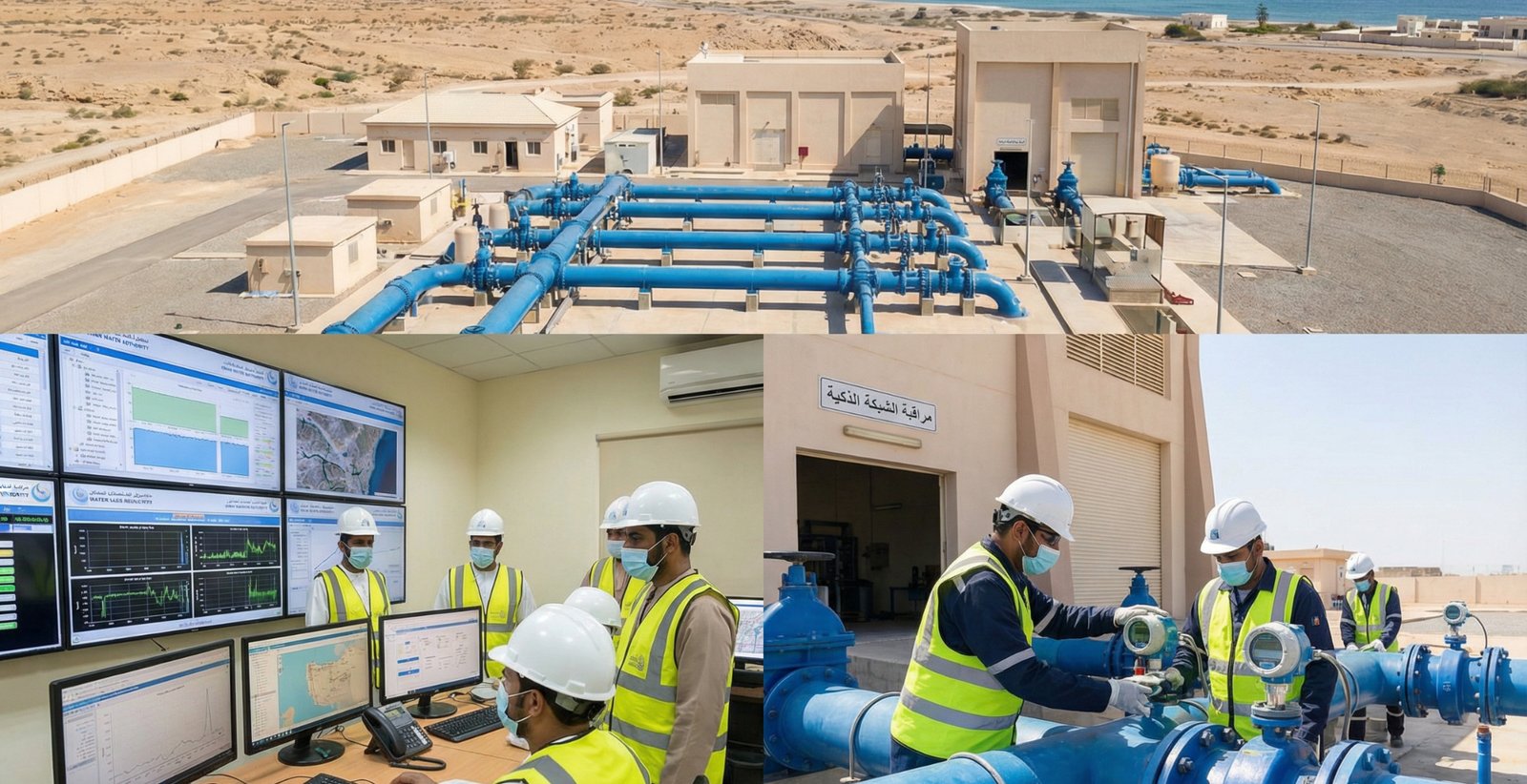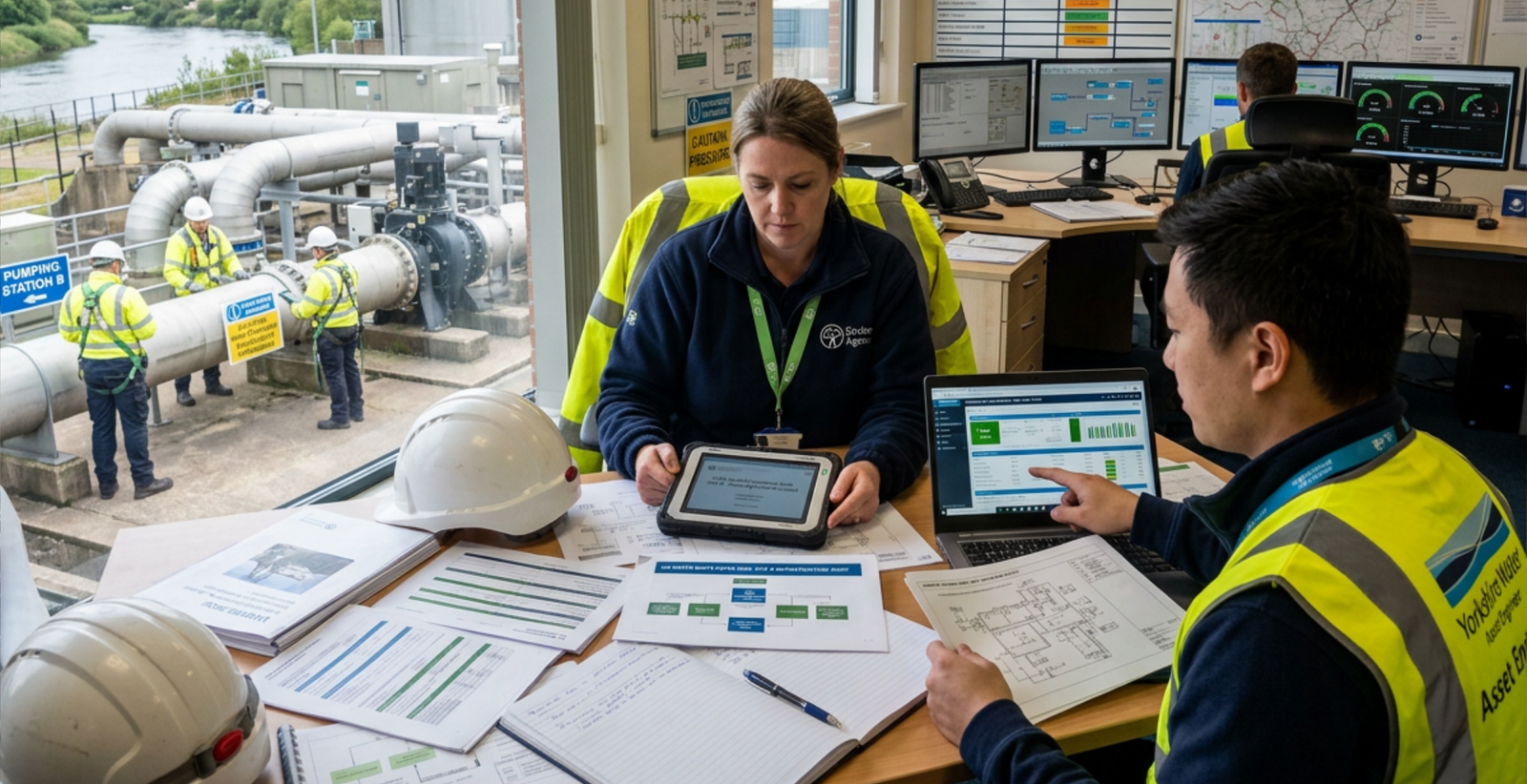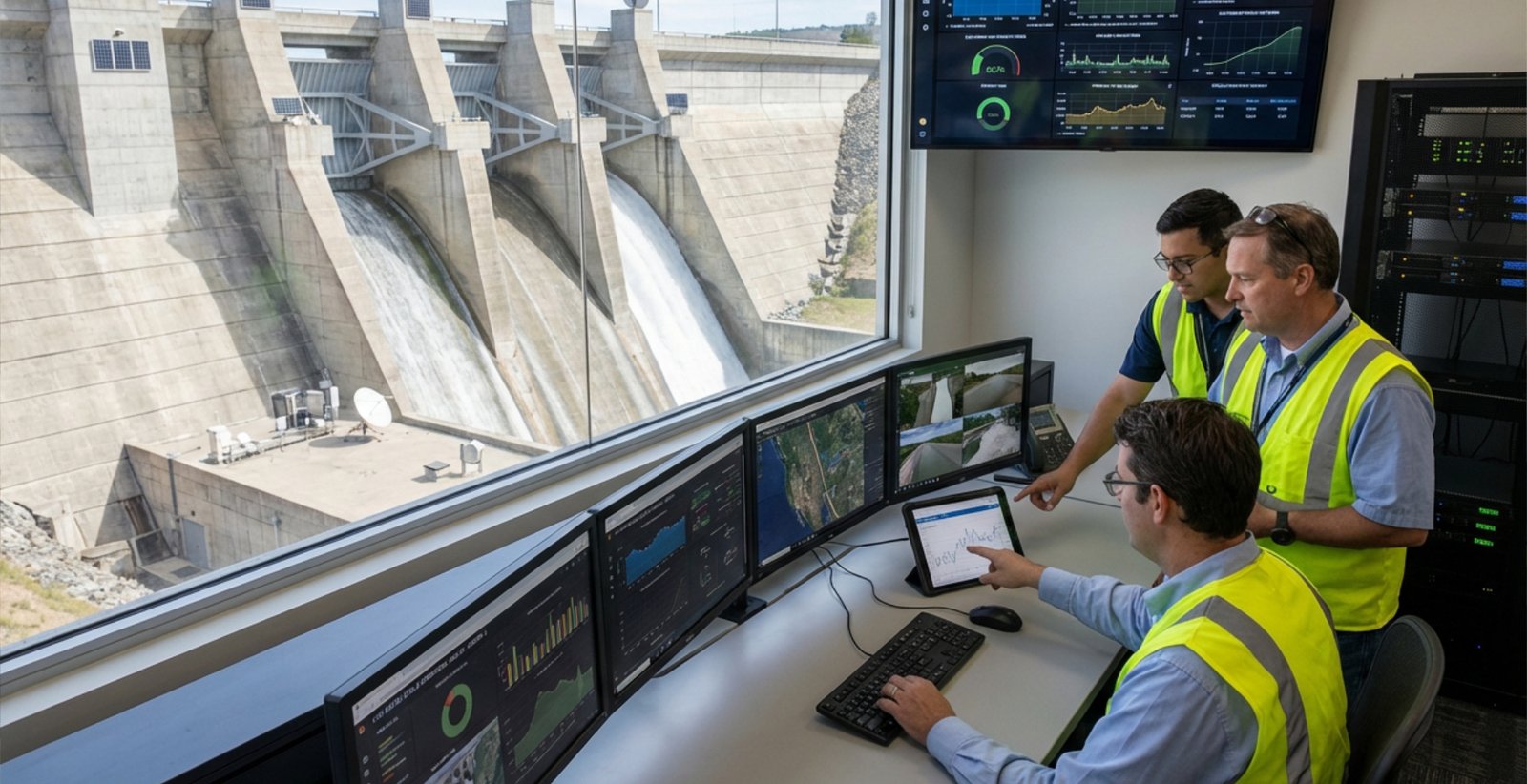

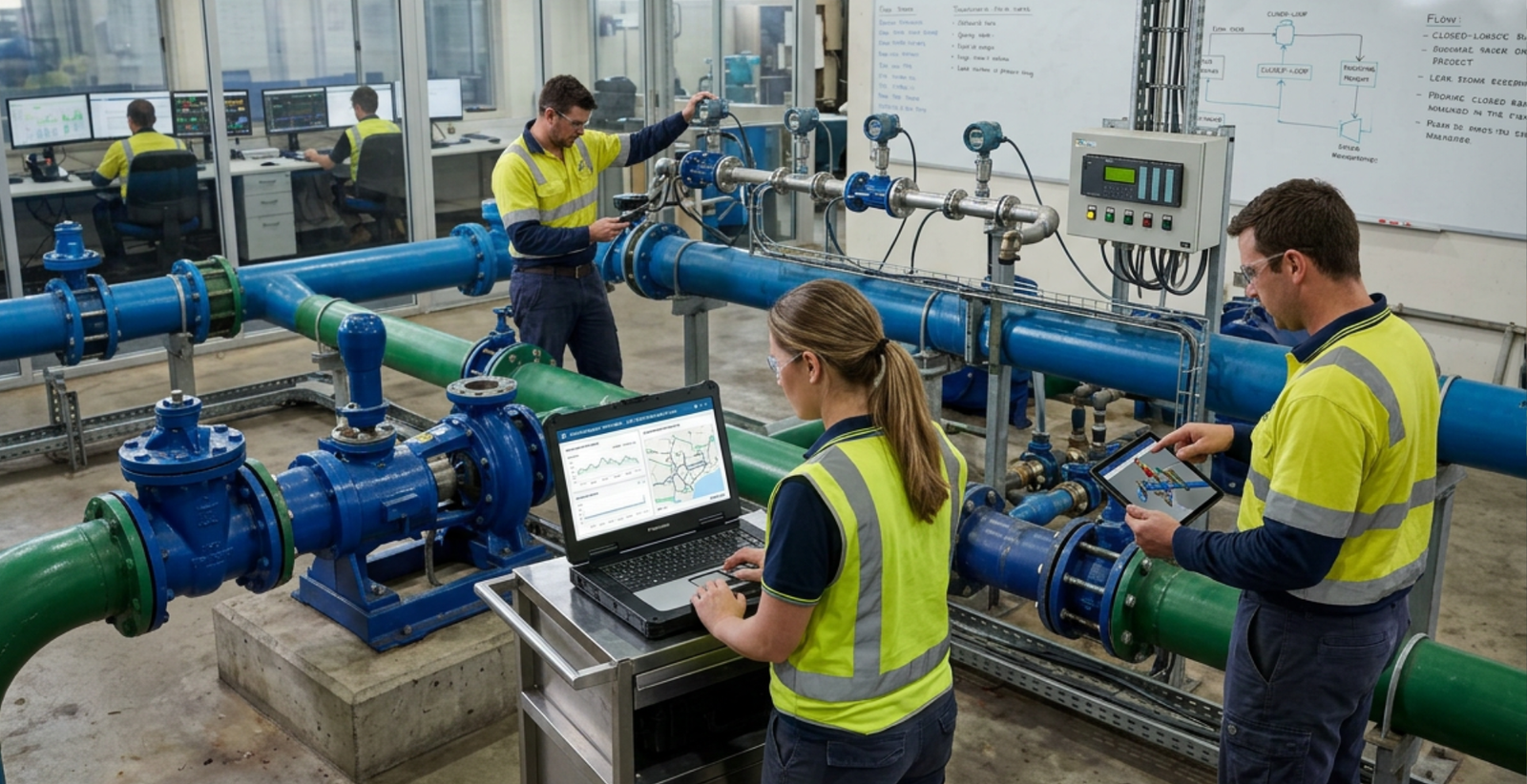
If 2025 was the year of “Smart Metering,” 2026 is becoming the year of the Autonomous Water Network. Following last week’s milestones in Singapore and Brussels, the conversation for C-suite executives has shifted from simply collecting data to executing Autonomous Infrastructure.
In the second week of March 2026, the industrial focus is on two specific execution pillars: Predictive Leakage Remediation and Closed-Loop Industrial Water Cycles.
1. From “Detection” to “Predictive Repair”
The most significant technical shift this week involves the integration of AI-driven pressure transients with acoustic sensor networks. Leading utilities in the U.S. Midwest and Southern Spain are reporting a breakthrough in “Failure Prediction.”
- The Data: By analyzing micro-vibrations and pressure anomalies, these systems are now predicting pipe bursts 48 to 72 hours before they occur.
- The ROI: For industrial facilities, this eliminates the “emergency premium” on repairs and prevents catastrophic water damage to sensitive machinery. This week, early adopters reported a 22% reduction in emergency maintenance budgets compared to Q1 2025.
2. The “Closed-Loop” Industrial Standard
As global water stress intensifies, the “Circular Water” model is no longer a pilot project; it is becoming a mandatory operational standard.
- Decentralized Treatment: On March 5, 2026, several major pharmaceutical and textile hubs in India and Southeast Asia announced the commissioning of “On-Site Recovery Modules.”
- The Impact: These modular, IoT-managed treatment plants allow facilities to recycle up to 85% of their process water on-site. This significantly reduces the reliance on municipal grids and insulates the facility from “drought-driven” utility surcharges.
3. Smart Infrastructure as a “Hedge” Against Inflation
In the current economic climate, smart water infrastructure is being re-evaluated as a financial hedge. With water tariffs in major urban centers projected to rise by 8–12% this year, the ability to eliminate “Non-Revenue Water” (NRW) is a direct win for the balance sheet.
- Asset Life Extension: Digital twins are now being used to manage “pump stress.” By dynamically adjusting flow rates based on real-time demand, facilities are extending the operational life of their pumping assets by an average of 15%.
Strategic Hurdles for the C-Suite
As the sector scales, leadership teams must navigate three emerging complexities:
- Cyber-Physical Security: As water systems become “connected,” they become targets. The 2026 Water Security Mandate now requires all smart water endpoints to meet “Zero-Trust” hardware authentication standards.
- Data Interoperability: The challenge is no longer “too little data,” but “too many silos.” Firms must ensure their building management systems (BMS) can ingest data from disparate sensor brands—moving toward a Unified Water Data Layer.
- The Talent Gap: Managing an autonomous water network requires a hybrid of “traditional plumbing” and “data science.” Upskilling facility teams to interpret digital twin simulations is now a top-three priority for operations directors.
The Bottom Line
The “Good News” in smart water for 2026 is that the technology has finally caught up with the crisis. We are moving away from passive monitoring toward Self-Healing Infrastructure. For the C-suite, the decision to invest in a unified water digital twin is no longer just about ESG—it is about securing the literal lifeblood of industrial operations against a volatile climate and an aging grid.
The post The Autonomous Watershed: Moving Beyond Monitoring in 2026 appeared first on smartwaterxchange.com.