
Executive Brief
The global lithium market is approaching a structural inflection point. After more than two years of oversupply, collapsing prices, and margin pressure across the mining sector, accelerating demand from grid-scale energy storage is redefining lithium’s long-term fundamentals. What was once an electric-vehicle-centric commodity is rapidly becoming a core material for power systems, data infrastructure, and national energy security strategies.
For C-suite leaders across energy, infrastructure, mining, and advanced manufacturing, the message is clear: lithium’s next growth cycle will be driven as much by energy storage as by mobility.
From EV Dependence to Energy System Backbone
Since late 2022, the lithium industry has struggled with a supply glut triggered by aggressive capacity expansion during the EV battery boom. Demand growth failed to keep pace, pushing prices to multi-year lows in mid-2025 and forcing miners globally to curb output.
That narrative began to shift decisively in the second half of 2025.
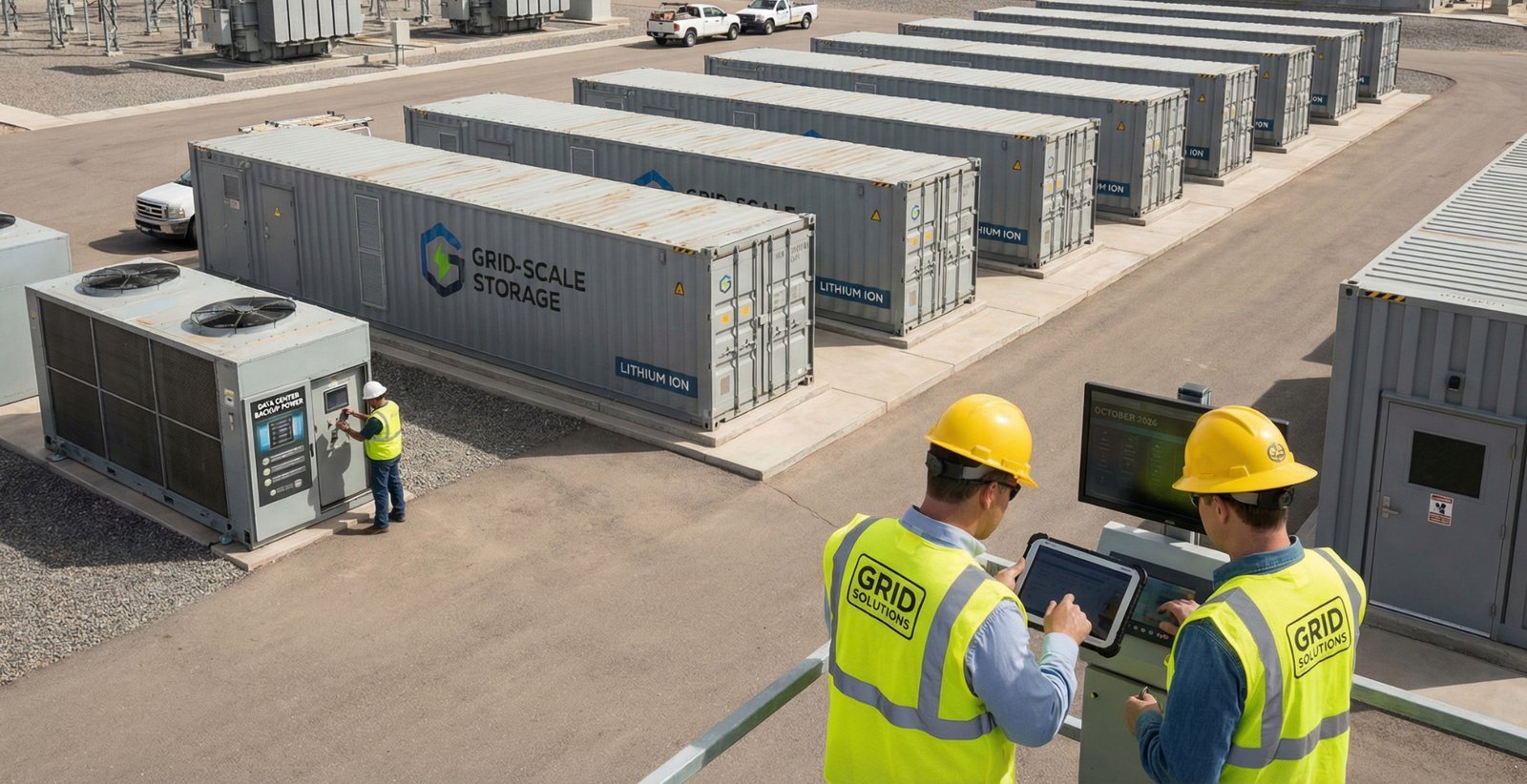
Power sector reforms in China, combined with an unprecedented expansion of data centers and renewable energy capacity, have driven a surge in demand for lithium-based battery storage systems. Grid-scale batteries are now essential for balancing intermittent solar and wind generation, stabilizing power markets, and supporting digital infrastructure.
Analysts increasingly describe energy storage as a “game changer” for lithium, marking a transition from cyclical EV dependency to structurally diversified demand.
Energy Storage: The Fastest-Growing Demand Segment
Battery energy storage systems (BESS) have emerged as China’s most valuable clean-tech export, surpassing even electric vehicles in 2025. Lithium demand from energy storage is projected to grow by approximately 55% in 2026, following growth of more than 70% in 2025.
By next year, energy storage is expected to account for over 30% of total lithium consumption, up from less than a quarter just one year earlier. This shift is strategically significant: energy storage demand is less sensitive to consumer sentiment than EVs and more closely tied to long-term infrastructure investment and policy mandates.
The global data-center construction boom-driven by AI, cloud computing, and digital sovereignty initiatives-is further reinforcing this trend, as operators invest heavily in on-site and grid-connected storage to ensure reliability and resilience.
Read more on How Chile Is Advancing Lithium and Rare Earth Technologies
Market Outlook: Deficits Replace Surpluses
Financial institutions now forecast a markedly tighter lithium market in 2026. Estimates range from a modest deficit to a shortfall of up to 80,000 metric tons of lithium carbonate equivalent, compared with a surplus in 2025.
Prices, which bottomed out in mid-2025, rebounded sharply following Chinese policy interventions targeting overcapacity and temporary production halts at key mining assets. While extreme price spikes remain unlikely due to ongoing supply growth, the market has clearly moved past its trough.
Most analysts now anticipate a more balanced pricing environment, supporting project viability without undermining the economics of energy storage deployment.
Strategic Risks and Technology Wildcards
Despite improving fundamentals, structural risks remain. A faster-than-expected transition to sodium-ion batteries for stationary storage could cap lithium demand growth, particularly in cost-sensitive applications. At the same time, slowing EV sales in certain markets-driven by subsidy rollbacks-may temporarily soften overall battery demand.
However, even under conservative scenarios, lithium’s role in power systems, industrial decarbonization, and grid resilience appears increasingly entrenched.
What This Means for Executive Leadership
For enterprise leaders, the implications are strategic rather than cyclical:
- Mining and materials companies must recalibrate portfolios toward long-duration demand visibility rather than EV volatility
- Energy and infrastructure players should view lithium supply as a strategic enabler of grid stability and digital growth
- Investors and policymakers must recognize energy storage as a primary driver of critical mineral demand, not a secondary application
Lithium is no longer just an EV story. It is becoming a cornerstone of the global energy transition’s physical infrastructure.
Conclusion
The energy storage boom is fundamentally reshaping the lithium market in 2026. What began as a painful correction is evolving into a structurally healthier industry supported by power system reform, renewable integration, and digital infrastructure expansion. For decision-makers at the highest level, lithium’s future lies not only on the road-but firmly on the grid.
The post Energy Storage Boom Reshapes the Global Lithium Market in 2026 appeared first on dlexhcange.com.