
A Defining Acceleration in Electric Aviation
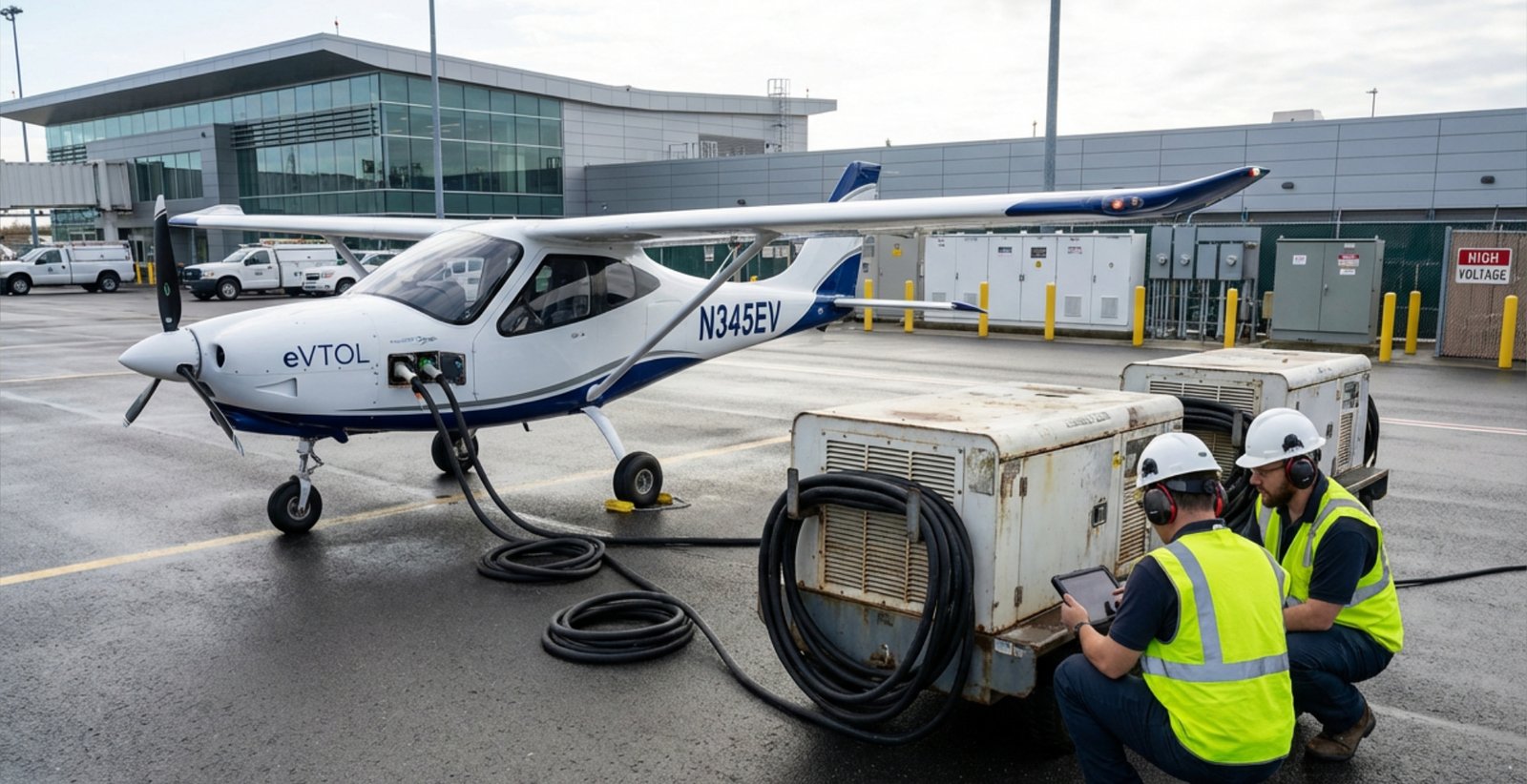
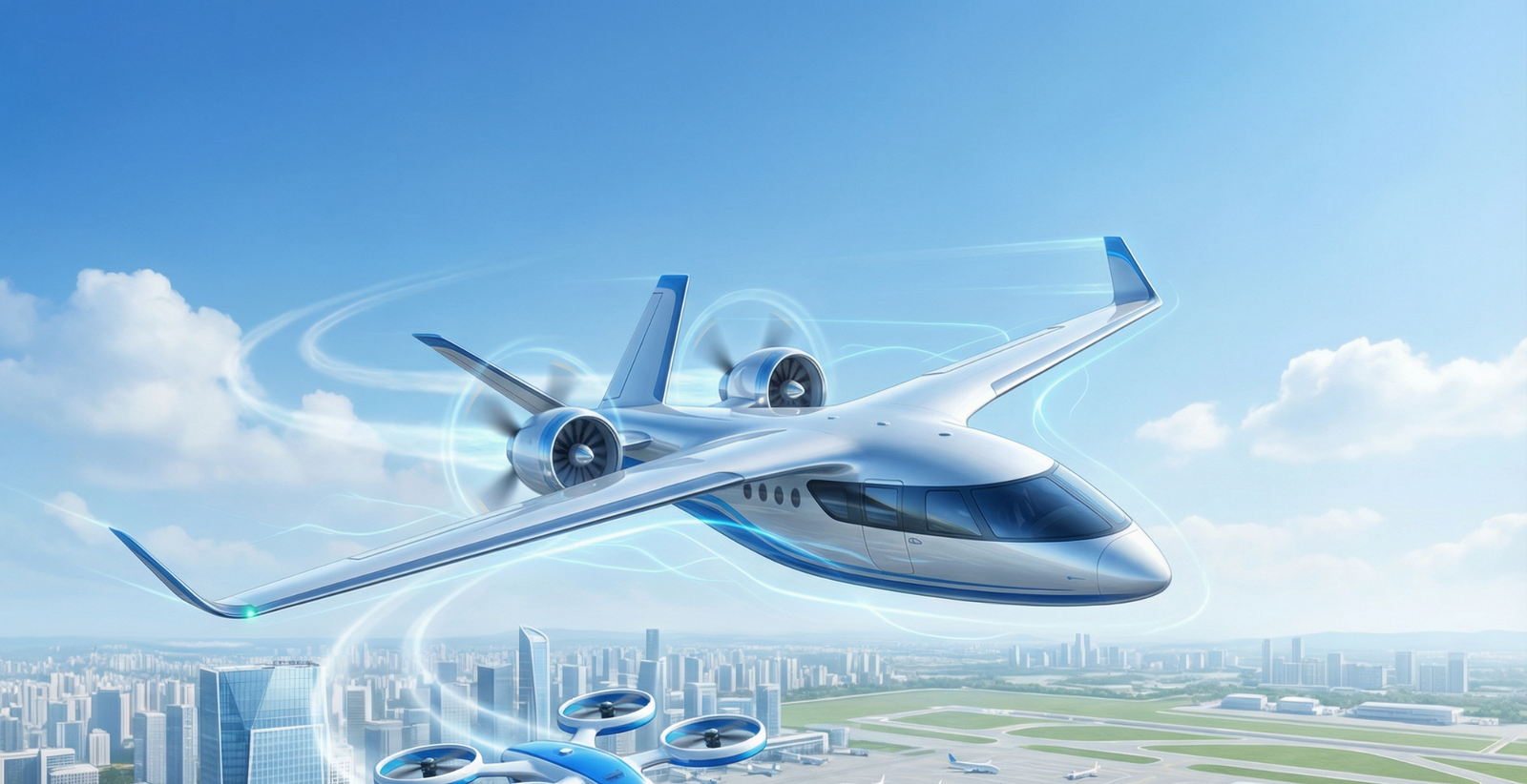
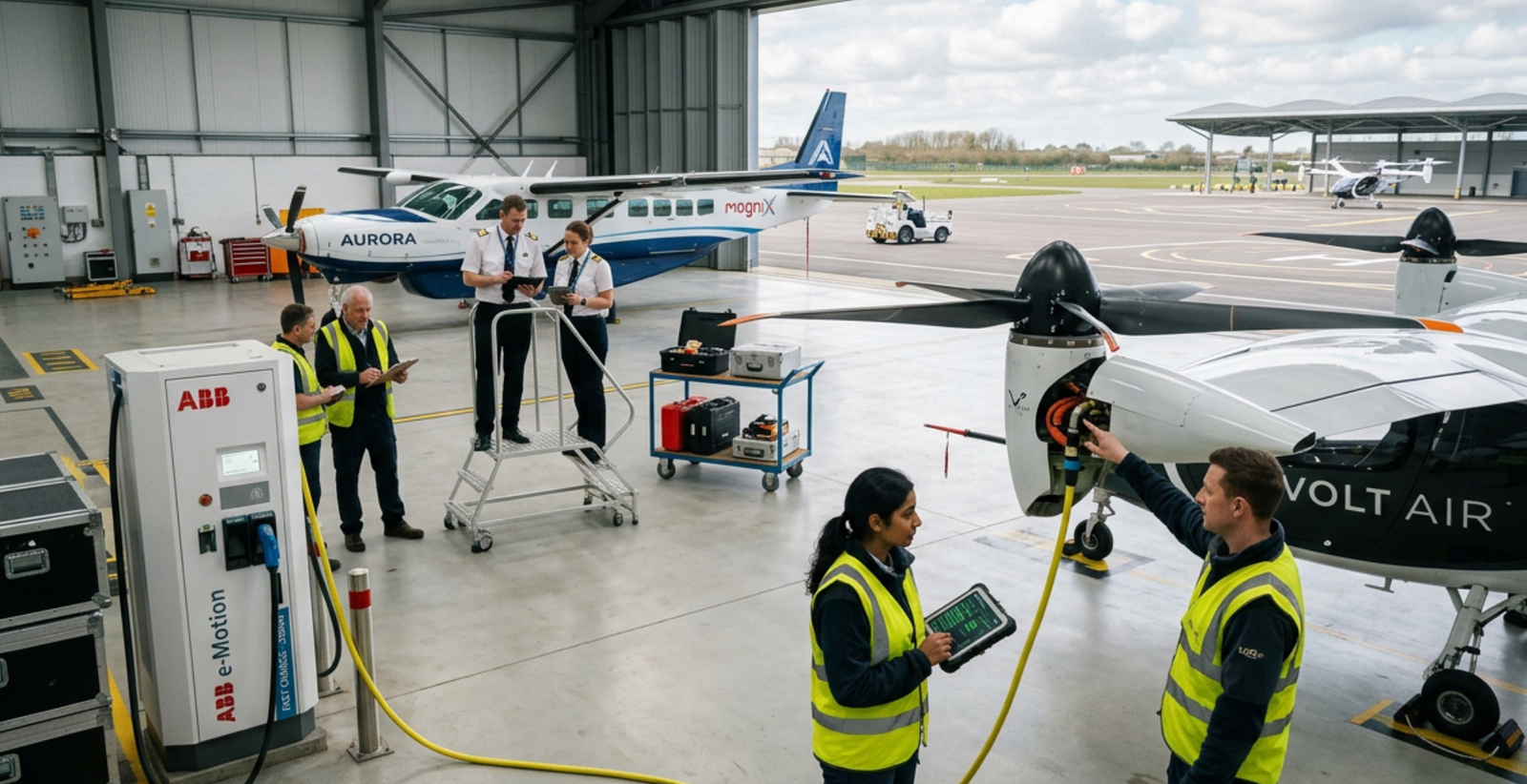
Electric aviation is entering a decisive growth phase, with rapid advancements across eVTOL aircraft, hybrid-electric systems, and advanced air mobility (AAM) ecosystems.
Recent developments signal a transition from prototype validation to early-stage commercialization, as companies move toward production, partnerships, and real-world deployment scenarios.
eVTOL Ecosystem Moves Toward Commercial Reality
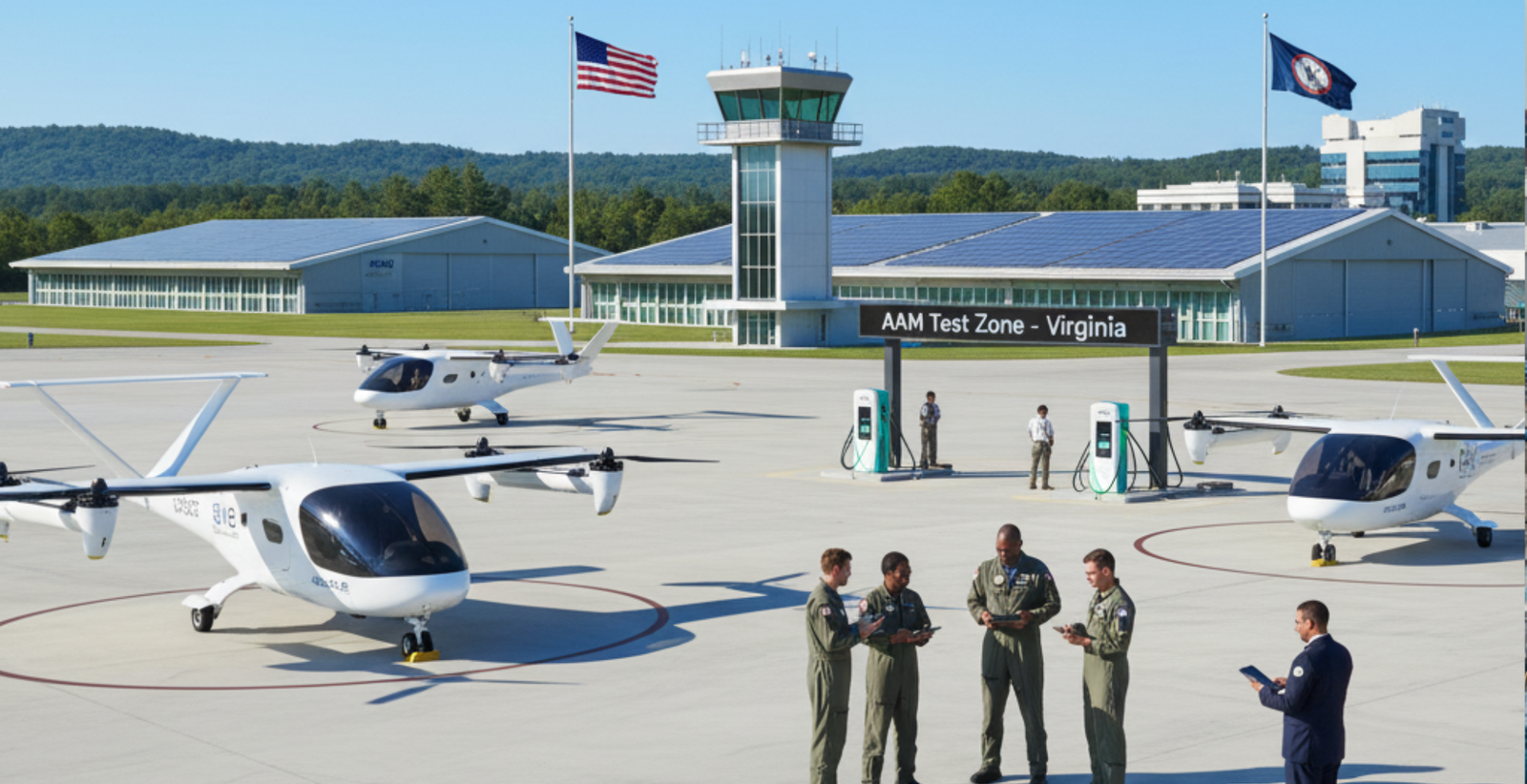
The global push toward Advanced Air Mobility (AAM) is gaining momentum through strategic collaborations and infrastructure readiness.
- EHang has partnered with Türk Telekom and Argela to integrate its EH216-S eVTOL aircraft with 5G-enabled unmanned traffic management systems, highlighting the role of telecom infrastructure in scaling urban air mobility.
- SkyDrive successfully conducted eVTOL demonstration flights in Tokyo, supported by vertiport infrastructure, reinforcing the viability of urban deployment models.
- DHL is exploring integration of cargo eVTOL aircraft into logistics networks, signalling early adoption in last-mile and regional delivery ecosystems.
These developments indicate that ecosystem integration-not just aircraft innovation-is becoming the key differentiator.
From Development to Production: Capital and Manufacturing Scale
Electric aviation is now witnessing capital inflows and production milestones:
- XPeng’s eVTOL subsidiary has secured $200 million in additional funding, taking total capital raised to ~$1 billion.
- Initial production rollout has already begun, with multiple eVTOL units exiting assembly lines, marking a shift from R&D to manufacturing readiness.
This reflects growing investor confidence in commercial viability and scalability of electric aviation platforms.
Hybrid and Electric Aircraft Expand Use Cases
Beyond urban air taxis, electric aviation is expanding into regional and multi-purpose aircraft segments:
- MD Aircraft is advancing plans for a nine-passenger electric regional aircraft, targeting certification by 2030.
- Horizon Aircraft’s hybrid eVTOL (Cavorite X7) claims significantly lower operating costs compared to helicopters, potentially reshaping regional air mobility economics.
- LuftCar is developing a hydrogen-powered air-ground mobility system, signalling convergence between aviation and ground transport.
The industry is moving toward a multi-technology landscape: battery-electric, hybrid, and hydrogen-powered aircraft.
Technology Backbone: Avionics and Modular Systems
Technology providers are playing a critical role in enabling scalable electric aviation:
- India-based ePlane has partnered with Hensoldt to integrate next-generation avionics systems into its eVTOL air taxi platform.
- Liebherr-Aerospace has introduced modular electromechanical actuation systems designed specifically for certifiable eVTOL aircraft.
These advancements highlight that software, avionics, and control systems are as critical as propulsion technologies.
New Use Cases: Emergency Response and Logistics
Electric aviation is unlocking high-impact operational use cases:
- Emergency medical response using eVTOL aircraft is being tested in the U.S., where flight-trained paramedics could deploy directly to incident sites.
- Logistics players are exploring uncrewed cargo eVTOLs for faster, cost-efficient delivery networks.
These early deployments demonstrate real-world value beyond passenger mobility, accelerating adoption.
The Strategic Shift: Infrastructure + Integration
The next phase of electric aviation will be defined by:
- Vertiport infrastructure development
- Air traffic management integration
- 5G-enabled connectivity
- Regulatory alignment
The convergence of these elements will determine speed to commercialization.
Executive Insight: Strategic Imperatives
For C-level leaders across aerospace, mobility, and infrastructure:
- Prioritize ecosystem partnerships over standalone innovation
- Track AAM regulatory and infrastructure developments closely
- Invest in multi-technology platforms (battery, hybrid, hydrogen)
- Align with urban mobility and logistics transformation trends
Conclusion: From Innovation to Deployment
Electric aviation is no longer a distant vision-it is entering its execution phase.
The convergence of capital, technology, and infrastructure is accelerating the transition from experimental platforms to scalable mobility solutions.
For global stakeholders, the message is clear:
The future of aviation will not be defined by aircraft alone, but by the ecosystems that enable them.
The post Electric Aviation Surge: eVTOL, Hybrid Aircraft and AAM Trends appeared first on Electric Aviation Xchange 2026.