
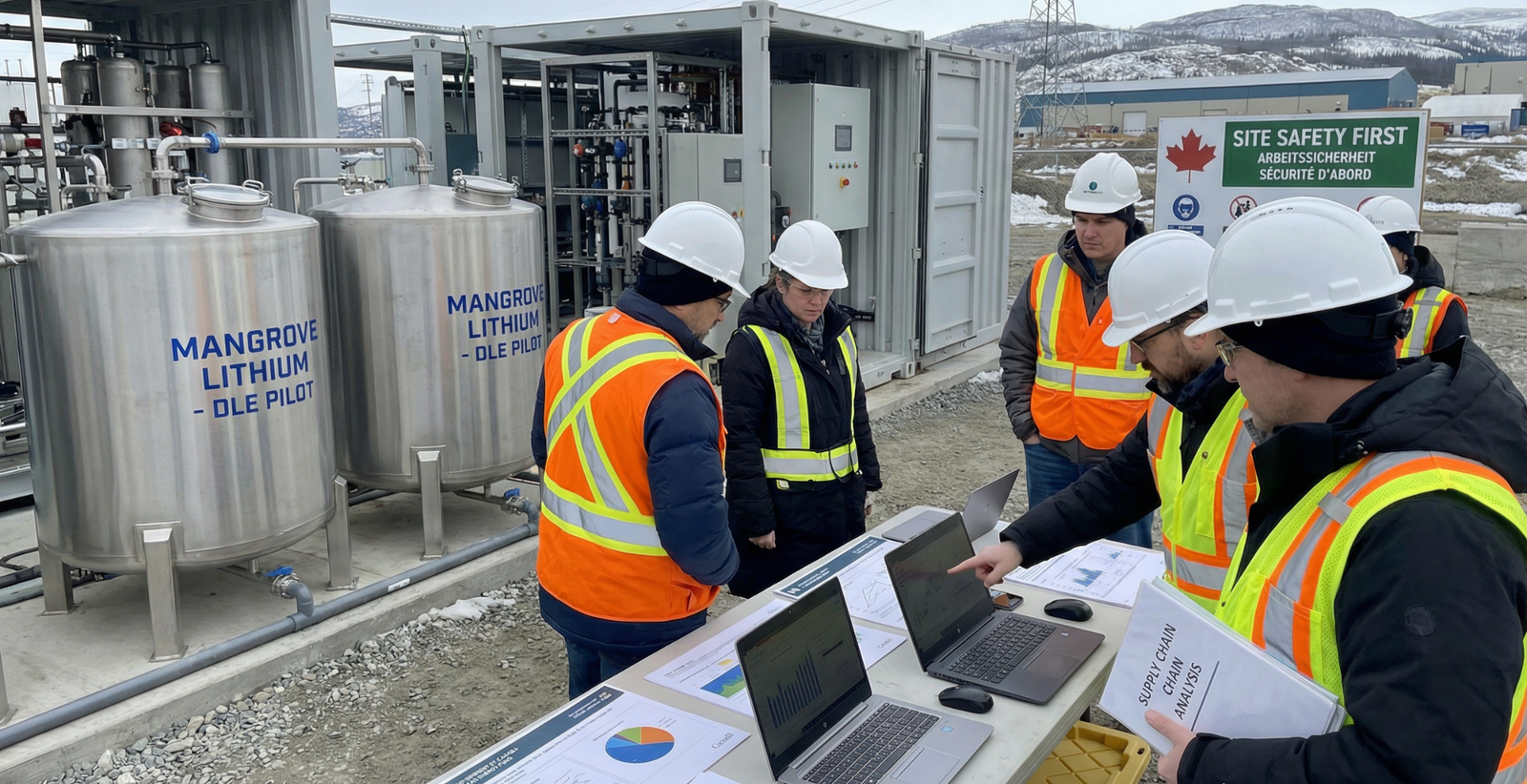
In January 2026, the Government of Canada made a decisive move that reverberates far beyond its national borders. Through the Canada Growth Fund, Ottawa committed up to US$65 million in strategic capital to Mangrove Lithium, a Canadian cleantech company pioneering electrochemical lithium refining. Backed alongside BMW I Ventures and Breakthrough Energy Ventures, the financing represents more than public support-it is a clear endorsement of Direct Lithium Extraction (DLE) as a foundational technology for the next phase of the clean energy economy.
For global C-suite leaders across energy, automotive, mining, and advanced manufacturing, this is not incremental policy news. It is a market signal-one that points to where capital, regulation, and industrial strategy are converging.
From Resource Ownership to Supply Chain Control
As electric vehicle adoption accelerates worldwide, lithium has moved from a commodity concern to a strategic asset. Governments and corporates alike are recognizing that access to raw materials alone is insufficient. Control over refining, processing, and intellectual property increasingly determines competitiveness.
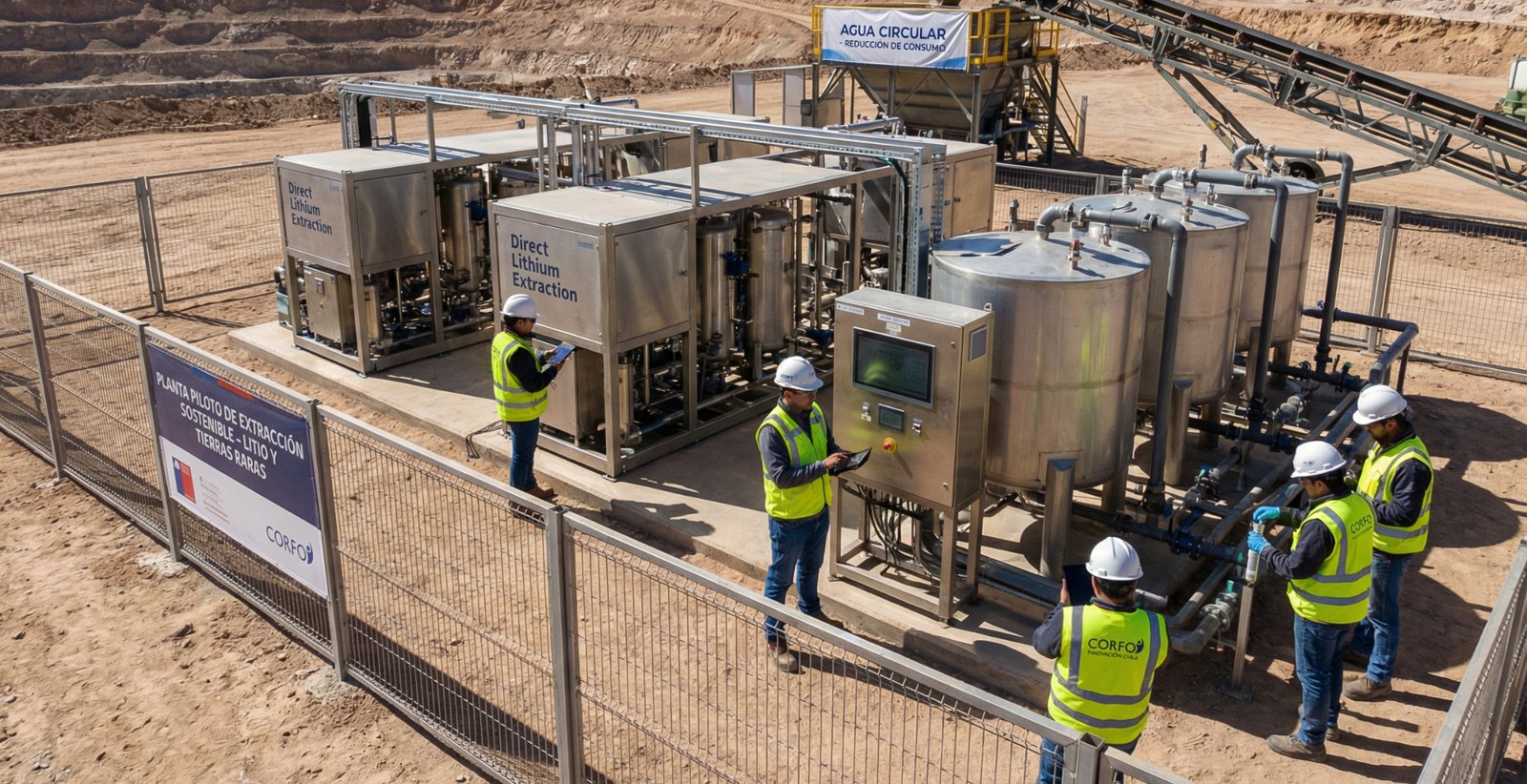
Canada’s Direct Lithium Extraction investment reflects this shift. Mangrove Lithium’s feedstock-flexible, electrochemical process enables the production of battery-grade lithium hydroxide and lithium carbonate with lower carbon intensity, reduced waste, and greater adaptability than conventional refining methods.
This positions Canada not simply as a source of critical minerals, but as a high-value processing hub within the global EV battery supply chain-an advantage that resonates with OEMs seeking resilient, ESG-aligned sourcing.
Scaling Direct Lithium Extraction from Innovation to Industrial Reality
One of the long-standing questions around DLE has been scalability. Canada’s backing directly addresses that concern.
Mangrove Lithium’s existing commercial facility in British Columbia already produces 1,000 tonnes of lithium hydroxide annually-enough to supply batteries for approximately 25,000 electric vehicles per year. More significantly, the company’s planned second facility in Eastern Canada is designed to scale production to 20,000 tonnes annually, supporting more than 500,000 EVs each year.
This shift-from laboratory promises to industrial throughput-marks an inflection point for DLE. Public-private capital alignment reduces execution risk and accelerates commercialization timelines, making DLE a viable pillar of future battery supply chains rather than an experimental alternative.
Why This Investment Matters Globally
For multinational manufacturers, battery producers, and institutional investors, Canada’s move carries clear strategic implications:
- Supply Chain Resilience: DLE reduces reliance on water-intensive evaporation ponds and geographically concentrated hard-rock mining.
- ESG and Decarbonization: Lower emissions and reduced waste directly support Scope 3 reduction strategies.
- Industrial Sovereignty: Retaining refining capacity and proprietary technology is fast becoming a competitive advantage.
- Capital Signalling: Government-anchored investments crowd in private capital and validate emerging technologies at scale.
Collectively, these factors point to a broader global shift. Nations are no longer competing solely on EV adoption rates-they are competing on who controls the clean inputs that power electrification.
A Blueprint for the Next Phase of the Clean Economy
Canada’s investment in Mangrove Lithium underscores a critical insight for global leaders: clean growth and economic resilience are no longer separate objectives. By anchoring advanced lithium refining domestically, Canada is strengthening supply chain security, creating skilled jobs, and retaining intellectual property in a fragmented geopolitical landscape.
For executives shaping long-term strategy, the takeaway is clear. Direct Lithium Extraction is transitioning from promise to pillar. Governments are aligning capital, regulation, and industrial policy behind it-and organizations that integrate DLE into supply chain planning today will be materially better positioned for the decade ahead.
The post Canada’s Strategic Bet on Direct Lithium Extraction Signals a Turning Point for the Global Battery Supply Chain appeared first on dlexhcange.com.