

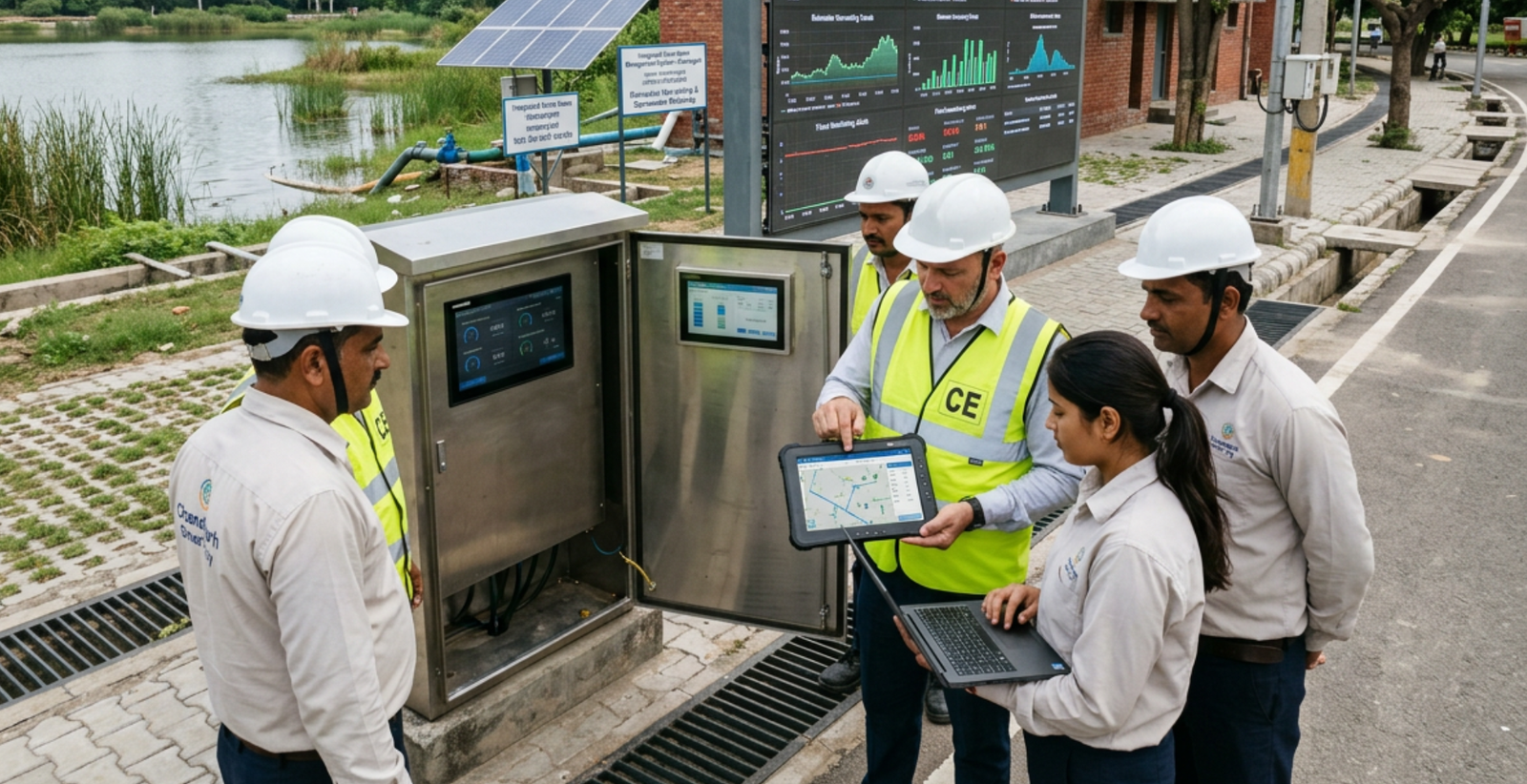
Chandigarh is taking a major step toward urban water sustainability in 2026 with the proposal of a dedicated City Water Management Cell aimed at strengthening long-term water governance and infrastructure efficiency.
The initiative is designed to build a data-driven, resilient, and sustainable water management system for the city.
Integrated Urban Water Strategy
The proposed action plan focuses on a multi-layered approach to water management, combining infrastructure upgrades with digital governance tools.
Key focus areas include:
- Groundwater regulation and monitoring
- Expansion of rainwater harvesting systems
- Revival of natural drainage channels
- Integration of stormwater with recharge infrastructure
The goal is to improve long-term water availability while reducing environmental stress.
Smart Monitoring and Digital Governance
A major component of the plan is the adoption of smart technologies for real-time water management.
This includes:
- SCADA-based monitoring systems
- AI-driven demand forecasting
- Digital groundwater registry
- Smart flood detection mechanisms
These tools are expected to improve operational efficiency and enable proactive decision-making.
Policy Reforms for Sustainable Usage
The city is also exploring regulatory reforms to strengthen water conservation practices.
Proposed measures include:
- Mandatory rainwater harvesting in buildings
- Water reuse requirements in urban planning bylaws
- Incentives for green and water-efficient infrastructure
These reforms aim to embed sustainability into urban development frameworks.
Groundwater and Ecosystem Restoration
A key priority of the plan is groundwater protection and ecosystem restoration.
Focus areas include:
- Strict regulation of private bore-wells
- Enhanced groundwater recharge systems
- Development of urban wetlands
- Revival of natural water channels
These measures are designed to restore ecological balance and improve long-term water security.
Energy-Efficient Water Infrastructure
The initiative also integrates energy efficiency into water management systems.
Key elements include:
- Solar-powered water infrastructure
- Reduced energy consumption in water operations
- Optimization of pumping and distribution systems
This aligns water sustainability with broader clean energy goals.
Citizen Participation and Awareness
Public engagement is a core part of the strategy, with plans to involve citizens through:
- Awareness campaigns
- Digital reporting platforms
- Community participation programs
This ensures shared responsibility in water conservation efforts.
Conclusion
Chandigarh’s Smart Water Management initiative in 2026 represents a shift toward digitally enabled, policy-driven urban water governance. By combining technology, regulation, and citizen engagement, the city aims to build a more resilient and efficient water ecosystem.
The post Chandigarh Advances Smart Water Future with Digital Water Management Initiative appeared first on Smart Water Infrastructure Xchange 2026.