
Sodium-Ion Battery Recycling in Europe Accelerates Through Major Consortium
Europe is taking a decisive step toward building a sustainable battery ecosystem as a large-scale consortium advances the development of industrial sodium-ion battery recycling capabilities.
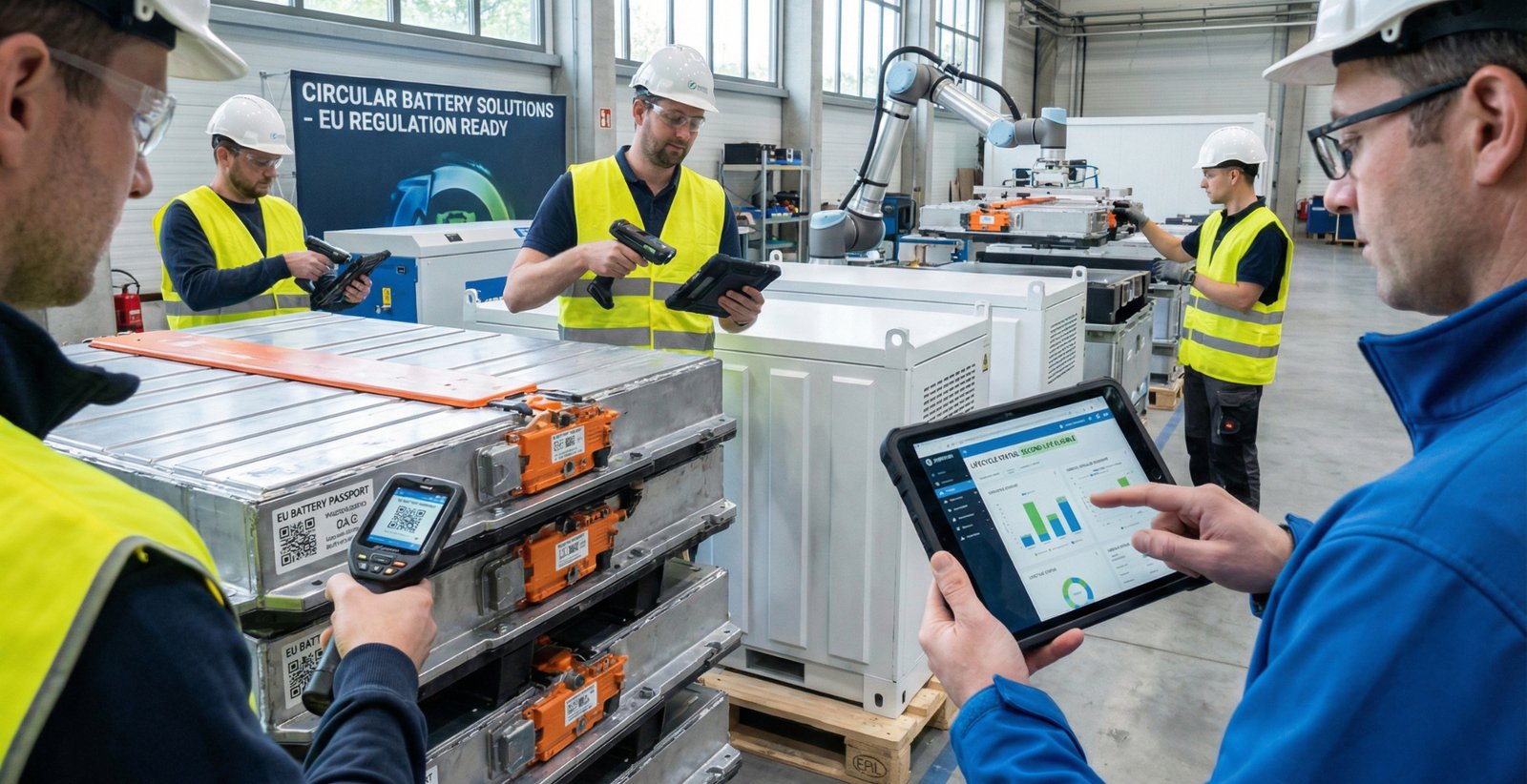
This initiative reflects a broader strategic shift to integrate recycling into the early stages of battery innovation, ensuring long-term scalability and supply chain resilience across the region.
Europe Builds First Sodium-Ion Recycling Ecosystem
A multi-stakeholder European program is laying the foundation for the continent’s first dedicated sodium-ion battery recycling infrastructure.
Running from 2026 to 2029, the initiative is supported by public funding and brings together industry and research stakeholders across the battery value chain.
The core objective is clear:
- Design batteries with recyclability in mind from inception
- Develop scalable industrial recycling processes
- Align production and end-of-life systems into a unified circular model
This approach positions Europe at the forefront of next-generation battery lifecycle management.
Proactive Recycling Strategy Ahead of Market Growth
A key strategic priority is the early development of recycling capacity before sodium-ion batteries reach mass adoption.
Leveraging experience from existing lithium-ion recycling systems, stakeholders are working to build infrastructure capable of handling large-scale battery volumes in the future.
This includes:
- High-capacity processing facilities
- Integration with existing industrial ecosystems
- Early-stage deployment of recycling technologies
Such forward planning reduces long-term risk and ensures readiness as demand accelerates.
Dual Recycling Pathways Drive Efficiency
The consortium is advancing two complementary recycling approaches:
- Conventional recycling: Mechanical and hydrometallurgical recovery methods
- Direct recycling: Recovery of active materials without full chemical breakdown
Direct recycling, in particular, is expected to:
- Improve cost efficiency
- Increase material retention
- Reduce processing complexity
Pilot-scale validation is expected toward the end of the decade.
Strengthening Europe’s Circular Battery Economy
Sodium-ion batteries are gaining momentum as a cost-effective and resource-efficient alternative to lithium-based systems.
However, their long-term success depends on robust recycling frameworks.
By embedding recycling into the design phase, Europe is:
- Reducing dependence on critical raw materials
- Enhancing supply chain resilience
- Supporting sustainable energy storage growth
This integrated model is expected to define the future of battery manufacturing and recycling globally.
What Comes Next
As sodium-ion technologies move toward commercialization, the focus will shift to scaling recycling systems and validating industrial performance.
The success of Europe’s approach will play a critical role in shaping global battery strategies, particularly as industries transition toward more sustainable and circular energy solutions.
For deeper insights into battery innovation and recycling strategies, explore upcoming industry discussions at EV Battery Recycling Xchange 2026.
View the EV Battery Recycling Xchange 2026 Agenda