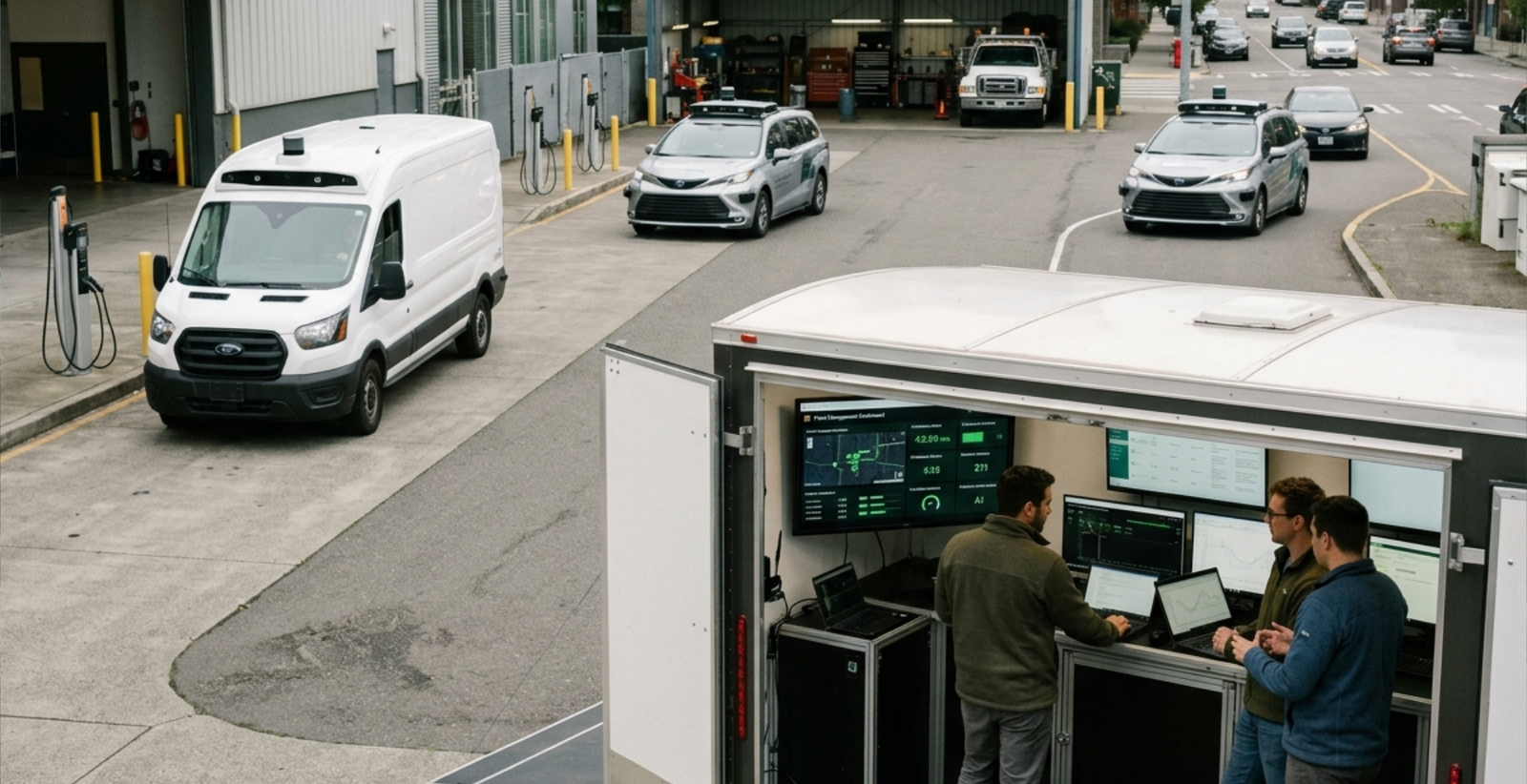

The first week of March 2026 has delivered a series of rapid-fire milestones that signal the transition of autonomous mobility from “experimental” to “essential.” For C-suite leaders, the “good news” this week isn’t just about technical demos; it’s about the massive scale-up of driverless fleets and the arrival of the first truly global regulatory framework.
1. Tesla Hits 8.4 Billion Miles and Goes Global
In a significant data milestone reported on March 2, 2026, Tesla’s Full Self-Driving (Supervised) system has officially crossed 8.4 billion cumulative miles.
- The Authority: The fleet is currently adding roughly 1 billion miles every 50 days. This massive data moat is accelerating the training of “edge case” scenarios that have historically bottlenecked Level 4 autonomy.
- Global Expansion: This week, Tesla officially launched its first supervised FSD testing framework in Abu Dhabi, marking its first major regulatory foothold in the Middle East under the supervision of the Integrated Transport Centre.
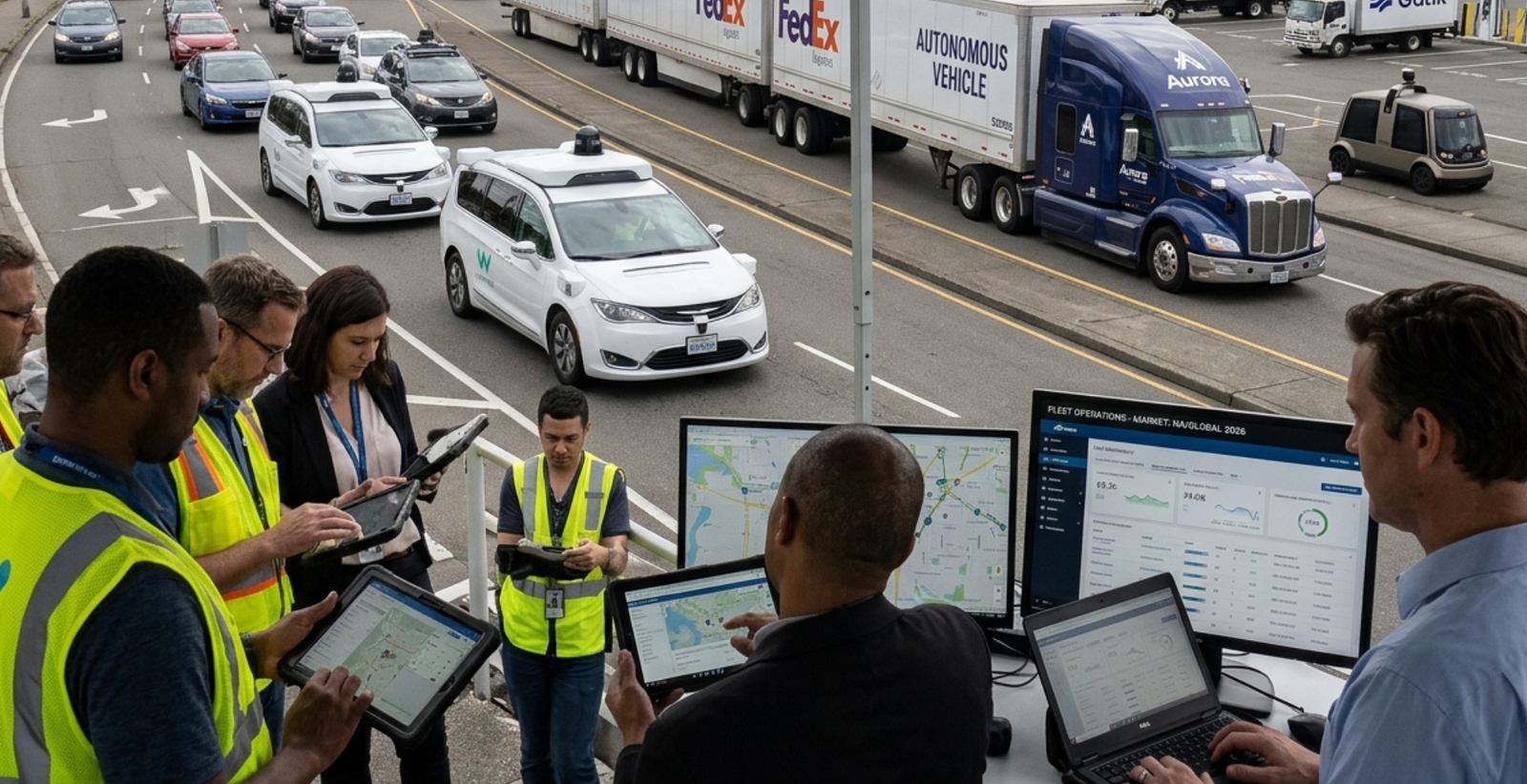
2. Autonomous Trucking: Aurora’s $80M Revenue Run Rate
On March 5, 2026, at the Morgan Stanley TMT Conference, Aurora Innovation CEO Chris Urmson provided a bullish update on the commercialization of heavy-duty autonomous freight.
- The “Build” Signal: Aurora is on track for an $80 million revenue run rate by the end of 2026.
- Cost Efficiency: Their second-generation hardware, debuting this quarter, has successfully cut component costs by 50% while tripling durability.
- Scaling: The company plans to deploy hundreds of driverless trucks across the Southern U.S. by year-end, targeting positive free cash flow by 2028.
3. Retail Revolution: IKEA China Adopts RoboVans
In one of the week’s most practical “wins,” IKEA China announced on March 5 that it is moving from pilot to permanent adoption of Neolix L4 autonomous RoboVans.
- The Impact: During the pilot phase, these driverless delivery units reduced average customer waiting times by two-thirds (from six hours down to two).
- The Bottom Line: Transportation costs between operational units were slashed by more than 50%, proving that autonomous logistics can fundamentally redefine the unit economics of urban retail.
4. Regulatory Breakthrough: The UN’s “Global ADS Regulation”
On the policy front, the UNECE (United Nations Economic Commission for Europe) has moved a draft global regulation on Automated Driving Systems (ADS) to its final stage.
- Why it Matters: This is the first harmonized methodology for validating driverless vehicles on public roads worldwide. It provides a “Safety Management System” (SMS) audit and certification process that will enter force immediately upon adoption in June 2026.
The Bottom Line
The “Good News” in autonomous mobility this week is the collapse of the “pilot-to-production” gap. Whether it is Aurora’s cost-slashing hardware, IKEA’s logistics efficiency, or the UN’s regulatory clarity, the industry is no longer asking if the technology works. The focus has shifted entirely to how quickly it can be integrated into the global supply chain. For the C-suite, the competitive advantage now lies in securing early “interconnection” with these autonomous corridors before the 2027 capacity crunch.
The post The Autonomy Inflection: Scaling Beyond the Pilot Phase appeared first on autonomousmobilityxchange.com.