
Across the aviation industry, sustainability is no longer a distant ambition-it is a strategic imperative. While many stakeholders still view electric aircraft as a future possibility, Sweden has already moved ahead. In Skellefteå, northern Sweden, commercial pilot training using fully electric aircraft is not a pilot project; it is a daily operational reality.
A New Benchmark for Professional Pilot Training
Becoming a commercial pilot requires rigorous theoretical study combined with more than 200 hours of hands-on flight training. Traditionally, these hours have been flown entirely in fuel-powered aircraft.
Green Flight Academy has fundamentally redefined this model.
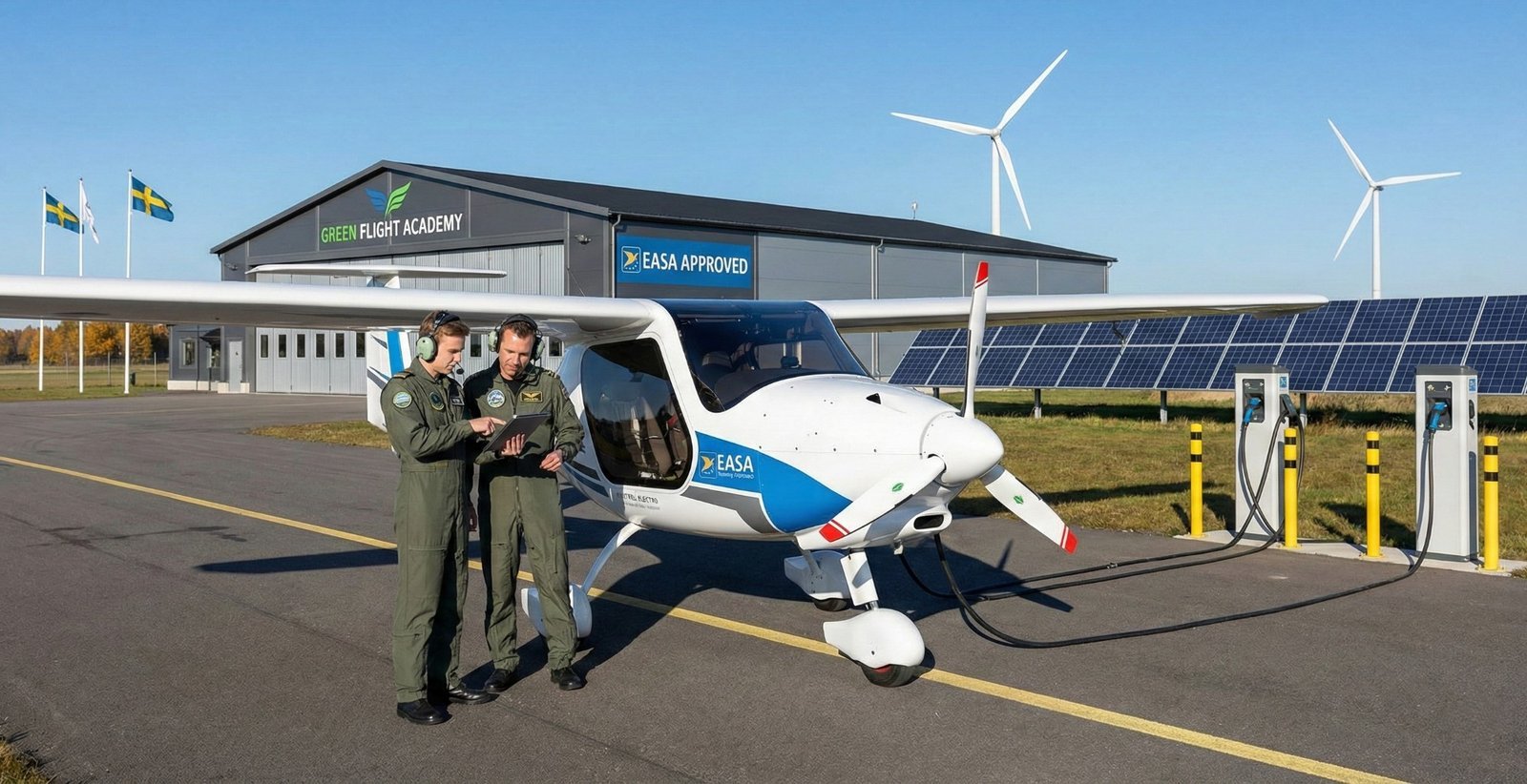
The academy now operates the world’s first EASA-approved integrated airline pilot program that incorporates electric aircraft into its core curriculum. In this programme, 30% of all flight hours are conducted in electric aircraft, demonstrating not only technical feasibility but operational maturity.
Central to this innovation is the Pipistrel Velis Electro, the world’s first type-certified electric aircraft. It is powered using 100% renewable electricity and charged directly at Skellefteå Airport-one of the world’s earliest fossil-free airports.
Operational Excellence Meets Climate Responsibility
“We set out to make flight training genuinely sustainable, not symbolic,” explains Johan Norberg, Head of Training at Green Flight Academy and architect of the programme. Achieving regulatory compliance, developing training manuals, and conducting performance calculations required extensive work, but the outcome speaks for itself.
Electric aircraft are currently certified for visual flight conditions only, which means conventional aircraft remain necessary for certain training phases. For these requirements, the academy uses next-generation, fuel-efficient diesel aircraft-underscoring a commitment to sustainability without compromising professional standards.
Cold Climate? A Strategic Advantage
Operating in northern Sweden raised understandable questions about cold-weather battery performance. Johan’s winter test flights provided unexpected insight: winter conditions can enhance aircraft efficiency. Due to higher air density, electric aircraft achieve more lift with less energy, offering a counterintuitive performance advantage.
A Sustainable Flight School, Not Just an Electric One
Green Flight Academy emphasizes that its mission extends beyond adopting electric aircraft.
“We are not an electric flight school-we are a sustainable flight school,” Johan notes. “Our strategy is to leverage the most advanced sustainable technologies available, whether electric, hydrogen-based, or innovations yet to come.”
This future-focused approach ensures the academy remains aligned with the rapid evolution of aviation technology and climate policy expectations.
A Global Training Hub for the Next Generation of Pilots
The academy’s 18-month commercial pilot training programme equips graduates to step directly into first-officer roles with major airlines. With students from more than 10 countries, Green Flight Academy has emerged as a global hub for sustainable aviation training.
All training operations are conducted from Skellefteå Airport, home to state-of-the-art infrastructure and entirely fossil-free airport operations. Students live and study within the region’s university campus ecosystem, ensuring efficiency, accessibility, and a strong aviation community.
This groundbreaking initiative is supported by local private equity group NBP Invest, reflecting growing investor confidence in scalable, climate-aligned aviation solutions.
Why This Matters for C-Level Leaders
For executives across aviation, energy, manufacturing, and sustainability, this development signals a defining shift:
- Electric aircraft flight training is no longer theoretical-it is commercial, certified, and scalable.
- Cold-climate performance concerns are solvable and, in some cases, advantageous.
- Sustainable aviation training infrastructures can be deployed today, not years from now.
Green Flight Academy demonstrates what forward-looking investment, regulatory alignment, and clean-energy infrastructure can achieve: a practical, operational model for the future of professional pilot training.
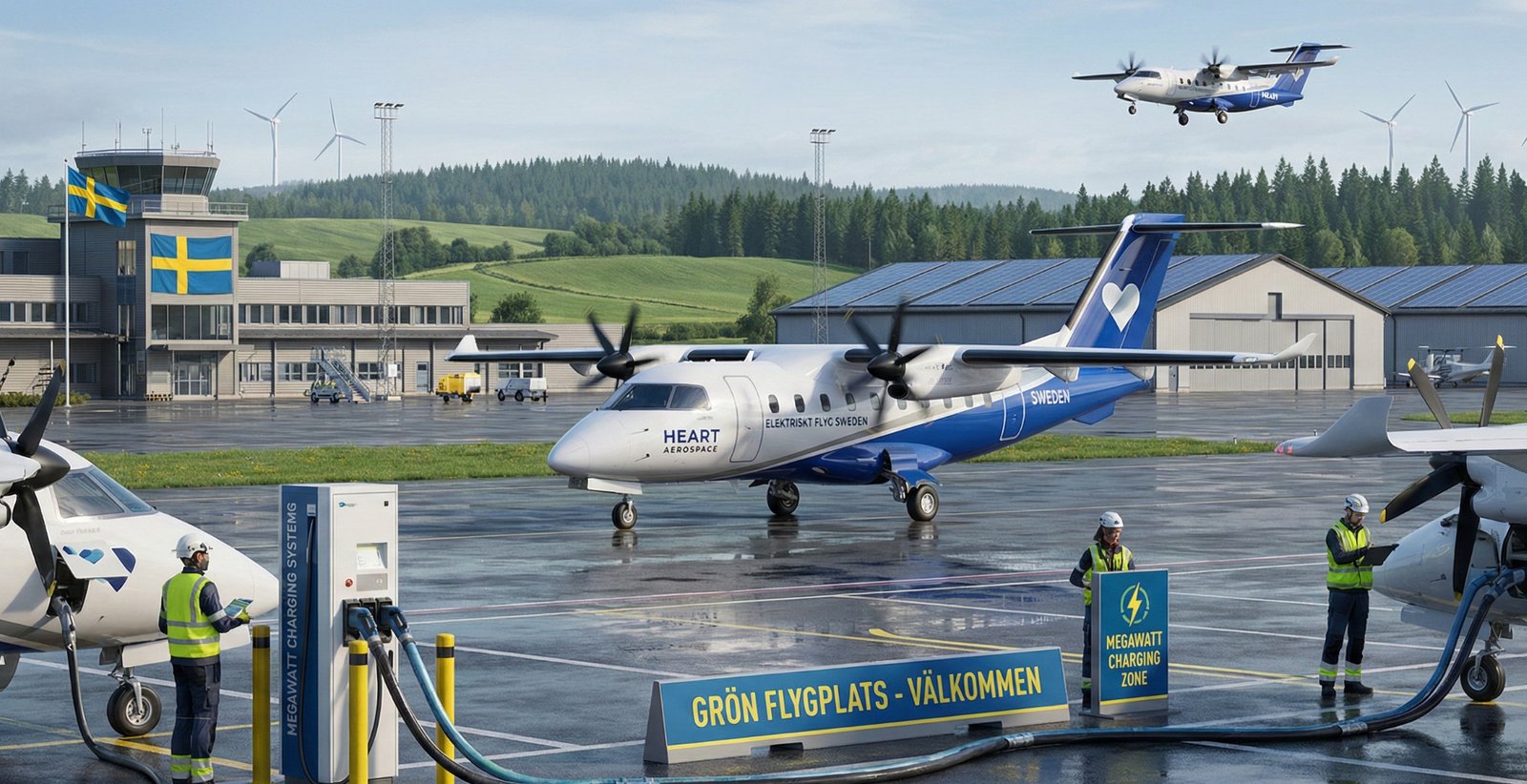
Sweden’s fully operational electric aviation ecosystem read more
The post Electric Aircraft Flight Training: The Future of Aviation Is Already Operational appeared first on eaviationxchange.com.